
Welcoming an exotic pet into your home brings immense joy and a unique set of responsibilities. Providing a safe, spacious, and warm environment is essential for their overall health and longevity.
Choosing the correct enclosure requires evaluating dimensions, ventilation, and safety features. This comprehensive Best Hedgehog Cage Guide will help you navigate the crowded market options efficiently.
A poorly selected habitat can lead to severe stress, injuries, or chronic respiratory infections for your pet. Investing time in understanding their specific spatial needs guarantees a thriving companion.
Understanding the Basics of Hedgehog Habitat Selection
Hedgehogs are solitary, nocturnal animals that love to explore, forage, and run miles every single night. Therefore, floor space is the most critical element to consider before making any purchase.
The absolute minimum floor space required for a single animal is four square feet, though larger is always better. Providing ample room prevents obesity and mitigates stereotypical behaviors driven by intense boredom.
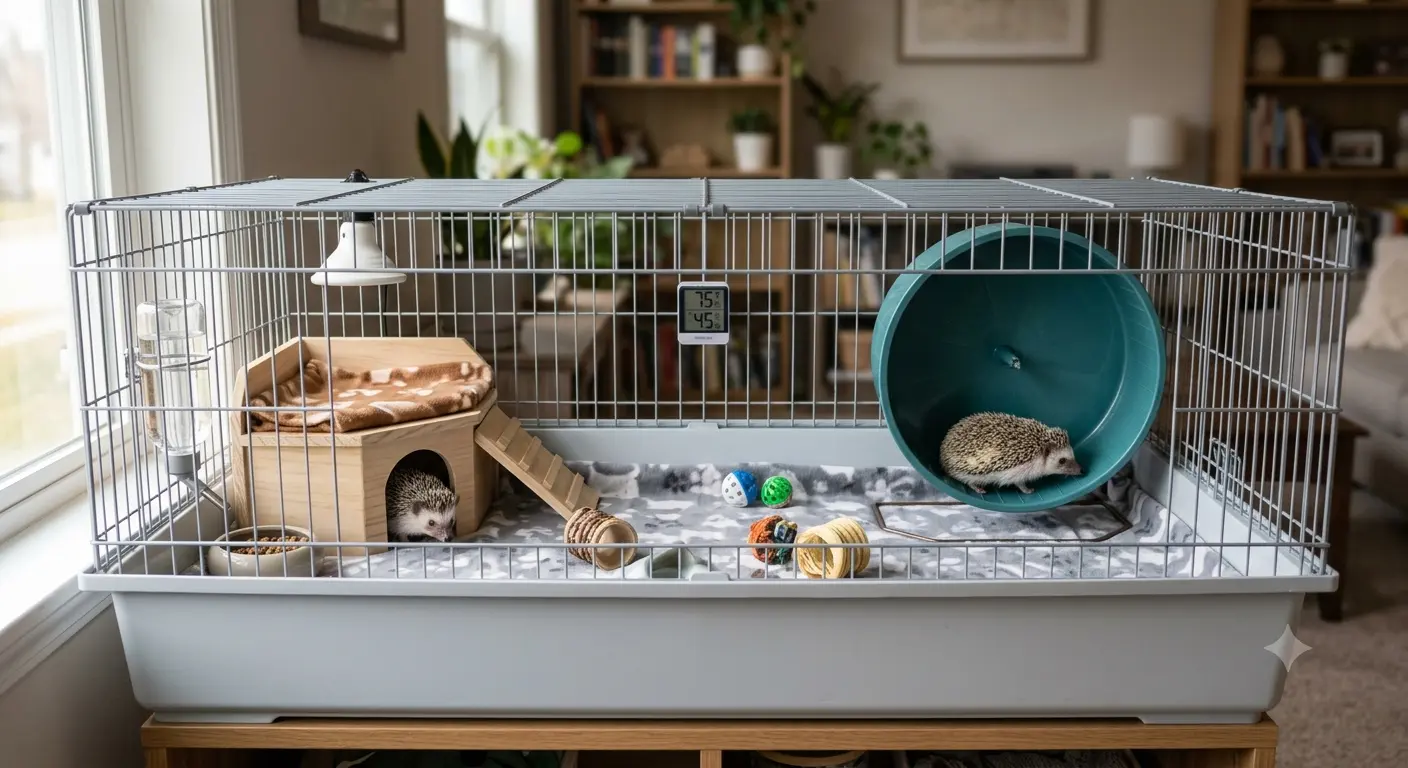
Proper ventilation is equally critical to prevent the buildup of toxic ammonia from urine. Airflow must remain consistent throughout the day without creating dangerous, direct drafts that cause sudden hibernation attempts.
Safety parameters like precise wire spacing must be strictly evaluated to prevent escape or injury. Exploring structured setup strategies can transform a basic enclosure into a dynamic, engaging hedgehog habitat effortlessly.
Critical Features to Evaluate in Your Best Hedgehog Cage Guide
When searching for the ultimate enclosure, analyzing structural integrity and materials saves both money and frustration. This segment of our Best Hedgehog Cage Guide highlights features that require your undivided attention.
Solid flooring is completely non-negotiable because wire floors cause severe foot injuries and dynamic fractures. A smooth plastic bottom cage allows easy wiping, sanitizing, and safe navigation for tiny paws.
Wire walls offer excellent ventilation options but the dynamic wire spacing must not exceed one inch. Baby animals can easily squeeze their heads through wider gaps, resulting in tragic suffocation scenarios.
The Importance of Multi-Level Safety
While multi-level structures seem attractive, hedgehogs possess notoriously poor eyesight and lack depth perception entirely. High ramps often lead to accidental, dangerous falls causing broken limbs.
If you select a multi-level layout, ensure all ramps possess high, solid safety guardrails. Keep the secondary levels relatively low to eliminate any risk of falling from extreme heights.
| Cage Type | Minimum Space Provided | Ventilation Quality | Cleaning Difficulty |
|---|---|---|---|
| Wire Cage with Plastic Base | Excellent (4+ sq ft) | High Airflow | Very Easy |
| Modified Plastic Storage Bin | Moderate (3-4 sq ft) | Medium (Requires Drilling) | Extremely Easy |
| Wooden Custom Vivarium | Superb (Customizable) | Low to Medium | Moderate (Needs Sealing) |
Environmental Control and Temperature Management
Maintaining a stable ambient temperature between 72°F and 80°F is a vital operational parameter. Dropping below this range forces a lethal hibernation attempt, while higher temperatures induce heat stress.
Relying purely on central home heating is rarely sufficient for these delicate, insectivorous mammals. Integrating a dedicated ceramic heating lamp equipped with a digital thermostat ensures precise environmental security.
Position the heating elements carefully over one side of the enclosure to create a distinct thermal gradient. This allows your pet to choose between a warmer basking zone and a cooler resting zone freely.
Always avoid placed enclosures near sunny windows, drafty exterior doors, or noisy air conditioning vents. Sudden temperature fluctuations can destabilize their fragile immune systems rapidly, prompting emergency veterinary visits.
Two years ago, my journey into the world of exotic animal husbandry began with a rescued creature named Barnaby. My initial assumption was that any large enclosure with a secure lid would suffice perfectly. I configured a massive wooden cabinet with beautiful glass doors, believing it was a masterpiece of design.
Disaster struck within weeks because the lack of continuous cross-ventilation caused moisture to accumulate rapidly. One chilly Tuesday evening, I noticed Barnaby shivering violently, completely unresponsive to my touch. Panic set in instantly as I realized the internal ambient temperature had plummeted without any external warning signs.
I wrapped him in warm towels, holding him against my chest for three long hours until his breathing stabilized. That terrifying night taught me that aesthetic appeal means nothing without absolute functional safety. After consulting with specialized veterinarians, I abandoned the wooden cabinet and spent days modifying an expansive, open-top design that allowed perfect thermal management and unrestricted airflow.
Essential Interior Accessories and Bedding Setup
An empty enclosure is highly detrimental to a hedgehog’s complex mental well-being and physical health. Transforming the space requires incorporating specific, high-quality dynamic enrichment accessories safely.
A solid-surface running wheel is the single most vital component of any internal setup. Standard wire-spoked hedgehog wheels cause severe toenail tearing and broken toes, making solid plastic models mandatory.
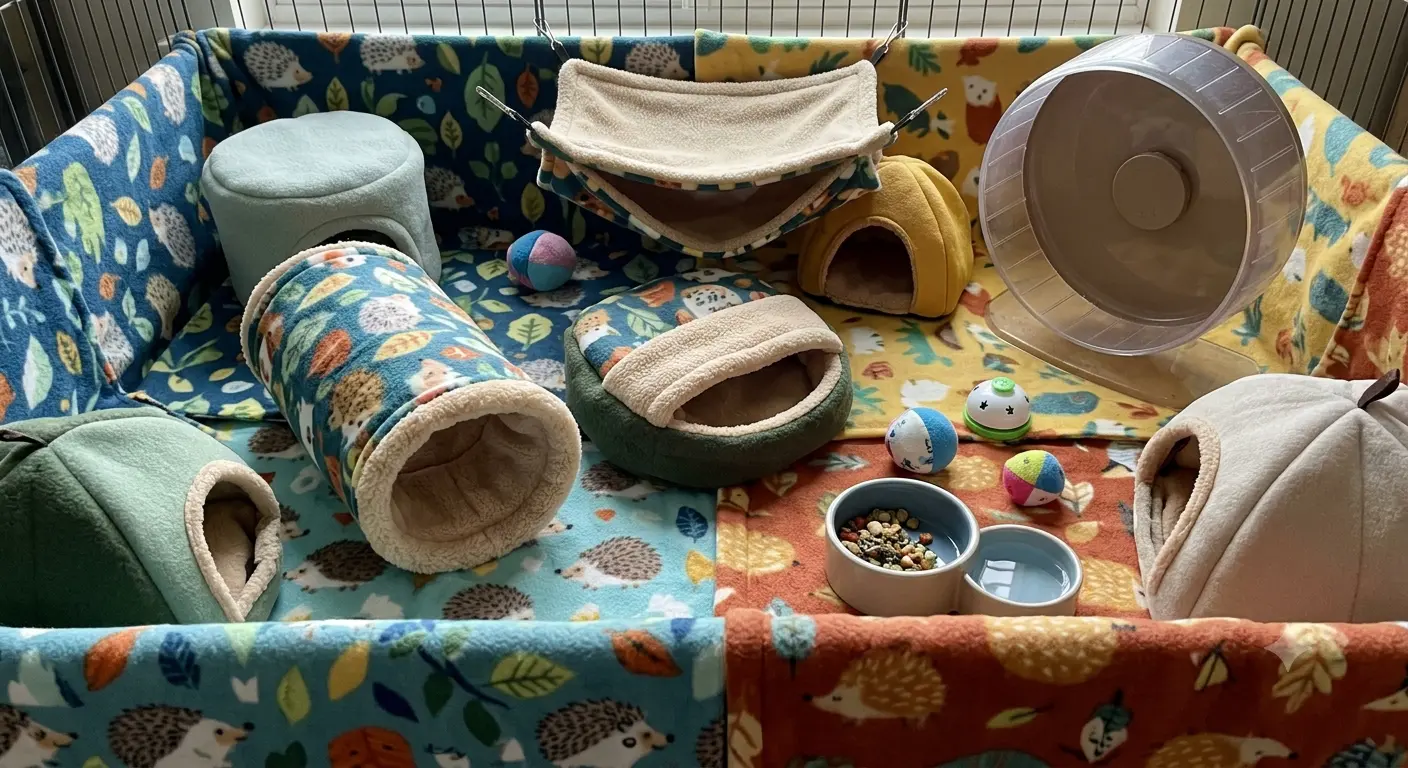
Selecting the right substrate dramatically influences the overall cleanliness and odor control of the environment. High-quality fleece liners have become the gold standard due to their washability and lack of loose strands.
If you prefer loose substrate, select kiln-dried aspen shavings while avoiding toxic cedar or pine completely. For comprehensive guidance on optimizing the floor layout, review this extensive hedgehog habitat blueprint to ensure maximum safety.
Hiding Spots and Behavioral Enrichment
Hedgehogs require multiple secure hiding spots to retreat from light and feel safe during daylight hours. Plastic igloos, fabric pouches, and natural wooden logs provide excellent, diverse resting alternatives.
Introduce safe foraging toys, such as small plastic balls or hidden treats, to stimulate wild hunting instincts. Constantly rotating these toys prevents mental stagnation and encourages healthy physical exercise.
Cleaning and Maintenance Protocols for Longevity
Consistent sanitation protocols eliminate harmful bacterial blooms and maintain a pristine living space. Spot-cleaning feces and removing uneaten food daily takes less than five minutes but protects health effectively.
Deep cleaning the entire enclosure should occur weekly using pet-safe, non-toxic sanitizing solutions. Avoid harsh chemical cleaners or heavily scented detergents that irritate their incredibly sensitive olfactory systems.
If utilizing reusable fleece liners, wash them using unscented, hypoallergenic detergents with a splash of white vinegar. Ensure all components are completely dry before reassembling the unit to prevent mold growth.
Track your cleaning schedule meticulously to observe any sudden changes in waste output or consistency. Monitoring these subtle behavioral shifts acts as an early warning system for underlying medical conditions.
For complex health concerns or specific preventative advice, consulting with certified specialists through organizations like the Association of Reptilian and Amphibian Veterinarians (ARAV) offers invaluable professional reassurance.
Final Verdict: Selecting the Best Hedgehog Cage Guide Choice
Ultimately, selecting the perfect enclosure depends heavily on balancing your available home space with budget constraints. However, never compromise on total floor space or floor safety metrics for financial savings.
A spacious wire cage with a deep plastic bottom offers the best balance of airflow, safety, and cleaning convenience. It fulfills every biological necessity while keeping maintenance manageable for busy keepers.
We hope this Best Hedgehog Cage Guide empowers you to construct a secure, enriching wonderland for your pet. Prioritizing space, heating, and proper substrate ensures a joyful relationship lasting many wonderful years.