
Proper dietary care forms the absolute baseline of a long, vibrant life for any companion animal. However, when dealing with extraordinary species like Bearded Dragons, Axolotls, or Chameleons, conventional wisdom fails entirely. Mastering advanced Pet Nutrition requires an appreciation for evolutionary biology, specialized feeding methodologies, and species-specific biochemical pathways.
In this comprehensive guide, we map out the foundational dietary pillars required to maintain these delicate creatures. We will explore nutritional classifications, metabolic safety zones, and tactical feeding regimens that separate novice keepers from seasoned herpetoculture experts.
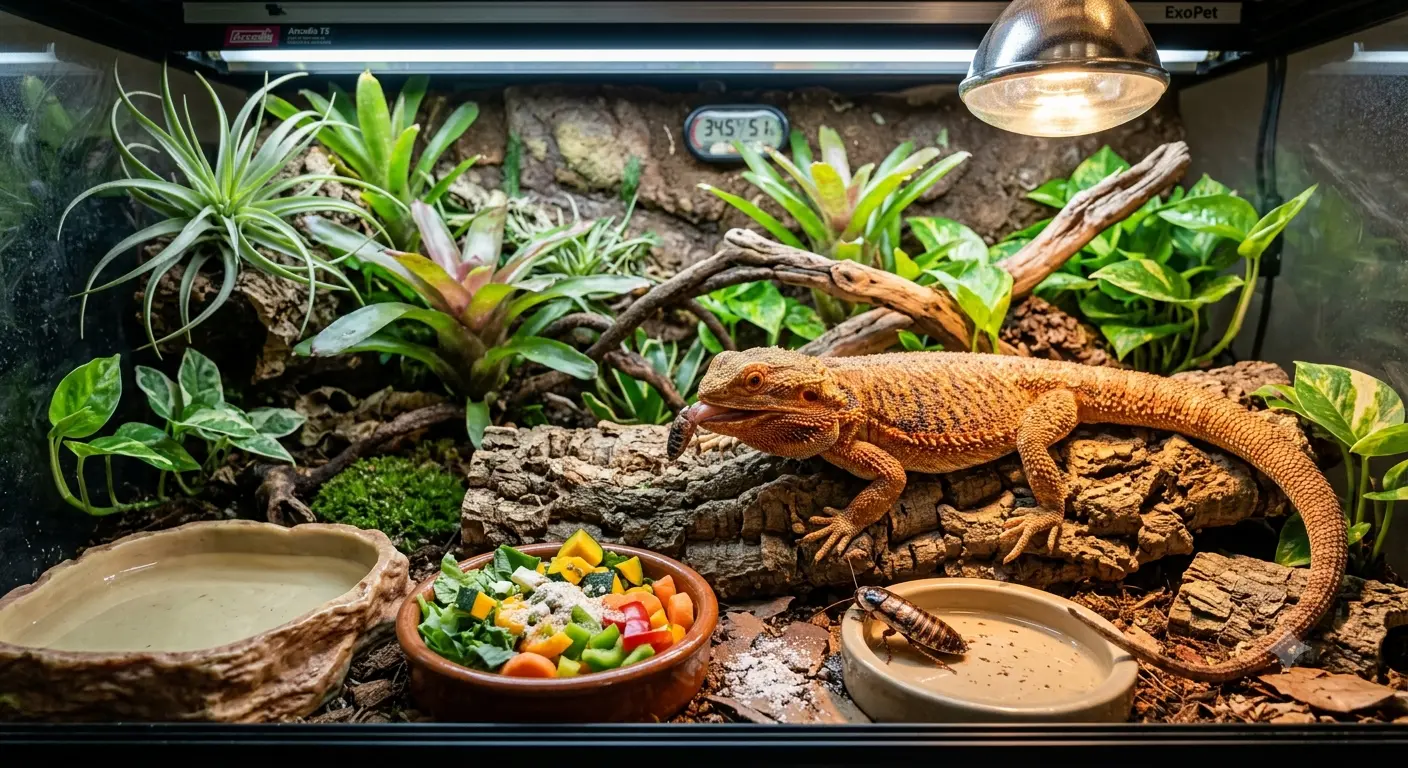
Understanding the Core Profiles of Pet Nutrition
The very first evolutionary step in managing an exotic animal involves decoding its ancestral trophic level. Unlike domestic dogs or cats, exotic animals have highly rigid biological systems that cannot adapt to generalized commercial feed pellets efficiently.
A failure to align daily macro-nutrients with an animal’s natural evolutionary design inevitably leads to severe gastrointestinal distress. Worse, it triggers systemic organ failure over prolonged periods in captivity.
Herbivorous Exotic Species
These specialized animals subsist entirely on complex plant matter, requiring high-fiber vegetation to drive their hindgut fermentation processes.
Green Iguanas and Uromastyx lizards are classic examples of strict herbivores that require a precise balance of leafy greens.
Introducing animal proteins to these species causes severe renal stress and fatal uric acid crystallization within their joints.
Carnivorous Exotic Species
Strict carnivores thrive purely on animal tissue, requiring high levels of easily digestible proteins and explicit fatty acid profiles.
Axolotls represent classic aquatic carnivores, demanding whole biological prey like nightcrawlers or bloodworms to sustain their unique metabolic needs.
Their digestive tracts are remarkably short, meaning they lack the physiological capacity to process cellular walls found in plants.
Omnivorous Exotic Species
Omnivores command a fluid, shifting balance of both plant-based materials and raw animal proteins to satisfy their metabolic baselines.
Bearded Dragons and unique small mammals like Hedgehogs shift their macro-nutrient targets drastically as they transition from youth to adulthood.
An improper balance here often yields hepatic lipidosis, making structural diversity in their daily food rations absolutely paramount.
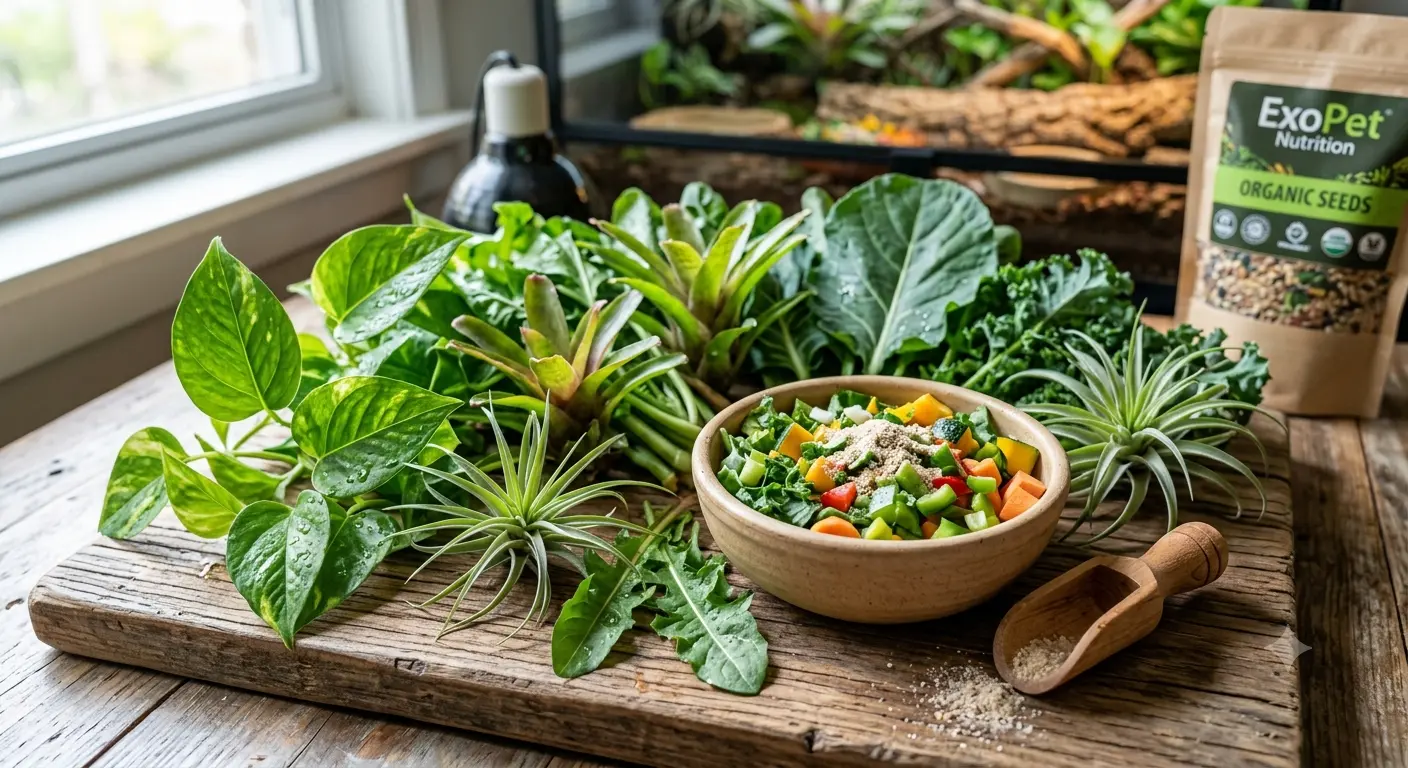
The Role of Gut Loading in Modern Pet Nutrition
When dealing with insectivorous or omnivorous exotics, merely purchasing insects from a local supplier is never sufficient for optimal health.
The biological reality is simple: the current nutritional status of the insect directly dictates the baseline cellular health of your pet.
An empty, dehydrated cricket purchased from a commercial bin functions essentially as an empty chitinous shell, lacking vital micronutrients.
Therefore, a critical element of exotic Pet Nutrition involves a process known globally among professional herpetologists as gut loading.
This methodology demands that feeder insects be fed a nutrient-dense diet 24 to 48 hours prior to being offered as prey.
By filling the insect’s digestive tract with sweet potatoes, squash, and specialized vitamin matrices, you transform them into powerful nutrient capsules.
Furthermore, selecting high-quality feeder insects like Dubia roaches or black soldier fly larvae enhances the natural mineral profile significantly.
Varying the insect species prevents psychological monotony while ensuring a broader spectrum of amino acids reaches your exotic companion.
Vitamins and Minerals: Preventing Metabolic Bone Disease
In closed captive environments, animals are entirely cut off from wild bio-availabilities, making systematic supplementation an absolute operational requirement.
The single most dangerous threat to captive reptiles is Metabolic Bone Disease (MBD), caused directly by systemic calcium deficiencies.
Without adequate calcium levels, an exotic animal’s body will systematically pull minerals from its own skeletal structure to support cardiac function.
To successfully prevent this tragic degradation, keepers must understand the symbiotic relationship between Calcium and Vitamin D3.
Reptiles require Vitamin D3 to synthesize and actively absorb calcium through their intestinal walls during the digestive process.
While high-quality UVB lighting provides natural synthesis, routine supplementation with calcium containing D3 ensures a crucial metabolic safety net.
However, an equal danger lies in over-supplementation, which can induce rapid organ calcification and severe toxic shock syndromes.
Fat-soluble vitamins like Vitamin A accumulate quickly in hepatic tissues, meaning dosage schedules must be managed with clinical precision.
A strategic rotation of pure calcium, calcium with D3, and a balanced multivitamin guarantees all physiological baselines are met cleanly.
Three years ago, on a bitter, rainy Tuesday morning, my prized blue-tongue skink, Barnaby, completely stopped moving his hind legs. He just dragged his lower body across the cypress mulch, his usually bright, alert eyes looking entirely dim and defeated.
Panic gripped my chest instantly. I had been rigidly following the standard commercial feeding charts, using those dry, brightly colored kibbles that promise complete health on the back of the label.
I rushed to a specialist, frantic for answers. The diagnosis was devastating: early-onset metabolic depletion caused by a complete lack of bioavailable trace elements in his highly processed diet.
The standard treatment suggestions failed to yield any noticeable improvements over two agonizing months of syringe-feeding. I felt like an absolute failure as a keeper, watching him grow weaker by the week.
Then, purely by accident while researching wild foraging habits in Australian field journals, I threw out the commercial pellets entirely. I started cultivating organic dandelion greens in my window box and sourcing live, gut-loaded snails directly from certified organic breeders.
It was a tedious, grueling routine of crushing shells and harvesting weeds every single afternoon. But within five weeks, a miracle happened. Barnaby took a tentative, shaky step forward on his hind legs, lifted his torso off the ground, and snatched a moving hornworm with fierce, ancestral intensity.
Hydration Strategies Beyond the Standard Water Bowl
Many exotic species do not possess the evolutionary instinct to recognize or drink from standing water inside a traditional bowl.
In the wild, arboreal lizards like Chameleons quench their thirst exclusively by licking moving dew droplets off pristine forest leaves.
Providing only a stagnant water dish to these animals frequently leads to severe, chronic dehydration and subsequent renal failure.
A holistic strategy for advanced Pet Nutrition must incorporate dynamic, species-appropriate hydration methods to ensure long-term health.
Automated misting systems, drip lines, and regular physical soaking sessions are crucial tactics to stimulate natural drinking behaviors.
For terrestrial species, maintaining precise ambient humidity zones allows them to conserve internal moisture through their respiratory pathways.
| Exotic Pet Category | Primary Protein Source | Hydration Method | Critical Dietary Risk |
|---|---|---|---|
| Strict Herbivores | None (Plant-derived only) | Leaf Misting / Veggies | Kidney stones from animal protein |
| Strict Carnivores | Whole Prey / Earthworms | Direct Water Submersion | Intestinal impaction from plant fibers |
| Active Omnivores | Gut-loaded Live Insects | Shallow Baths / Misting | Metabolic Bone Disease (MBD) |
Toxins and Dangerous Foods: The Absolute Negative List
While structural variety is highly encouraged, several common household foods pose immediate, life-threatening hazards to exotic animals.
Avocados contain a dangerous, fat-soluble toxin called persin, which induces acute myocardial necrosis and respiratory distress across many exotic species.
Similarly, all members of the allium family, including onions and garlic, contain dangerous compounds that destroy red blood cells permanently.
Chocolate, caffeine, and highly processed human snacks should never enter an exotic animal’s enclosure under any circumstances whatsoever.
Furthermore, wild-caught insects must be universally avoided due to the high risk of pesticide exposure and parasitic infections.
Sticking strictly to verified, professionally cultivated food items ensures your exotic companion remains safe from accidental poisoning.
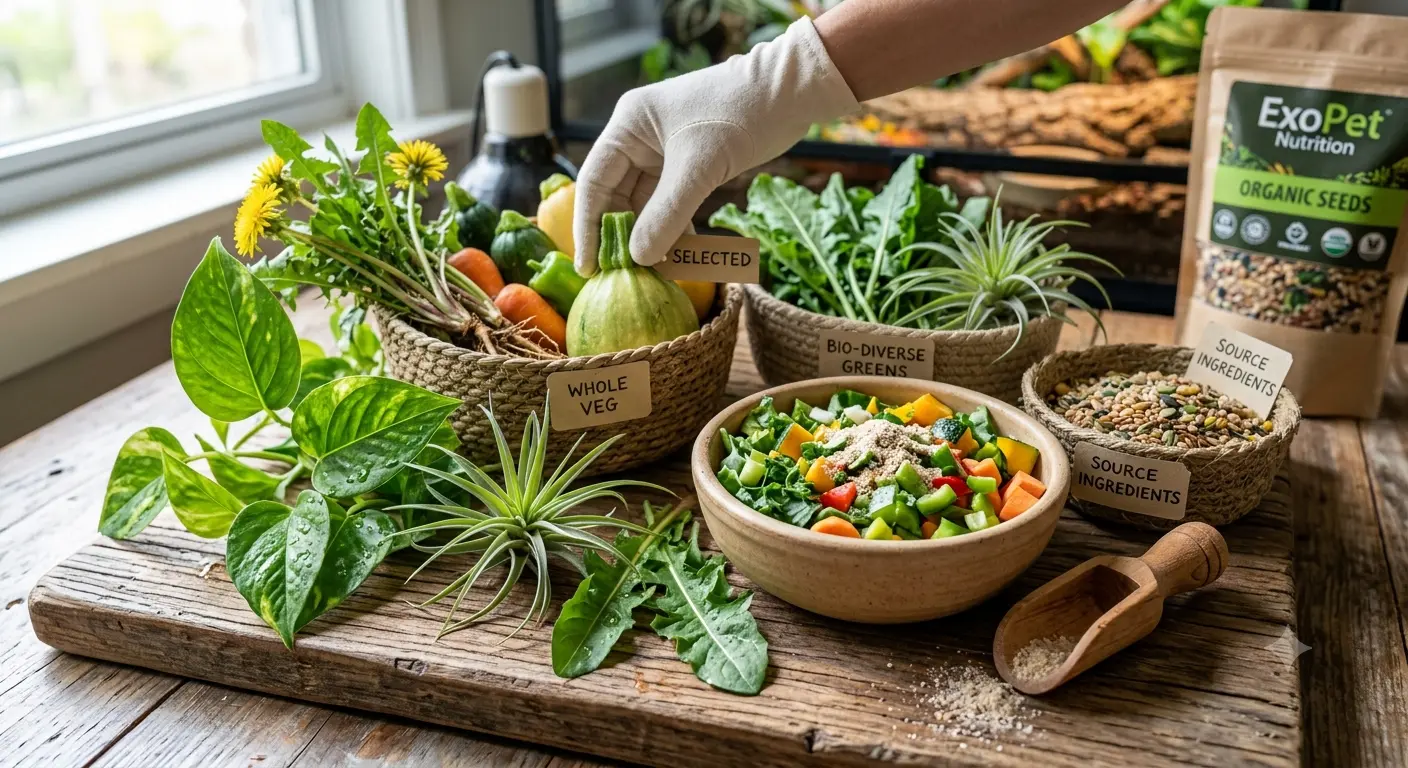
Implementing Long-Term Dietary Success
Ultimately, keeping an exotic species healthy requires moving away from processed shortcuts and embracing biological reality.
By strictly managing macro-nutrients, tracking calcium absorption, and maintaining proper hydration, you prevent the vast majority of captive illnesses.
To view real-world breakdowns of various commercial formulations and their chemical analysis, please read our comprehensive Ultimate Pet Nutrition Honest Reviews guide for a deeper diagnostic perspective.
Consulting with certified veterinary bodies like the Association of Reptile and Amphibian Veterinarians (ARAV) ensures your husbandry techniques remain scientifically grounded.
Dedication to dietary excellence is the single greatest gift you can provide to the extraordinary creatures living under your care.
Frequently Asked Questions
How often should I use calcium supplements with Vitamin D3?
For most young, rapidly growing exotic reptiles, calcium with D3 should be applied to their food 2 to 3 times per week. For fully mature adults, reducing this frequency to once per week or once every two weeks is generally recommended, provided high-quality UVB lighting is present inside the enclosure.
Can I feed my exotic pet wild insects caught in my backyard?
No, you should never feed wild-caught insects to your pets. Wild insects routinely carry dangerous environmental pesticides, heavy metals, and internal parasites that can quickly compromise your animal’s health. Always source your live food from certified commercial breeders.
What are the primary signs of nutritional deficiencies in reptiles?
Early warning indicators of poor Pet Nutrition include chronic lethargy, sudden muscle tremors, soft jawbones, and a noticeable swelling of the hind legs. If you observe any of these alarming physical signs, you must consult an experienced exotic veterinarian immediately to stabilize their mineral balances.