
Navigating the world of exotic aquatic pets can be both incredibly thrilling and mildly overwhelming for beginners. Among the most fascinating creatures gaining global popularity today is the Mexican walking fish, celebrated for its permanent larval characteristics and smiling expression. However, making the transition from admirer to owner requires deep knowledge and meticulous planning before finalizing your decision.
If you are seriously considering Buying Axolotl specimens for your home setup, understanding their biology is your absolute first priority. These unique amphibians are not standard fish; they are entirely aquatic salamanders that thrive under precise husbandry standards. Without a solid foundational grasp of their distinct environmental requirements, newly acquired individuals can deteriorate rapidly under suboptimal conditions.
Prospective keepers often fall in love with their external aesthetic without evaluating the logistical realities of long-term care management. This comprehensive guide serves as an analytical blueprint designed to optimize your purchasing journey and tank preparation strategies. By adhering to verified biological guidelines, you ensure a smooth transition for your new pet from the breeder to your display tank.

Essential Preparation and Biological Realities
Before bringing an aquatic salamander home, the overarching nitrogen cycle of your aquarium must be entirely established and stable. A common mistake made by enthusiastic hobbyists is purchasing an animal on impulse while simultaneously buying their very first glass aquarium. This dangerous approach frequently leads to critical chemical fluctuations that cause severe physiological stress or fatal toxicity.
An ideal environment requires a minimum of twenty gallons for a single adult specimen, though larger volumes provide superior stability. Water temperature must remain consistently cool, ideally hovering between sixty and sixty-four degrees Fahrenheit throughout the year. High temperatures stimulate metabolic stress, which suppresses immune functionality and leaves your delicate pet highly vulnerable to opportunistic fungal infections.
Substrate selection is another heavily debated topic among professional breeders and long-time community keepers across the globe. Fine aquarium sand is generally safe for adults, whereas coarse gravel poses a severe risk of life-threatening intestinal impaction. Juveniles should be kept in bare-bottom enclosures exclusively to eliminate any accidental ingestion of debris during aggressive feeding sessions.
Selecting a Healthy Specimen: What to Observe
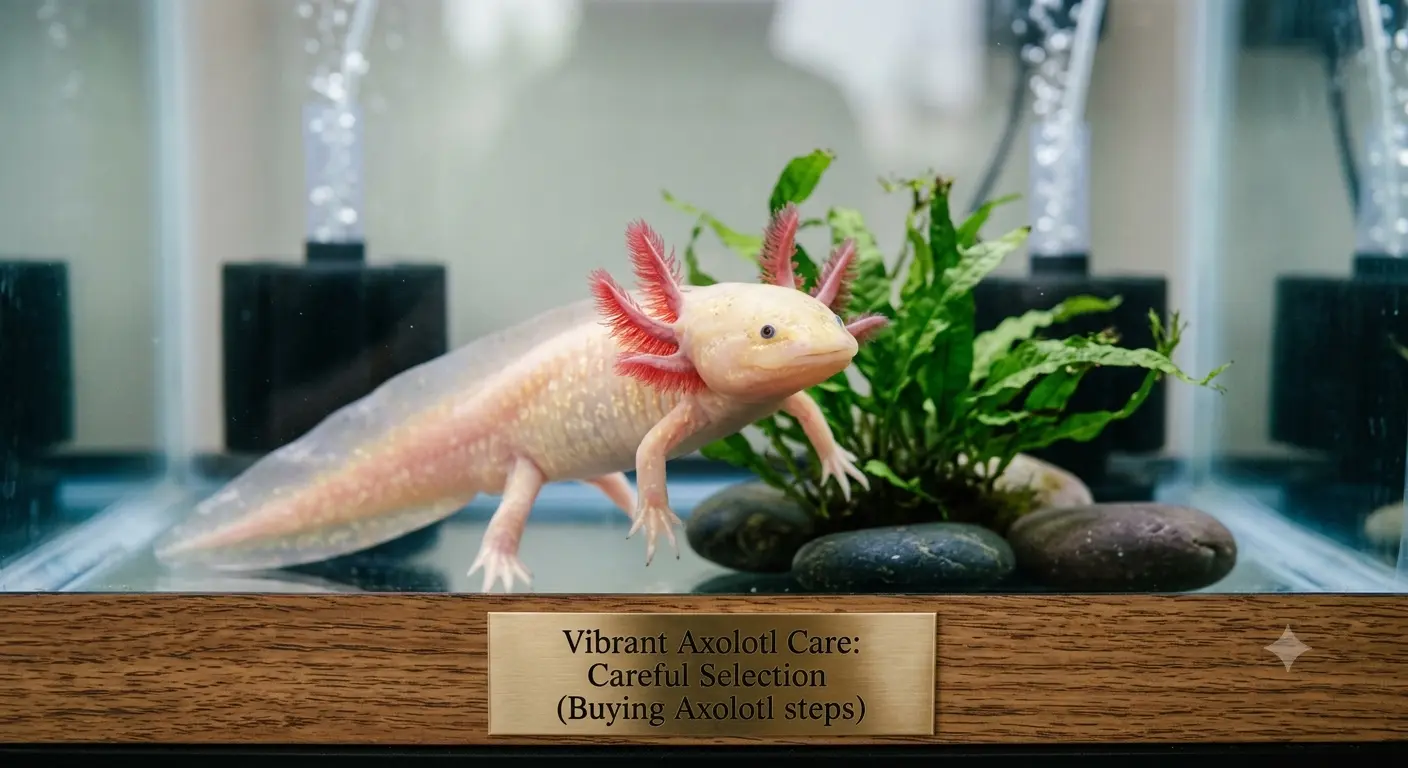
When you find yourself actively Buying Axolotl variants from local pet stores or specialized online vendors, visual health checks are non-negotiable. Inspect the gill filaments carefully; they should look lush, feather-like, and vibrant rather than thin, deteriorated, or covered in white fuzz. Pale, curling gill tips often signal acute environmental distress or poor water conditions in the holding tank.
Examine the body profile for appropriate weight distribution, ensuring the abdomen is roughly as wide as the creature’s head. A noticeably thin or emaciated body points directly to systemic parasitic issues, prolonged starvation, or structural metabolic bone disease. Furthermore, check the skin surface meticulously for any signs of open lesions, unexplained missing limbs, or unusual slime coat sloughing.
Healthy individuals are typically responsive to movement outside the glass, even though they spend considerable time resting peacefully on the bottom. Avoid selecting specimens that appear excessively lethargic, float uncontrollably at the surface, or panic frantically when exposed to standard room lighting. Observing normal forward locomotion and active reactions during feeding times provides excellent assurance of general health and vitality.
A Veteran’s Chronicle: Learning Through Silent Hardship
Water parameters looked absolutely immaculate on my test strips that damp Tuesday morning.
My newly arrived leucistic companion, whom I affectionately named Barnaby, sat completely motionless behind a large piece of artificial slate while his feathery pink appendages began curling forward in an alarming, unnatural posture that sent an immediate shock of pure panic straight through my chest. I felt utterly helpless as I watched him refuse premium imported earthworms for four consecutive days while the local forum experts kept repeating generic advice about basic water changes that accomplished absolutely nothing to alleviate his visible distress. My anxiety spiked significantly because I had meticulously followed every standard manual available, yet my pristine display tank was rapidly becoming a silent, heartbreaking failure.
I decided to remove the expensive commercial internal power filter entirely and switched to a basic, low-flow air-driven sponge setup by pure accident when the main pump motor suddenly burned out.
Barnaby relaxed almost instantly. The unseen culprit was the subtle, relentless surface vibration from the heavy mechanical impeller generating massive hidden stress waves that were driving him completely insane. Within forty-eight hours, his gills unfurled beautifully, his natural curiosity returned, and he aggressively snapped up food directly from my plastic feeding tongs as if the previous week of terrifying starvation had never even happened.
Genetic Morphs and Financial Considerations
The financial aspect of your new hobby extends far beyond the initial cost of purchasing the actual animal itself. While wild-type and basic albino morphs remain highly affordable, rare genetic variations command premium prices within the international collector community. Understanding these variations helps you budget effectively while managing expectations regarding long-term care costs and gear upgrades.
High-end color morphs such as copper, mosaic, or green fluorescent protein (GFP) variants require sophisticated breeding techniques to stabilize cleanly. Consequently, specialized reputable breeders invest significant resources into genetic tracking to prevent harmful inbreeding depression across generations. When safely Buying Axolotl morphs online, prioritizing transparent lineage documentation over cheap pricing secures a much hardarier companion.
Additionally, factoring in long-term operational costs like high-quality aquarium chillers, water conditioners, and frozen foods is utterly essential for success. A dedicated chiller can easily cost several hundred dollars but remains mandatory if your living space lacks reliable air conditioning. Budgeting for these hidden essentials ahead of time prevents unexpected financial strain later down the road.
| Morph Variant | Rarity Level | Visual Traits | Average Price Range |
|---|---|---|---|
| Wild Type | Common | Dark brown/green with golden flecks | $20 – $40 |
| Leucistic | Common | Pinkish-white body with dark eyes | $30 – $50 |
| Albino (White/Golden) | Moderate | Pure white or yellow body, clear eyes | $40 – $75 |
| Copper | Uncommon | Light brown-pink with copper spotting | $75 – $150 |
| GFP / Mosaic Morphs | Rare | Glows under UV light / Mixed patterns | $200 – $500+ |
Dietary Frameworks and Nutritional Requirements
Maintaining proper nutrition is the cornerstone of keeping your aquatic pet thriving for its full lifespan of ten to fifteen years. These carnivorous amphibians rely heavily on their highly developed sense of smell and lateral line systems to detect prey movements. In captivity, their diet should consist primarily of earthworms, nightcrawlers, and specially formulated high-protein sinking pellets.
Avoid feeding live feeder fish regularly because they often carry dangerous pathogens and parasites that transmit directly to your salamander. Bloodworms are excellent for growing juveniles but lack the comprehensive nutritional profile required to sustain full-grown adults long-term. Always remove any uneaten food items within an hour of feeding to keep your tank water pristine.
For more creative inspiration and expert naming guides once you complete your setup, check out our comprehensive list of clever names for an axolotl to give your new pet a perfectly fitting identity. Giving your aquatic companion a meaningful title elevates the entire ownership experience from day one.

Legal Restrictions and Ethical Sourcing Standards
Before moving forward with your transaction, checking local wildlife regulations in your specific state or country is critically mandatory. Due to environmental concerns regarding potential ecosystem disruption, owning these creatures is strictly illegal in regions like California, New Jersey, and parts of Canada. Violating these conservation statutes can result in heavy fines and immediate confiscation of your beloved animal.
Ethical sourcing is equally vital; always verify that your chosen vendor sells exclusively captive-bred specimens from managed facilities. Wild populations are currently critically endangered in their native habitat of Lake Xochimilco due to heavy urbanization and pollution. Supporting ethical breeders protects wild conservation efforts while ensuring your pet has spent its entire life adapting seamlessly to home aquaria.
Consulting official global databases can provide immense clarity regarding ethical standards and veterinary care requirements for exotic amphibians. For instance, the Association of Reptile and Amphibian Veterinarians (ARAV) offers an invaluable directory of specialized medical professionals equipped to treat unique aquatic patients. Securing a qualified vet before an emergency occurs is a hallmark of truly responsible exotic pet ownership.
Concluding Your Purchasing Journey Accurately
Stepping into the world of exotic amphibian keeping is a profoundly rewarding venture if approached with patience, humility, and rigorous scientific preparation. By carefully vetting your supplier, cycling your filter system thoroughly, and managing thermal parameters perfectly, your entry into the hobby will be a triumph. Take your time, invest in premium equipment, and always prioritize the biological well-being of the animal above all else.
Remember that Buying Axolotl specimens places a long-term responsibility squarely on your shoulders as an ethical keeper. With the right configuration, customized nutrition, and a peaceful environment free from strong filter currents, your miniature water dragon will thrive gloriously for many years to come. Enjoy every step of this aquatic adventure!