
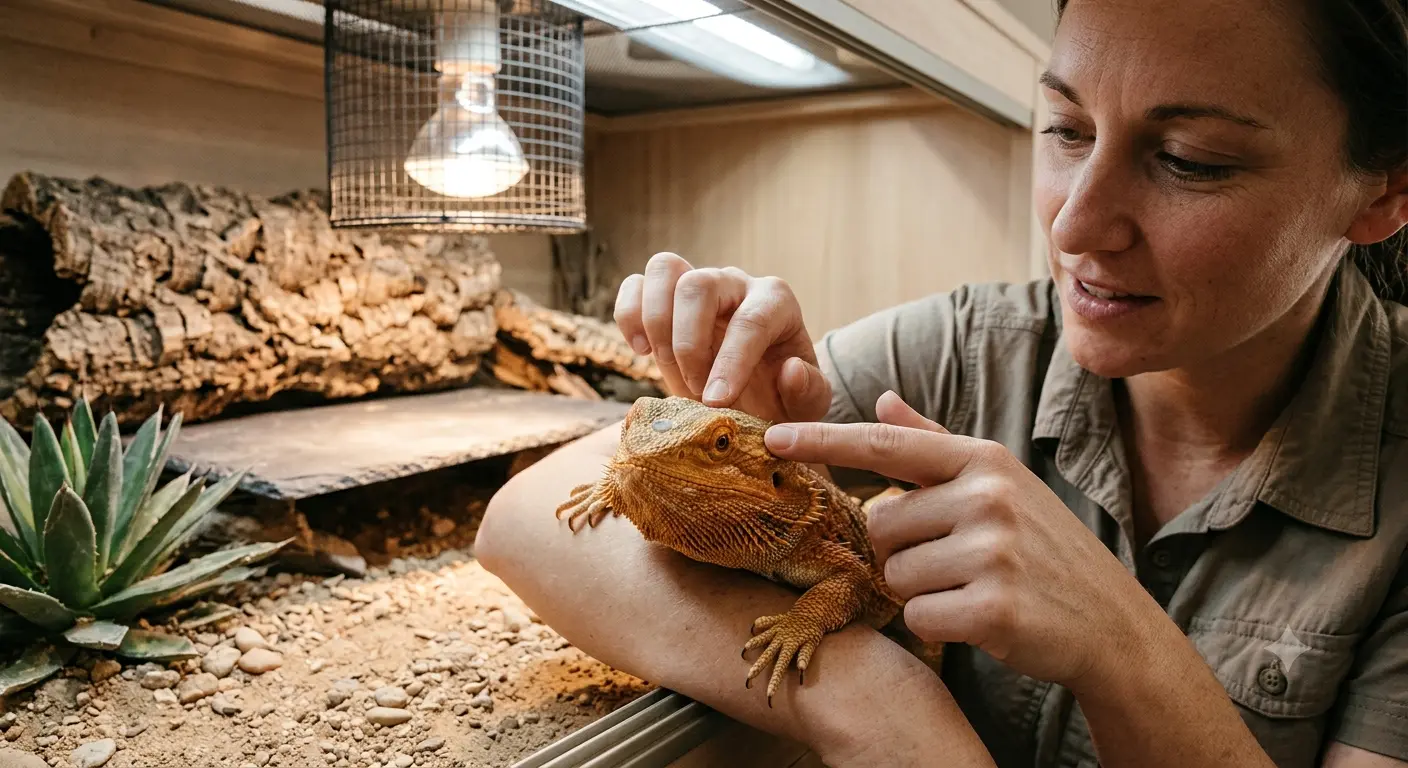
Imagine sliding your finger gently across the crown of your exotic pet, admiring its magnificent prehistoric scales. Suddenly, you notice a tiny, pale, translucent spot right in the center of its head, resembling a small gemstone. You wonder: can you touch a bearded dragons third eye safely without causing pain or sudden defense reactions?
No, you should never directly touch this delicate area because it can easily startle your reptile and trigger a natural fear response. While a gentle brush nearby during an occasional head scratch might not cause physical harm, direct pressure induces significant stress. Protecting this specialized sensory organ is vital for keeping your scaly companion healthy, calm, and feeling secure in its terrarium.
Understanding the biology of your reptile helps you make informed choices about handling techniques. This distinct anatomical feature on top of their skull is not a standard eye with a colorful iris, but rather an ancient solar sensor. Let us dive deep into the science, safety rules, and daily care practices surrounding this fascinating part of your pet’s body.
What is the Reptilian Parietal Eye?
The specialized spot on top of their skull is scientifically known as the parietal eye or pineal eye. This structure contains a primitive lens and retina-like cells connected directly to the pineal gland inside the brain. Unlike the two primary eyes on the sides of the face, it does not formulate detailed visual images or recognize specific faces.
Instead, this organ registers subtle changes in light, solar radiation levels, and moving shadows across the environment. In the wild deserts of Australia, this biological mechanism functions as an integrated compass and early warning radar system. It tells the animal exactly when the sun rises, when to seek shade, or when a hungry bird flies overhead.
Because it lacks a protective eyelid, this area remains highly vulnerable to dirt, scratches, and human fingers. If you try to see if can you touch a bearded dragons third eye safely, you will immediately notice how sensitive it is. Even a tiny shadow passing over this spot causes the animal to duck down or flatten its body defensively.
The Biological Functions of the Third Eye
This optical structure regulates the daily biological rhythms and hormonal balances of your companion. By measuring the intensity of light, it controls the production of melatonin, which dictates sleep cycles and seasonal brumation patterns. Without a functioning sensory spot, your reptile would struggle to navigate its daily environmental changes properly.
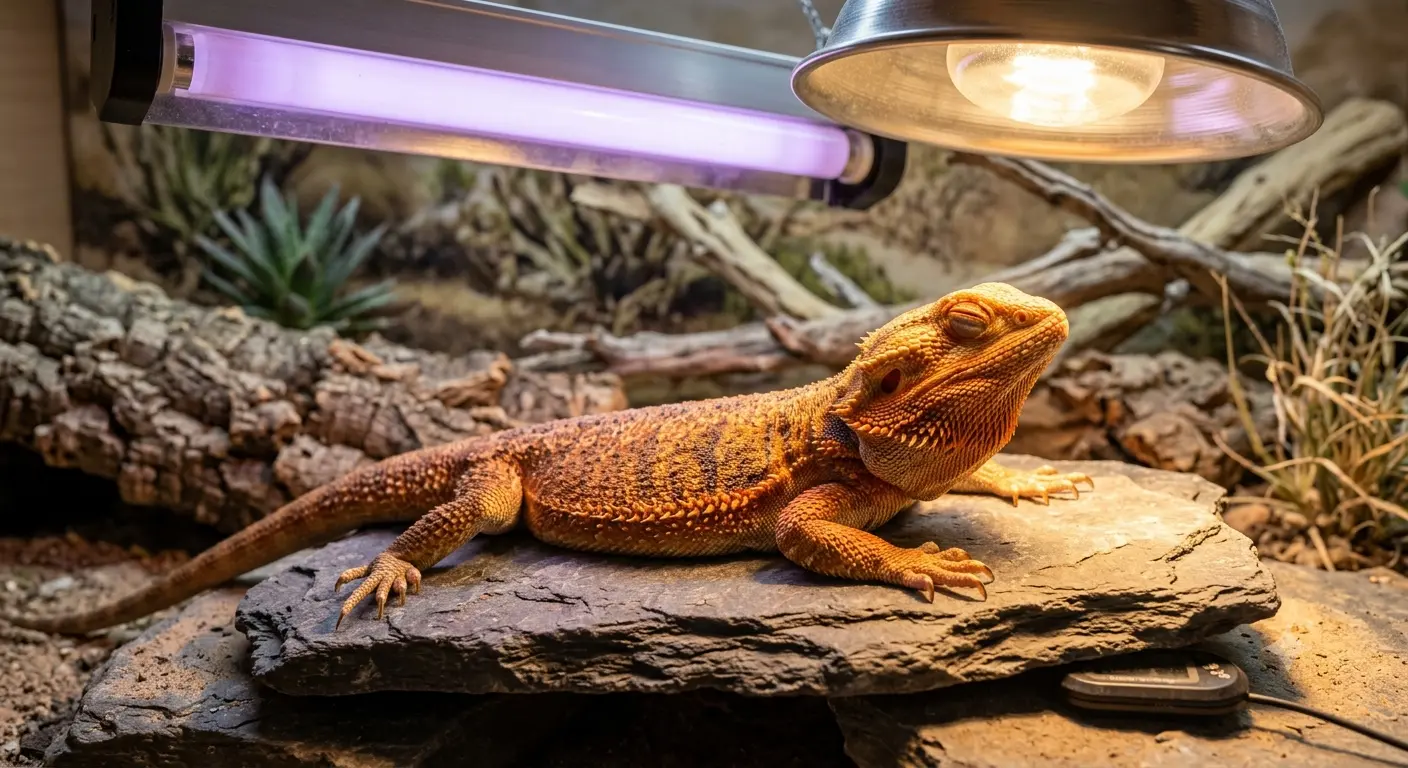
Furthermore, it plays a vital role in sun-basking behavior and thermal regulation inside an enclosure. Your pet relies on this sensor to determine if the UVB lighting and heat gradients are sufficient for its metabolic needs. It acts like a thermostat, prompting the lizard to move closer to or further away from heat lamps.
In terms of survival, this light-sensing spot serves as a primary defense mechanism against airborne predators. In their natural habitat, hawks and eagles attack from directly above, making top-down vision crucial. When your hand approaches from above, the sudden block of light stimulates an emergency flight-or-fight response in the lizard’s brain.
Why Direct Touching Causes Sudden Reptile Stress
When you touch this specific area on the head, the lizard feels vulnerable and immediately senses danger. Because the sensor is hardwired to detect overhead threats, manual pressure simulates the claw of a swooping bird. This sudden shock spikes cortisol levels, causing unnecessary anxiety and weakening the animal’s immune system over time.
Repeatedly poking or tapping the top of the skull can ruin the trust you have built with your pet. Physical contact can also introduce harmful bacteria or skin oils onto the delicate, translucent scale protecting the lens. This can cause localized inflammation or interfere with the organ’s ability to measure light waves accurately.
If you are still wondering if can you touch a bearded dragons third eye safely, consider their defensive instincts. A stressed lizard might hiss, blacken its beard, or even nip at your hand if it feels cornered. Gentle interaction should always respect their unique anatomy to ensure they feel safe in your home.
How to Correctly Pet Your Companion
Petting your scaly friend can be a highly rewarding experience for both of you when done correctly. The safest areas to stroke are along the back, under the chin, and on the sides of the cheeks. Always approach the lizard from the front at eye level so they can clearly see your hand moving toward them.
Avoid approaching from directly overhead, as this casts a scary shadow over their dorsal sensor. Slow, deliberate movements help the animal realize that you are a friend rather than a dangerous predator. If they close their regular eyes while you stroke their cheeks, it typically means they are comfortable and relaxed.
You can gently scratch the back of their head or neck, provided your fingers stay clear of the central scale. Keeping your hand low and visible reduces stress and strengthens the bond between you and your reptile. For more detailed insights into handling behaviors, check out our comprehensive guide on bearded dragon third eye secrets.
An Overview of Head Structures
To help you understand the anatomy of your pet’s head, we have compiled a comparison matrix. This table highlights different areas on the skull, their primary functions, and how to handle them safely during your interaction sessions.
| Head Structure | Primary Function | Handling Safety Guidelines |
|---|---|---|
| Parietal Eye (Center) | Light detection, thermoregulation, predator alerts | Do not touch; avoid blocking light abruptly from above. |
| Lateral Eyes (Sides) | Wide-angle vision, hunting, recognizing movement | Approach at this level so the lizard can see you coming. |
| Spiny Beard & Chin | Communication, puffing displays, sensory feeling | Very safe to stroke gently; many lizards enjoy chin rubs. |
| Tympanum (Ear Holes) | Hearing ambient sounds and vibrations | Never poke or pour water near these open structures. |
A Lesson Learned the Hard Way
When I first brought home my very first central bearded dragon, a lively juvenile I named Spike, I was completely captivated by his alien-like features. One quiet Tuesday afternoon, I noticed that tiny, shiny spot on the crown of his head. Wanting to connect with my new pet, I reached straight down from the top of the enclosure to give it a gentle poke, curious to see how he would react to a fingertip touch.
Instantly, Spike went into absolute panic mode, flattening his small body like a pancake and dashing frantically across the loose substrate. His throat turned a deep, dark color, and he hid inside his plastic cave for the rest of the day, refusing his favorite dubia roaches. I felt terrible, realized my mistake, and decided to try a different approach by reading standard reptile care forums online.
The advice I found suggested using a small, soft-bristled toothbrush to gently clean his head scales during his weekly warm baths. I tried this method carefully, hoping it would soothe him, but he still flinched every time the bristles neared the center of his skull. It became clear that any object approaching that specific zone from above triggered his deep-seated survival instincts.
Eventually, I discovered the best solution quite by accident while resting my hand flat on the bottom of his tank. Spike walked over on his own terms, climbed onto my palm, and let me rub the soft skin right under his chin. By keeping my movements low and avoiding that sensitive sensory spot altogether, we built a wonderful bond of mutual trust that lasted for years.
Shedding Skin on Head and Care Tips
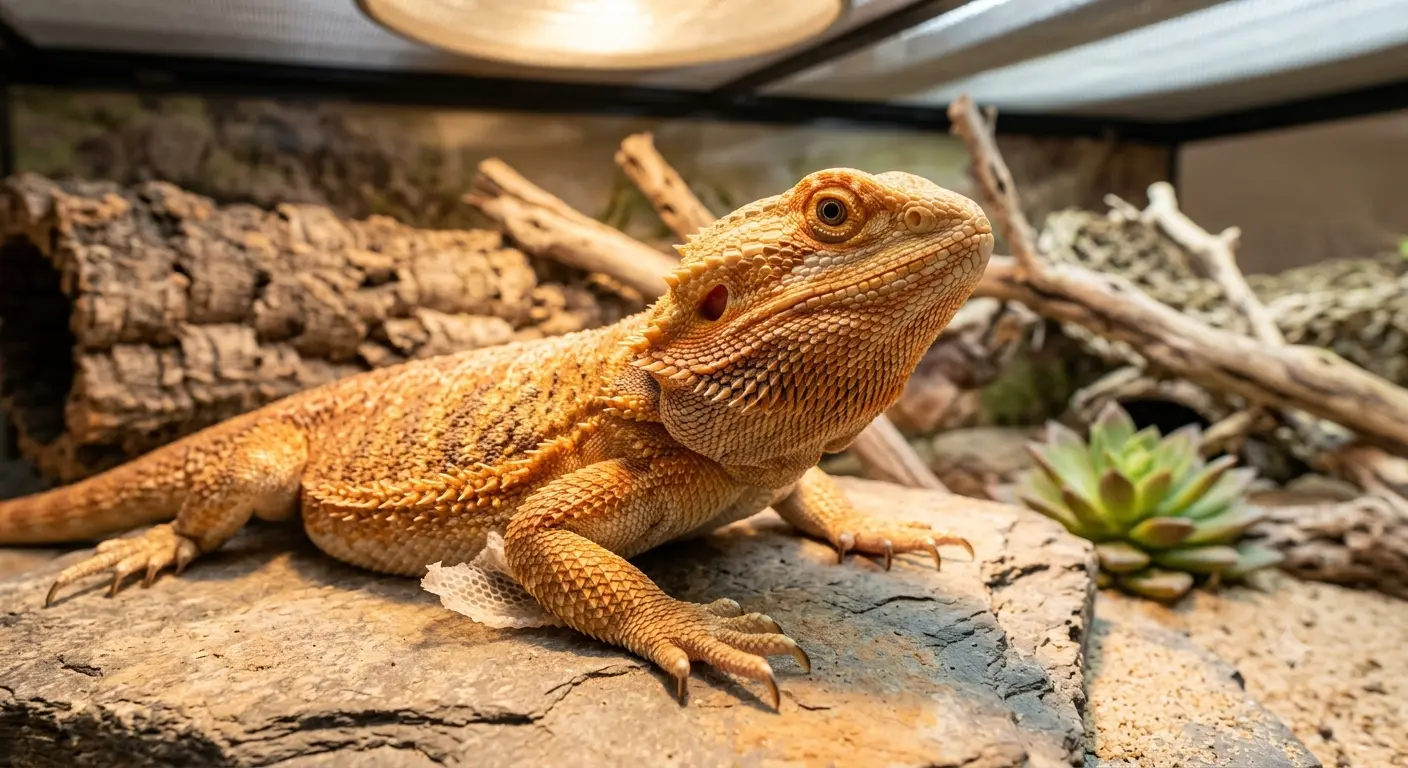
During the shedding process, the skin on top of the head can become tight, dry, and uncomfortable for your pet. You might notice the area around the sensory spot turning a dull, chalky white color. It can be tempting to pick at the loose pieces, but doing so can damage the new scales underneath.
Instead of pulling the skin, provide a shallow warm bath to help naturally loosen the stuck pieces. You can also mist the enclosure slightly to bump up the humidity levels safely for a short duration. Providing rough decorative surfaces like driftwood or slate rocks allows the lizard to rub off the dead skin safely on its own.
Keep a close eye on the translucent scale of the parietal organ during a shed to ensure it comes off completely. Retained skin can constrict blood flow or block light, disrupting the animal’s natural biological clock. If stuck skin persists for multiple weeks, consult an exotic veterinarian for assistance.
Final Thoughts on Handling Safety
In conclusion, while you might wonder can you touch a bearded dragons third eye safely, doing so goes against the natural instincts of your exotic pet. Respecting this incredible sensory organ ensures your lizard remains happy, active, and stress-free in its habitat. By focusing your handling efforts on safe areas like the chin and cheeks, you will enjoy a wonderful relationship with your companion for years to come.