
As dedicated reptile keepers, we constantly strive to provide the most vibrant, nutrient-dense diet for our beloved scaly companions. Watching a lizard eagerly approach a colorful treat brings immense joy, yet it also triggers essential safety questions regarding tiny plant structures. When introducing fresh berries, many owners wonder: Can Bearded Dragons Eat Strawberry Seeds safely without developing severe health issues over time?
Yes, bearded dragons can safely consume strawberry seeds as they are tiny, soft, and pass naturally through a healthy reptile’s digestive tract without causing impaction. However, strawberries themselves must only be served as an occasional treat due to their high sugar content and skewed calcium-to-phosphorus ratio.
Understanding the exact mechanics of reptile digestion ensures that your pet remains thriving, energetic, and completely free from gastrointestinal complications. While the small achenes resting on the outer flesh of the berry are entirely harmless, the overall fruit requires strict portion control to maintain optimal metabolic health.
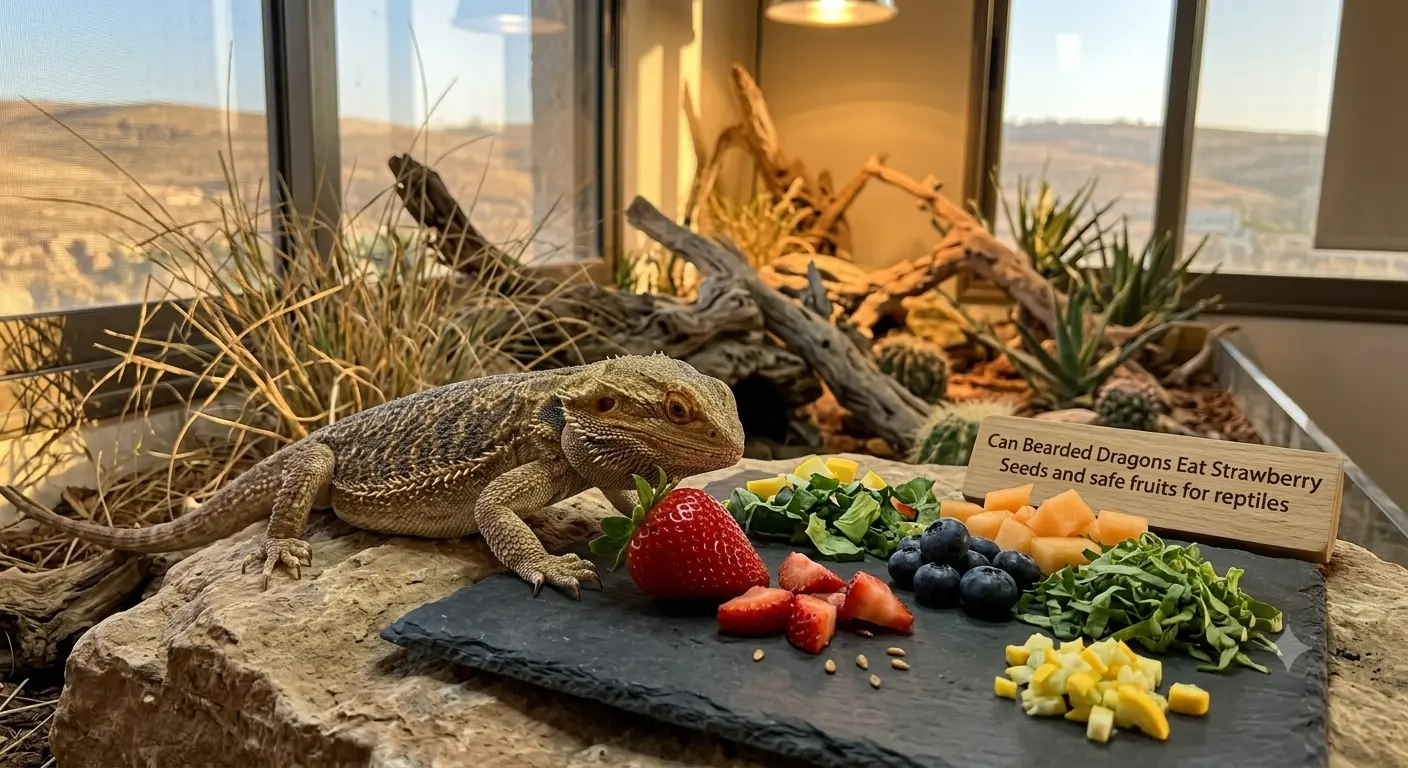
Can Bearded Dragons Eat Strawberry Seeds and Digest Them Safely?
The primary concern regarding fruit consumption revolves around the physical risk of intestinal blockage, medically known as impaction in captive reptiles. When asking if Can Bearded Dragons Eat Strawberry Seeds, owners must evaluate the structural hardness and size of these tiny botanical elements compared to larger hazards like cherry pits.
Fortunately, the minuscule structures embedded on the surface of strawberries are not true seeds but rather individual ovaries containing tiny seeds. These components are remarkably soft, flexible, and small enough to navigate the complex curves of the lizard’s intestinal system without slowing down motility.
Unlike the hard, thick-hulled seeds found in watermelons or apples, these delicate outer particles present no immediate structural threat to a fully grown adult lizard. The gastric juices within the stomach can easily process the surrounding organic matrix, allowing the remaining roughage to pass smoothly into the stool.
Nutritional Breakdown: Benefits and Risks of Strawberries
While establishing that Can Bearded Dragons Eat Strawberry Seeds brings peace of mind, the actual flesh of the fruit demands deep scrutiny. Strawberries offer a generous dose of essential vitamins and hydration, which can actively support cellular function and boost the immune system when offered sparingly.
They are particularly packed with Vitamin C, antioxidants, and water, helping to maintain hydration levels during hot summer months or shedding cycles. These microelements promote skin elasticity, assist in tissue repair, and protect cells against harmful oxidative damage that could trigger chronic illness.
However, the nutritional profile of this sweet treat carries significant drawbacks that prevent it from becoming a staple green in the daily salad bowl. The high sugar content can easily disrupt the delicate gut microbiome of your pet, leading to rapid bacterial fermentation, gas, and severe diarrhea.
Furthermore, the high phosphorus level present in the fruit binds directly with calcium, preventing the proper absorption of this vital mineral in the gut. Over time, a diet heavy in phosphorus can deplete calcium reserves, putting your reptile at risk of developing Metabolic Bone Disease.
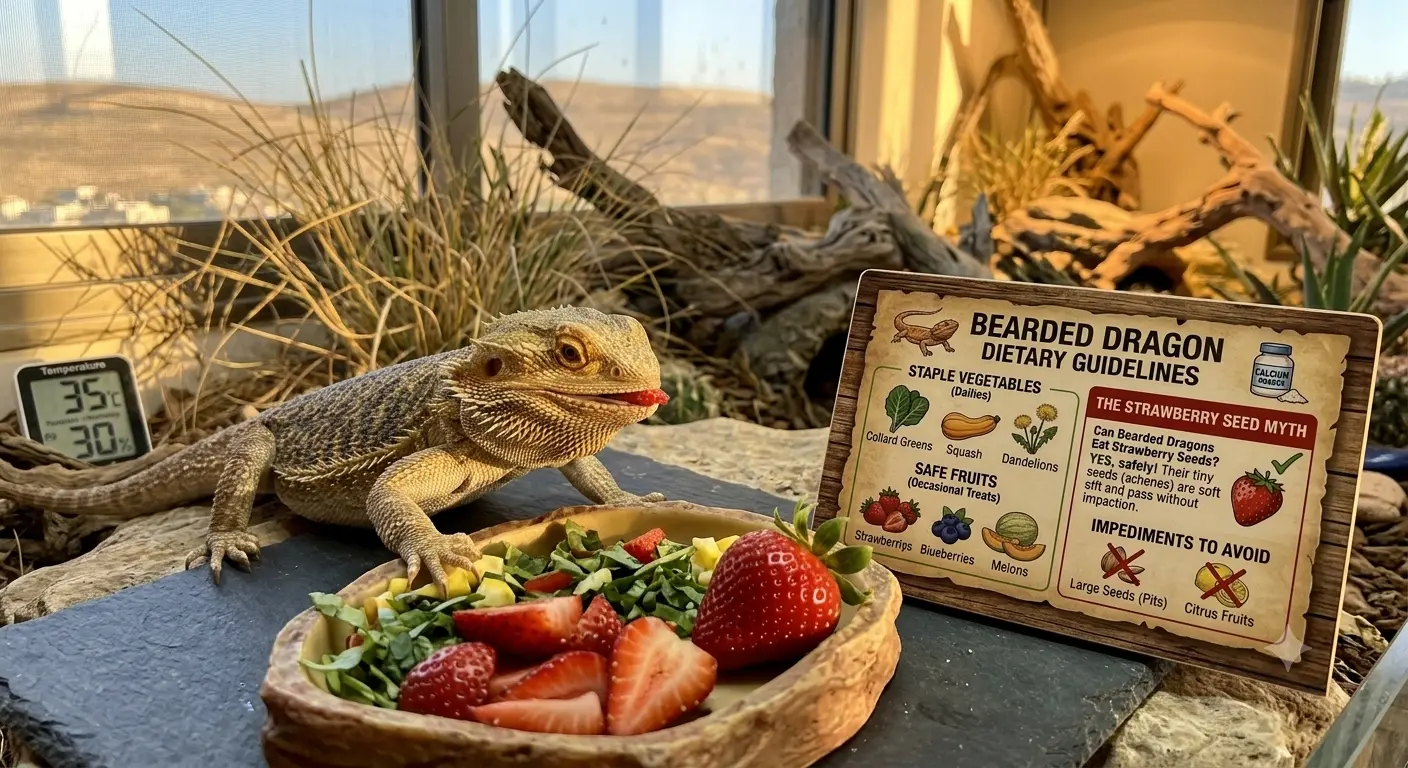
The Calcium to Phosphorus Ratio Challenge
Reptiles require an ideal dietary calcium-to-phosphorus ratio of 2:1 to maintain strong bone structures and proper muscle function throughout their lives. Strawberries present a highly inverted ratio of approximately 1:1.5, which actively works against the physiological needs of your scaly companion.
When phosphorus dominates the digestive system, it forms insoluble calcium phosphate complexes, rendering the available calcium entirely useless to the body. Therefore, every single serving of this fruit must be heavily dusted with a high-quality calcium supplement to neutralize the negative balance.
Intestinal Impaction: The Hidden Hazard of Seeds
Intestinal impaction remains one of the most common and preventable conditions treated by specialized exotic veterinarians globally. When assessing whether Can Bearded Dragons Eat Strawberry Seeds, it is crucial to recognize how hydration and ambient temperatures affect gut motility.
If a reptile is chronically dehydrated or kept in an enclosure with inadequate basking temperatures, its digestive tract slows down dramatically. Under these suboptimal conditions, even relatively small particles can accumulate within the bowels, forming a solid mass that blocks feces.
To support your lizard’s natural ability to pass these tiny elements, you must maintain a pristine basking zone between 100°F and 105°F. Proper thermal energy allows the smooth muscles of the stomach and intestines to contract efficiently, moving food particles along without any risk of stagnation.
For more details on managing the foundational fruit intake for your pet, read our comprehensive guide on bearded dragons eat strawberries to optimize their weekly meal plans perfectly.
A Real Reptile Journey: Lessons from the Food Bowl
Living with a mature central bearded dragon brings unexpected daily adventures that quickly shatter conventional textbook expectations. A few seasons ago, my companion began completely ignoring the fresh mustard greens and chopped squash that usually disappeared within minutes each morning. This stubborn refusal went on for three days, causing an immense wave of anxiety as I checked temperatures and adjusted humidity dials repeatedly.
Desperate to encourage any form of nourishment, I placed a beautifully bright piece of soft red fruit right on top of the untouched greens. The reaction was instantaneous as the lizard lunged forward, grabbed the sweet treat, and deliberately flicked every single leaf of green out of the dish. It felt like a massive victory until the next morning brought a complete mess of runny, foul-smelling stools across the slate tile.
Realizing that the sudden rush of simple sugars had completely disrupted the internal balance, I spent the next week carefully soaking the greens in pure water. It took intense patience and multiple trials to rebuild a healthy routine, discovering that mashing a tiny sliver of fruit into the vegetables worked far better than offering large chunks. This journey taught me that managing the exact balance of treats requires constant observation rather than relying on quick fixes.
How to Prepare and Serve Strawberries Safely
To safely introduce this treat into your pet’s routine, you must follow strict preparation steps to eliminate external contaminants and chemical hazards. Commercial fruits are frequently coated in synthetic pesticides, wax, and fertilizers that can easily poison small exotic animals.
Always wash the fruit thoroughly under cold running water, scrubbing the outer surface gently to loosen any trapped debris around the achenes. Chop the berry into tiny, bite-sized pieces that are significantly smaller than the space between your pet’s eyes to prevent choking hazards.
Mix these small pieces thoroughly into a diverse salad consisting of nutrient-rich greens like collard greens, turnip tops, and dandelion leaves. According to veterinary guidelines published by the Association of Reptile and Amphibian Veterinarians (ARAV), proper dietary ratios and portion sizes are foundational to long-term exotic pet wellness.
| Fruit Type | Seed Safety Risk | Calcium:Phosphorus | Recommended Frequency |
|---|---|---|---|
| Strawberries | Extremely Low (Soft Outer Seeds) | 1 : 1.5 (Inverted) | Once every 2 weeks (As a treat) |
| Watermelon | High Risk (Remove Black Seeds) | 1 : 1.1 (Inverted) | Rarely (High water content) |
| Apples | Toxic Risk (Remove Cyanide Seeds) | 1 : 2.2 (Highly Inverted) | Occasionally (Peeled and minced) |
| Blueberries | Very Low (Tiny Internal Seeds) | 1 : 2.0 (Inverted) | Once a week (Rich in antioxidants) |
Conclusion: The Golden Rules for Fruit Treats
In summary, the specific question of Can Bearded Dragons Eat Strawberry Seeds can be answered with absolute confidence: the seeds are entirely safe. The real challenge lies in managing the high sugar levels and poor mineral balance inherent to the fruit itself over extended periods.
By treating this vibrant red fruit as a rare reward rather than a daily dietary staple, you protect your pet from obesity and bone disease. Always prioritize a foundation of high-calcium leafy greens, maintain optimal basking heat, and enjoy the wonderful experience of treating your companion responsibly.