
Direct Answer: Yes, asking is hedgehog poop dangerous is a valid concern because hedgehog droppings can transmit zoonotic bacteria such as Salmonella and Mycobacterium to humans, alongside potential internal parasites. While casual contact is generally low-risk for healthy adults, improper handling, poor cage hygiene, or lack of handwashing can pose significant health risks, especially to young children, elderly individuals, and immunocompromised owners.
African Pygmy hedgehogs have exploded in popularity as unique pocket pets across the world. Their adorable quill-covered bodies and inquisitive snouts captivate exotic pet enthusiasts everywhere.
However, beneath that endearing exterior lies a fast-moving digestive system that produces a surprising volume of waste daily. Many new owners quickly find themselves overwhelmed by the cleanup routine.
Understanding the medical and sanitary realities of exotic pet ownership keeps both you and your quilled companion safe. Let’s examine the biological risks, odor causes, and preventative cleaning protocols every keeper must master.
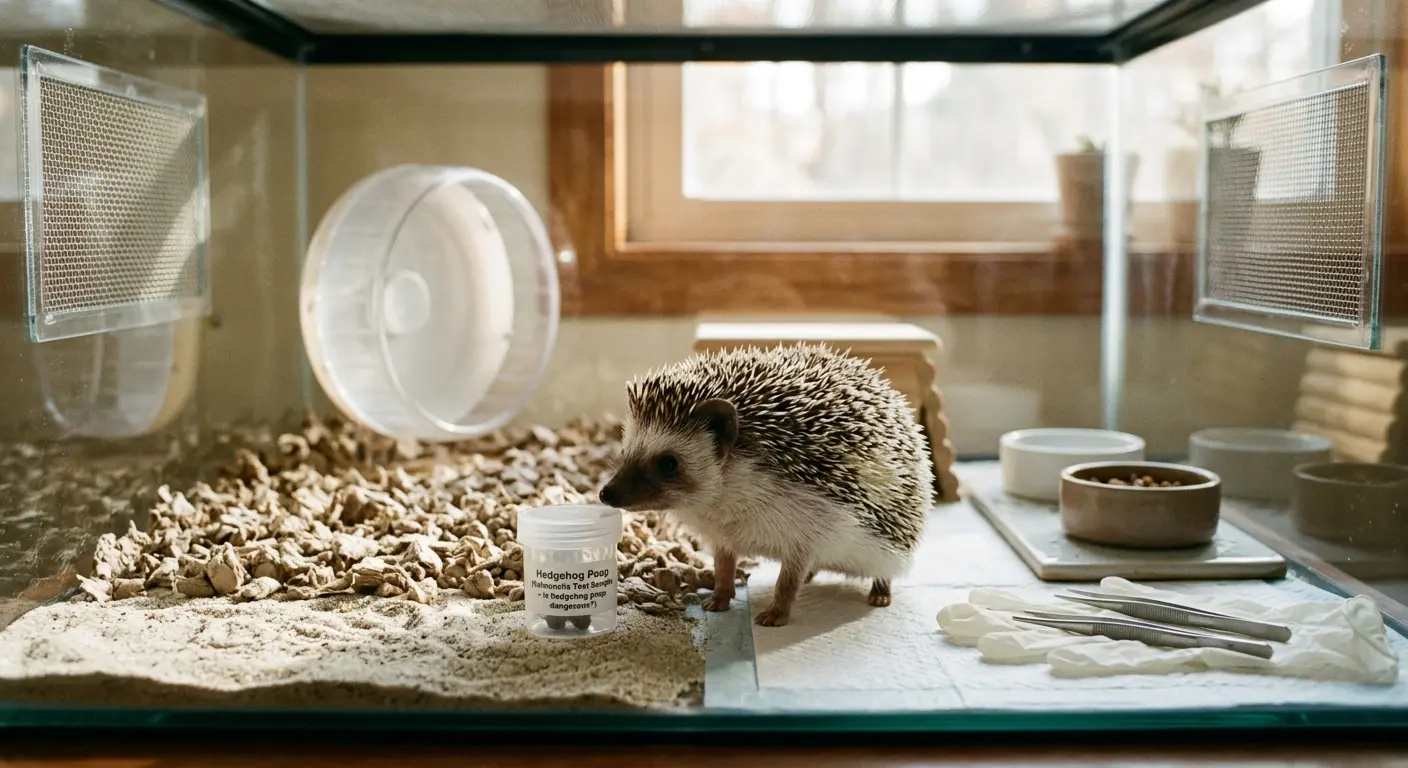
Evaluating the Health Risks: Is Hedgehog Poop Dangerous to Humans?
When asking is hedgehog poop dangerous, the primary medical concern centers around zoonotic pathogens. Zoonoses are diseases that naturally spread between animals and humans through direct or indirect contact.
Hedgehogs naturally carry certain microscopic organisms in their digestive tracts without showing any visible signs of illness. Consequently, an apparently healthy hedgehog can still shed harmful bacteria continuously into its habitat.
The primary pathogen responsible for human infection from hedgehog waste is Salmonella typhimurium. According to the Centers for Disease Control and Prevention (CDC), multi-state outbreaks of salmonellosis have repeatedly been linked directly to pet hedgehog contact.
In addition to bacterial threats, hedgehog droppings can harbor endoparasites such as Capillaria (lungworms) or Isospora (coccidia). While these parasites rarely infect humans directly, they destroy the hedgehog’s gut health and cause severe secondary bacterial blooms.
Furthermore, fungal spores and opportunistic microbes thrive in damp, dirty bedding mixed with fecal matter. Inhaling pulverized dry feces dust while cleaning neglected cages can trigger severe respiratory inflammation in susceptible owners.
Understanding the Main Drivers Behind Hedgehog Poop Smell
A sudden spike in hedgehog poop smell is frequently the first warning sign that something is amiss in your pet’s digestive ecosystem. Normal, healthy hedgehog droppings should be dark brown, firm, cylindrical, and relatively low in odor.
If your pet’s waste smells overpowering, metallic, or intensely foul, dietary imbalances are usually the chief culprit. High-fat commercial feeds or sudden dietary shifts disrupt the delicate gut microbiome severely.
Insects are a vital staple of a balanced hedgehog diet, but overfeeding high-fat feeder insects like mealworms or waxworms causes loose, highly pungent stools that cling to running wheels.
Environmental factors also play an enormous role in odor accumulation. High ambient room temperatures combined with elevated humidity transform moist fecal deposits into bacterial breeding grounds within hours.
To diagnose underlying causes of odor changes or consistency issues, explore our comprehensive hedgehog poop guide to evaluate healthy versus abnormal stool indicators accurately.
Mitigating the Hedgehog Salmonella Risk in Your Home
Minimizing the hedgehog salmonella risk requires strict adherence to personal hygiene and smart husbandry techniques. You do not need to live in fear, but you must remain consistently vigilant.
First and foremost, always wash your hands thoroughly with warm water and antibacterial soap immediately after touching your hedgehog, cleaning cage accessories, or handling food bowls. Hand sanitizers are acceptable in a pinch, but physical washing with soap is vastly superior.
Never allow your hedgehog to roam freely on surfaces where food is prepared, stored, or consumed. Kitchen countertops, dining tables, and food prep sinks must remain strict off-limits zones at all times.
When washing wheel attachments or litter trays, never use kitchen sinks or bathroom basins used by human family members. Wash equipment outdoors using a dedicated garden hose or inside a utility sink reserved strictly for pet care supplies.
Children under five years of age, adults over 65, and pregnant women should avoid direct contact with hedgehog waste entirely. Young immune systems are exceptionally vulnerable to severe salmonellosis complications, including severe dehydration and systemic infection.
Personal Reflection: Lessons Learned from Exotic Husbandry Missteps
Last autumn on a rainy Tuesday evening, my exotic room smelled like a swamp. Barnaby, my rescue quilled buddy, had decided his brand-new acrylic running wheel was the perfect canvas for a midnight marathon. I was exhausted from work. I grabbed a standard citrus disinfectant spray from the kitchen cupboard, wiped everything down quickly, and went straight to bed thinking the job was done.
Big mistake. By Thursday morning, Barnaby was lethargic, hiding under his fleece pouch with alarming dark green smears trailing across his fleece liner. Panic set in immediately. I rushed him to our specialized exotic vet, fearing the absolute worst. The lab results revealed a massive bacterial spike caused by harsh chemical irritation disrupting his skin and gut balance, compounded by incomplete sanitation of the wheel axles.
It took three grueling weeks of oral probiotic syringes, tedious steam cleaning at 6:00 AM every single morning, and complete adjustments to my cleaning agents to fix my laziness. That nerve-wracking ordeal taught me a profound lesson: short-cut sanitation methods always backfire, and patience is the most crucial tool in an exotic keeper’s arsenal.
Comparing Stool Indicators: What Healthy vs. Unhealthy Waste Looks Like
Determining whether is hedgehog poop dangerous to your pet’s survival depends largely on catching abnormal physical changes early through routine visual inspections. Monitoring texture, color, and frequency gives you a direct window into internal organ function.
Use the visual matrix below to evaluate your hedgehog’s daily droppings and take immediate corrective action when necessary:
| Stool Appearance | Likely Cause | Risk Level | Recommended Action |
|---|---|---|---|
| Firm, Dark Brown, Cylindrical | Healthy digestion & balanced diet | Low (Normal) | Maintain current feeding & cleaning routine. |
| Green & Slimy (Mucus) | Stress, sudden diet change, gut infection | Moderate to High | Isolate, review diet, consult vet if persisting > 24 hours. |
| Black, Tarry, Sticky | Upper gastrointestinal bleeding | Critical / Severe | Immediate emergency exotic veterinarian visit required. |
| Watery Diarrhea | Parasites, bacterial bloom, severe stress | High (Dehydration risk) | Provide fluid therapy support and seek vet care. |
| Contains Undigested Food | Rapid transit time, dental issues, organ strain | Moderate | Check teeth health, soften food, adjust meal textures. |
Step-by-Step Enclosure Sanitation to Eliminate Health Risks
To eliminate concerns regarding is hedgehog poop dangerous in your living space, implement a rigid daily and weekly sanitation schedule using pet-safe products.
Daily spot-cleaning prevents fecal accumulation from drying into stubborn crusts that harbour bacterial colonies and generate persistent odors throughout your home environment.
- Perform Daily Spot Checks: Remove solid waste from litter pans, running wheels, and fleece liners every morning using a dedicated poop scooper or disposable paper towels.
- Clean the Running Wheel Daily: Scrub exercise wheels thoroughly with warm water and mild, unscented dish soap. Exercise wheels collect “poop boots” as hedgehogs run while defecating.
- Execute Weekly Deep Cleanings: Strip all bedding completely every 7 days. Wash fleece liners in hot water with fragrance-free detergent and a cup of white distilled vinegar to neutralize ammonia completely.
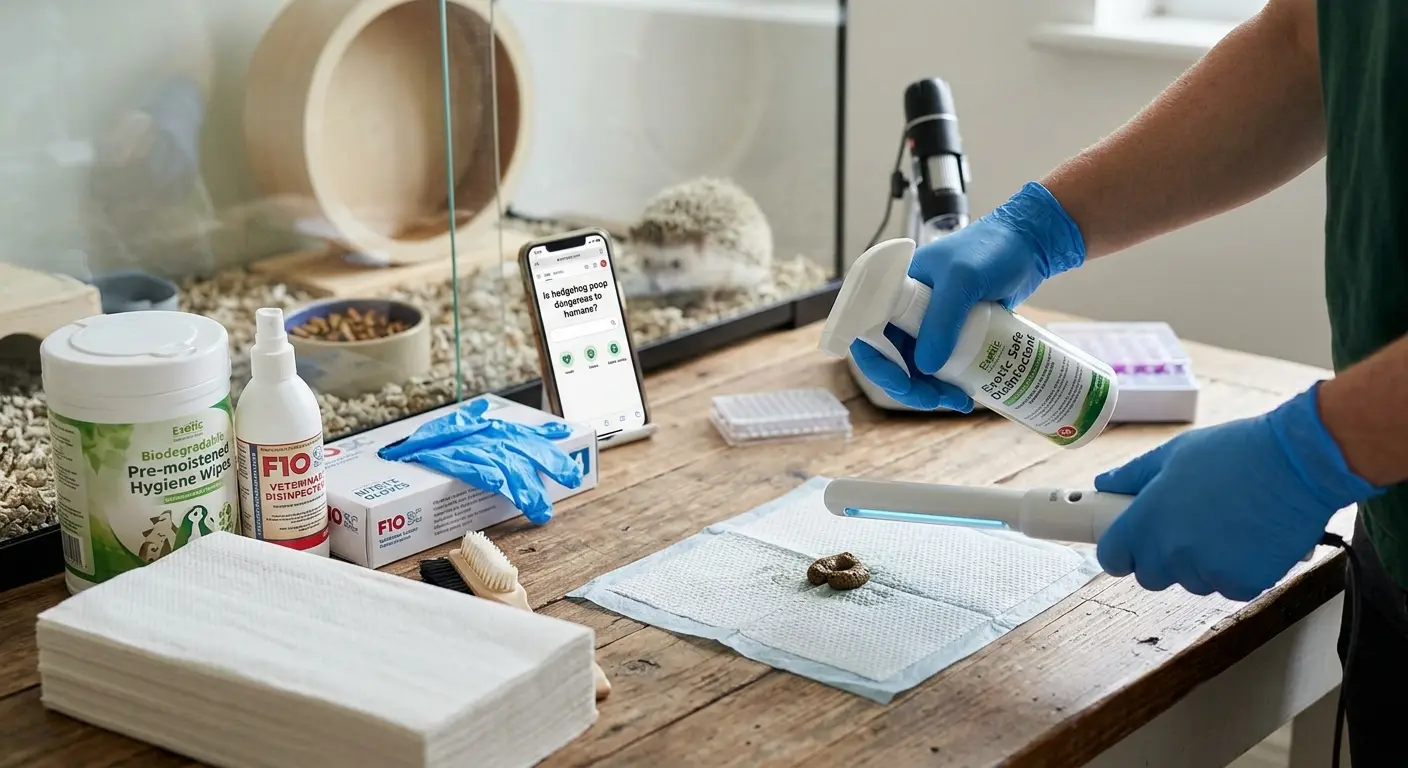
- Disinfect Hard Surfaces: Wipe down plastic habitats, hides, and toys with an exotic-safe disinfectant such as F10 SC or dilute chlorhexidine solution. Allow 10 minutes of contact time before drying.
When Fecal Changes Indicate a Veterinary Emergency
Even with meticulous hygiene, internal illness can strike quickly. Because hedgehogs are prey animals by nature, they instinctively hide symptoms of severe physical distress until infections reach advanced stages.
If you notice persistent watery diarrhea lasting more than 24 hours, you must seek professional veterinary help immediately. Small exotic pets dehydrate rapidly, leading to hypovolemic shock within hours.
Bright red blood or dark tarry waste indicates active gastrointestinal hemorrhaging. This critical condition requires urgent diagnostic bloodwork and stool flotation tests by a licensed exotic vet.
Additionally, if abnormal waste is accompanied by appetite loss, weight drops exceeding 10 grams, severe lethargy, or weakness in the hind legs, immediate medical intervention is essential to save your pet’s life.
Frequently Asked Questions About Hedgehog Waste Safety
Can human beings catch parasites directly from hedgehog droppings?
While most hedgehog endoparasites are species-specific, opportunistic protozoa like Giardia or Cryptosporidium can theoretically transfer to humans via accidental oral ingestion. Always wash your hands thoroughly after handling pet waste to eliminate transmission risks entirely.
Why does my hedgehog poop while running on its exercise wheel?
Physical movement naturally stimulates intestinal motility in hedgehogs. Running on a wheel warms up their muscles and accelerates digestive contractions, causing them to defecate frequently while exercising. Cleaning the wheel daily is an unavoidable part of exotic ownership.
Is it safe to compost pet hedgehog manure in my vegetable garden?
No, you should never use hedgehog manure in compost intended for edible food crops or fruit trees. Due to the high risk of carrying Salmonella bacteria and zoonotic pathogens, hedgehog waste should be bagged securely and disposed of in standard household trash bins.
How do I clean “poop boots” off my hedgehog’s delicate feet safely?
Fill a shallow basin or sink with one inch of lukewarm water and let your hedgehog wade in it for 5 to 10 minutes. The warm water gently dissolves hardened fecal matter stuck to their paws without needing harsh scrubbing. Wipe paws gently with a soft microfiber cloth afterward.
Final Verdict on Keeping Your Home Safe and Clean
In summary, evaluating is hedgehog poop dangerous comes down to understanding microbial risks and taking practical preventive action. Fecal matter carries genuine biological hazards, including Salmonella and harmful bacteria, but simple daily hygiene measures neutralize these threats effectively.
By keeping a rigorous cage cleaning schedule, washing your hands after handling your pet, and monitoring stool consistency closely, you create a completely safe environment for both your family and your quilled companion.