
Seeing your beloved reptile sit lethargic in its enclosure while withholding bowel movements can cause instant panic for any dedicated keeper. If you are stressed and wondering how to make a bearded dragon poop quickly, establishing proper environmental heat and hydration is your essential first line of defense.
To safely learn how to make a bearded dragon poop when constipation strikes, instantly increase its enclosure basking temperature to 100°F–105°F, administer a 15-minute lukewarm bath (95°F–100°F) with gentle water movement, and provide oral hydration alongside a drop of pure olive oil or plain pumpkin puree.
While these emergency thermal and hydration tricks usually trigger quick relief, underlying issues like severe digestive impaction or improper husbandry require a structured approach. Let us explore the exact step-by-step techniques, massage methods, and safety protocols to restore your reptile’s natural gut motility safely.
Identifying Gastrointestinal Blockages and Impaction Risks
A bearded dragon not pooping according to its usual schedule is one of the most frequent health concerns reported by reptile keepers. Adults typically pass waste every few days, whereas juveniles usually void daily due to higher metabolic rates. Knowing how to make a bearded dragon poop safely becomes vital when days stretch into a full week without action.
Recognizing the early warning signs of a bearded dragon constipated can save your pet from severe medical complications. Watch for general lethargy, reduced appetite, dark stress marks on the beard, and straining without results. In advanced cases, you may notice slight leg weakness or a visibly swollen lower abdomen.
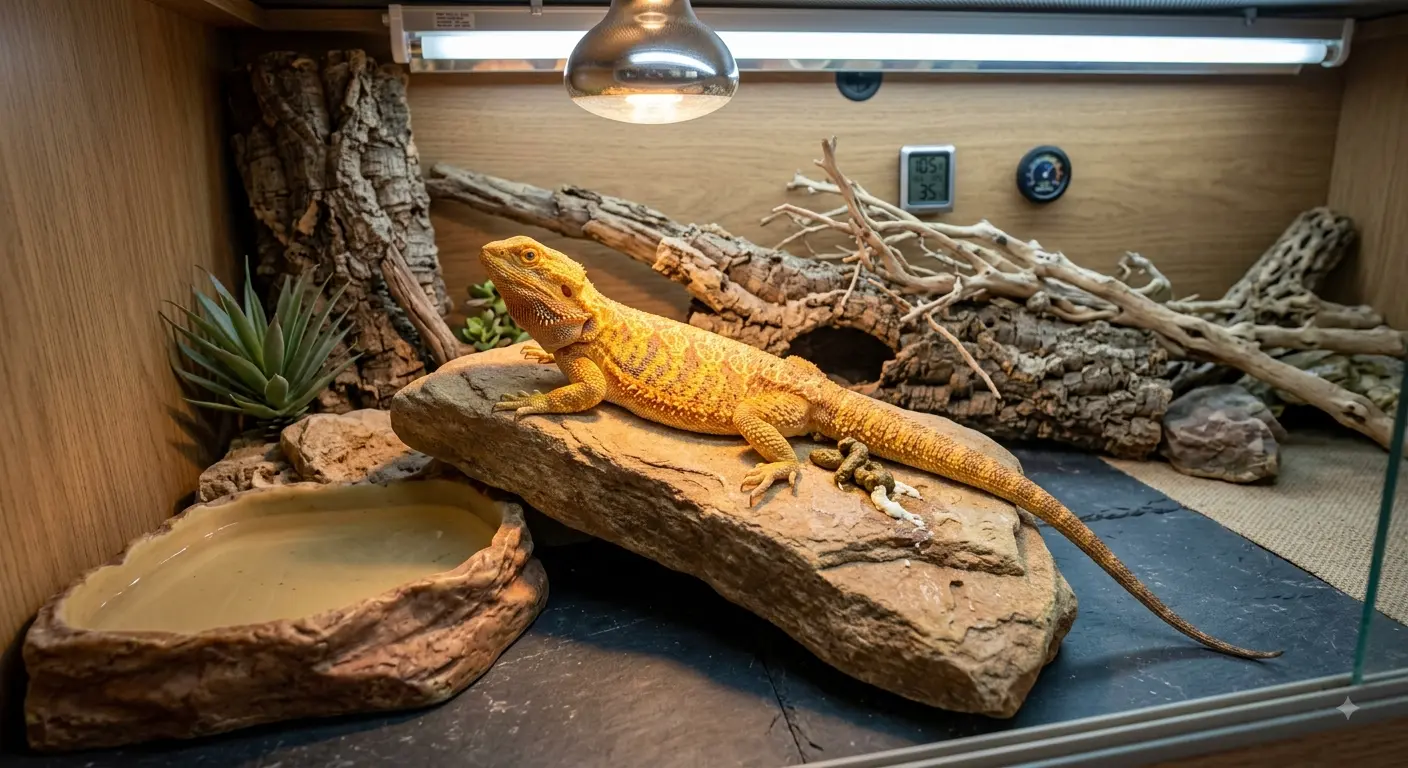
It is vital to distinguish between mild constipation and severe intestinal impaction. Constipation typically stems from mild dehydration or low temperatures, whereas impaction occurs when indigestible materials block the digestive tract. Foreign objects like loose calcium sand, oversized feeder insects, or swallowed wood chips create solid blockages that halt peristalsis entirely.
If your pet exhibits hind-limb paralysis, extreme tenderness when touched, or refuses food for over two weeks, immediately seek professional veterinary care. For comprehensive guidance on evaluating healthy waste vs. abnormal stool, consult our detailed bearded dragon poop guide to evaluate your pet’s baseline health accurately.
Thermal and Hydration Therapies to Stimulate Smooth Muscle Contraction
Reptiles are ectothermic organisms, meaning their metabolic processes and digestive smooth muscle contractions depend directly on environmental heat. Cold enclosure temperatures drastically slow down gut motility, forcing ingested food to sit decaying in the stomach. Master how to make a bearded dragon poop by ensuring your basking spot routinely reaches 100°F to 105°F for adults, measured via a digital probe thermometer.
Knowing how to get bearded dragon to poop naturally always begins with warm water immersion therapy. Soak your reptile in a plastic tub filled with warm water up to its shoulder height. Keep the water temperature carefully monitored between 95°F and 100°F—never hot—to soothe the abdominal muscles safely.
Hydrotherapy serves a dual purpose: it stimulates intestinal peristalsis while hydrating the animal through vent absorption and drinking. Gently trickle water over your pet’s snout to encourage lap drinking, as internal dehydration creates hard, chalky urates that plug the lower colon.
For added relief, introduce a natural laxative into their diet. Administer 2 to 3 drops of pure olive oil or half a teaspoon of unflavored canned pumpkin puree using a plastic eye dropper. Combined with thermal therapy, learning how to help bearded dragon poop with safe dietary lubrications yields positive results within 12 to 24 hours.
Safely Addressing and Preventing Hardened Waste Around the Cloaca
Sometimes waste reaches the very end of the digestive tract but becomes immobilized right before expulsion. When learning how to make a bearded dragon poop while noticing a bearded dragon poop stuck near the tail base, immediate and careful intervention is necessary to prevent tissue tearing or dangerous cloacal prolapse.
Never attempt to forcibly pull or yank hardened debris out of the vent. Dehydrated urates or sharp insect chitin can lacerate delicate mucosal linings if pulled dry. If you observe a bearded dragon poop stuck in vent tissue, soak the lower half of the body in a warm bath for 20 minutes to soften the mass naturally.
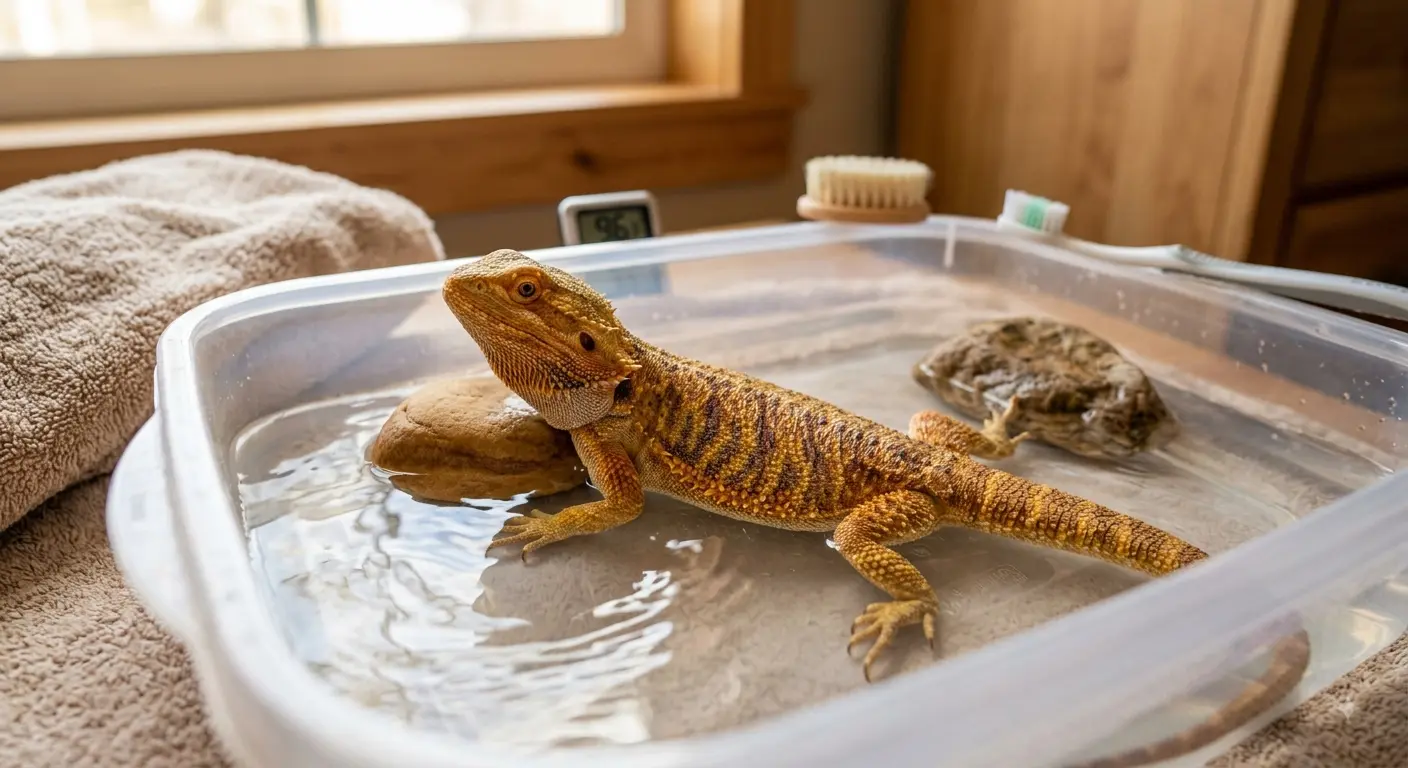
While the pet remains submerged, apply a small drop of sterile water-soluble lubricant or coconut oil directly around the vent region. Use a soft, wet cotton swab to make gentle circular motions around the rim of the cloaca to ease outer tension. The combination of moisture and mild friction usually allows the animal to pass the obstruction independently.
Preventing future cloacal blockages requires strict control over dietary calcium levels and humidity. Ensure your feeder insects are sized correctly—never wider than the space between your reptile’s eyes—and provide a clean water bowl along with daily greens misting to maintain optimum hydration levels continuously.
Step-by-Step Guide to Gentle Downward Abdominal Massages
When environmental adjustments need an extra boost, manual abdominal physical therapy can help gently move trapped gas and soft waste toward the cloaca. Follow this safe method on how to massage bearded dragon to poop correctly without causing internal discomfort.
Begin by securing your pet comfortably in a warm bath or on a soft, warm towel placed across your lap. Understanding how to make a bearded dragon poop through massage requires making sure the animal feels completely supported and relaxed, as tense abdominal muscles render massage therapy ineffective.
Locate the right side of the abdomen, just below the ribcage. Using the soft pad of your index finger or thumb, apply extremely light, gentle pressure. Slowly stroke in a smooth, continuous motion downward toward the tail base and vent area, working strictly in one direction.
Repeat these smooth downward strokes for 5 to 10 minutes continuously, taking care never to press deeply into the internal organs or push upward toward the chest. If your pet squirms, blackens its beard, or inflates its body tightly, pause immediately and return the animal to its warm enclosure to rest.
Laxative Solutions and Emergency Intervention Matrix
| Remedy Type | Recommended Method | Action Mechanism | Safety Level |
|---|---|---|---|
| Warm Hydrotherapy | 95°F–100°F soak for 15–20 minutes | Relaxes smooth muscles & hydrates | 100% Safe (Primary Step) |
| Olive Oil Drops | 2–3 oral drops via dropper | Lubricates gastrointestinal lining | Safe (Occasional Use) |
| Pumpkin Puree | 0.5 tsp plain canned pumpkin | Adds soluble fiber & draws water | Safe (High Success Rate) |
| Unsweetened Applesauce | 0.5 tsp pure applesauce | Pectin stimulates bowel motility | Safe (Mild Remedy) |
| Mineral Oil / Enemas | Veterinary prescription only | Breaks severe impactions | Unsafe for Home Use |
Hands-On Keeper Experience: Restoring Gut Health
Last autumn, my three-year-old citrus morph, Jasper, suddenly stopped his daily routine after a heavy shedding cycle. Days turned into almost a full week, and his usual enthusiastic glass-tapping for dubia roaches vanished entirely into sluggish basking sit-ins.
Feeling anxious, I initially tried dumping extra calcium-dusted crickets into his tank, assuming he just lacked dietary energy. That proved to be a total mistake because he ignored them completely while his belly felt increasingly firm to the touch.
After stepping back to analyze my husbandry log, I noticed his basking bulb had dropped eight degrees below target without me realizing. I swapped the ceramic heat element immediately and prepared a shallow basin of warm water infused with two drops of olive oil over his snout. Within twenty minutes of gentle strokes along his left flank inside the tub, Jasper relaxed completely and cleared his system, teaching me that thermal precision beats random dietary changes every single time.
Long-Term Prevention Strategies for Healthy Digestion
Preventing gastrointestinal stasis is significantly easier than managing acute constipation emergencies. When researching how to make a bearded dragon poop normally on a routine schedule, the foundation of reptile health rests on four core pillars: lighting, substrate choice, diet structure, and consistent hydration practices.
First, replace loose substrates such as crushed walnut shells, play sand, or wood shavings with non-particle alternatives like reptile carpet, slate tile, or simple paper towels. Particle ingestion during feeding is the leading cause of life-threatening intestinal blockages worldwide according to veterinary studies published by the Association of Reptile and Amphibian Veterinarians (ARAV).
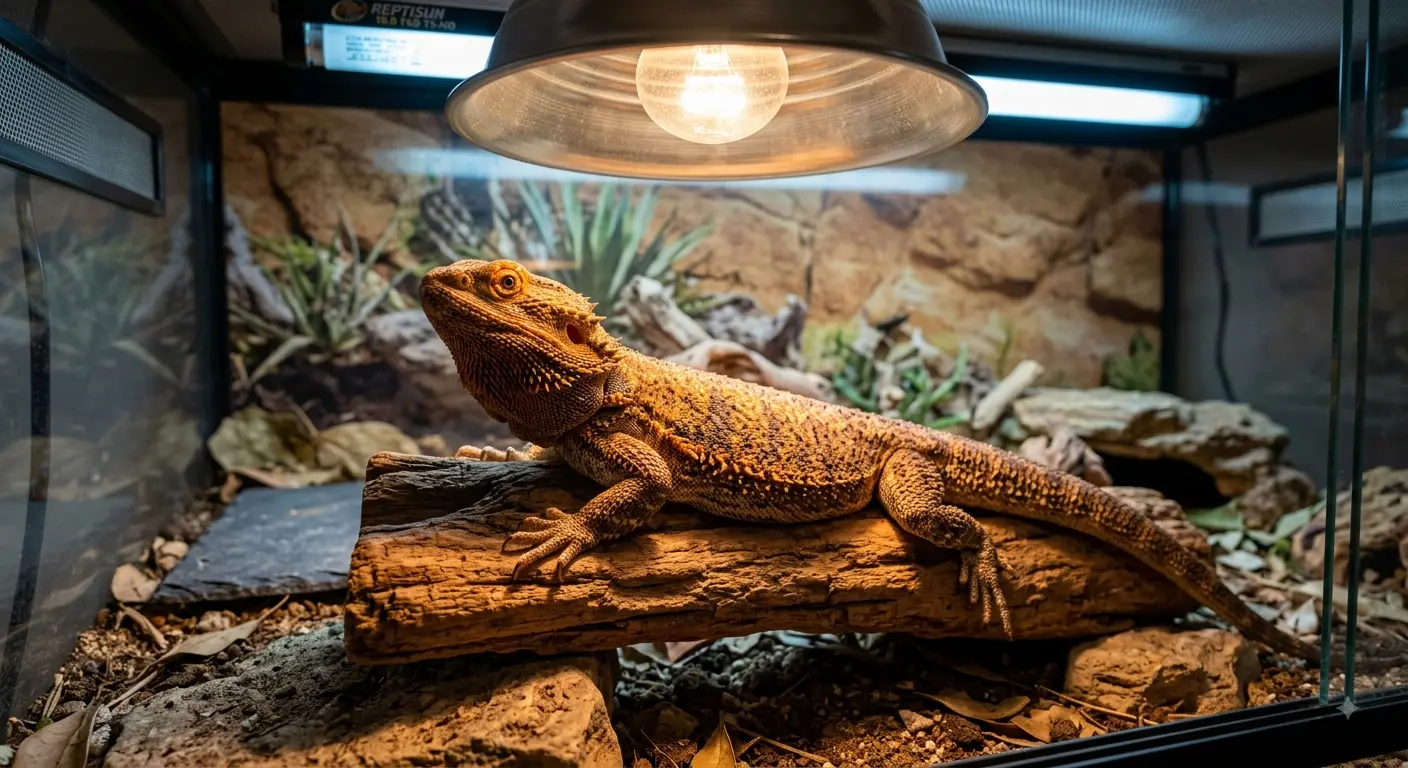
Second, audit your ultraviolet lighting setup strictly every six months. Linear T5 High Output UVB tubes are mandatory to facilitate proper calcium synthesis and systemic muscular function. Bulbs fade over time even if they still emit visible light, leading to subclinical metabolic issues that directly paralyze bowel movements.
Finally, optimize your feeding balance. Adults require an 80% vegetable and 20% feeder insect diet rich in moisture, such as collard greens, dandelion greens, and squash. Always gut-load insects with healthy veggies before feeding, and avoid offering hard-shelled mealworms or giant superworms to young or small dragons.
Frequently Asked Questions (FAQs)
How long can a bearded dragon go without pooping before it becomes dangerous?
While healthy adult dragons may naturally space bowel movements 5 to 7 days apart—especially during cooler seasonal shifts—anything beyond 7 to 10 days without waste elimination warrants immediate thermal intervention, warm bathing, and reviewing how to make a bearded dragon poop safely at home.
Can I give my dragon human laxatives or baby food?
Never give human chemical laxatives to reptiles under any circumstances. However, plain single-ingredient squash or pumpkin baby food containing zero added sugar, spices, or preservatives is an excellent, safe natural remedy when learning how to make a bearded dragon poop effectively.
Why does my dragon always poop in warm bath water?
Warm water increases core body temperature, expands peripheral blood vessels, and relaxes sphincter muscles simultaneously. The buoyant sensation lowers physical stress, making warm baths the most reliable natural trigger for waste elimination.
When should I stop home remedies and visit an exotic veterinarian?
If your pet exhibits severe lethargy, vomiting, blackening of the beard, hind-leg weakness, visible abdominal lumps, or if knowing how to make a bearded dragon poop with home remedies fails after 48 hours, seek immediate professional veterinary intervention for diagnostic X-rays.
By keeping basking temperatures precise, eliminating loose enclosure substrates, and applying warm hydrotherapy at the first sign of delay, knowing how to make a bearded dragon poop safely ensures your scaled companion maintains optimal digestive vitality for years to come.