
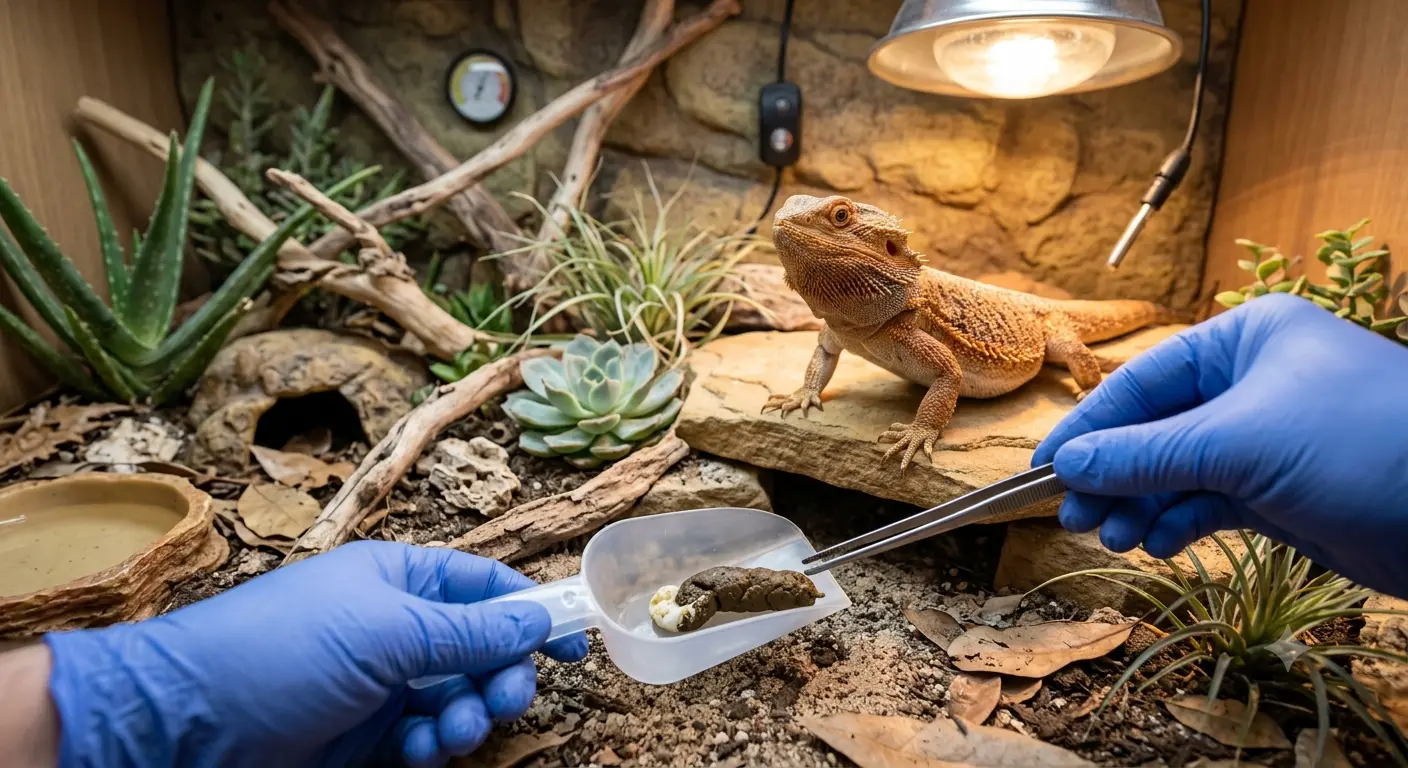
Normal bearded dragon poop consists of a dark brown, log-shaped fecal portion accompanied by a firm, bright white urate cap. Healthy excretion occurs regularly, whereas watery consistency, strong foul odors, or unusual discolorations like red, yellow, or black signal underlying digestive issues, dietary imbalances, or parasitic infections requiring immediate husbandry adjustments.
Monitoring your reptile’s waste daily provides the absolute clearest window into their digestive health, hydration levels, and overall metabolic status. As desert dwellers with highly specialized physiological needs, these lizards conceal illness remarkably well, leaving subtle shifts in excretion quality as your primary early warning system.
Whether you are a seasoned keeper or setting up your first terrarium, understanding normal digestive output saves unnecessary veterinary visits and prevents chronic health complications. This definitive guide covers every aspect of lizard waste evaluation, troubleshooting constipation, recognizing parasitic signs, and establishing optimal cleaning protocols.
What Does Normal Bearded Dragon Poop Look Like?
A healthy adult excretion displays two distinct, well-formed parts produced simultaneously through the cloaca. The primary fecal log should appear solid, dark brown, and retain a firm yet soft texture similar to soft clay without turning slushy.
The second essential component is the urate, which serves as the reptile equivalent of liquid urine. Reptiles conserve water efficiently by excreting nitrogenous waste as solid uric acid, resulting in a distinct chalk-white cap attached directly to the brown stool log.
Occasionally, you may notice a small amount of clear liquid surrounding the fresh deposit. This excess moisture is completely normal and indicates optimal hydration levels within the digestive tract rather than a chronic gastrointestinal disorder.
Bearded Dragon Poop Color & Appearance Chart
Color variations reflect specific metabolic changes, dietary choices, or pathic conditions developing internally. Evaluating visual changes quickly allows keepers to adjust diet, lighting, or humidity parameters before mild dehydration escalates into critical systemic illness.
The reference matrix below breaks down frequent visual changes, primary causes, and immediate action steps needed to restore gastrointestinal equilibrium in your lizard.
| Visual Appearance | Primary Cause | Health Severity | Action Required |
|---|---|---|---|
| Solid Brown + White Urate | Optimal diet, proper basking, healthy hydration | Normal / Healthy | Maintain current feeding and lighting schedules. |
| Chalky Yellow Urates | Excess calcium supplementation or mild dehydration | Low to Moderate | Increase oral hydration; adjust powder dosing. |
| Bright Green Stool | Leafy green overload or gallbladder/bile issues | Moderate | Reduce brassica greens; monitor for lethargy. |
| Red Streak or Whole Red | Undigested raspberries/beetroot or intestinal bleeding | Moderate to High | Verify recent diet; seek vet care if no red foods were fed. |
| Runny / Watery Stool | Coccidia, Pinworms, or overhydration from fruit | High | Run a fecal test via a certified vet (ARAV). |
Pooping Frequency & Schedule
Defecation frequency relies heavily on age, metabolic speed, basking temperature, and total dietary intake. Hatchlings and young juveniles consume large quantities of insect protein daily, causing them to excrete waste between one and three times each single day.
Sub-adults and fully grown adults transition primarily toward leafy greens, slowing down their gastrointestinal transit time significantly. A healthy adult typically defecates anywhere from once every two days to once or twice per week depending on their specific dietary balance.
When an adult lizard exceeds seven consecutive days without a bowel movement, potential impaction or digestive slowing requires keeper intervention. Extended delays during non-brumation months signal environmental or husbandry deficiencies that require immediate correction.
Common Health Issues & Symptoms
Disruptions in stool consistency highlight internal stressors ranging from minor husbandry errors to aggressive systemic pathogens. Identifying symptoms early prevents severe dehydration and organ damage in captive reptiles.
1. Gastrointestinal Diarrhea
Unformed, watery waste that lacks structural shape indicates gastrointestinal distress. Frequent causes include feeding high-moisture foods like watermelon or hornworms excessively, sudden dietary shifts, or underlying bacterial blooms inside the gut lumen.
2. Parasitic Overgrowth
Microscopic parasites such as Coccidia and Pinworms naturally reside in low numbers within reptile intestines. However, stress, low enclosure temperatures, or improper sanitation cause population surges, yielding foul-smelling, unformed waste containing excess mucus.
3. Severe Dehydration & Hard Urates
When environmental moisture and dietary water intake drop significantly, the kidneys reabsorb all available water. This leaves hard, chalky, or yellowish urates that irritate the cloaca during passage and can lead to kidney strain over time.
4. Intestinal Impaction & Constipation
Ingesting loose, non-digestible substrates like calcium sand, along with feeding oversized feeder insects under inadequate UVB lighting, paralyzes intestinal motility. The reptile becomes strained, bloated, and entirely unable to pass waste normally.
How to Help a Constipated Bearded Dragon (Solutions)
When bowel movements stall, applying targeted non-invasive home remedies helps jumpstart smooth peristaltic movement through the digestive system safely before pursuing veterinary laxatives or invasive procedures.
- Warm Bath Soaks: Fill a shallow basin with lukewarm water reaching chest level (85-90°F / 29-32°C). Soak the lizard for 15-20 minutes to relax muscles and promote hydration.
- Gentle Abdominal Massage: While submerged in warm water, gently stroke the left side of the abdomen from the ribcage down toward the vent using light fingertip pressure.
- Natural Dietary Lubricants: Offer a few drops of pure pumpkin puree (without added spices) or 2-3 drops of extra virgin olive oil via an eye dropper to lubricate the digestive path.
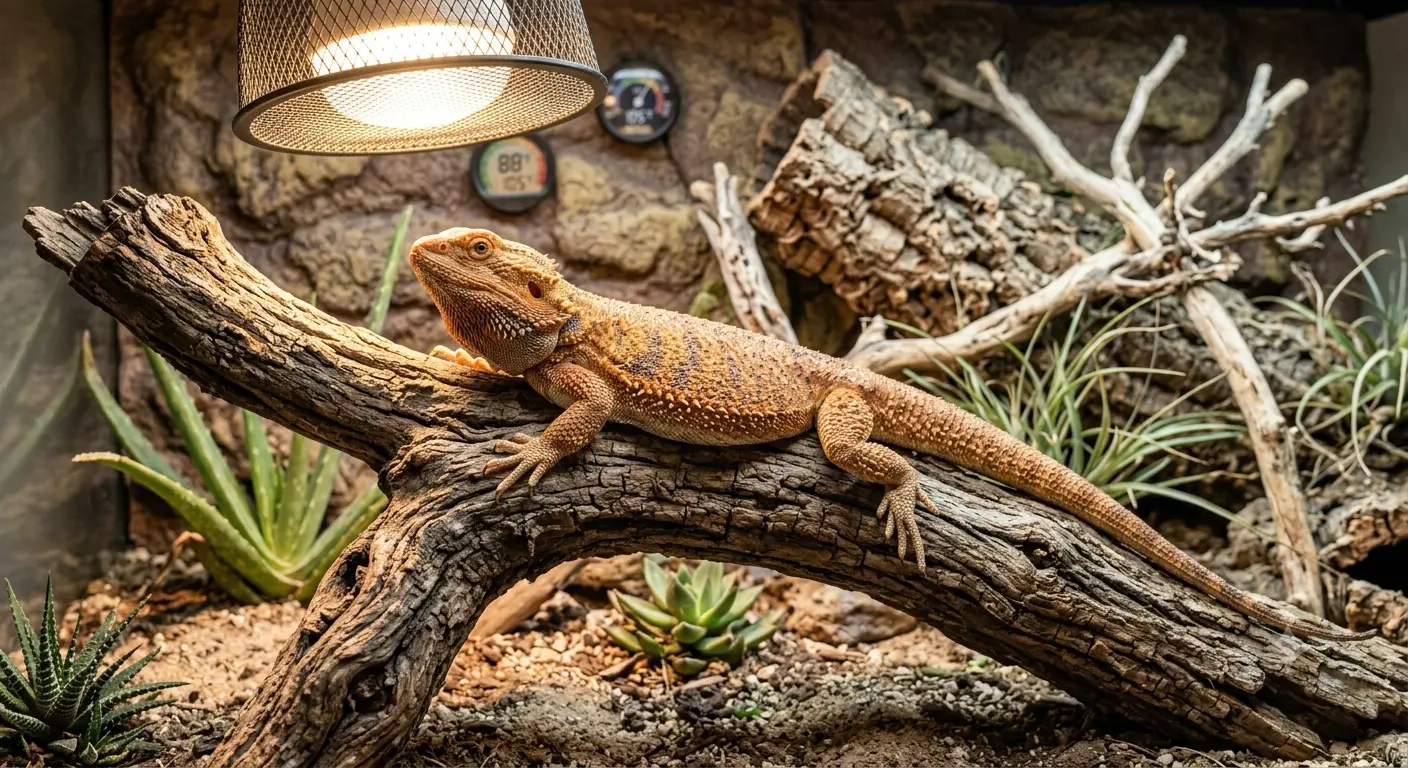
- Basking Temperature Audit: Ensure surface temperatures beneath the primary heat lamp reach 100-105°F (38-40°C) for adults to fuel enzyme activity and digestive efficiency.
A Keeper’s Journal: Overcoming A Unexpected Digestive Blockage
Last winter, Barnaby suddenly stopped his regular morning digestive routine right after his third birthday. Days ticked by without any output inside his enclosure, and by day six, panic started setting in as he refused his usual bowl of collard greens.
I immediately rushed to try every common forum fix imaginable, offering a generous spoonful of mashed applesauce mixed with vegetable oil. That initial attempt failed completely, leaving him lethargic, stressed, and smeared in sticky fruit residue without producing any results.
Realizing my mistake, I stepped back and carefully audited his basking spot with a digital infrared thermometer. It turned out the primary heating bulb had dropped nearly eight degrees below optimal ranges without visible warning, stalling his internal digestion completely.
I immediately replaced the heat lamp and placed him into a lukewarm bath, gently massaging his flank for ten minutes straight. Within two hours under his restored heat zone, he passed his blockage effortlessly, teaching me that ambient temperatures govern intestinal movement far more than quick food hacks.
Cleaning, Hygiene, & Behavioral Questions
Reptile waste management directly impacts human health and home hygiene. Establishing strict, consistent cleaning protocols eliminates foul odors while protecting family members from zoonotic bacterial exposure like Salmonella.
Is Bearded Dragon Waste Harmful to Humans?
All reptile waste contains naturally occurring enteric bacteria, including Salmonella strains that transfer through direct contact. Always wash hands thoroughly with antibacterial soap immediately after handling dirty substrate or cleaning terrarium accessories.
Eliminating Odors & Carpet Cleaning Protocols
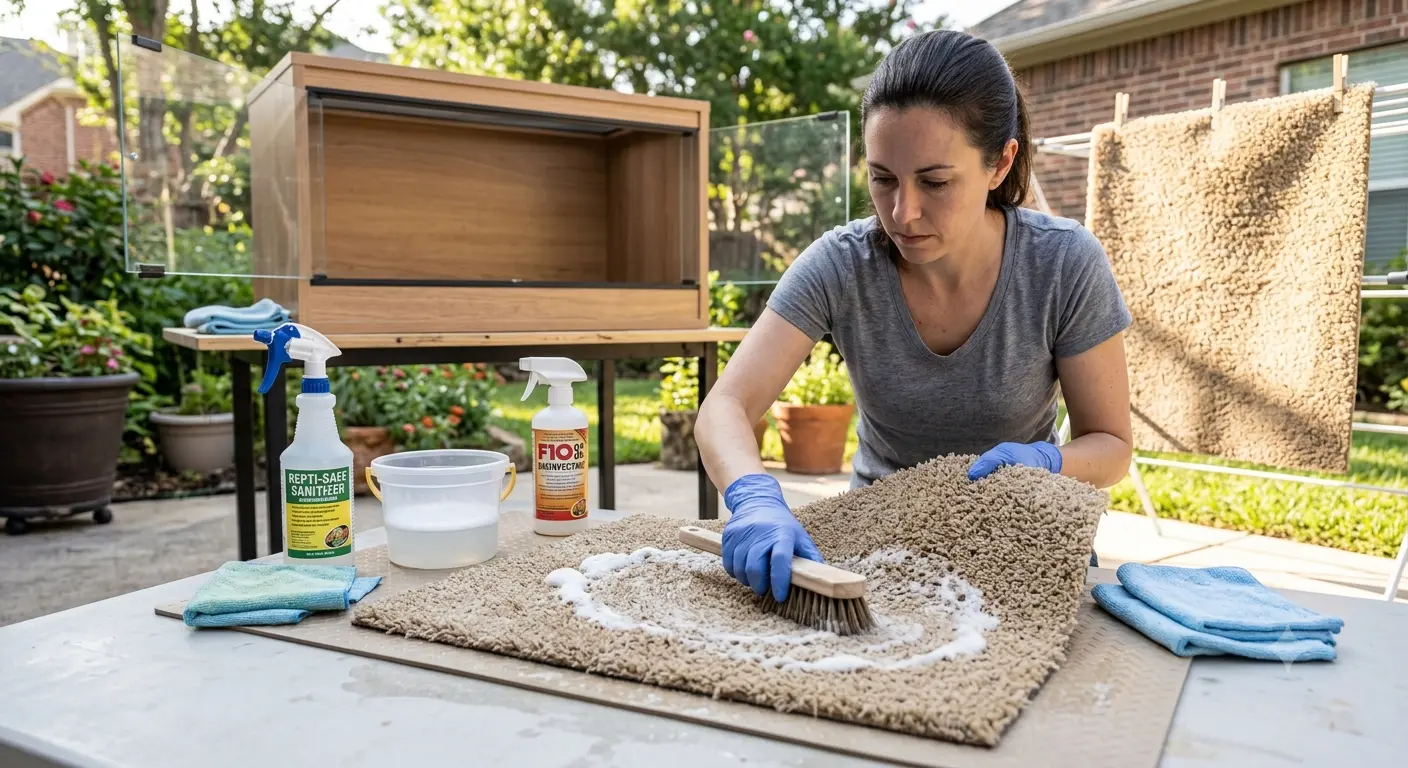
Pungent smells stem from bacterial breakdown and excess moisture inside the enclosure. Spot-clean fresh waste immediately using paper towels, then sanitize non-porous habitats using a veterinary-grade F10 disinfectant spray or a diluted chlorhexidine solution.
When waste hits reptile carpet or household rug fibers, spray the area with an enzymatic pet cleaner to break down organic proteins. Scrub thoroughly using warm water and allow the material to air-dry completely before returning your pet to the enclosure.
Understanding Behavioral Quirks: Waste Excretion Habits
Lizards often exhibit strange excretion habits, such as pooping exclusively on their owners or attempting to ingest their own waste (coprophagy). Pooping on keepers typically results from muscle relaxation induced by human body heat during out-of-cage handling time.
Conversely, waste eating usually points toward severe nutrient deficiencies, underfeeding, or an instinctual attempt to keep small enclosures clean. Removing waste promptly prevents this habit from forming while keeping your pet healthy.
Frequently Asked Questions (FAQs)
How long can a bearded dragon safely go without pooping?
Adults can safely go 5 to 7 days without defecating, especially during cooler seasons or brumation. However, anything beyond 7 to 10 days without brumation warrants warm baths and a husbandry audit.
Why is my dragon’s poop yellow instead of white?
Yellow urates (known as xantho-urates) usually indicate mild dehydration or an overabundance of calcium supplements in their daily diet. Adjust dustings and offer hydrated insects or water via a syringe.
Can I give my bearded dragon prunes for severe constipation?
No, prunes contain high oxalates and sugar levels that upset gut flora and bind calcium. Read our full safety report on Can Bearded Dragons Eat Prunes for Constipation? to discover safe alternative laxatives.
What does parasite poop smell like compared to normal waste?
Parasitic waste carries an overwhelming, metallic, and foul stench that fills the entire room instantly. It is frequently accompanied by loose, runny consistency and clear mucus streaks.
Final Thoughts on Daily Health Monitoring
Maintaining a proactive approach toward monitoring your reptile’s daily excretion patterns ensures early detection of underlying metabolic issues. By maintaining ideal enclosure temperatures, offering balanced nutrition, and enforcing strict sanitation, your pet will thrive for years to come.
Whenever self-help solutions fail to produce results within 48 hours, consult a qualified exotic veterinarian immediately. Bring a fresh stool sample collected within 24 hours to ensure accurate diagnostic testing during your visit.