
If you have recently noticed strange, fuzzy, or white cotton spots appearing on your pet’s body, fins, or skin, it can be an incredibly alarming sight. Whether you keep terrestrial exotic pets like hedgehogs or maintain a beautifully aquascaped aquarium filled with fish or axolotls, these sudden “wooly” growths are almost never cosmetic. Instead, they represent a serious pathological symptom requiring immediate attention. In the exotic pet keeping community, encountering white cotton spots is often a direct signal that something in your husbandry environment or your pet’s immune health has fallen completely out of balance. This comprehensive guide will dissect the root biological causes behind these peculiar white cotton spots, outline proven treatment pathways, and equip you with the prevention strategies needed to safeguard your beloved animals.
Understanding White Cotton Spots: What Exactly Are They?
In veterinary medicine and aquatic care, the manifestation of physical growths that mirror tufts of cotton wool, mold, or thick white lint is primarily tied to advanced fungal colonies or specific bacterial strains. Unlike standard bacterial dermatological conditions, which typically present as flat red sores, ulcerations, or weeping blisters, a fungal outbreak builds a physical, three-dimensional matrix over the host. These white cotton spots consist of thousands of microscopic, thread-like structures called hyphae. As these hyphae cluster together and multiply, they create the visible, fuzzy texture that pet owners notice.
When pathogens colonize a host, they do not merely sit on top of the tissue. They actively feed on the dead keratin, skin proteins, or protective mucus layers of your pet. If left unchecked, what begins as a tiny, isolated white dot can rapidly spread, coalescing into massive sheets of fungal mats that can suffocate aquatic organisms or lead to severe systemic secondary infections in land mammals. Early identification of these white cotton spots is the single most critical factor in predicting a positive clinical outcome.
The Primary Culprits Across Different Pet Species
Depending on the specific classification of your pet, the biological root cause behind these white cotton spots will vary significantly. Understanding these species-specific variations is vital because a treatment designed for an aquarium fish could be highly toxic if applied to a small exotic mammal.
1. Small Terrestrial Mammals (Hedgehogs, Rodents, and Sugar Gliders)
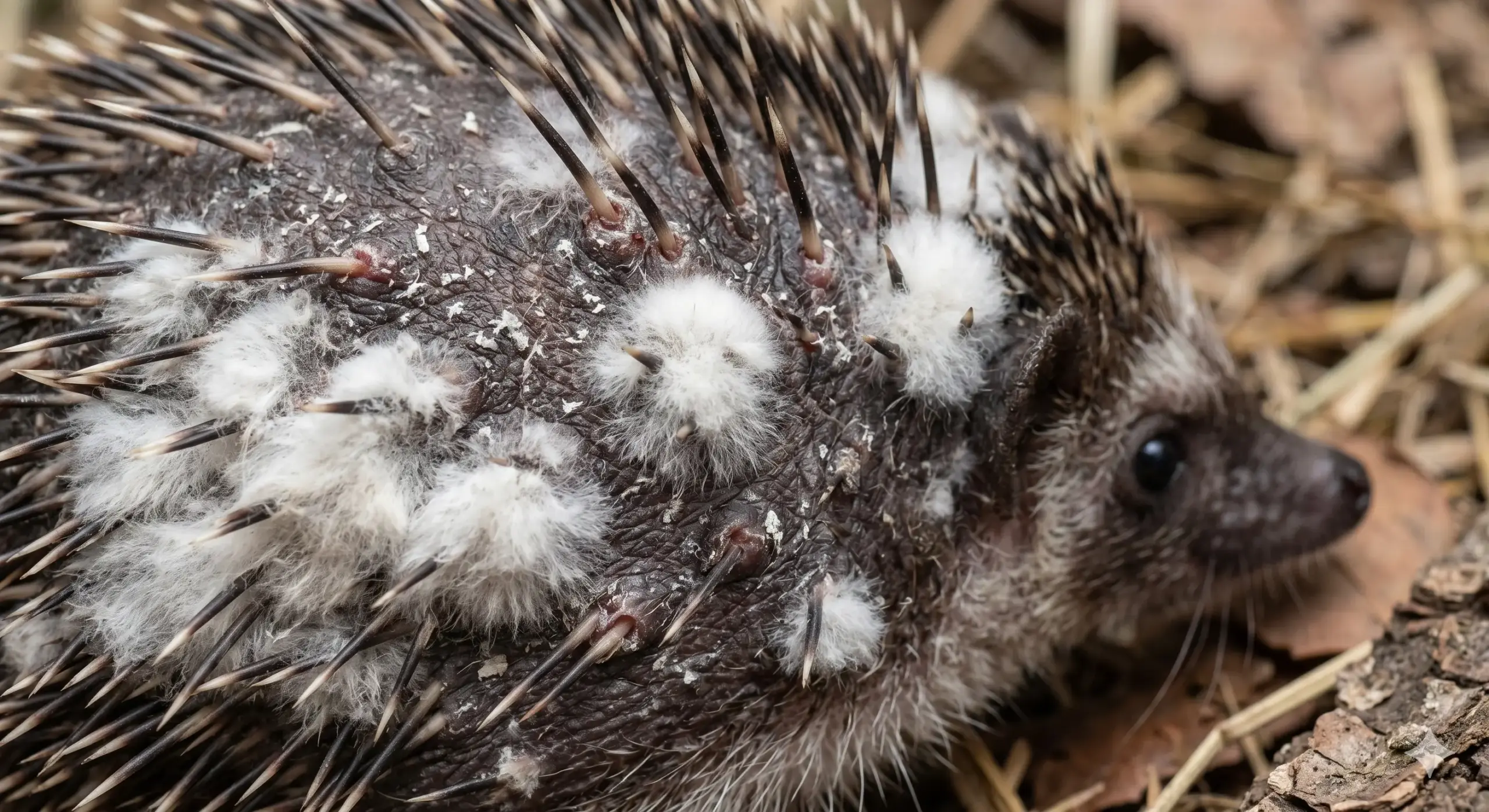
For land-dwelling exotic pets like African Pygmy Hedgehogs, visible white cotton spots or crusty, pale, fuzzy patches are frequently caused by Dermatophytosis. This condition is commonly referred to as ringworm, although it is entirely fungal and involves no actual parasitic worms. When a hedgehog is affected, the fungal spores attach to the base of the quills and the deep layers of the epidermis.
As the colony expands, it generates a white, flaky, sometimes distinctly wooly or powdery buildup. Pet owners often mistake the early stages for simple dry skin, but as the white cotton spots become prominent, quill loss, intense pruritus (itching), and secondary bacterial dermatitis become readily apparent. The fungus degrades the structural integrity of the skin, leaving the animal highly vulnerable to environmental microbes.
2. Freshwater Aquarium Fish (The Saprolegnia Complex)
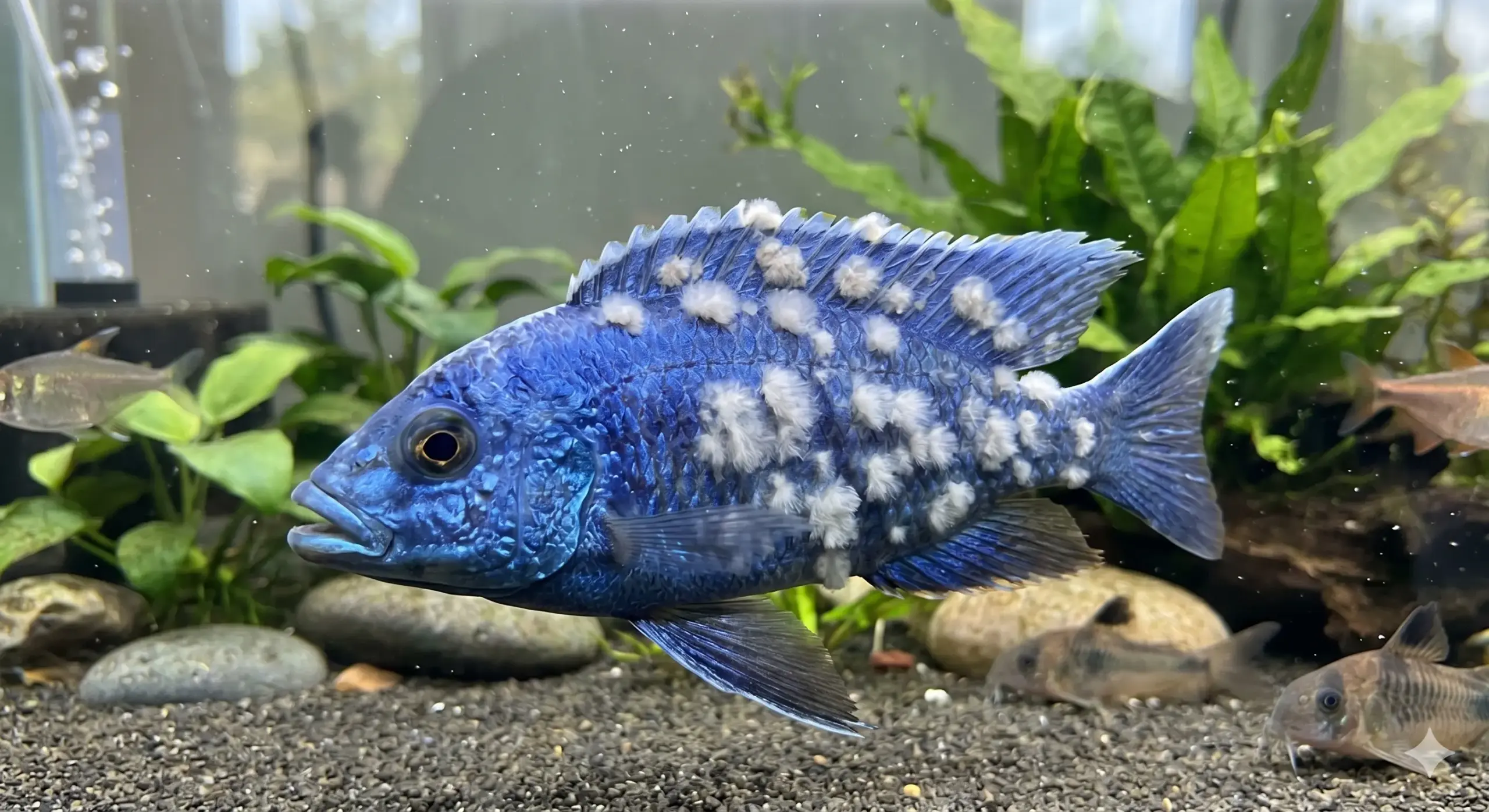
In aquatic environments, finding distinct white cotton spots on the scales, fins, gills, or mouth of a fish is the classic hallmark of Cotton Wool Disease. This condition is primarily triggered by water molds belonging to the genera Saprolegnia or Achlya. These organisms are ubiquitous, meaning fungal spores are always present in your aquarium water column, patiently waiting for an opportunity to strike.
Healthy fish possess a robust, slippery slime coat that effectively prevents these spores from adhering to their bodies. However, if a fish suffers a physical scratch from a sharp tank decoration, becomes stressed by aggressive tank mates, or experiences poor water parameters, its protective mucus barrier fails. The spores quickly anchor into the compromised flesh, rapidly developing into the unmistakable white cotton spots that can destroy fin tissue and underlying musculature within days.
3. Amphibians (Special Hazards for Axolotls)
For keepers of exotic amphibians like the Mexican Axolotl, observing white cotton spots is a critical emergency, particularly when the growth manifests on their delicate, external feathery gills. Axolotls rely heavily on these external gill filaments for gas exchange and respiration. When opportunistic water molds target these structures, the fuzzy white cotton spots act as a physical, insulating barrier, blocking oxygen from passing into the blood vessels. An axolotl with fungal growth on its gills is quite literally struggling to breathe, which induces extreme systemic stress and can quickly prove fatal if intervention is delayed.
Comparative Matrix: Fungal vs. Bacterial Structural Symptoms
To help you accurately differentiate what you are seeing on your animal, review this structural comparison matrix before formulating a treatment plan:
| Symptom Characteristic | Fungal (White Cotton Spots) | Bacterial Infections | Parasitic Outbreaks (e.g., Ich) |
|---|---|---|---|
| Physical Texture | Fuzzy, wooly, raised three-dimensional threads. | Flat, slimy, ulcerated, or smooth fluid blisters. | Tiny, hard, sand-like grains or salt crystals. |
| Primary Coloration | Bright white, pale grey, or sometimes greenish-brown. | Vibrant red, deep pink, yellowish pus, or translucent. | Uniformly chalky white or light silver dots. |
| Progression Speed | Moderate to fast; expands outward in circular mats. | Rapid; can cause sudden localized tissue necrosis. | Explosive; covers the entire body simultaneously. |
| Environmental Catalyst | Excessive moisture, stagnant water, decomposing waste. | Organic overload, spikes in ammonia, raw wounds. | Introduction of unquarantined animals, wild vectors. |
The Fundamental Root Causes: Why Do These Spots Emerge?
Pathogenic fungal spores and opportunistic bacteria are a natural component of any ecosystem, whether terrestrial or aquatic. Under normal circumstances, your pet’s immune system easily holds these pathogens at bay. Therefore, the appearance of prominent white cotton spots should be viewed as a symptom of a larger, systemic environmental failure. The primary catalysts include:
- Substandard Habitat Hygiene: Decomposing uneaten food, accumulated fecal matter, and uncleaned substrates create a highly concentrated breeding ground for fungal spores, drastically increasing the pathogen load within the enclosure.
- Improper Moisture and Humidity Management: For terrestrial exotic animals, maintaining a constantly damp or oversaturated bedding material creates a microclimate where fungi thrive. Conversely, in aquatic setups, a lack of proper water movement creates stagnant pockets where spores can easily cluster.
- Chronic Physiological Stress: When an exotic pet is subjected to incorrect ambient temperatures, improper lighting cycles, or aggressive cage mates, its endocrine system pumps out high levels of stress hormones. This suppresses natural immune function, lowering their biological defenses against opportunistic invaders.
- Physical Trauma and Lesions: Even a tiny scratch from sharp tank decorations, rough handling, or minor fights can breach the skin or mucus barrier, providing a direct gateway for fungal hyphae to establish a colony.
The Human Experience: A Lifesaver’s Journey
I remember sitting on the floor of my room, staring into the enclosure, my heart sinking to the pit of my stomach. There it was. A pale, fuzzy patch right on the shoulder of my rescue animal. Panic hit me first. Absolute, cold panic. You spend months meticulously measuring out specific diets, tweaking thermostats by single degrees, and obsessively cleaning every corner of their habitat, believing you have built a perfect sanctuary. Then, out of nowhere, nature throws a curveball that makes you question your entire capability as a keeper. The vulnerability is overwhelming. You look at this tiny creature whose survival depends entirely on your next moves, and the weight of that responsibility feels crushing.
But true caregiving is forged in those quiet, stressful hours of patient rehabilitation. I spent weeks executing careful environmental adjustments, preparing delicate topicals, and watching closely for the slightest sign of improvement. It was tedious work. Progress did not happen overnight; it was a slow, agonizingly incremental game of observation. Every single morning, I would approach the habitat with bated breath, hoping to see a reduction in the fluff. The day those patches finally cleared up completely, leaving behind smooth, healthy new skin, an incredible sense of relief washed over me. It is a profound feeling. That journey changes the bond you share with your pet, transforming it from simple ownership into a deeply rooted, resilient partnership built on survival, hard-won trust, and unconditional dedication.
Step-by-Step Clinical Protocol for Treatment
If you have confirmed that your exotic companion is suffering from a fungal outbreak characterized by white cotton spots, you must act decisively. Follow this structured protocol to manage and eradicate the infection safely.
Step 1: Immediate Quarantine and Isolation
Fungal spores are highly volatile and remarkably contagious. At the very first sight of white cotton spots, you must isolate the affected animal into a dedicated, bare-bones “hospital tank” or medical quarantine enclosure. This critical action accomplishes two goals: it completely protects your remaining healthy animal population from cross-contamination, and it allows you to monitor the sick animal’s food intake, waste production, and overall medication efficacy with absolute precision.
Step 2: Absolute Habitat Sanitation and Correction
Treating the animal while leaving the primary environment contaminated is completely futile. You must strip the main enclosure entirely. Throw away all porous substrates like wood shavings, soil, or cardboard items. Wash the entire structure, including non-porous decorations, using specialized, pet-safe anti-fungal disinfectants or a highly diluted veterinary-grade chlorhexidine solution. Ensure the habitat dries completely before reintroducing any accessories, as dry conditions are naturally hostile to fungal spores.
Step 3: Targeted Medical Interventions
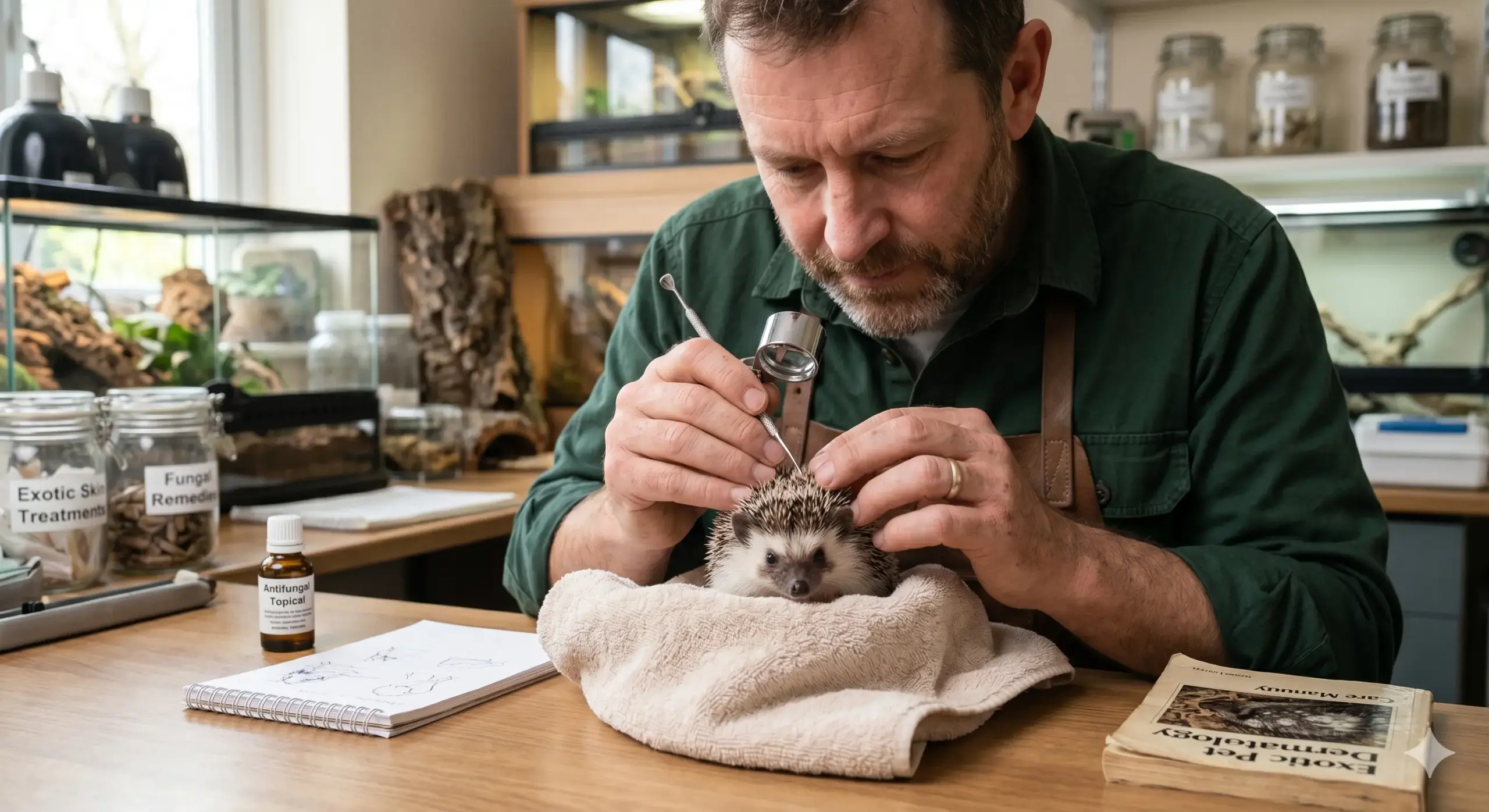
For land mammals, a qualified exotic veterinarian will typically prescribe targeted topical anti-fungal creams, specialized medicated rinses, or systemic oral anti-fungal medications like itraconazole if the condition has progressed deeply. For aquatic fish suffering from severe Cotton Wool Disease, medical baths utilizing veterinary-approved solutions containing Malachite Green, Methylene Blue, or high-purity aquarium salt are highly effective at stripping away the fungal hyphae matrix.
Step 4: The Specialized Black Tea Bath Solution for Amphibians
If you are treating an axolotl with delicate white cotton spots on its gills, harsh chemical medications can often cause more harm than good due to their incredibly porous, sensitive skin. Many world-renowned amphibian specialists recommend utilizing a mild, organic black tea bath. The natural tannins present in pure black tea act as a gentle, astringent anti-fungal agent that helps shrink the fungal matrix and soothe irritated tissue without disrupting the animal’s delicate internal chemistry. To complement this, ensure your water temperature is strictly dropped below 20°C (68°F), as elevated temperatures are the primary catalyst for amphibian fungal blooms.
Long-Term Prevention: Keeping the “Cotton” Away
Eradicating an active infection is only a temporary victory if your daily husbandry practices remain unchanged. To ensure these problematic white cotton spots never return to plague your animal enclosures, you must implement strict preventive maintenance protocols:
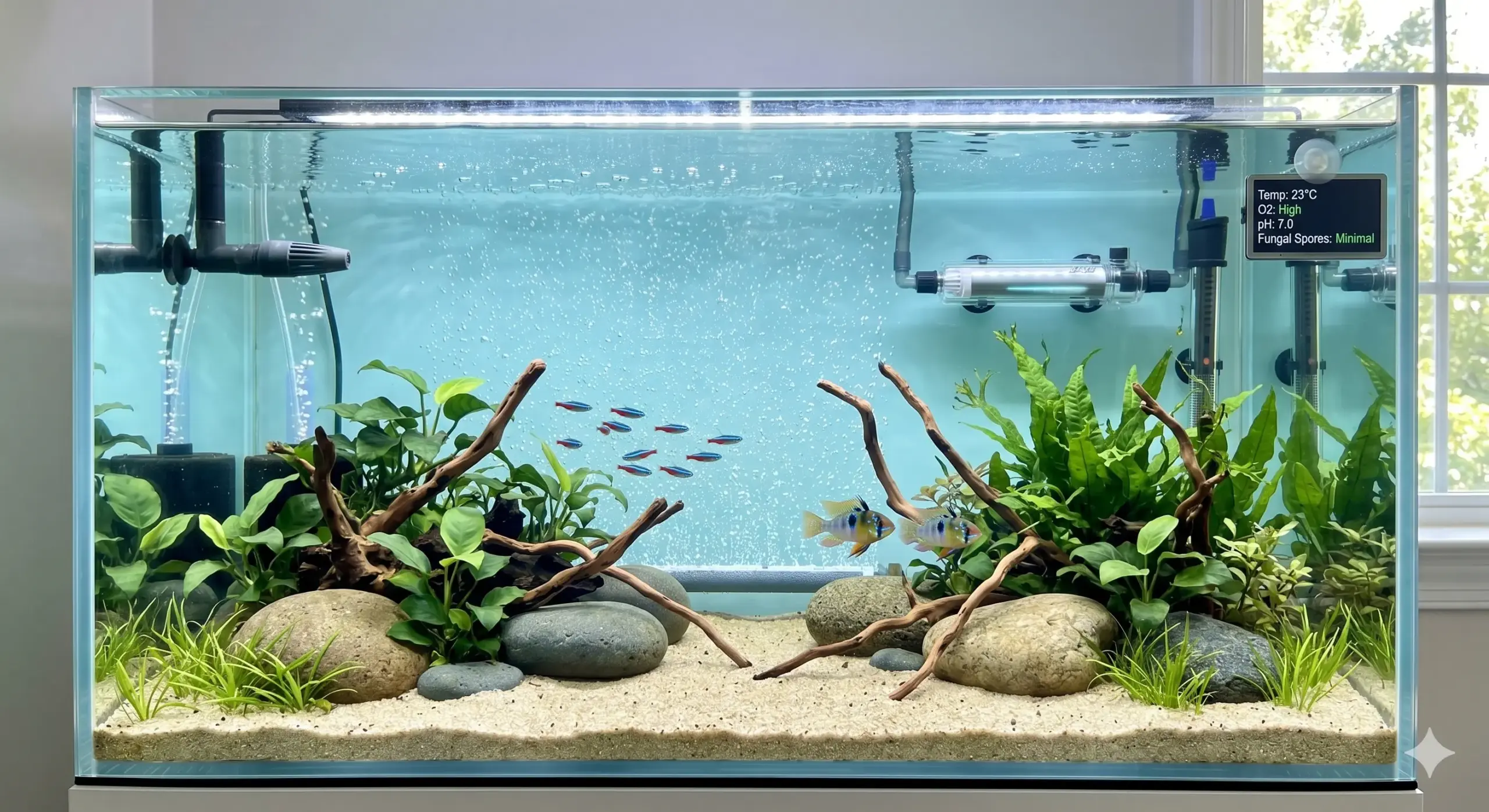
- Maintain Meticulous Environmental Parameters: Consistently track your habitat’s temperature, humidity levels, and water chemistry using calibrated digital monitors. Never guess or rely on visual estimates alone.
- Implement an Uncompromising Quarantine Protocol: Never introduce a newly purchased animal, live plant, or secondhand decoration directly into an established habitat. Always isolate new acquisitions in a separate room for a minimum of 30 days to ensure they are completely free of latent pathogens.
- Optimize Species-Specific Nutrition: Feed a high-quality, biologically appropriate diet enriched with essential vitamins and minerals. A properly nourished exotic pet maintains a robust, highly active immune system that naturally neutralizes fungal spores before they can anchor and form visible white cotton spots.
- Perform Daily Physical Health Audits: Dedicate five minutes every single day to performing a focused, head-to-tail visual inspection of your pet. Catching a minuscule pinpoint of white fuzz early allows you to resolve the underlying issue before it evolves into a full-scale clinical crisis.
For deep, evidence-based data regarding global patterns in animal mycosis and advanced treatment parameters, you can review the comprehensive clinical wildlife health guidelines provided by the World Veterinary Association, which acts as an invaluable, high-authority resource for animal keepers worldwide striving to maintain pristine health standards within their personal collections.