
Welcoming a central bearded dragon into your home brings immense joy, but it also carries significant biological responsibility. Crafting the perfect dietary plan is the foundational pillar of modern herpetological husbandry, demanding precise nutritional knowledge.
Feeding your pet the right Bearded Dragons Food is the most important decision you will make as an owner to guarantee metabolic vitality. A balanced diet doesn’t just keep them full; it systematically prevents debilitating metabolic diseases, enhances their vibrant natural colors, and ensures they reach their maximum lifespan of 15 years.
Understanding the nutritional shifts of your reptile prevents chronic health issues down the line. Let us dive deep into the ultimate structural breakdown of high-quality Bearded Dragons Food choices, biological schedules, and expert feeding strategies for your scaly companion.
The Golden Ratio for Bearded Dragons Food: Greens vs. Insects
The nutritional architecture of a dragon is highly dynamic, transforming completely from their frantic developmental stages into mature adulthood. Misunderstanding this Bearded Dragons Food evolution is one of the most widespread mistakes among novice keepers globally.
As bearded dragons age, their nutritional needs shift significantly, moving from heavy animal proteins to fibrous vegetation. Failing to adjust this vital macronutrient ratio can easily stress their internal filtration organs over time.
Babies (0-6 months): These tiny reptiles need 80% insects and 20% greens to support rapid skeletal growth and cellular muscular development. Their high metabolism demands constant protein fuel daily.
Adults (18+ months): Mature individuals require 80% greens and only 20% insects to prevent obesity, hepatic lipidosis, and severe kidney issues. Their sedentary captive lifestyle requires significantly less fat.
Top Recommended Insects as Bearded Dragons Food
Invertebrate selection shouldn’t rely on whatever insect is cheapest or easiest to find at your local bait shop. Not all bugs are created equal, and tracking the chitin-to-protein ratio ensures optimal gut health.
Providing a diverse variety of clean, live invertebrates guarantees your lizard receives a rich spectrum of vital amino acids. Always buy live items from specialized commercial breeders to ensure safety.
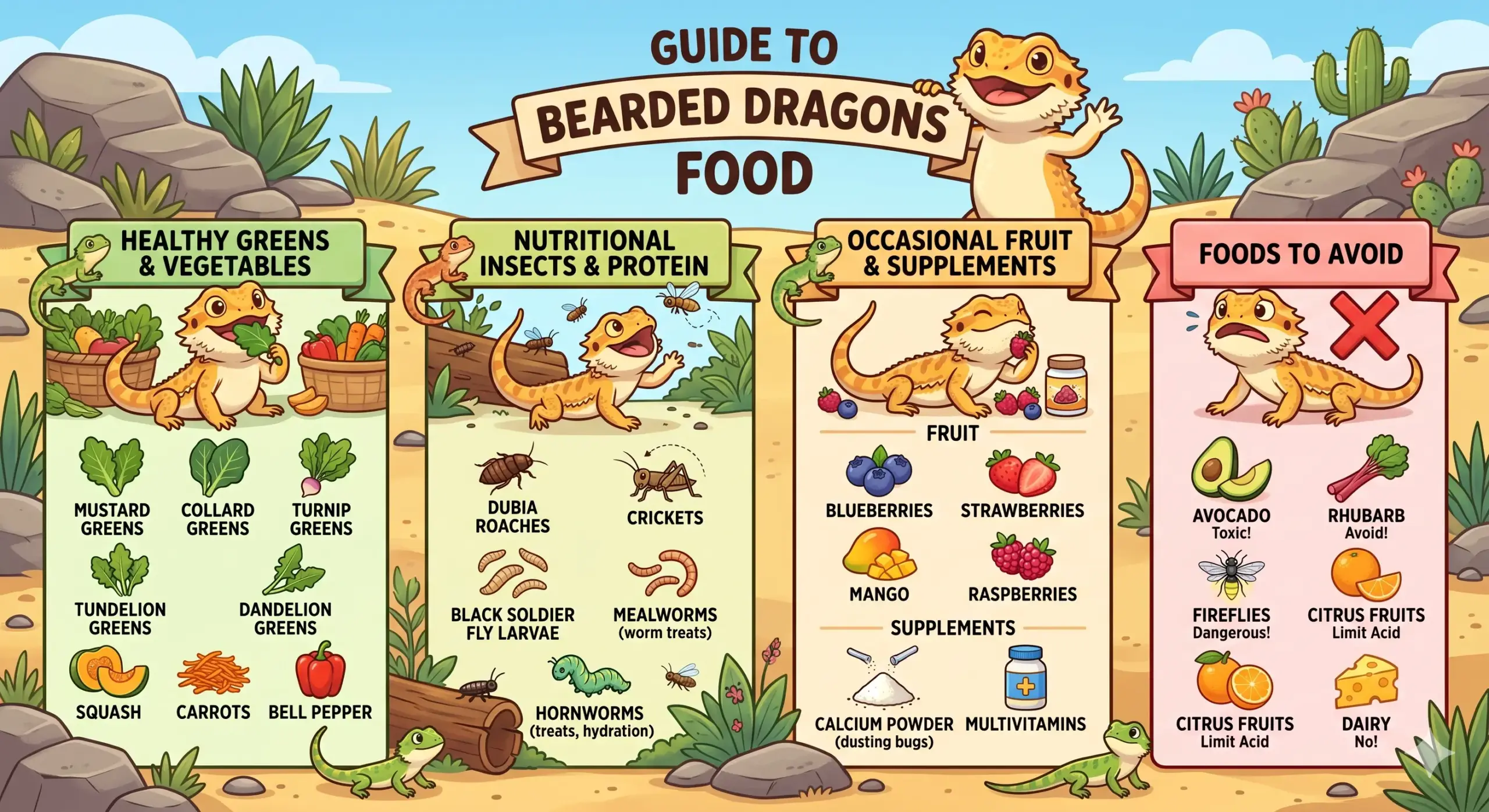
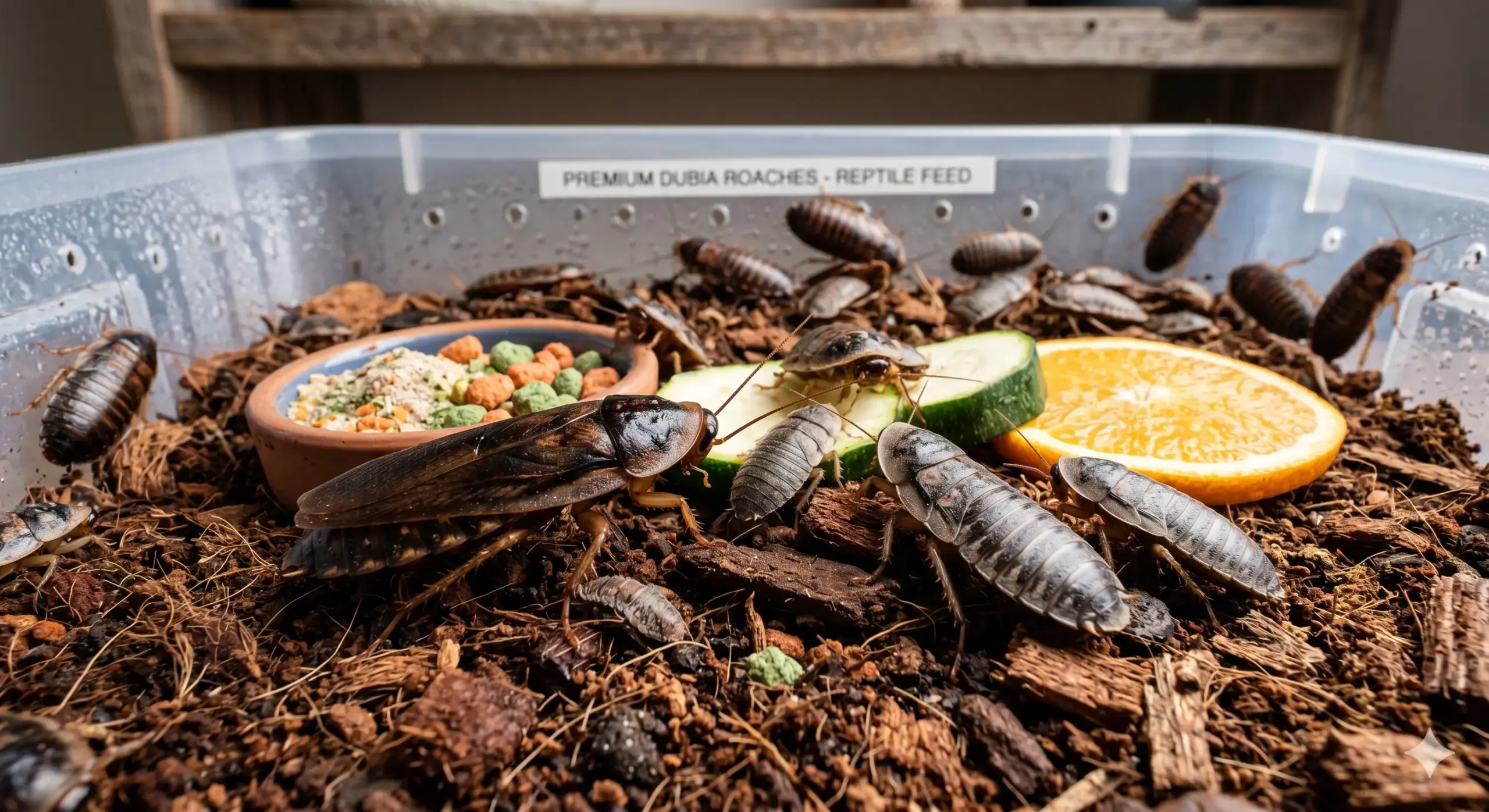
- Dubia Roaches: Universally considered the gold standard of Bearded Dragons Food due to their incredible meat-to-shell ratio. They are exceptionally high in protein, low in indigestible chitin, and easy to digest.
- Crickets: A classic choice for active hunting stimulation, but ensure they are thoroughly “gut-loaded” with rich nutrients before feeding. They must be sourced carefully to avoid parasites.
- Hornworms: These bright green caterpillars are excellent for targeted hydration due to their high moisture volume, but should only be given as a sparse treat. Overfeeding can cause runny stool.
- Black Soldier Fly Larvae: Naturally high in calcium with a perfect phosphorus ratio, making them essential for preventing Metabolic Bone Disease without excessive dust supplementation.
Safe and Healthy Greens & Vegetables for Reptiles
The daily salad bowl represents the absolute foundation of long-term health for an adult dragon. It should mimic the sparse, fibrous vegetation found within the wild arid scrublands of the Australian outback.
Your dragon’s salad bowl should be colorful and nutrient-dense, avoiding translucent, watery leaves that offer zero value. Finely chop these items to prevent any choking hazards during feeding sessions.
Daily Staples: Focus heavily on dark leafy items like collard greens, mustard greens, turnip greens, and dandelion greens. These provide excellent calcium-to-phosphorus ratios naturally.
Occasional Additions: Introduce shredded bell peppers, carrots, squash, and peeled cucumber to add essential vitamins and moisture. These additions keep the daily meals visually engaging.
Fruit (Treats Only): Incorporate blueberries, strawberries, and papaya, but strictly limit these to 5% of their total diet due to high sugar. Excessive fructose causes dental decay and bacterial imbalance.
Foods to Avoid: The “Never Feed” List
Many organic items found in grocery stores pose immediate, existential dangers to your reptile’s fragile metabolic systems. Some common foods can be toxic or fatal to your dragon, meaning zero tolerance is required.
Always double-check safety profiles before tossing random kitchen scraps into their enclosure. Chemical compounds that humans tolerate easily can completely overwhelm a small reptile’s liver and kidneys within hours.
- Avocado: Highly toxic to most reptiles due to lethal concentrations of the fungicidal toxin persin, causing acute myocardial necrosis.
- Rhubarb: Contains extremely high levels of deadly oxalates that bind calcium immediately, leading to fatal toxicity and rapid renal failure.
- Iceberg Lettuce: Offers zero nutritional value, consists almost entirely of water, and routinely causes severe, dehydrating diarrhea.
- Fireflies: Even one single firefly can be instantly fatal due to highly potent lucibufagins used as a chemical defense mechanism.
The Human Experience: A Keeper’s Devotion
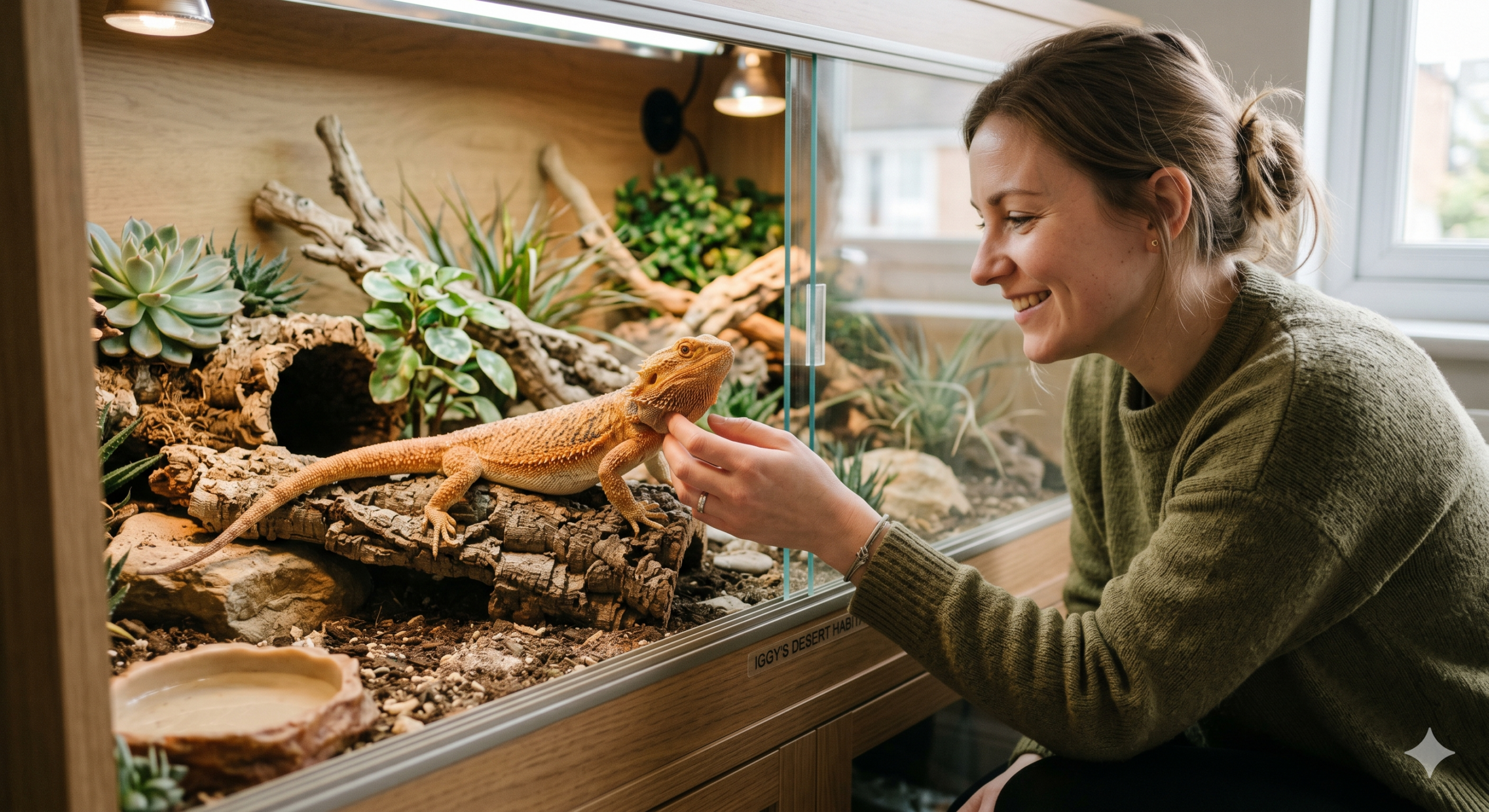
Yesterday morning, I sat quietly by the glass enclosure, watching my old dragon blink sleepily under his basking light. It was a slow, deliberate moment. I remember the absolute panic of those early days when he completely refused every single green leaf I offered, leaving me feeling like an utter failure as a reptile keeper. It takes real patience. You learn to read their subtle shifts over time, noticing how a slight change in posture or a bright golden hue around their eyes speaks volumes about their internal well-being.
Building that silent bond requires consistent daily care, chopping fresh greens at dawn while the house is still completely dark and quiet. It’s an emotional investment that rewards you over a decade of shared life.
Supplements for Bearded Dragons Food: The Missing Link
In an artificial indoor environment, natural sunlight simulation is severely limited, making chemical supplementation non-negotiable. Even with the absolute best Bearded Dragons Food options, they still need high-quality industrial supplements to thrive safely.
Without micro-nutritional dusts, captive reptiles cannot properly process nutrients, leading to permanent structural deformities. Consistent schedules protect their skeletal framework throughout life.
Calcium Powder: Dust their food 3-5 times a week depending heavily on their age and reproductive status. This forms the absolute bedrock of their structural skeletal development.
Multivitamins: Use a specialized reptile multivitamin once a week to ensure they get essential trace minerals and cellular antioxidants. Look for brands utilizing safe beta-carotene sources.
Detailed Feeding Schedules by Age
One of the biggest mistakes owners make with Bearded Dragons Food is feeding the same thing regardless of age. Tailoring the frequency of meals prevents nutritional deficiencies and long-term organ strain.
Hatchlings (0-3 Months)
These tiny dragons are highly efficient growing machines. They need to be fed live insects 2-3 times a day to sustain their cellular expansion. They can easily consume anywhere from 20 to 50 small crickets or roaches daily within brief, timed ten-minute windows.
Juveniles (4-18 Months)
As their frantic skeletal growth naturally slows down, transition them smoothly to once-a-day live insect feedings. Start increasing the overall variety of greens daily to ensure they develop an instinctive taste for salads early on before adulthood.
Adults (Over 18 Months)
Chronic obesity is a major clinical risk during this mature phase of life. Their diet should be primarily vegetarian to match their slowed metabolic expenditure. Feeding live insects only 3-4 times a week is perfectly sufficient to keep them highly active without overtaxing their kidneys.
Nutritional Comparison Matrix
| Food Type | Nutritional Role | Feeding Frequency | Target Age Group |
|---|---|---|---|
| Dubia Roaches | High Protein / Low Fat | Daily to Weekly | All Life Stages |
| Collard Greens | Calcium / High Fiber | Daily Staple | Primarily Adults |
| Black Soldier Fly Larvae | Natural Calcium Boost | 3-4 Times a Week | Hatchlings & Juveniles |
| Fresh Strawberries | Vitamin C / Sugar Treat | Rarely (5% Max) | Occasional Treat Only |
The Art of “Gut-Loading” and Supplementation
The internal nutritional value of any feeder bug depends entirely on what has passed through its own digestive tract. When you provide Bearded Dragons Food, you aren’t just feeding them a bug; you are feeding them whatever that bug last ate hours prior.
Gut-Loading: Exactly 24 hours before introducing insects to your dragon, feed those insects high-quality nutrients like carrots, squash, or specialized commercial insect fuel. This turns a simple, empty cricket into a potent, bio-available nutrient bomb.
Calcium vs. Vitamin D3: If you have high-quality, verified UVB lighting running, you may only need pure calcium without D3. However, most indoor dragons require Calcium with D3 to convert Bearded Dragons Food into energy effectively and prevent Metabolic Bone Disease. Dust the insects by placing them in a plastic bag with the powder and performing a gentle shake-and-bake method until they are lightly coated.
How to Handle a “Picky Eater”
It is incredibly common for adult dragons to suddenly refuse their greens, holding out stubbornly for high-fat animal proteins instead. If your adult dragon is actively ignoring their salad bowl, you must implement behavioral strategies.
The “Topper” Strategy: Grate some bright red strawberries or yellow squash on top of the greens to grab their visual attention immediately. The bright colors stimulate their hunting instinct. For a detailed guide on safe fruit integration, read the bearded dragons eat strawberries article to balance sugars safely.
Bee Pollen: Sprinkle a tiny bit of organic bee pollen over the salad. Most dragons find the sweet, natural scent completely irresistible, which breaks their stubborn fasting cycles quickly.
The Hunger Strike: For completely healthy adults, skipping insect feedings for a couple of days often encourages them to finally try their greens. Do not give in to their stubbornness; a healthy adult can safely go without insects briefly.
Hydration: It’s Not Just About the Water Bowl
Many desert reptiles do not naturally recognize standing, stagnant water inside a small bowl. In the wild, they consume dew drops from leaves, meaning alternative hydration methods are superior.
Misting: Lightly mist their fresh greens with clean water before serving them each morning. This guarantees they ingest vital moisture along with their fibrous food seamlessly.
Bath Time: Providing a lukewarm, shallow soak twice a week allows them to absorb hydration safely through their vent. It also relaxes their muscles and significantly softens stubborn skin during tough shedding periods.
Feeding Safety and Proper Bearded Dragons Food Size
The physical scale of the prey items you choose dictates the safety of their entire digestive process. Never feed your dragon an insect that is physically larger than the exact space between their eyes.
Feeding oversized Bearded Dragons Food directly leads to severe impaction, a critical condition where food material gets permanently stuck within their narrow digestive tract. This creates immense pressure on their spinal cord and can be fatal if not treated immediately by an exotic veterinarian.
Always err on the side of caution when ordering live bugs; smaller prey items are much easier to digest mechanically. Your pet’s long-term safety should always supersede convenience.
Fueling a Decade of Health
Now that you know exactly what to put in your pet’s bowl, it’s time to see the long-term impact of a perfect diet. Proper nutrition is the number one secret to helping your dragon reach its full genetic potential and live a long, vibrant life.
To deepen your understanding of reptile longevity, consult professional veterinary resources like the Association of Reptile and Amphibian Veterinarians (ARAV). Their scientific findings emphasize that a controlled diet mitigates systemic captive stressors effectively.
Curious about how long your pet can live with the right care? Dive into our comprehensive guide: How Long Do Bearded Dragons Live? The Essential Lifespan Guide for Owners to see what milestones to expect at every stage of their journey!
Frequently Asked Questions (FAQ) About Bearded Dragons Food
Q: Can I feed my bearded dragon wild insects from my backyard?
A: Absolutely not. Wild insects routinely carry dangerous parasites and may contain lethal traces of agricultural pesticides or lawn fertilizers that can kill your reptile.
Q: Why is my bearded dragon pooping out undigested insects?
A: This usually indicates either that the basking temperatures inside the enclosure are too low for proper digestion, or the insects being fed are far too large for the dragon’s digestive tract.
Q: How often should I clean out the uneaten food from the tank?
A: Remove uneaten salads within a few hours to prevent spoilage. Live insects should never be left overnight, as they can bite and severely injure a sleeping dragon.