
As a responsible pet owner, recognizing the earliest signs of potential health complications in your reptile companion can mean the ultimate difference between a prompt, successful recovery and a catastrophic, life-threatening crisis. While these magnificent desert creatures are generally robust and resilient, their long-term health, physical vitality, and systemic wellness are highly dependent on their direct environment and nutritional diet.
When domestic setups fail to mimic their natural Australian habitats, biological imbalances occur rapidly. It is a stark reality that captive reptiles cannot survive suboptimal care. In this ultimate diagnostic guide, we will deeply break down the most serious medical conditions, underlying root causes, clinical symptoms, and the subtle evolutionary “red flags” your beautiful pet might be showing you before it is too late.
Understanding the full spectrum of Bearded Dragons Diseases empowers you to act defensively. Reptiles naturally conceal illnesses to avoid predators in the wild, which means that by the time you visibly notice a change in behavior, the underlying physiological damage might already be significantly advanced. Continuous, proactive education is your absolute best tool to combat these invisible threats effectively.
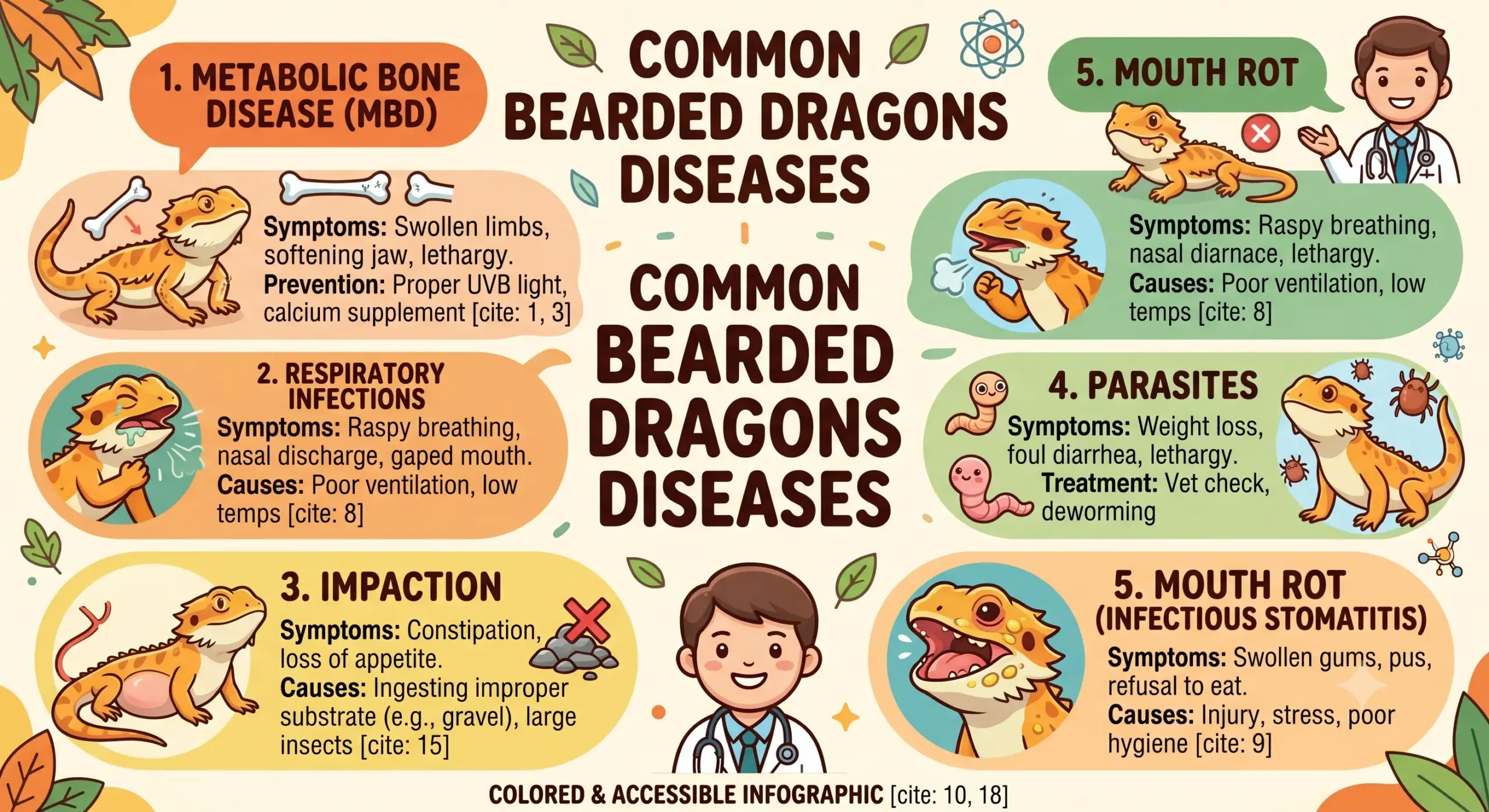
The Crucial Role of Husbandry in Preventing Illnesses
Before thoroughly looking at specific clinical symptoms and medical sub-types, it is profoundly important to note that over 80% of health issues are directly caused by improper husbandry, bad habitat management, and structural setup errors. Your pet’s physiological wellness is inextricably tied to artificial elements.
To successfully safeguard your reptile from these avoidable environmental hazards, you must consistently audit and perfectly optimize three foundational pillars of captive care:
- UVB Lighting: Without high-output, active UVB rays, your reptile cannot synthesize vitamin D3, making it structurally impossible to process dietary calcium efficiently, which inevitably triggers catastrophic bone failure.
- Temperature Gradients: Cold reptiles cannot digest food properly. Suboptimal ambient heat slows down the gastrointestinal tract completely, leading to internal rot, systemic blockages, and total metabolic shutdown.
- Hygiene and Sanitation: Dangerous bacteria thrive rapidly in dirty, moist substrates. Neglected enclosures cause severe, deep skin lesions, progressive belly rot, and infectious respiratory or mouth conditions.
Investing in laboratory-grade digital thermometers, high-end hygrometers, and reputable brand-name UVB bulbs is not an optional luxury for an enthusiast. It is a fundamental life-support requirement. Correcting these vital structural environmental inputs today eliminates the vast majority of pathogenic risks before they ever materialize into expensive, painful veterinary emergencies.
1. Adenovirus (Atadenovirus) — The Invisible Neurological Threat
Often casually called “Star-Gazing” disease by regional breeders and hobbyists, Atadenovirus is undoubtedly one of the most destructive viral infections currently circulating worldwide, showing an incredibly high mortality rate in juvenile populations.
This aggressive pathogen primarily attacks the central nervous system, gastrointestinal tract, liver, and vital organs simultaneously. It is typically transmitted via direct fecal-oral contact, contaminated handling tools, or passed down directly from infected parental biological lines during breeding processes.
The standard clinical signs of this viral infection include severe neurological tremors, backward head tilting where the lizard stares blankly at the sky, unpredictable seizures, rapid weight loss, and total full-body lethargy. Tragically, this virus is highly contagious and permanently weakens the host immune system, making them incredibly prone to secondary bacterial infections.
Currently, there is no medical cure for Atadenovirus. Treatment focuses solely on strict quarantine protocols, aggressive supportive fluid therapies, assisted feeding regimens, and minimizing environmental stress to give the animal a fighting chance at survival.
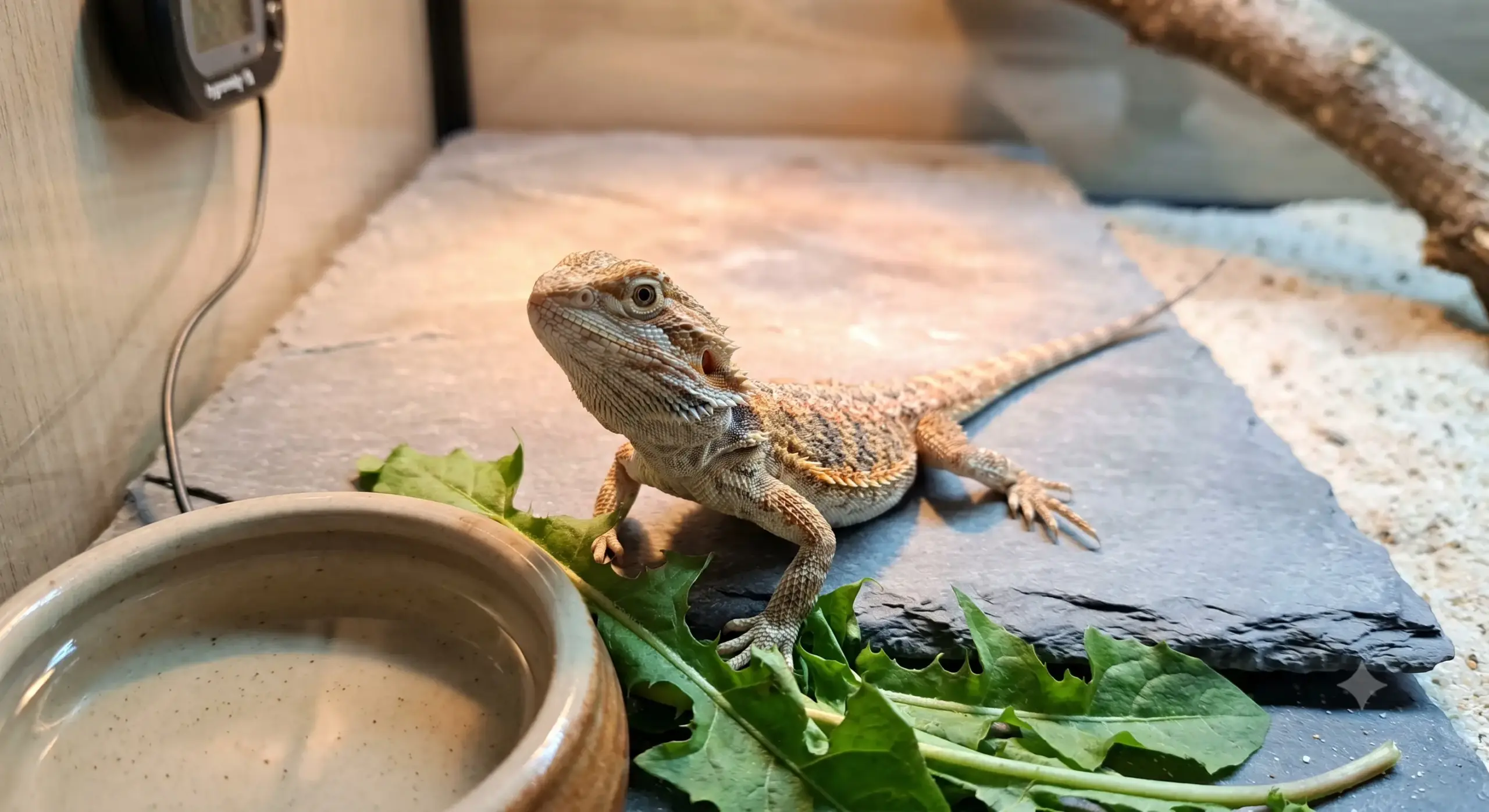
2. Parasitic Infestations (Coccidia and Pinworms)
Internal microscopic parasites are technically present in small, manageable quantities within the digestive tracts of almost all captive reptiles. However, these organisms quickly transform into dangerous conditions when their numbers spin completely out of control due to chronic stress, poor sanitation, or low immunity.
Coccidia, flagellates, and pinworms are the most common offenders found in domestic enclosures. When overcrowding, incorrect thermal gradients, or dirty conditions persist, these parasites multiply exponentially, severely damaging the delicate lining of the gastrointestinal tract and blocking nutrient absorption.
The definitive warning signs of an out-of-control parasitic load include incredibly smelly, runny, or bloody stool, rapid emaciation despite maintaining a decent appetite, and an overall lack of physical energy. If left completely untreated, intense parasitic burdens cause severe dehydration, cloacal prolapses, and systemic organ failure.
Scheduling a comprehensive, yearly fecal examination by an experienced exotic veterinarian is the absolute best way to keep parasites in check. Early detection allows for targeted, safe oral deworming medications before your pet suffers significant internal tissue damage.
3. Tail and Toe Rot — Progressive Traumatic Gangrene
Tail and toe rot are common physical manifestations of progressive peripheral gangrene. It occurs when blood flow to the extremities becomes severely restricted, or when a seemingly minor physical injury becomes deeply infected by opportunistic environmental bacteria.
Common triggers include retained sheds that contract tightly around the tail tip like a tourniquet, aggressive cage-mate nips, or sharp decor objects within the enclosure. Once the blood supply is completely severed, the localized tissue dies rapidly, inviting necrotic infections to take hold.
Visually, the signs are unmistakable: the tip of the tail or individual toes will turn dark black, dry out completely, shrink in size, and eventually become brittle and hard. If not treated aggressively by a specialist, the underlying bacterial infection will inevitably travel up the bloodstream, causing fatal sepsis.
Early-stage cases can sometimes be halted with topical antiseptic soaks and prescribed systemic antibiotics. However, advanced tissue necrosis typically requires surgical amputation of the affected area by an exotic vet to effectively save the lizard’s life.
4. Egg Binding (Dystocia) in Mature Females
For female owners, dystocia stands out as an incredibly critical, terrifyingly sudden condition to watch for constantly. It happens when a gravid female is physically unable to pass her developed eggs naturally from her reproductive tract.
This life-threatening condition can occur in both mated and unmated females, as they can lay infertile clutches without male presence. The primary root causes include severe calcium deficiencies, malformed eggs, lack of a proper, deep moisture-rich digging lay-box, or general physical exhaustion.
Watch for sudden restlessness, frantic digging in the corners of the glass, extreme lethargy, and a visibly bloated abdomen where you can sometimes feel the hard, round lumps of retained eggs. This is a severe medical emergency that often requires immediate surgical intervention to prevent a fatal rupture.
The Human Experience: A Personal Journey Through Reptile Care
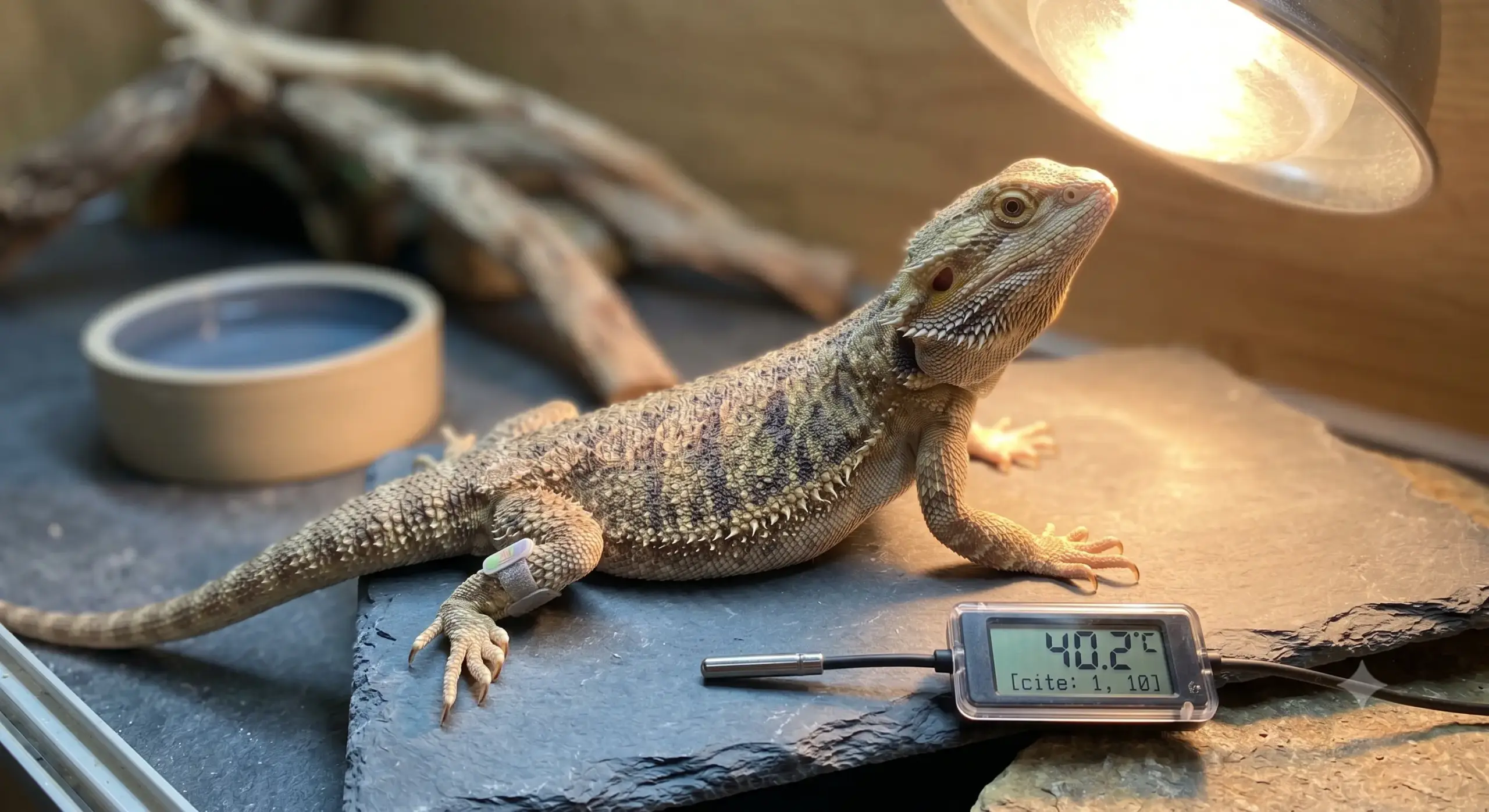
Silence filled the room. My heart sank as I stared into the enclosure. Rocky, my three-year-old companion, lay completely flat on his basking slate, his usually bright, curious eyes partially closed and dull. He refused his favorite greens. He wouldn’t even look at a moving dubia roach. Panic, cold and sharp, immediately set in. I knew something was fundamentally wrong. Why did I miss the signs? Was it the temperature? Had the UVB bulb lost its invisible power output unnoticed?
Days turned into a blur of meticulous humidity tracking, veterinary consultations, and syringe-feeding warm critical care formulas every single morning. It takes an incredible amount of patience to nurse a sick reptile back to life. They don’t whine like dogs. They don’t cry like cats. They just sit there, suffering in absolute silence, relying entirely on your ability to read their subtle body language. One morning, he finally opened his eyes wide, looked up, and slowly grabbed a fresh leaf from my hand. The relief was overwhelming. That tiny, simple movement felt like winning a championship. It taught me that keeping these creatures alive isn’t about setting up a tank and walking away; it is a deep, emotional partnership built on daily observation, silent dedication, and unconditional care.
Comprehensive Comparison Matrix of Major Reptile Conditions
To help you quickly differentiate between various common Bearded Dragons Diseases, analyze this structured diagnostic comparison matrix detailing severity levels, primary vectors, and standard clinical interventions:
| Condition Name | Primary Vector/Cause | Critical Warning Signs | Urgency & Treatment |
|---|---|---|---|
| Atadenovirus | Viral Pathogen (Infectious) | Star-gazing, seizures, tremors, heavy lethargy | Critical / Supportive therapy and isolation |
| Parasitic Load | Microscopic Coccidia / Pinworms | Foul-smelling diarrhea, rapid emaciation | Moderate / Target oral dewormers |
| Tail/Toe Rot | Poor shed / Bacterial infection | Black, shriveled, brittle extremities | High / Antibiotics or surgical amputation |
| Dystocia | Lack of nesting box / Low Calcium | Frantic digging, bloated belly, exhaustion | Emergency / Hormonal shots or surgery |
| Metabolic Bone | Severe lack of UVB and Calcium | Soft jaw, twitching limbs, stunted growth | High / Correcting lighting and heavy supplementation |
How to Monitor Your Dragon’s Health Daily
To consistently keep your exotic pet in the ultimate safe zone and prevent advanced Bearded Dragons Diseases, you must perform a structured daily physical inspection. Cultivating this quick habit allows you to spot subtle deviations before they become severe crises:
- The Eyes: They should always be perfectly clear, bright, wide open, and highly alert, never sunken, crusty, or swollen shut.
- The Vent (Cloaca): The entire area must be completely clean, dry, and entirely free of caked-on waste, dried blood, or prolapsed internal tissues.
- General Behavior: Your lizard must be actively basking under the heat lamp during the day, showing normal energy, and moving with coordinated limbs.
- The Skin and Scale Integrity: Check for random dark patches, unexplained yellow crust, or deep lesions along the belly and tail areas.
For more detailed scientific guidelines regarding exotic reptile pathology, husbandry adjustments, and worldwide veterinary standards, always consult the official educational resources provided by the Association of Reptilian and Amphibian Veterinarians (ARAV). They offer peer-reviewed data to support your husbandry journey perfectly.
Frequently Asked Questions (FAQ)
Q: Can humans catch any dangerous pathogens from reptiles?
A: Yes, reptiles naturally carry Salmonella bacteria in their intestinal tracts without being sick themselves. This can cause severe gastrointestinal illness in humans. Always wash your hands thoroughly with antibacterial soap immediately after handling your pet or cleaning their enclosure.
Q: How often should I replace my reptile’s UVB bulb to prevent bone deformation?
A: Standard T8 and T5 UVB linear fluorescent bulbs must be replaced every 6 to 12 months, even if they are still producing visible light. The invisible, crucial UVB output degrades significantly over time, rendering the bulb completely useless for calcium synthesis.
Q: Why is my bearded dragon’s beard turning solid black?
A: A black beard is a universal sign of stress, fear, territorial aggression, or physical pain. If your lizard’s beard stays completely black for multiple days while accompanied by extreme lethargy, it is a major red flag indicating an underlying health issue.
Q: What should I do if I suspect my pet is developing a serious illness?
A: You should immediately isolate the animal, check your enclosure’s temperature and UVB parameters, and schedule an appointment with a certified exotic veterinarian. Standard cat and dog vets usually lack the specialized training needed to treat reptiles effectively.
Conclusion: Staying Ahead of Environmental Hazards
In conclusion, diagnosing and preventing chronic Bearded Dragons Diseases boils down to your consistency as an exotic pet keeper. By keeping an immaculate enclosure, providing high-quality supplementation, and tracking behavioral shifts, you guarantee a thriving lifespan for your companion. Do not wait for symptoms to worsen; dynamic action prevents severe issues from taking root in your home sanctuary.