
As a dedicated reptile owner, ensuring the vibrant health and longevity of your companion is your ultimate responsibility. However, these fascinating creatures are evolutionary masters at concealing physical weakness. In the wild, displaying vulnerability transforms a reptile into immediate prey, a deep survival instinct they retain in captivity.
By the time an untrained observer notices obvious changes, the underlying pathological condition might have progressed significantly. Recognizing subtle shifts early is crucial to achieving a positive clinical outcome. If a newcomer assumes their Bearded Dragon is Sick, immediate intervention and structural habitat adjustments become paramount to recovery.
Understanding Reptilian Illness Dynamics
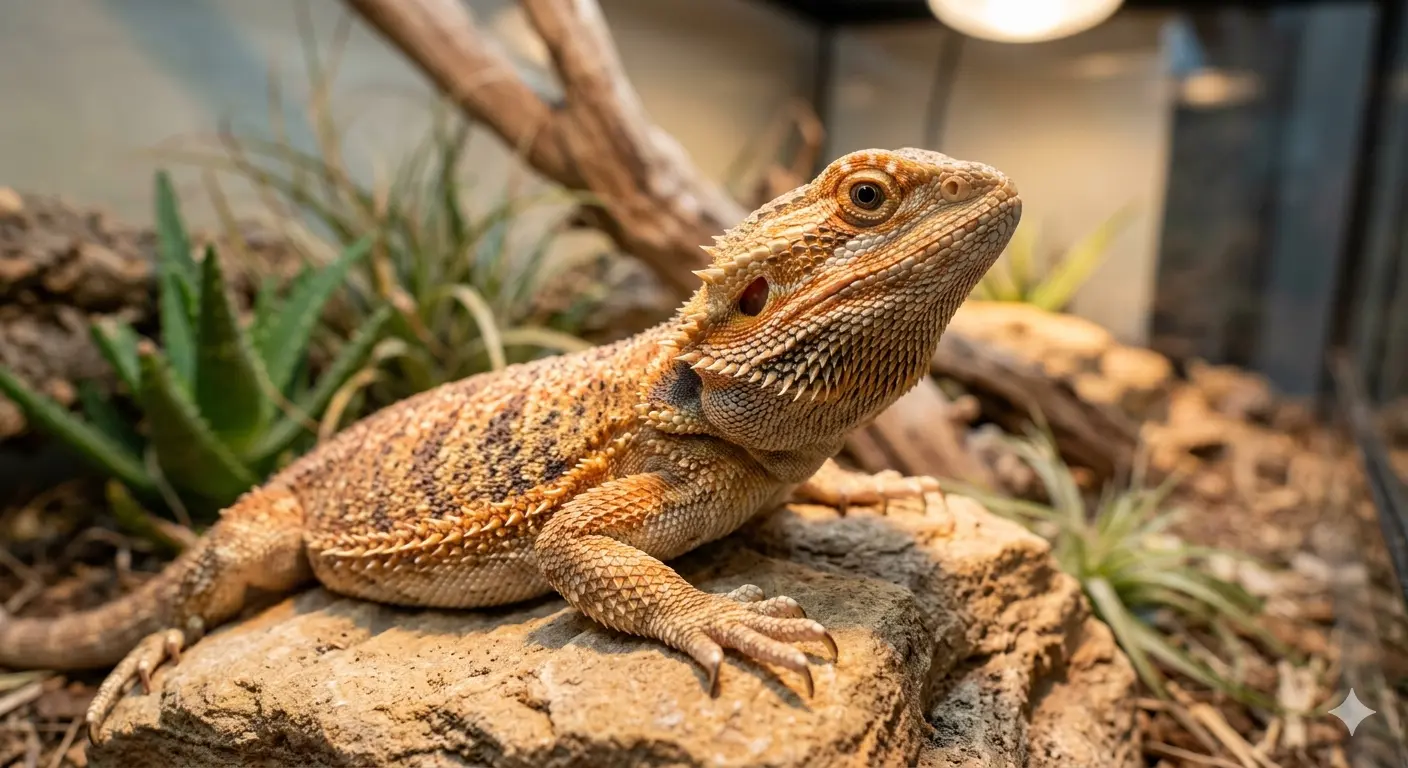
Reptiles possess metabolic profiles distinctly different from domestic mammals, meaning diseases often progress at a slower yet more deeply rooted pace. Environmental factors almost universally govern their biological systems, making husbandry the baseline of health. When a home enclosure fails to mimic natural Australian climates, metabolic breakdown follows quickly.
Observing daily behavioral patterns establishes a clinical baseline for your pet’s standard physiological state. Small discrepancies in locomotion, eye clarity, and general responsiveness provide early diagnostic clues. Frequently, identifying that a Bearded Dragon is Sick requires analyzing micro-behaviors rather than waiting for overt physical failure.
1. Profound Lethargy and Chronic Energy Loss
Basking constitutes a major portion of a healthy reptile’s daily routine under proper thermal gradients. However, a sharp distinction exists between relaxed basking and true systemic lethargy. If your companion remains completely immobile in the cold zone for consecutive days, deep physiological distress is likely occurring.
Chronic lack of energy frequently points to incorrect ambient thermal ranges within the captive environment. Reptiles depend entirely on external heat to catalyze cellular energy production and facilitate systemic circulation. Without proper heat, their internal biological processes stall, mimicking the symptoms observed when a Bearded Dragon is Sick.
Critical Temperature Assessment Protocol
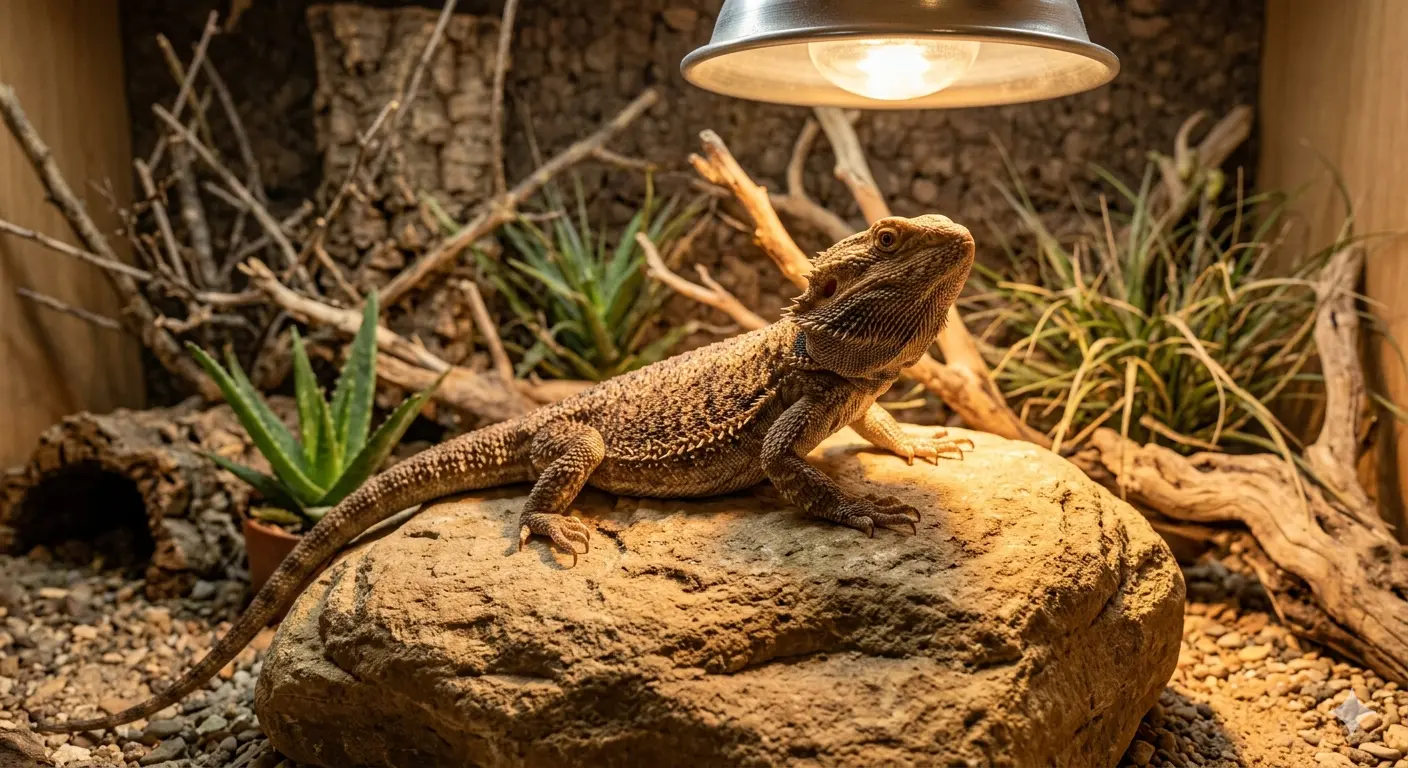
Immediate ambient evaluation remains your primary defensive measure against suspected systemic decline. Ensure the primary basking zone consistently maintains a targeted temperature range between 38°C and 42°C. Use highly accurate digital thermometers with physical probes to verify these parameters directly at the basking surface.
If the microclimate perfectly matches these requirements yet the deep lethargy persists, internal pathology must be considered. Metabolic bone disease, parasitic infestations, or systemic infections could be depleting the animal’s core energy reserves. Professional veterinary diagnostics become necessary to identify the structural origin of the lethargy.
2. Prolonged Loss of Appetite and Nutritional Refusal
A thriving reptile exhibits a robust, highly predictable feeding response toward both live insects and nutrient-dense greens. While short-term dietary shifts can occasionally happen during shedding cycles, complete nutritional refusal exceeding forty-eight hours warrants concern. Food rejection serves as a primary non-specific indicator of moderate to severe internal discomfort.
Appetite suppression typically occurs when the gastrointestinal tract slows down due to systemic inflammation or physical blockages. When an animal stops processing nutrients, its body rapidly depletes stored body fat and muscular glycogen. This progressive wasting state confirms that a Bearded Dragon is Sick and requires clinical attention.
Impaction and Infectious Considerations
Gastrointestinal impaction ranks among the most frequent causes behind sudden, complete dietary refusal in captive populations. Substrates consisting of loose sand, small pebbles, or large chitinous prey items can easily lodge within the delicate intestinal tract. This blockage prevents normal digestion, triggers intense pain, and completely halts the animal’s natural drive to feed.
Alternatively, acute respiratory or systemic infections can induce severe nausea and physical discomfort, eliminating hunger. When internal inflammation rises, the biological drive shifts exclusively toward survival, shutting down less immediate processes like digestion. Addressing the root cause promptly prevents irreversible metabolic decline.
3. Sunken Eyes and Advanced Dehydration
Proper fluid balance regulates cellular function, joint lubrication, and efficient waste elimination via the renal system. Because desert reptiles absorb moisture efficiently, true dehydration indicates either a poor habitat setup or an advanced disease process. Visually, the ocular globes provide an immediate window into the animal’s systemic hydration status.
When fluid volumes drop below critical operational thresholds, the tissue surrounding the ocular sockets loses structural turgor. The eyes consequently appear deeply sunken, dull, and recessed into the cranium. This specific physical presentation is a serious warning sign that a Bearded Dragon is Sick and requires fluid therapy.
The Elasticity Skin Pinch Assessment
To evaluate hydration levels accurately, perform a gentle skin elasticity test directly along the animal’s lateral torso or back. Carefully pinch a tiny fold of skin between your fingers and observe how quickly it returns to its original position. In a properly hydrated individual, the tissue instantly snaps back flat against the body wall.
If the pinched tissue forms a rigid “tent” and hesitates to smooth out, severe systemic dehydration is confirmed. Prolonged dehydration causes concentrated cellular toxins, increases blood viscosity, and exposes the kidneys to severe, permanent damage. Immediate oral rehydration or subcutaneous fluid administration by an exotic vet is critical.
4. Abnormal Gastrointestinal Droppings and Parasitic Signals
Analyzing fecal waste provides direct insights into internal digestive health and liver function. Normal droppings consist of a solid, dark brown fecal portion paired with a distinct, firmly formed white urate section. Any persistent deviation from this structural norm points to gastrointestinal or metabolic instability.
Loose, watery, or bloody stool indicates severe mucosal irritation within the lining of the large or small intestines. Chronic diarrhea rapidly strips the body of vital electrolytes and fluids, compounding any existing illness. Such digestive disruptions are clear signs that a Bearded Dragon is Sick and requires diagnostic screening.
Urate Discoloration and Odor Significance
The white urate portion represents filtered metabolic nitrogenous waste processed through the kidneys without excessive water loss. If the urate exhibits a distinct yellow or dark orange coloration, underlying hepatic distress or severe dehydration is occurring. Healthy urates should never appear chalky, deeply yellowed, or mixed with bloody streaks.
Furthermore, an intensely foul, sweet, or unusually pungent odor coming from fresh droppings strongly suggests an overgrowth of intestinal parasites. Microscopic coccidia or pinworms regularly compromise the intestinal lining, blocking nutrient absorption and causing systemic weight loss. A professional fecal flotation test is necessary to identify the parasites.
The Human Experience: A Caregiver’s Silent Devotion
I remember sitting by the enclosure for hours during a freezing winter night. The room was totally silent. My breath caught in my throat every single time his chest moved because his strength seemed entirely gone. It was terrifying. You look at this tiny, prehistoric creature resting in your palm, feeling his dry scales against your skin, and you realize how deeply bonded you have become over the years. Giving up was never an option. I meticulously checked the thermostats every fifteen minutes while applying warm, shallow baths to support his failing system. It required endless patience. Slowly, his eyes regained their bright, curious look. That tiny spark of life returned. The emotional weight lifted instantly, proving that our quiet, persistent care bridges the gap between vulnerability and true recovery.
5. Mouth Rot (Infectious Stomatitis)
Infectious stomatitis, commonly referred to as mouth rot, is a painful bacterial disease affecting the oral cavity. It typically takes hold when oral tissues suffer minor scratches from rough furnishings or improper feeder insects. If the immune system is already suppressed by poor husbandry, opportunistic oral bacteria multiply unchecked.
As the infection progresses, visible inflammatory exudate accumulates along the upper and lower jawlines. This material looks like yellowish-white, cottage-cheese-like discharge clinging to the teeth and gums. Spotting these oral lesions confirms that a Bearded Dragon is Sick and requires targeted antibiotic therapy.
| Symptom Observed | Potential Root Cause | Immediate Action Required |
|---|---|---|
| Severe Lethargy | Low Basking Temperature / MBD | Verify thermal gradients; consult vet |
| Sunken Ocular Globes | Advanced Systemic Dehydration | Perform skin test; provide shallow bath |
| Mouth Rot Exudate | Bacterial Stomatitis Infection | Isolate animal; seek veterinary antibiotics |
| Foul, Watery Stool | Intestinal Parasite Overgrowth | Collect fresh sample for fecal testing |
| Persistent Black Beard | Acute Pain / Chronic Stress | Optimize habitat parameters immediately |
6. Labored Breathing and Acute Respiratory Infections
The respiratory system of a reptile is highly efficient but lacks a muscular diaphragm, making clearing airway fluids difficult. When exposed to excessive humidity or poor ventilation, opportunistic airborne bacteria readily colonize the lungs. This leads to a rapid build-up of inflammatory fluids within the respiratory tract.
Affected individuals often sit with their necks extended upward, opening their mouths wide to maximize oxygen intake while stationary. You might also hear audible clicking, wheezing, or bubbling sounds during exhalation. These clear signs show a Bearded Dragon is Sick with a respiratory infection, needing prompt medical care.
7. Prolonged Color Alterations and the Chronic Black Beard
Reptiles use specialized pigment cells called chromatophores to alter their body coloration for thermoregulation and communication. A temporary darkening of the throat beard is a normal reaction to brief stress, territorial displays, or courtship. However, when the beard stays solid black for days, it indicates a deeper issue.
A persistent black beard, paired with a darkened body, indicates the animal is experiencing severe, unmanaged internal pain. This visual change is an involuntary physiological response to intense discomfort or environmental distress. Observing this ongoing color shift means a Bearded Dragon is Sick and needs comprehensive diagnostic evaluation.
Prevention Through Superior Environmental Design
Many of the critical health emergencies detailed above stem directly from subtle defects within the captive setup. Improper lighting arrays, incorrect UV-B wavelengths, or inadequate enclosure dimensions cause chronic, debilitating biological stress. To safeguard your companion against these preventable illnesses, explore our comprehensive setup blueprint: The Ultimate 2026 Bearded Dragon Habitat Setup Guide: Everything You Need to Know.
Comprehensive Owner Protocol and Veterinary Care
When multiple warning signs occur together, home care alone is rarely enough to resolve advanced bacterial or metabolic conditions. Delaying professional treatment allows infections to spread to vital internal organs, reducing the chances of a full recovery. Consulting a qualified exotic veterinarian ensures access to targeted diagnostics like bloodwork, radiography, and fecal analysis.
For more detailed information on reptile diseases and clinical treatments, review guidelines from the Association of Reptile and Amphibian Veterinarians (ARAV). Early clinical detection, proper medication, and a well-optimized habitat form the foundation for a long, healthy life. Recognizing early when a Bearded Dragon is Sick gives your pet the best chance at a full recovery.