
Proper nutrition is the cornerstone of axolotl longevity and vibrant health in captivity. While many beginners mistakenly believe that any standard fish flake or floating pellet will suffice, their biological reality is far more complex and demanding. Therefore, implementing a professional Axolotl Nutrition Guide is essential for providing these unique aquatic creatures with a specialized diet tailored to their carnivorous adaptations.
In this comprehensive guide, we will apply professional dietary concepts to help you create a balanced, nutrient-dense meal plan. By utilizing a proven Axolotl Nutrition Guide, keepers can easily avoid common metabolic diseases, systemic stress, and digestive issues. This professional framework will elevate your animal husbandry standards and ensure your unusual aquatic pet enjoys optimal, long-term physiological vitality.
To master their care, one must look closely at their ancestral roots in the ancient lake systems of Mexico. Replicating those natural nutritional values in an artificial home environment requires consistency, high-quality sourcing, and careful portion control. Let us dive deep into the essential dietary requirements and foundational feeding strategies every responsible keeper must implement today.
The Biological Foundations of the Axolotl Nutrition Guide
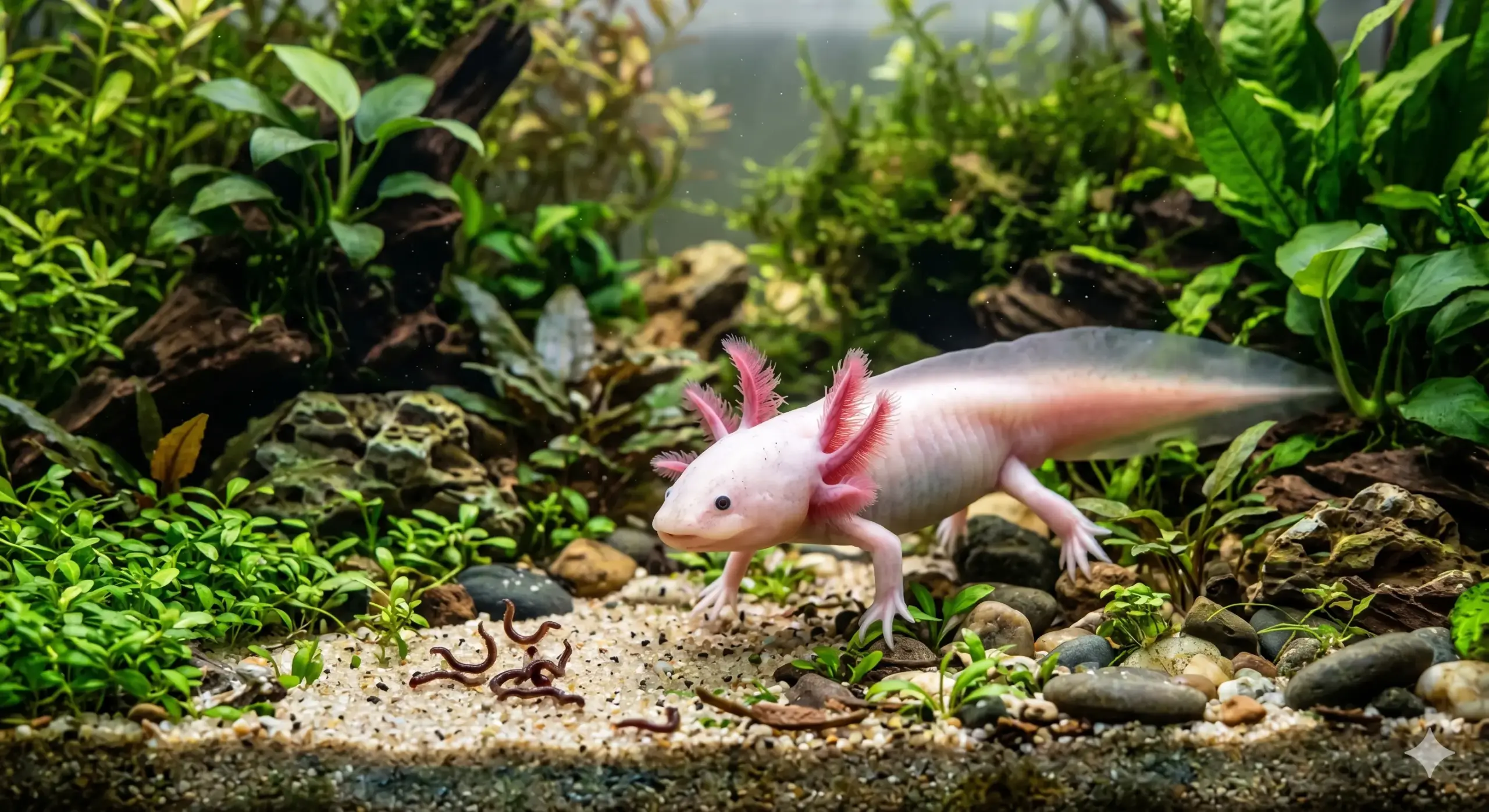
In their natural habitat of Lake Xochimilco, axolotls function as efficient, opportunistic apex predators within their localized ecosystems. Their wild diet consists of a varied assortment of small fish, wild mollusks, aquatic insects, and various soft-bodied invertebrates. To properly replicate this specialized intake in captivity, keepers must follow an Axolotl Nutrition Guide focused on specific macronutrient ratios.
A biologically appropriate diet for these animals must be highly concentrated in proteins, moderate in healthy fats, and exceptionally low in carbohydrates. Unlike herbivorous or omnivorous fish species, these amphibians completely lack the complex digestive enzymes necessary to break down plant matter. Consequently, missing the principles of a solid Axolotl Nutrition Guide can cause serious health complications for your pet.
When shopping for commercial foods, read labels meticulously to filter out products that rely heavily on cheap agricultural fillers. Ingredients like processed soy, corn meal, or wheat gluten can lead to chronic bloating, severe impaction, and long-term organ failure. Your primary feeding strategy should prioritize raw, whole-animal proteins that match their physiological evolutionary design perfectly.
Furthermore, their hunting mechanism is entirely based on a vacuum-like suction action rather than active chewing or tearing food items. They swallow their prey completely whole, which means the physical structure and density of their food play a massive role in digestion. Following a structured Axolotl Nutrition Guide ensures you choose soft, easily digestible items that eliminate the risk of obstructions.
Staple Foods in the Axolotl Nutrition Guide: Golden Standards
If there is one specific food item that meets the absolute highest standards of this comprehensive guide, it is the humble nightcrawler. Earthworms and nightcrawlers provide an unparalleled nutritional profile that perfectly aligns with the metabolic requirements of growing and adult salamanders alike. They are widely considered by veteran herpetologists to be the ideal staple food for daily husbandry.
These terrestrial worms offer an excellent, natural balance of calcium and phosphorus, which is absolutely vital for skeletal development. Maintaining a proper calcium-to-phosphorus ratio prevents metabolic bone disease, a tragic condition that causes painful skeletal deformities and systemic weakness. Additionally, an Axolotl Nutrition Guide always highlights earthworms for their moisture content, which significantly aids smooth digestion.
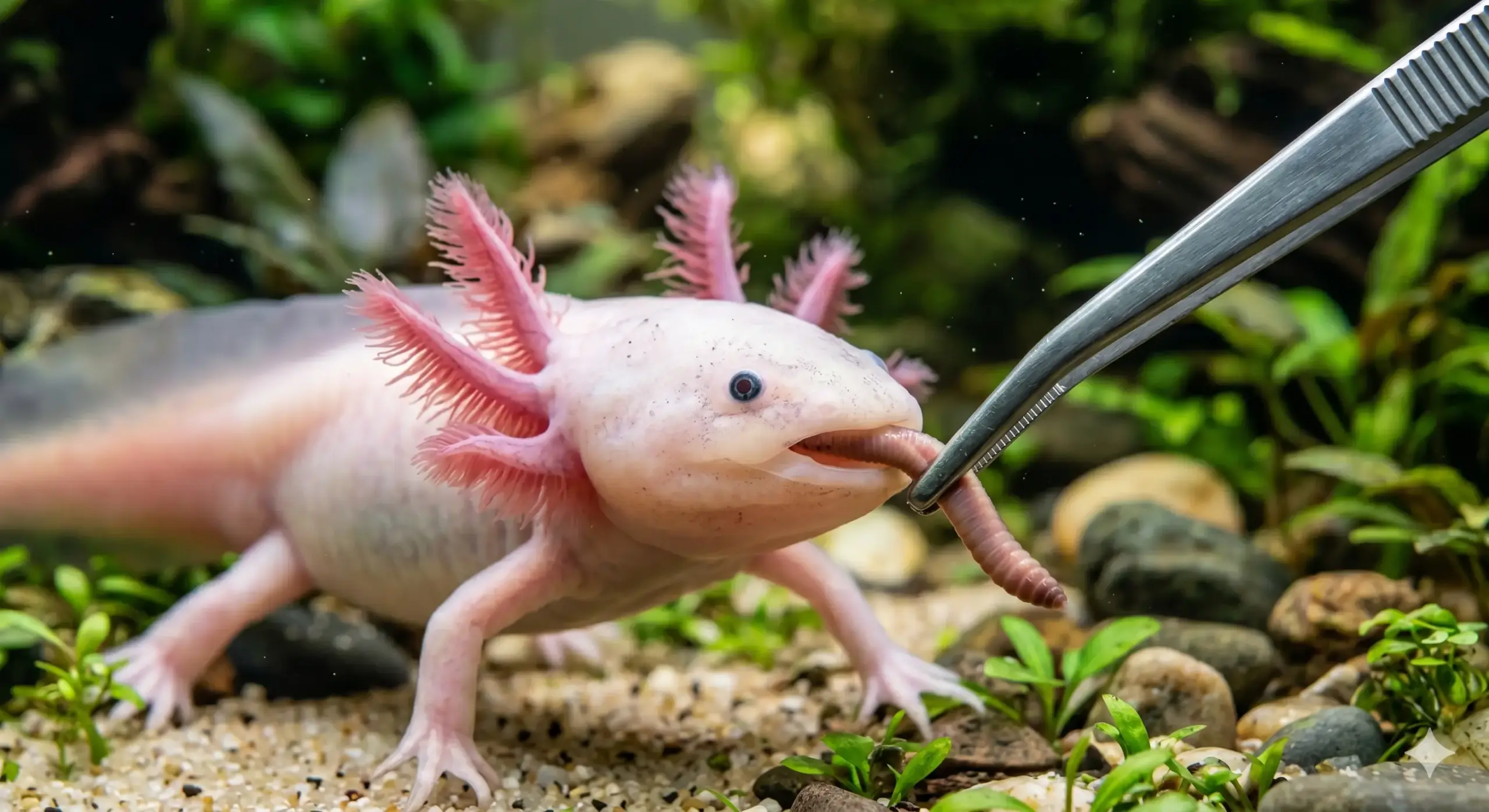
If your aquatic pet is particularly young, small, or exhibiting picky behavior, try cutting the live worms into smaller pieces. Slicing the worm into manageable fragments makes it much easier for juveniles to swallow without choking or regurgitating their meal. This simple preparation step ensures your pet receives premium, nutrient-dense calories safely without causing undue physical stress.
Always source your earthworms from reputable pet suppliers or certified organic bait shops to avoid introducing dangerous environmental toxins. Any reliable Axolotl Nutrition Guide will warn you against harvesting wild worms from backyard soil exposed to chemical fertilizers. Pure, clean worms ensure that your aquatic companion remains completely insulated from accidental chemical poisoning events.
Professional Husbandry Standards and Nutrient Density
When evaluating aquatic pet food options, global veterinary networks emphasize the critical importance of evaluating total nutrient density. For an amphibian, this means ensuring the macronutrient profile consists of 40% to 50% crude protein for tissue regeneration. This high protein density is uniquely critical for these animals due to their famous ability to fully regenerate lost limbs.
The ideal diet must also contain a moderate fat content ranging strictly between 10% and 15% of total dry matter. These lipids provide the essential metabolic energy required for sustainable growth, daily activity, and optimal cellular membrane repair mechanisms. However, exceeding these fat recommendations can quickly result in dangerous lipid deposits within their internal organs over time.
Vitamins and minerals, particularly Vitamin A and Vitamin D3, are absolutely crucial for maintaining their slime coat and skin integrity. In an ideal setup, these microelements are obtained naturally through the consumption of high-quality, gut-loaded live prey items. Balancing these micronutrients ensures your pet builds a robust immune system capable of fighting off opportunistic bacterial infections.
To help you visualize these professional standards, look closely at the target values recommended by veterinary nutritionists worldwide. Adhering to these specific parameters will safeguard your pet against malnutrition and obesity-related complications throughout its life. Let us examine how common aquarium foods stack up against these strict biological criteria.
| Food Type | Protein Content | Fat Content | Nutritional Role | Recommended Frequency |
|---|---|---|---|---|
| Nightcrawlers (Earthworms) | High (~60%) | Moderate (~10%) | Primary Staple Diet | Ideal for every feeding |
| Salmon Pellets (Sinking) | High (45-50%) | Moderate (12-15%) | Excellent Convenient Staple | Alternated with live food |
| Frozen Bloodworms | Moderate | Low | Dietary Treat Only | Maximum 10% of total diet |
| Mammalian Meat (Beef/Chicken) | High | High (Inappropriate fats) | Dangerous / Avoid Fully | Never feed to amphibians |
Selecting Sinking Pellets Using the Axolotl Nutrition Guide
While utilizing live food is always the preferred method, many modern keepers use commercial pellets for daily convenience. However, it is vital to recognize that not all commercial aquarium pellets are created with equal quality or care. When reading the manufacturing label, always ensure that the first three primary ingredients listed are entirely animal-based proteins.
Look specifically for high-quality components such as whole fish meal, processed shrimp meal, or nutrient-rich krill meal on the packaging. You must strictly avoid products that list vague terms like “animal meal by-products” or place grain fillers first. Whole-animal proteins provide the complete amino acid profile required to maintain strong muscle mass and excellent gill health.
The physical properties of the pellet are just as crucial as the internal ingredients for this unique species. A core rule in our Axolotl Nutrition Guide is to buy exclusively “sinking” pellets, as these bottom-dwelling amphibians feed from the substrate. Floating foods force them to swim to the surface, which alters their natural behavior and introduces systemic health risks.
When an amphibian attempts to eat floating food from the surface, it often accidentally gulps down large pockets of air. This trapped atmospheric air accumulates directly inside their digestive tract, creating painful gas bubbles that completely disrupt their natural buoyancy. This leads directly to distressing swimming difficulties where the animal floats helplessly at the top of the water.
Treats, Supplements, and Feeder Fish Risks
It is incredibly tempting for enthusiastic keepers to spoil their aquatic pets with frequent treats like frozen bloodworms. While these amphibians absolutely love the taste of bloodworms, these tiny larvae function like sugary candy for the animal. They are notably high in iron but severely lack the essential balance of minerals required for long-term skeletal support.
To prevent nutritional deficiencies, bloodworms and similar treats should never make up more than 10% of the total diet. Treat them as occasional behavioral rewards or training tools rather than substituting them for nutrient-dense whole earthworms or pellets. Maintaining this strict boundary protects your exotic pet from developing dangerous systemic imbalances or becoming an incredibly picky eater.
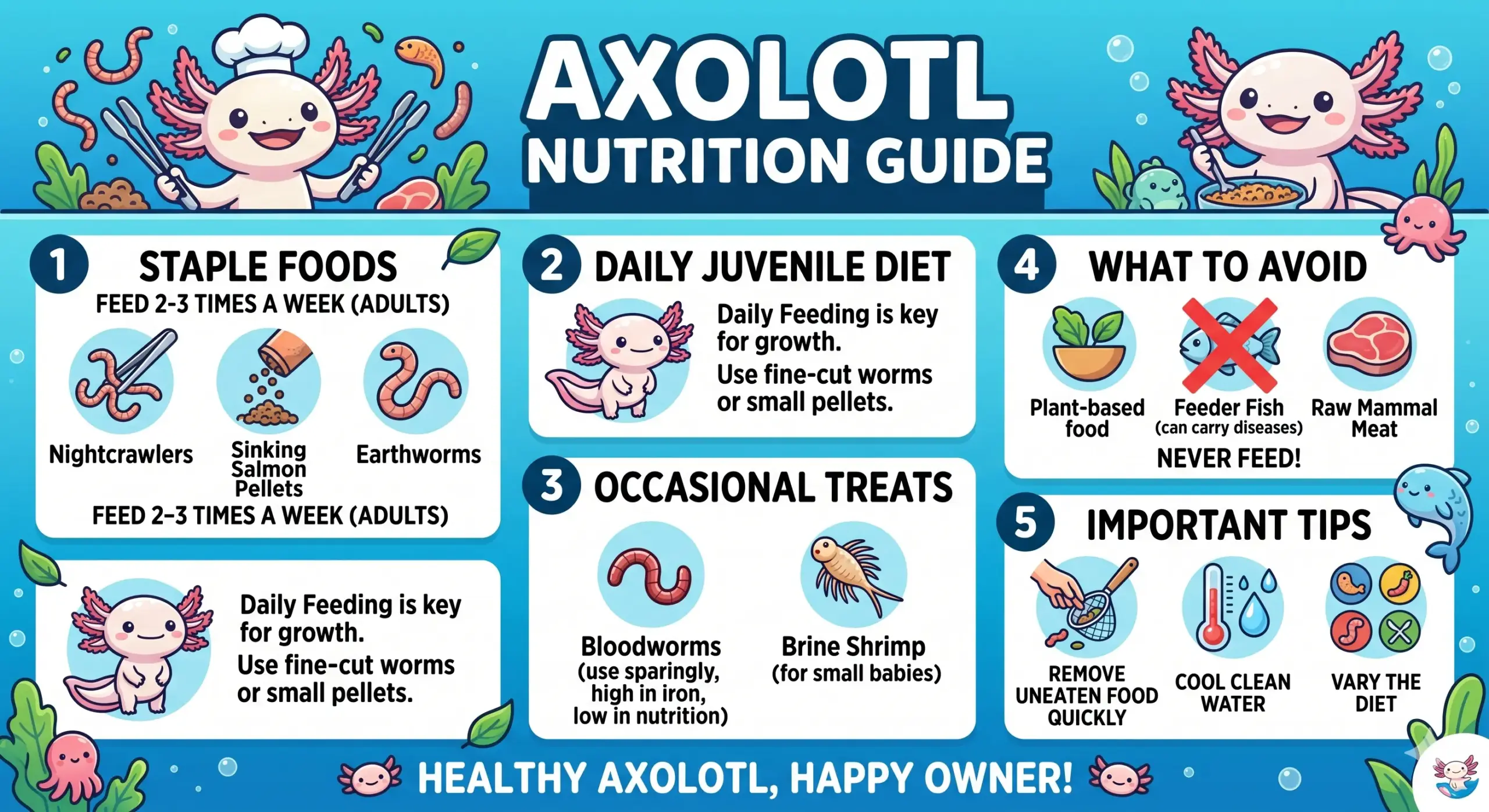
Introducing live feeder fish to the aquarium environment carries massive biological risks and should be approached with extreme caution. Cheap feeder fish from commercial pet stores are notoriously famous for carrying lethal internal parasites and contagious bacterial diseases. If a pathogen enters your closed aquatic ecosystem, it can quickly prove fatal to your sensitive, porous-skinned amphibian.
If you absolutely choose to introduce live fish, you must quarantine those feeders in a separate tank for 30 days. Observe the feeder fish closely for any signs of illness, fungal growths, or unusual swimming behaviors during this period. Furthermore, completely avoid goldfish or rosy red minnows, as they contain high levels of thiaminase, which blocks vitamin absorption.
The Human Experience: A Lifelong Bond Built on Patience
I remember the quiet panic of the first week. My new companion sat motionless on the sand. Gills flared. Wide, unblinking eyes stared into the glass emptiness. He refused every single piece of food I offered. Pellets sank and turned to fuzzy mold. I felt like an absolute failure as a keeper. The silence of the room amplified my growing anxiety.
Then, I learned about trust. I bought fresh nightcrawlers and grabbed my long metal feeding tongs with trembling fingers. Dangling a small, wriggelling worm segment right in front of his face felt like an exercise in extreme patience. No movement for three long minutes. My hand cramped up. I held my breath, waiting in the dim room light.
Snap! A sudden, violent vacuum suction echoed through the water glass. The worm vanished instantly into his mouth. My heart leaped with pure, unadulterated joy. In that single, chaotic moment, a deep emotional connection was permanently forged between us. Husbandry transformed from a stressful daily chore into a beautiful, rewarding dance of mutual understanding.
Years have passed since that first successful feeding session. Now, whenever my shadow approaches the aquarium glass, he swims forward eagerly with his gills waving gently. It takes time for an amphibian to map your presence to safety. Watching them thrive rewards every second of your quiet dedication. That bond is worth every bit of patience.
Managing Feeding Frequency and Quantity Over Time
The exact amount of food you provide your pet depends heavily on its specific age group and water temperature. Rapidly growing juveniles require feeding on a strict daily basis to satisfy their intense, fast-paced metabolic demands. They need a continuous influx of clean energy and dense protein to properly develop their delicate cartilaginous skeletons.
As your pet matures into a fully grown adult, its internal metabolic rate slows down quite significantly. Adult individuals should be fed a substantial meal only once every two to three days to maintain weight. Overfeeding an adult animal leads directly to chronic obesity, hepatic lipidosis, and severe water quality degradation from excess waste.
To ensure total physical safety during feeding time, always practice the traditional and reliable “Eye-Width” safety rule. Never offer your pet a food item that is wider than the physical space between its two eyes. Adhering to this physical measurement standard prevents painful choking hazards and ensures the item passes safely down the esophagus.
Always remove any uneaten food fragments from the aquarium within twenty minutes of completing a scheduled feeding session. Leaving organic material to rot inside the water column triggers massive ammonia spikes that can rapidly poison your pet. Maintaining pristine water metrics is just as vital to their digestive health as the actual physical food you provide.
Applying Professional Insights for Long-Term Success
To maximize the long-term health of your exotic pet, it helps to review professional data from global veterinary authorities. Organizations like the Pet Nutrition Alliance emphasize precision, ingredient transparency, and strict avoidance of synthetic fillers in animal diets. Applying these clinical principles to aquatic husbandry helps eliminate the guesswork that often plagues novice keepers.
When you view your aquarium setup through the lens of a professional Axolotl Nutrition Guide, you begin to notice subtle physical cues. A healthy diet manifests directly in the vibrant coloration of their feathers, robust skin elasticity, and steady activity levels. Conversely, poor nutrition quickly shows up as curled gills, lethargy, or frequent bouts of floating distress.
Remember that consistency is your greatest tool for achieving true excellence in exotic animal husbandry over the years. Keep a detailed logbook of what foods your pet prefers, tracking feeding dates alongside routine water chemistry tests. This proactive habit allows you to spot potential health trends before they develop into dangerous, life-threatening veterinary emergencies.
In summary, mastering the dietary requirements of these unique amphibians takes research, high-quality food choices, and consistent monitoring. By utilizing this comprehensive Axolotl Nutrition Guide, you ensure that your companion lives a long, healthy, and happy life. Your dedication to proper feeding practices directly shapes the overall well-being of your aquatic friend.