
Keeping an axolotl means becoming a master of water chemistry. These “walking fish” are notorious for producing a lot of waste, which can quickly turn into toxic ammonia. However, the biggest challenge is finding an axolotl aquarium filter that is powerful enough to clean the water but gentle enough not to stress them with strong currents.
Amateur aquarists often assume that any standard fish tank setup will suffice for these unique amphibians. This misconception leads to poor water parameters and high stress levels. Selecting the ideal axolotl aquarium filter requires balancing high biological filtration capacity with an absolute minimum of mechanical water movement.
In this comprehensive guide, we will explore the intricate filtration needs of Ambystoma mexicanum. We will break down why water velocity matters, analyze the top filtration mechanisms, and guide you toward creating a stress-free sanctuary. Your aquatic pet relies entirely on your ability to manage their delicate environment efficiently.
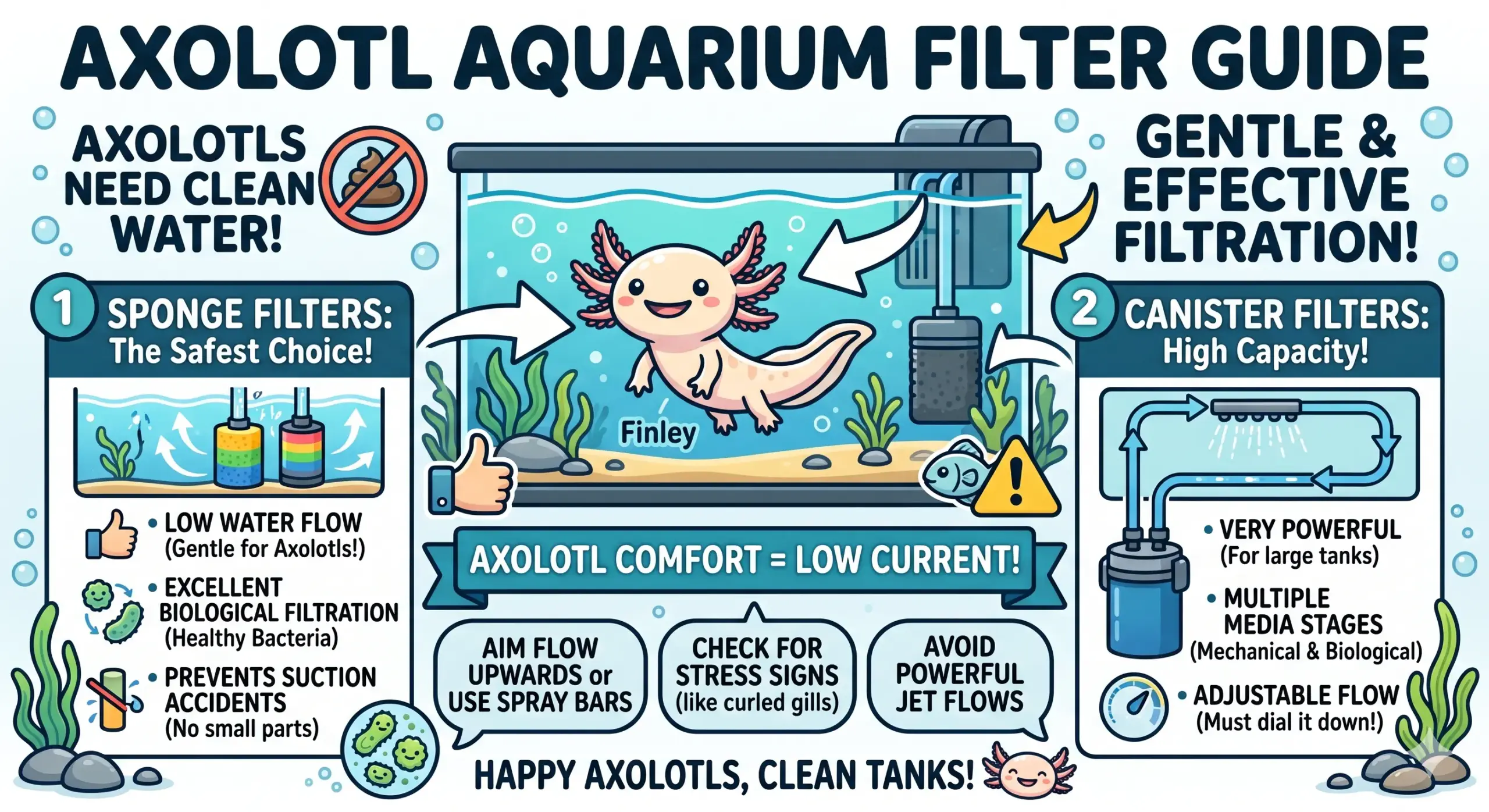
1. The Conflict: Filtration vs. Water Flow
Axolotls possess delicate, external gills that fan out from their heads like exotic plumes. These frilly structures are highly sensitive to the physical dynamics of their surrounding environment. In their natural habitat of Lake Xochimilco, these creatures live in slow-moving or practically stagnant waters filled with vegetation.
When you introduce a high water flow from a standard power filter, it disrupts their natural behavior. The continuous mechanical force pushes them around, forcing them to expend valuable energy just to stay submerged. This constant struggle against artificial currents triggers severe physiological distress and rapid health decline.
According to international veterinary standards published by leading exotic animal health organizations, chronic stress is the primary cause of captive mortality. Managing water velocity while maintaining clean parameters is the dual challenge every keeper faces. High water movement leads directly to three catastrophic symptoms in your pet.
Curled Gills: A Clear Sign of Stress
When an axolotl is subjected to excessive current, its beautiful external gills will curl forward noticeably. This physical transformation is an involuntary reaction to environmental discomfort and respiratory turbulence. If you notice the gill stalks bending toward the front of the head, your current is too strong.
Healthy gills should point backward and remain relaxed as the creature explores the bottom of the tank. Forward-curling stalks indicate that the animal is struggling to process oxygen under turbulent conditions. Immediate action must be taken to baffle the output of your chosen axolotl aquarium filter before permanent damage occurs.
Loss of Appetite: Stress Makes Them Stop Eating
Chronic stress caused by rapid water movement completely shuts down an amphibian’s digestive system. An anxious axolotl will refuse premium foods like nightcrawlers, bloodworms, or high-protein sinking pellets. This sudden strike often mystifies beginners who fail to link water velocity with nutritional health.
When their bodies are flooded with stress hormones, survival instincts override the desire to hunt or consume food. Prolonged starvation weakens their muscular structure and leaves them incredibly thin. Lowering the output of your axolotl aquarium filter is often the only remedy needed to restore their appetite.
Weakened Immune System and Fungal Infections
Continuous exposure to strong currents rapidly drains your pet’s energy reserves and compromises its natural defenses. A stressed amphibian produces less protective slime coat, leaving its skin vulnerable to opportunistic pathogens. This systemic weakness makes them highly prone to debilitating fungal and bacterial infections.
White, cotton-like growths will begin to appear on their delicate gill filaments or across their tail fins. Treating these infections requires stressful salt baths or chemical therapies that could otherwise be avoided completely. Maintaining pristine water with a low-flow axolotl aquarium filter is your best preventative medicine strategy.
2. Top Recommended Axolotl Aquarium Filters
Navigating the market can be overwhelming due to the sheer volume of products designed for standard tropical fish. When shopping for an axolotl aquarium filter, you generally have three reliable paths to consider for your setup. Each system offers distinct advantages and mechanical trade-offs depending on tank volume.
The goal is to maximize the surface area available for beneficial nitrifying bacteria without generating a whirlpool effect. These microorganisms break down toxic ammonia into nitrites, and eventually into safer nitrates. Let us evaluate the three primary filtration styles utilized by professional exotic keepers worldwide.
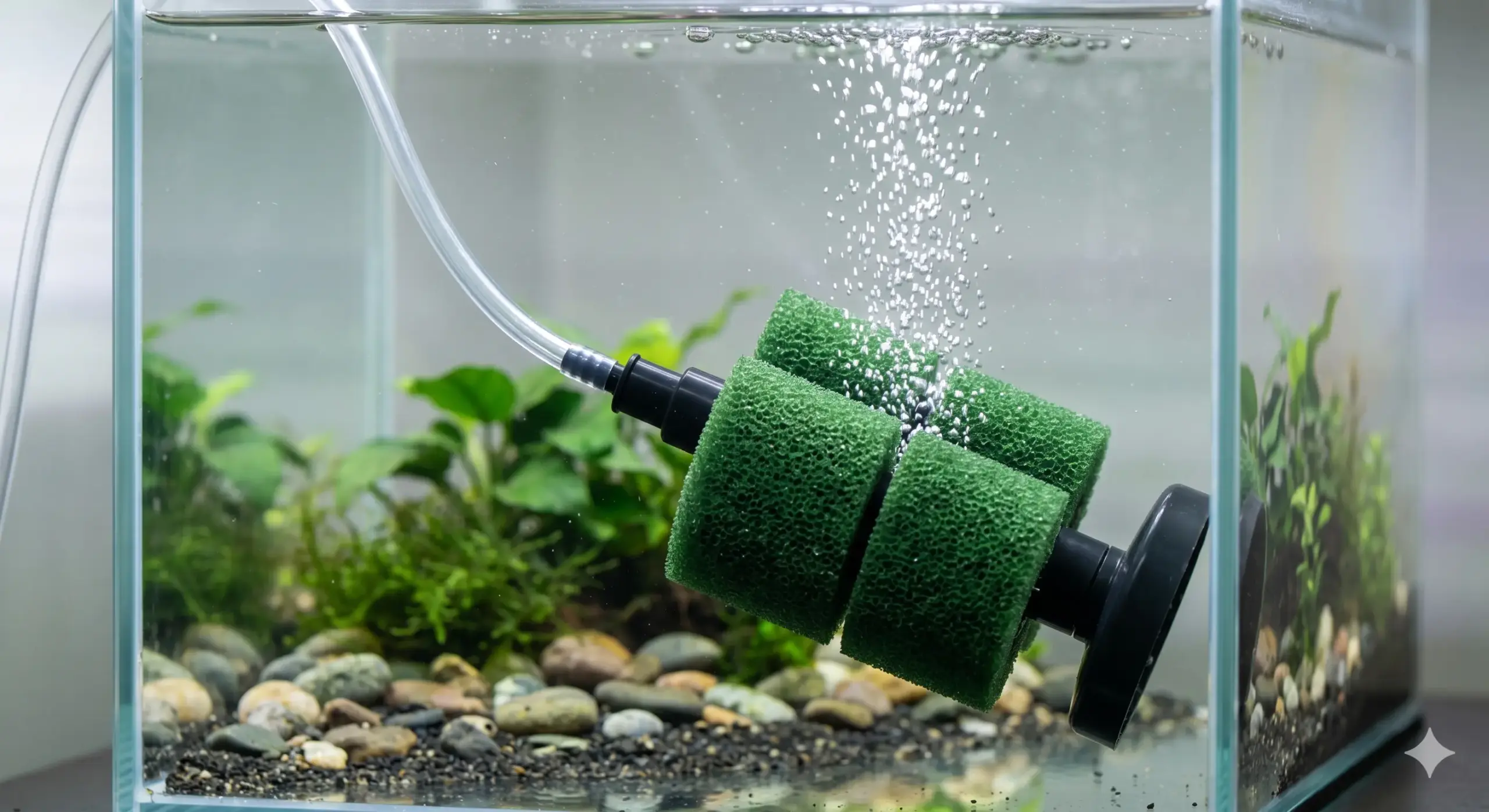
Sponge Filters: The Safest and Most Popular Choice
Sponge filters are universally recognized as the safest and most popular choice for young or developing amphibians. They utilize an external air pump to pull water gently through a dense, porous foam matrix. This simple mechanism provides excellent biological filtration with zero dangerous current to disturb your pet.
Because there are no motorized impellers, there is absolutely no risk of your pet’s limbs getting trapped. The gentle bubbling action also aids in oxygenation without creating directional water streams across the tank space. For tanks under 30 gallons, running dual sponge filters provides exceptional safety and biological stability.
Canister Filters: The Best for Large Tanks
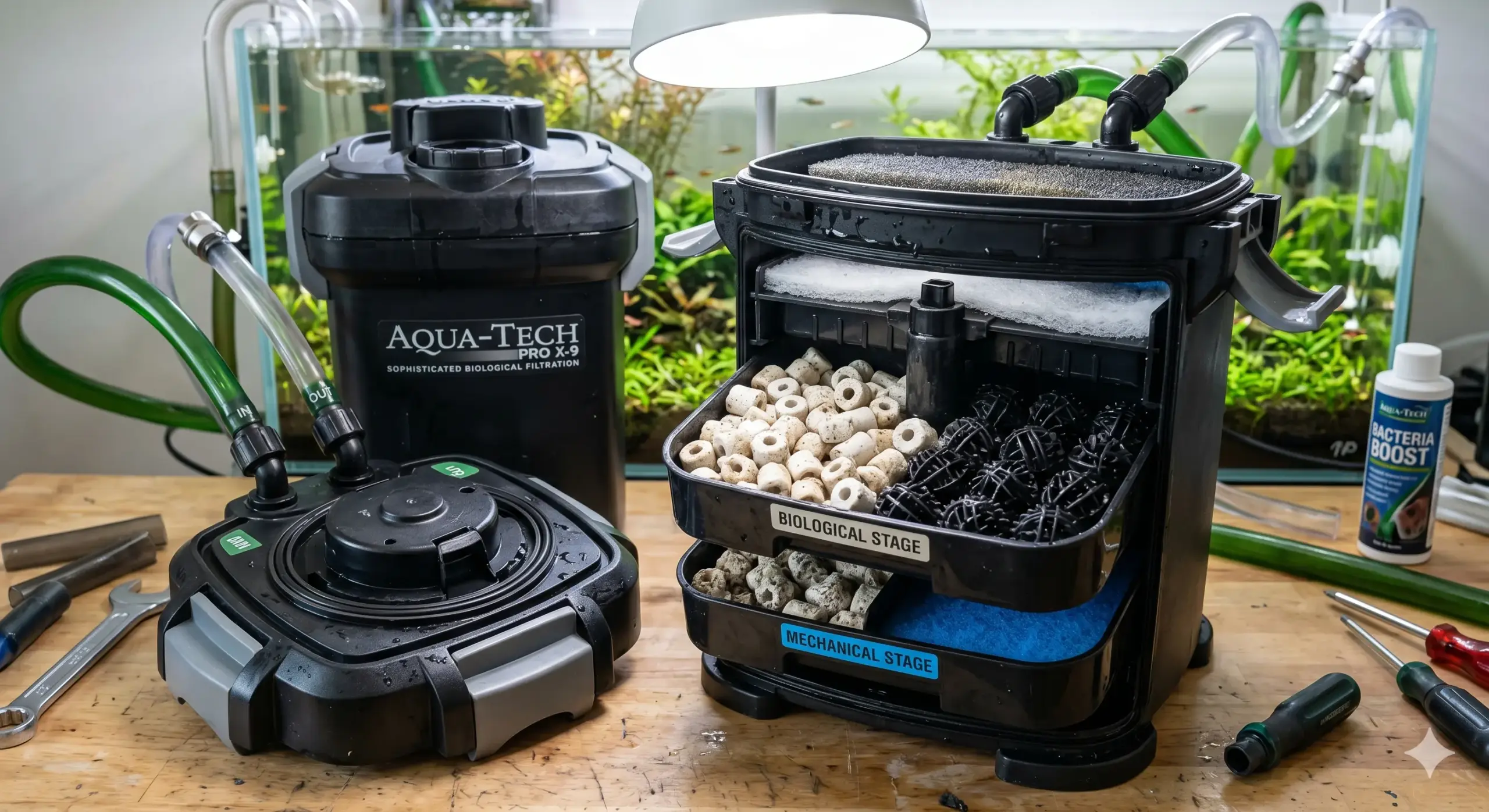
Canister filters represent the gold standard for large enclosures measuring 30 gallons or more. These external units house massive quantities of mechanical, biological, and chemical media within a sealed, under-tank compartment. They offer massive filtration capacity, which is essential for managing the heavy bio-load of mature adults.
However, their raw power can easily generate torrential currents if left unmanaged out of the box. Tip: Always use a “Spray Bar” attachment or a specialized lily pipe to distribute the water flow evenly. Pointing the spray bar against the glass wall will successfully reduce the current to acceptable levels.
Hang-On-Back (HOB) Filters: Proceed with Caution
Hang-on-back units are highly common in the hobby but are only recommended if they feature an adjustable flow knob. Standard HOB filters create a direct downward waterfall effect that can constantly disturb the substrate layer. This localized turbulence forces the amphibian to avoid the area entirely due to physical discomfort.
If you must use an HOB model, you can successfully “baffle” the waterfall output easily. Placing a custom pre-filter sponge over the spillway lip diffuses the kinetic energy of the cascading water beautifully. This modification allows you to harness the media capacity of an HOB without stressing your sensitive pet.
3. Critical Features to Look For
Selecting a random model based on price alone often leads to sub-optimal water parameters and frequent tank crashes. To ensure you choose the right axolotl aquarium filter, check for these three specific structural features before purchasing. Your selection must accommodate the unique waste profile of large, carnivorous aquatic amphibians.
Axolotls do not have protective scales, meaning their skin absorbs chemical compounds directly from the water column. A failure in any stage of the nitrogen cycle will manifest as chemical burns or acute poisoning. Look for premium builds that emphasize media customization over rigid, proprietary cartridge systems.
Mechanical Filtration for Large Waste Particles
Axolotls swallow their food whole using a vacuum-like suction mechanism, which frequently results in messy leftover organic fragments. They also produce surprisingly large, solid waste pellets that break apart easily if left undisturbed in the tank. Efficient mechanical filtration is required to capture these heavy floating solids quickly.
Coarse foam pads and fine filter floss are excellent for trapping debris before it rots on the substrate. These mechanical elements must be easily accessible for regular rinsing during weekly water changes. Removing trapped solids manually prevents them from breaking down into dissolved organic compounds within your closed ecosystem.
Biological Filtration Space for Nitrifying Bacteria
Biological processing power is the single most critical element of any viable amphibian life-support setup. Your chosen system must feature ample room for ceramic rings, bio-balls, or highly porous sintered glass media. These materials provide billions of microscopic microscopic sites where beneficial colonies can establish themselves.
Never skimp on biological media volume, as axolotls release vast quantities of pure ammonia through their skin and waste. A robust bio-colony ensures that spikes in chemical waste are processed silently within a few hours. For comprehensive biological management guidelines, consult the established standards on the World Veterinary Association portal.
Adjustability and Flow Regulation Mechanisms
An exceptional axolotl aquarium filter must offer built-in mechanical or electronic flow regulation capabilities. The ability to turn the flow rate down to a bare minimum allows you to customize the environment. Look for dials that constrict the intake valve rather than straining the motor impeller excessively.
If a filter lacks native adjustability, it will require constant manual modifications using custom-cut plastic elements or foam blocks. Investing in an inherently adjustable system saves time and provides peace of mind during operation. Total control over water movement allows you to match the flow to your pet’s growth stages.
The Human Experience: A Lesson in Patience
I remember the panic vividly. My first leucistic axolotl, Echo, sat huddled in the corner of his new forty-gallon tank. His gorgeous pink gills were tightly curled forward like tiny fists. He looked miserable. I had hooked up a powerful, expensive canister filter thinking I was providing the absolute best care money could buy. I was wrong. The invisible current was punishing him silently. He refused nightcrawlers for four agonizing days. It broke my heart to see him so utterly defeated by my ignorance. I immediately turned off the power unit. I drove across town in a blinding rainstorm to buy a basic, low-tech sponge filter driven by a simple air pump. The transformation was nearly instantaneous. Within hours of installing the gentle bubbling system, Echo relaxed his body completely. He drifted out of the corner, his gills unfurling beautifully like delicate underwater ferns. He took a giant piece of earthworm right from my tongs. That moment taught me that sophisticated, high-flow technology means nothing if it violates the fundamental biological preferences of the animal you love.
4. Comparison Matrix: Filtration Types Evaluated
To help you synthesize this technical data, we have structured a comparative matrix outlining the performance profiles of each system. This breakdown allows you to evaluate which mechanism aligns with your current maintenance routine and budget constraints. Remember that combining multiple styles is often an excellent strategy for larger setups.
| Filter Type | Biological Power | Current Level | Safety Risk | Best Suited For |
|---|---|---|---|---|
| Sponge Filter | Excellent | Zero / Minimal | None (Extremely Safe) | Juveniles & Tanks < 30 Gallons |
| Canister Filter | Massive / Ultimate | High (Requires Spray Bar) | Low (If Intake Covered) | Adults & Tanks 30-75+ Gallons |
| Hang-On-Back (HOB) | Moderate | Medium (Requires Baffle) | Medium (Suction Risk) | Budget Setups with Modifications |
5. Why You Need a Pre-Filter Sponge
If you ultimately choose a canister or HOB filter to manage your tank, a pre-filter sponge is an absolute lifesaver. This simple, inexpensive accessory consists of a porous foam cylinder that slips directly over the plastic intake pipe. It acts as a primary physical barrier between the motorized suction and the aquarium environment.
Axolotls are soft-bodied creatures with delicate skin, fragile toes, and long, easily damaged tail fins. Without a pre-filter, the powerful suction from a canister can easily trap your pet against the plastic slats. This can result in horrific tearing injuries, amputated limbs, or tragic drowning incidents if the animal cannot break free.
Furthermore, a pre-filter sponge prevents floating debris from clogging your primary mechanical media prematurely. It spreads the suction force across a massive surface area, entirely eliminating dangerous high-pressure focal points. It is a non-negotiable safety feature that every responsible amphibian keeper must implement immediately.
Conclusion
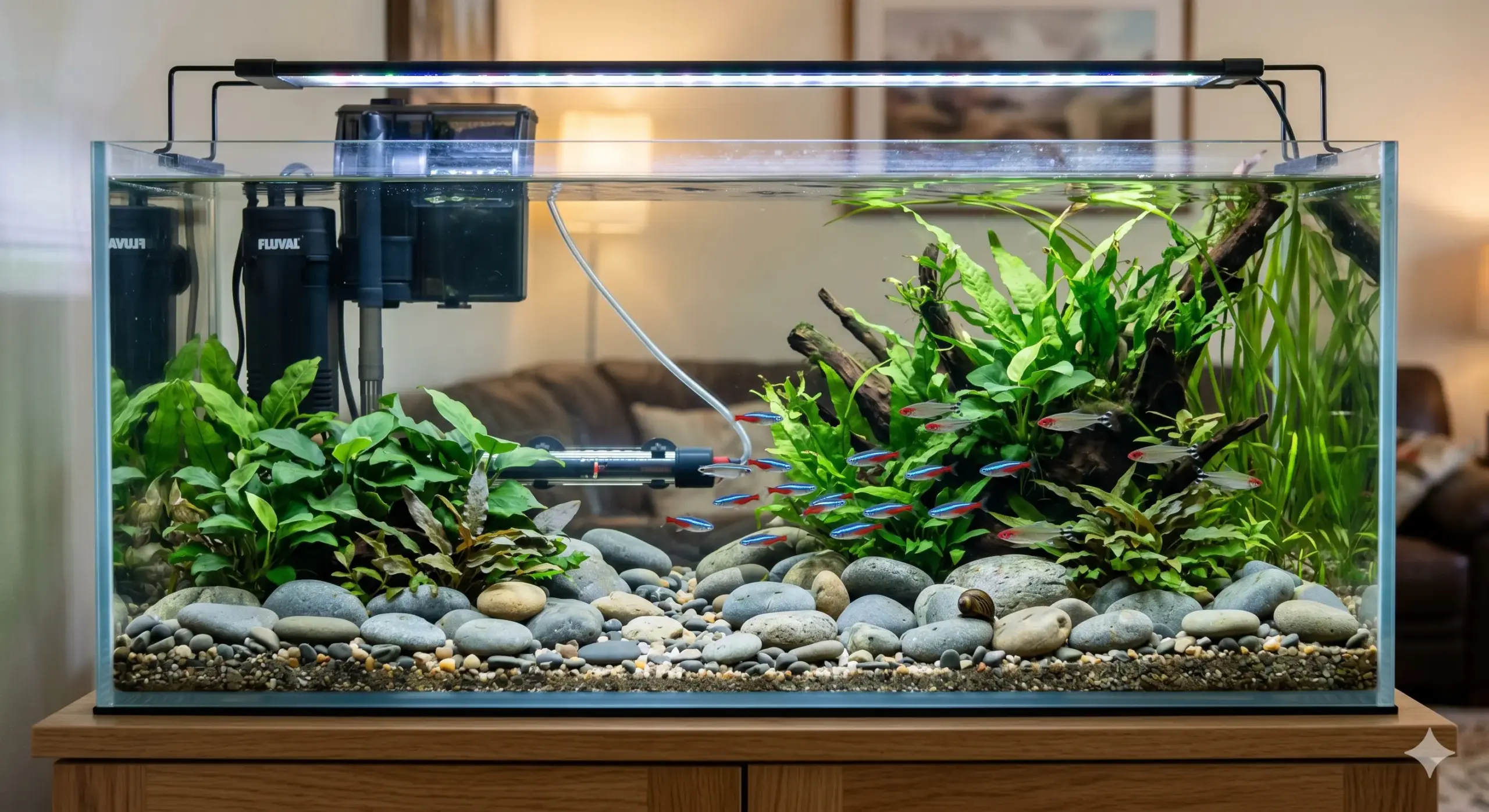
Your axolotl aquarium filter is the heart of your tank, dictating the long-term health and happiness of your pet. While sponge filters are the easiest and safest choice for beginners, experienced keepers often prefer canister filters for their superior cleaning power. Whichever system you choose to implement, always remember the golden rule: Low flow equals a happy axolotl.
Never sacrifice your pet’s physical comfort for the sake of visual clarity or automated convenience. Monitor their body language regularly, look for straight gills, and keep a close eye on your parameters using quality liquid testing kits. By mastering the delicate balance of filtration and water movement, you will enjoy a thriving companion for many years to cracks.