
It can be profoundly alarming for any reptile keeper to find their beloved pet suddenly refusing meals. Whether your juvenile companion has abruptly stopped eating or an adult has been increasingly picky for weeks, understanding the root cause is vital. A bearded dragon not eating is one of the most common challenges faced in herpetoculture, yet many triggers are completely fixable with minor husbandry adjustments.
When you witness a bearded dragon not eating, it serves as a primary biological indicator that something in their environment, physical state, or psychological comfort has shifted. Immediate intervention is required to prevent nutritional decline. This extensive masterclass breaks down the top 10 reasons behind appetite loss, providing clinically sound solutions to restore your lizard’s health.
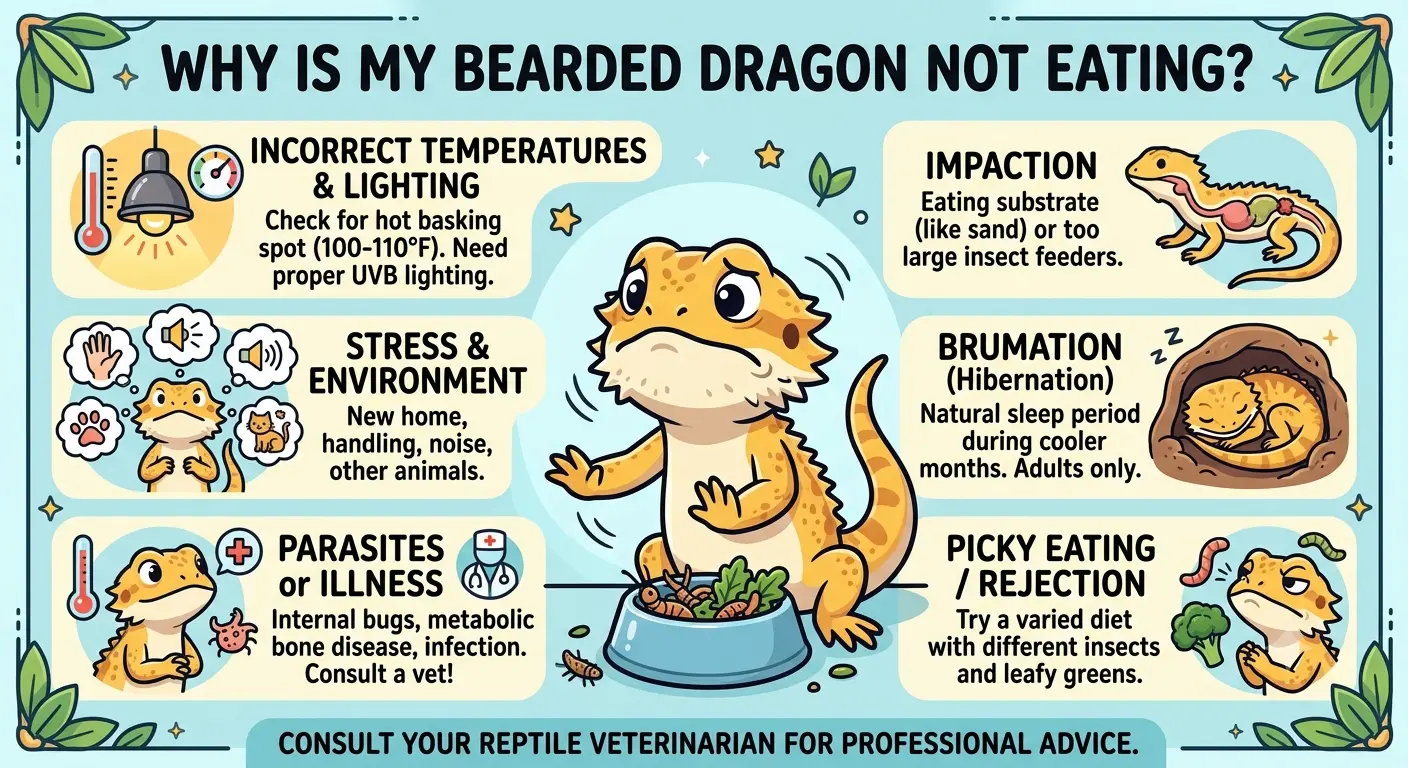
Quick Summary Matrix: Troubleshooting Your Bearded Dragon Appetite
Before diving into details, use this rapid assessment matrix to evaluate why your pet might be off its food.
| Primary Culprit | Key Secondary Symptoms | Immediate Action Step |
|---|---|---|
| Thermal Deficiencies | Lethargy, dark stress spots, hiding constantly | Measure the basking spot with an infrared temp gun. |
| Gastrointestinal Impaction | Lack of bowel movements, bloated abdomen | Provide a warm bath and schedule an urgent vet visit. |
| Environmental Stress | Glass surfing, dark beard, frantic pacing | Cover tank sides and minimize handling for 7 days. |
| Biological Brumation | Deep sleep in hide, zero interest in light | Verify health status via a veterinary fecal clearance. |
| Parasitic Load | Runny or foul-smelling stool, rapid weight loss | Submit a fresh stool sample to an exotic specialist. |
1. Incorrect Temperature and Lighting Setup
Bearded dragons are ectothermic organisms that rely entirely on external ambient thermal energy to drive their biological metabolic processes. If your enclosure lacks a proper thermal gradient, digestion stalls completely.
Without a localized basking zone reaching 100°F to 110°F, their stomachs cannot breakdown complex proteins. This physiological slowdown results directly in a bearded dragon not eating to protect itself from internal food rot.
Inadequate UVB exposure is another critical catalyst. Reptiles require high-output linear T5 UVB bulbs to synthesize Vitamin D3, which enables calcium absorption. When UVB degrades, systemic lethargy takes over, quickly causing a situation where you notice your bearded dragon not eating insects or greens.
How to Fix Thermal and Lighting Systems
- Audit Basking Zones: Ensure the hot spot is strictly between 100°F–110°F using digital probes.
- Update UVB Equipment: Replace linear UVB tubes every 6 to 12 months without exception.
- Maintain Night Drops: Allow nighttime ambient temperatures to drop naturally to 70°F–75°F.
2. Gastrointestinal Impaction
Gastrointestinal impaction occurs when solid foreign material blocks your reptile’s digestive tract. This dangerous condition causes immense pain and immediately results in a bearded dragon not eating anything at all.
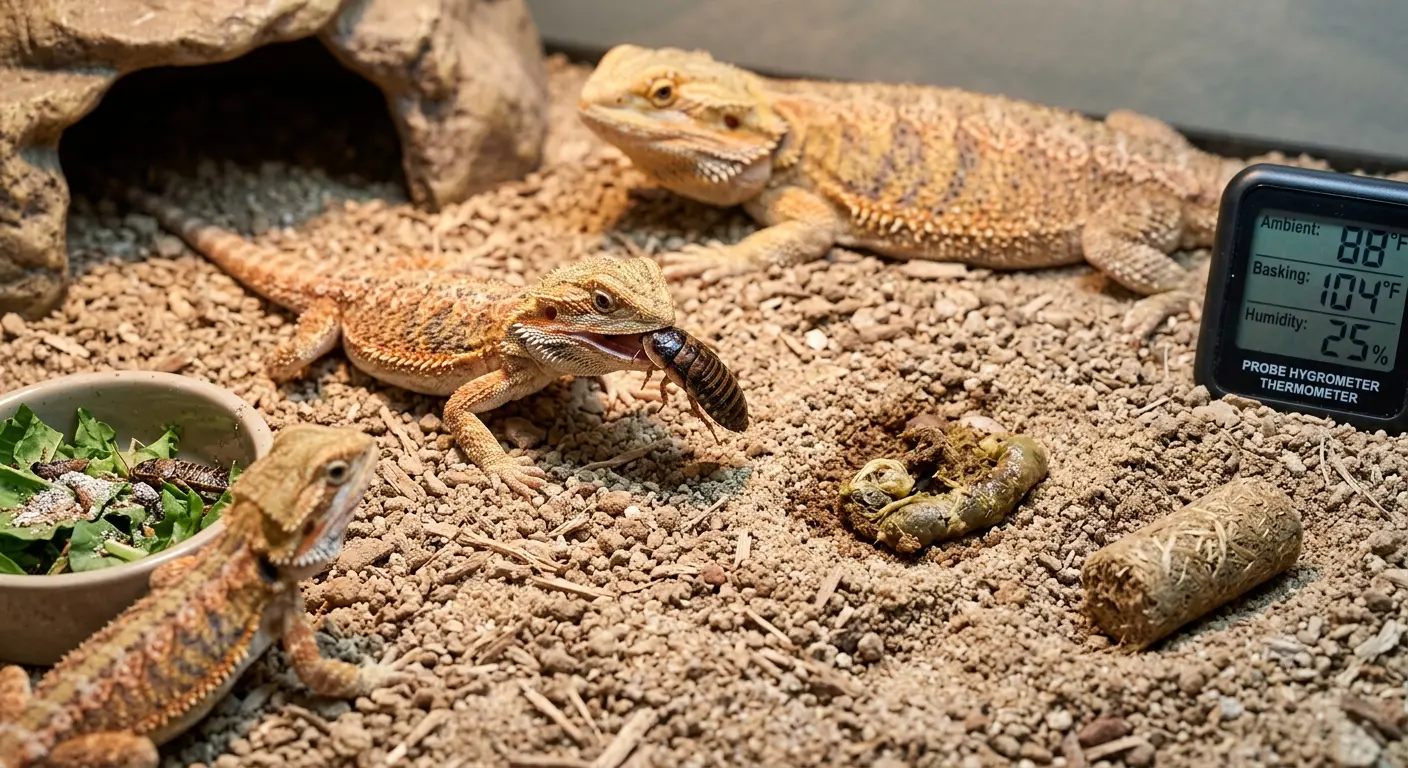
Ingesting loose particulate substrates like calcium sand, crushed walnut shells, or small gravel is a primary cause. Chronic dehydration and feeding insect prey larger than the space between your dragon’s eyes will also trigger massive internal blockages.
An impacted lizard will stop passing feces, show weakness in its hind limbs, and display a rigid, swollen lower belly. If you suspect an impaction is the reason behind your bearded dragon not eating, immediate clinical evaluation is paramount.
3. Environmental and Psychological Stress
Reptiles thrive on structural predictability. Moving your terrarium to a noisy room, introducing other household pets nearby, or excessive handling can trigger severe stress responses, resulting in a bearded dragon not eating.
New acquisitions frequently suffer from relocation stress. It is entirely common to observe a newly purchased bearded dragon not eating for the first few days as it struggles to adapt to its unfamiliar territory.
Ensure the enclosure is not positioned in high-traffic pathways. Constant movement outside the glass simulates predatory threats, causing the lizard to prioritize survival mechanisms over regular feeding behaviors.
4. The Human Experience: Life in the Reptile Room
I remember the cold Tuesday morning my oldest dragon, Silas, looked straight through his favorite dubia roaches. My heart sank instantly. Panic. He had always been an absolute garbage disposal for food. Now? Nothing. He just stared blankly past me into space.
Days rolled into a full agonizing week of total refusal. I checked his temperatures constantly. I adjusted his lighting array three times. I sat quietly by his glass home for hours just watching his chest slowly rise and fall. It takes a unique brand of quiet, enduring patience to care for a silent creature that cannot vocalize its discomfort to you. You learn to read the subtle language of their amber eyes and the quiet shifts in their posture. Fortunately, it was just a stubborn shed cycle, but that profound feeling of worry taught me exactly what it means to be a true guardian to an exotic soul.
5. Biological Brumation Cycles
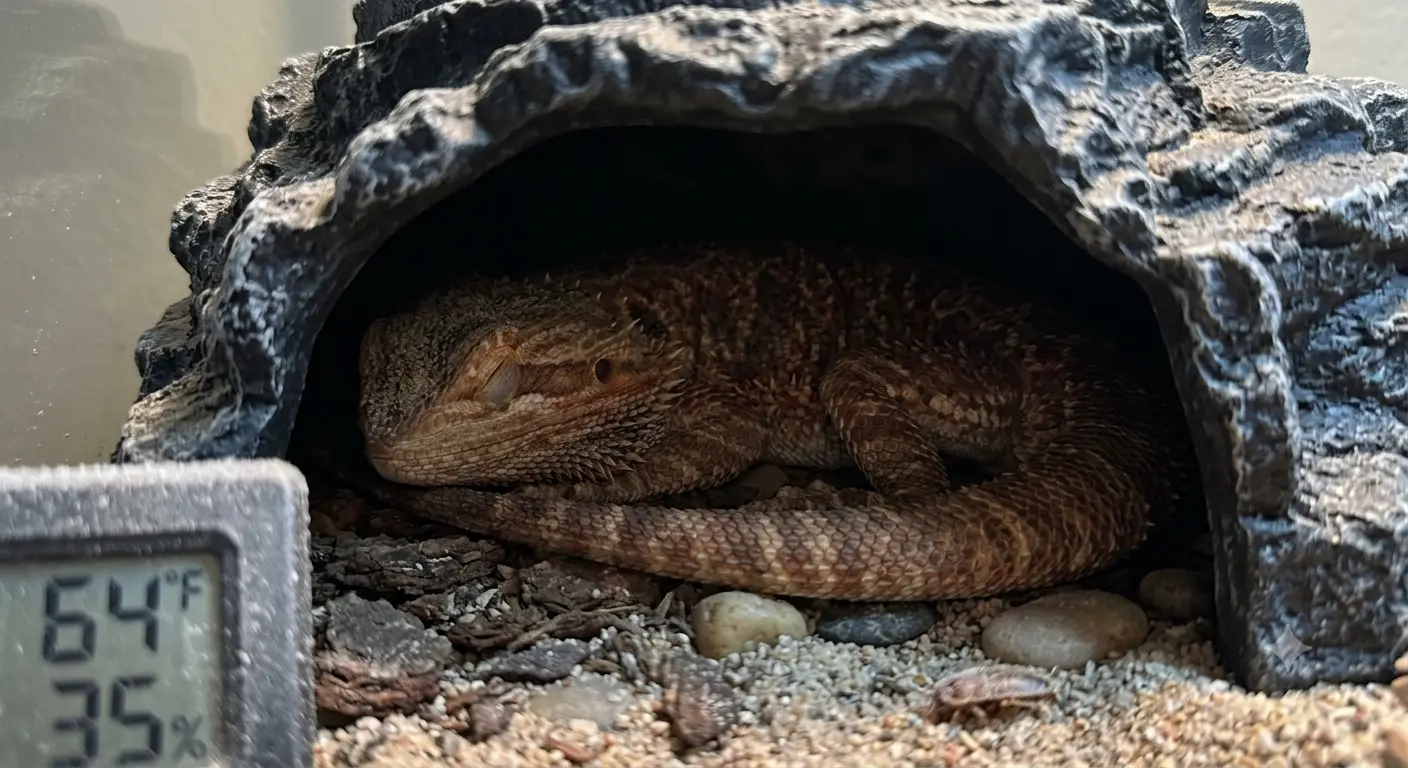
Brumation is the natural, innate winter dormancy behavior exhibited by adult bearded dragons when ambient outdoor temperatures drop and daylight hours begin to shorten significantly.
During this period, their entire metabolic rate drops to near-zero levels. Consequently, an owner will experience a healthy bearded dragon not eating, refusing food for weeks or even months at a time while they sleep deeply.
It is vital to distinguish between a sick bearded dragon not eating and a healthy one entering brumation. A brumating dragon will maintain a stable weight, whereas a sick lizard will display visible muscle wasting around the tail base.
6. Internal Parasitic Loads
Microscopic internal parasites, including coccidia, pinworms, and flagellates, exist naturally in low quantities within the reptile gut. However, environmental stress can cause these populations to surge out of control.
An overgrowth of parasites causes painful intestinal inflammation, lethargy, and loose, watery foul-smelling feces. This internal distress quickly leads to a bearded dragon not eating as its body struggles with nutrient malabsorption.
If husbandry variables are perfect but you still have a bearded dragon not eating, contact a specialist via the Association of Reptile and Amphibian Veterinarians (ARAV) to arrange a microscopic fecal analysis.
7. Systemic Illness or Physical Injury
Advanced medical issues such as Metabolic Bone Disease (MBD), painful mouth rot (infectious stomatitis), or acute respiratory infections will instantly cause a bearded dragon not eating response.
MBD softens the jawbones, making the physical act of chewing hard-shelled insects excruciatingly painful. Mouth rot causes swelling, pus, and lesions along the gum lines, completely destroying their desire to swallow food.
Respiratory infections cause open-mouth breathing, wheezing, and excess mucus production. Any structural pain or respiratory distress forces a survival response, resulting in your bearded dragon not eating greens or live prey.
8. Monotonous Diet and Selective Pickiness
Feeding the exact same live insect or leafy green every single day can cause mental fatigue. These highly intelligent reptiles can become incredibly bored with a repetitive menu, leading to a temporary phase of a bearded dragon not eating.
Adults require a dietary shift consisting of 80% fresh leafy greens and 20% live insects. If they were overfed live feeders during their youth, they might stubbornly reject salads altogether, presenting as a picky bearded dragon not eating their mandatory vegetables.
9. The Shedding Process (Ecdysis)
Lizards grow by completely shedding their old, inelastic skin layer. The process of ecdysis creates immense physical discomfort, tightness, and irritability across their entire body.
During the heavy shed phase, it is entirely normal to observe a bearded dragon not eating for several consecutive days. Their skin becomes dull, white, and itchy, making them focus entirely on rubbing against rough rocks rather than hunting food.
Avoid pulling loose skin manually, as this tears the delicate new epidermal layers underneath. Provide lukewarm baths and increase local humidity slightly to accelerate the shedding process, after which your bearded dragon not eating phase will naturally resolve.
10. Age-Related Appetite Shifts
Age plays a massive role in baseline caloric demands. Rapidly growing juveniles require multiple heavy insect feedings every single day to support their explosive skeletal development.
As they mature into adulthood, their growth plates close, and their caloric needs drop dramatically. An owner accustomed to a ravenous juvenile might mistakenly panic over a mature bearded dragon not eating with that same intense frequency.
Adult individuals only require live insects 2 to 3 times per week. Recognizing this natural, age-driven decline in feeding frequency helps differentiate normal physiological shifts from a truly problematic bearded dragon not eating scenario.
11. Chronic Dehydration
In the wild, these desert reptiles acquire the majority of their daily moisture from dew drops and the moisture content within raw vegetation and live insect prey items.
In artificial enclosures, low humidity coupled with a lack of fresh greens can lead to severe dehydration. Dehydration thickens saliva, causes sunken eyes, induces lethargy, and directly causes a bearded dragon not eating cycle.
Always provide a clean, shallow water dish daily. Regular misting or brief, supervised lukewarm baths can help rehydrate a stubborn lizard and jumpstart its digestive system to correct a bearded dragon not eating problem.
Frequently Asked Questions (FAQ)
Q: How long can a healthy bearded dragon safely go without eating?
A: An adult entering biological brumation can safely go without food for several months. However, a juvenile should never go more than 3-4 days without food before seeking veterinary care.
Q: Can I force-feed my lizard if it refuses food for a long time?
A: Force-feeding should only be performed under strict veterinary guidance. Doing it incorrectly can cause severe aspiration pneumonia or physically fracture their delicate jaw structures.
Q: Why is my bearded dragon eating bugs but completely refusing greens?
A: This is common selective pickiness. Adult reptiles often prefer high-protein insects over healthy salads. Slowly reduce insect portions to encourage them to consume their vital greens.
Conclusion: Resolving Your Pet’s Loss of Appetite
Pinpointing why you have a bearded dragon not eating is ultimately a systematic process of eliminating environmental and biological variables. Always begin by verifying your basking temperatures, UVB output, and overall hydration levels first.
If your husbandry parameters are verified as flawless yet the bearded dragon not eating behavior persists past two weeks alongside noticeable weight loss, schedule a veterinary visit immediately. Proactive, expert husbandry remains the ultimate key to a thriving reptile companion.