
As a dedicated reptile keeper, optimizing your pet’s nutritional intake is always a top priority. You might often wonder: can bearded dragons eat earthworms safely without disrupting their delicate digestive tract? The direct answer is yes, bearded dragons can eat earthworms, but only as an occasional nutritional treat rather than a daily dietary staple. These subterranean invertebrates offer significant hydration and calcium benefits, yet improper feeding practices can lead to unwanted health complications.
| Nutrient Component | Dietary Value | Impact on Bearded Dragons |
|---|---|---|
| Moisture Content | Extremely High (~80%) | Excellent for hydration; excessive amounts cause diarrhea. |
| Calcium Levels | High | Supports skeletal development and prevents metabolic bone disease. |
| Fat Content | Low to Moderate | Leaner than waxworms; safer for preventing obesity. |
| Chitin Thickness | Very Low (Soft Bodied) | Extremely easy to digest; low risk of impaction. |
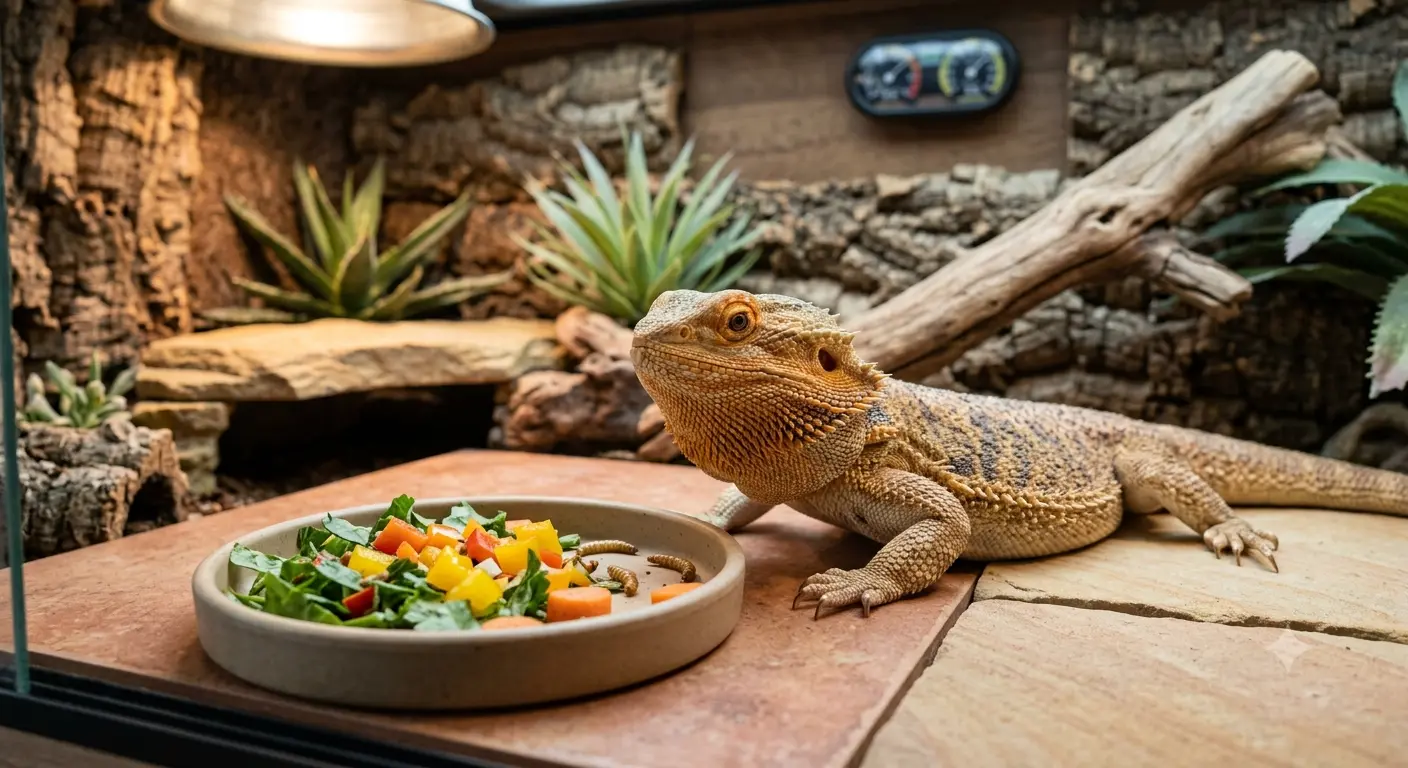
Are Earthworms Safe for Bearded Dragons?
When analyzing whether can bearded dragons eat earthworms, it is vital to evaluate their chemical and biological safety profile. Earthworms are inherently non-toxic invertebrates that possess a treasure trove of vital minerals needed by captive reptiles.
Their physical structure consists of a soft, segmented hydrostatic skeleton with minimal amounts of tough chitin. This biological composition makes them exceptionally easy for your reptile’s gastric juices to break down efficiently.
Consequently, the risk of gastrointestinal impaction is significantly lower when compared to feeding hard-shelled beetles or large crickets. However, their biological advantages are entirely dependent on where the worms are sourced.
The Core Nutritional Profile
Earthworms provide an exceptional nutritional balance when introduced correctly into a well-managed feeding rotation. Their high moisture levels serve as an organic hydration therapy for reptiles that refuse to drink standing water.
Furthermore, they boast a favorable natural calcium-to-phosphorus ratio, which is paramount for maintaining bone density. Because they are relatively lean, they do not contribute rapidly to hepatic lipidosis, a common fatty liver condition found in overfed lizards.
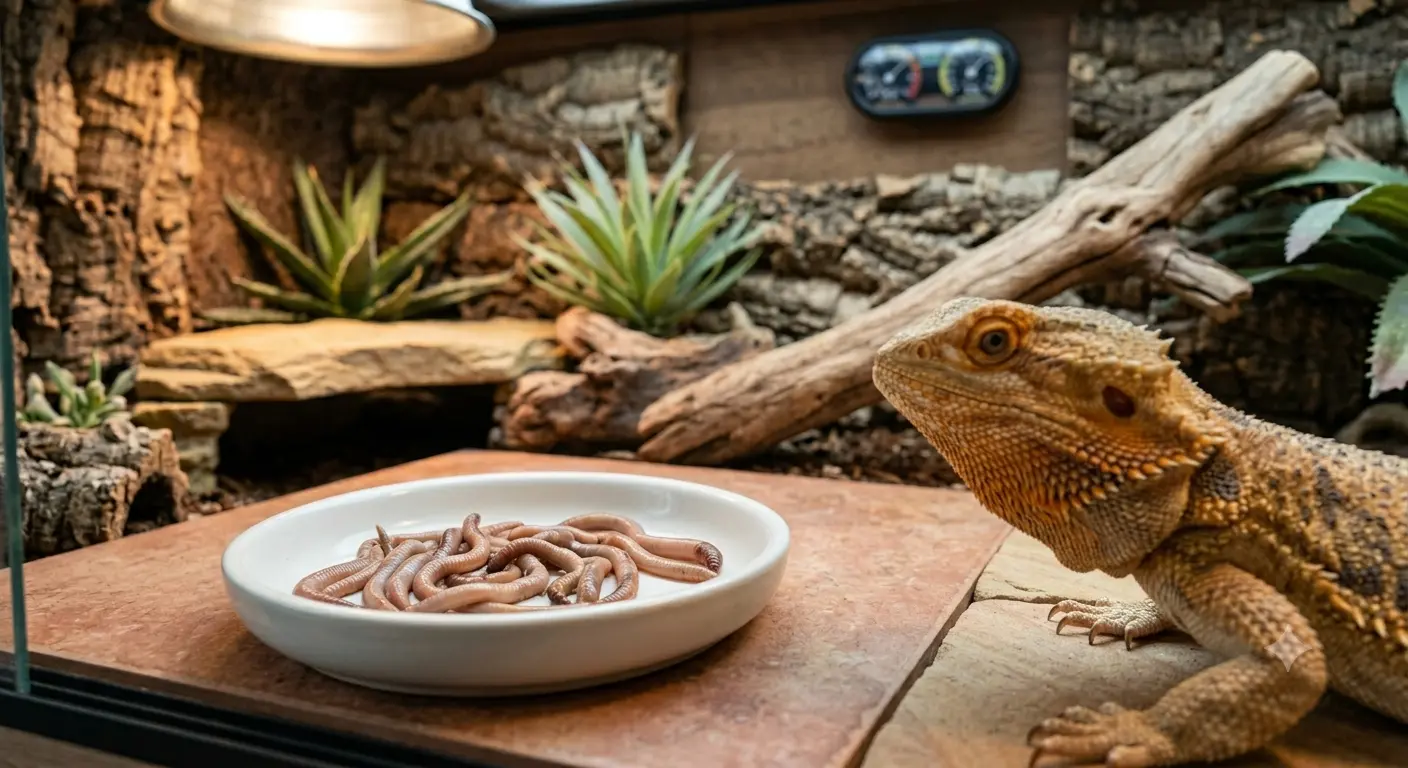
The Critical Dangers of Wild Earthworms
While the theoretical answer to can bearded dragons eat earthworms is positive, harvesting them from your backyard introduces severe existential threats. Your outdoor garden ecosystem is filled with invisible chemical and biological hazards that can prove fatal to your pet.
Wild soil is frequently exposed to environmental runoff, chemical fertilizers, weed killers, and heavy metals. Invertebrates living in these soils bioaccumulate these toxic compounds directly inside their tissues over long periods.
If your lizard consumes a single chemically contaminated worm, it can suffer from acute toxic shock or chronic organ failure. Protecting your exotic pet requires a strict ban on any wild-caught insects.
Parasite Transmission Risks
Beyond chemical toxicity, wild invertebrates serve as intermediate hosts for a wide array of dangerous endoparasites, including pinworms and coccidia. When a lizard ingests an infected outdoor organism, these parasites colonize the reptile’s intestinal lining.
This biological invasion leads to rapid weight loss, bloody stools, lethargy, and severe nutritional deficiencies. Therefore, you must exclusively buy captive-bred organisms from certified commercial breeders who guarantee clean, sterile substrate environments.
The Human Experience: A Lifelong Bond of Care
I remember sitting by the enclosure last spring. The room was perfectly quiet. My rescue lizard, Spike, looked up with those ancient, calculating eyes. He had been refusing his regular greens for days, leaving me utterly exhausted and deeply anxious. I held a plump, farm-raised nightcrawler on the tip of my rubber tongs, holding my breath as it wiggled gently. Then, a sudden flash of movement occurred.
He snapped it up instantly with pure enthusiasm. Watching him swallow that simple meal brought an overwhelming wave of relief over me, melting away nights of worry. Being a reptile guardian is a strange, beautiful journey filled with quiet victories and profound patience. It taught me that keeping these creatures healthy isn’t just about calculating scientific percentages on a chart; it is about building a deep, silent understanding with an animal that trusts you completely for its survival.

How Often Can Bearded Dragons Eat Earthworms?
Moderation is the golden rule when addressing how frequently can bearded dragons eat earthworms without causing metabolic issues. Because these invertebrates are incredibly rich in fluids, feeding them too often will inevitably cause severe diarrhea.
Persistent loose stools flush out essential gut flora, leading to dehydration and poor nutrient absorption. To maintain peak health, treats should be rationed strictly according to the specific life stage of your lizard.
- Adult Dragons (Over 18 Months): Feed 2 to 3 large worms once every one or two weeks.
- Juvenile Dragons (6 to 18 Months): Offer 1 to 2 medium-sized worms weekly alongside their primary roaches.
- Baby Dragons (Under 6 Months): It is best to avoid them entirely due to the extreme moisture levels disrupting tiny digestive systems.
Preventing Choking and Impaction
Always apply the universal sizing rule before introducing any new insect prey to your beloved pet. The total length of the selected invertebrate must never exceed the exact physical distance between your reptile’s eyes.
If an insect is too large, it can expand inside the esophagus, pressing against the spinal cord or causing a severe choking hazard. If necessary, use sterile scissors to cut larger captive-bred nightcrawlers into safer, manageable segments.
Step-by-Step Preparation Protocol
Because these creatures live submerged inside damp soil, they naturally arrive covered in thick dirt, decaying organic matter, and sticky slime. Feeding them straight out of the shipping cup will cause your lizard to ingest unsanitary breeding substrate.
To implement an elite level of biological safety, you must establish a thorough cleaning routine before placing any food items inside the vivarium. Follow these professional steps to guarantee a clean dining experience:
- Rinse Thoroughly: Submerge the selected worms in a shallow bowl filled with clean, lukewarm, completely dechlorinated water to dissolve all external dirt.
- Gently Dry: Place the rinsed organisms on a clean, unbleached paper towel to remove excess surface moisture and remaining debris.
- Use a Specialized Escape-Proof Bowl: Place the cleaned prey inside a deep, smooth-sided ceramic dish to prevent them from crawling away into your tank’s substrate.