
Understanding Exotic Pet Health: Do Female Hedgehogs Have Periods?
Many new exotic pet owners ask: do female hedgehogs have periods? It is a perfectly natural question to raise when observing your pet. Understanding mammalian reproductive health helps you provide excellent care for these unique, spiny companions.
However, the biological answer is straightforward: No, female hedgehogs do not experience a menstrual cycle. If you discover blood inside your pet’s enclosure, it is rarely an innocent biological event.
This comprehensive guide explores hedgehog reproductive biology in full clinical depth. We will break down exactly how their bodies function, why bleeding occurs, and when you need to contact an exotic vet immediately.
Veterinary science reminds us that small companion mammals require deep focus regarding structural anomalies. When a hobbyist assumes blood is harmless, severe underlying health complications easily go ignored for months.
Anatomy and Physiology: How Hedgehog Reproduction Works
Unlike human beings, standard companion hedgehogs are classified biologically as induced ovulators. This distinct reproductive mechanism means that a female hedgehog never releases an egg spontaneously.
Consequently, they do not shed their uterine lining on a monthly cyclical schedule. Ovulation only occurs when a male hedgehog is actively present and mating takes place successfully.
Because there is no automatic hormonal drop triggering tissue shedding, a natural period is physically impossible. Therefore, the phrase do female hedgehogs have periods represents a common anatomical misconception among beginner hobbyists.
Without the mechanical trigger of a male companion, the uterine walls remain entirely stable. Any spotting or sudden discharge of blood indicates an underlying medical irregularity rather than a standard estrus cycle.
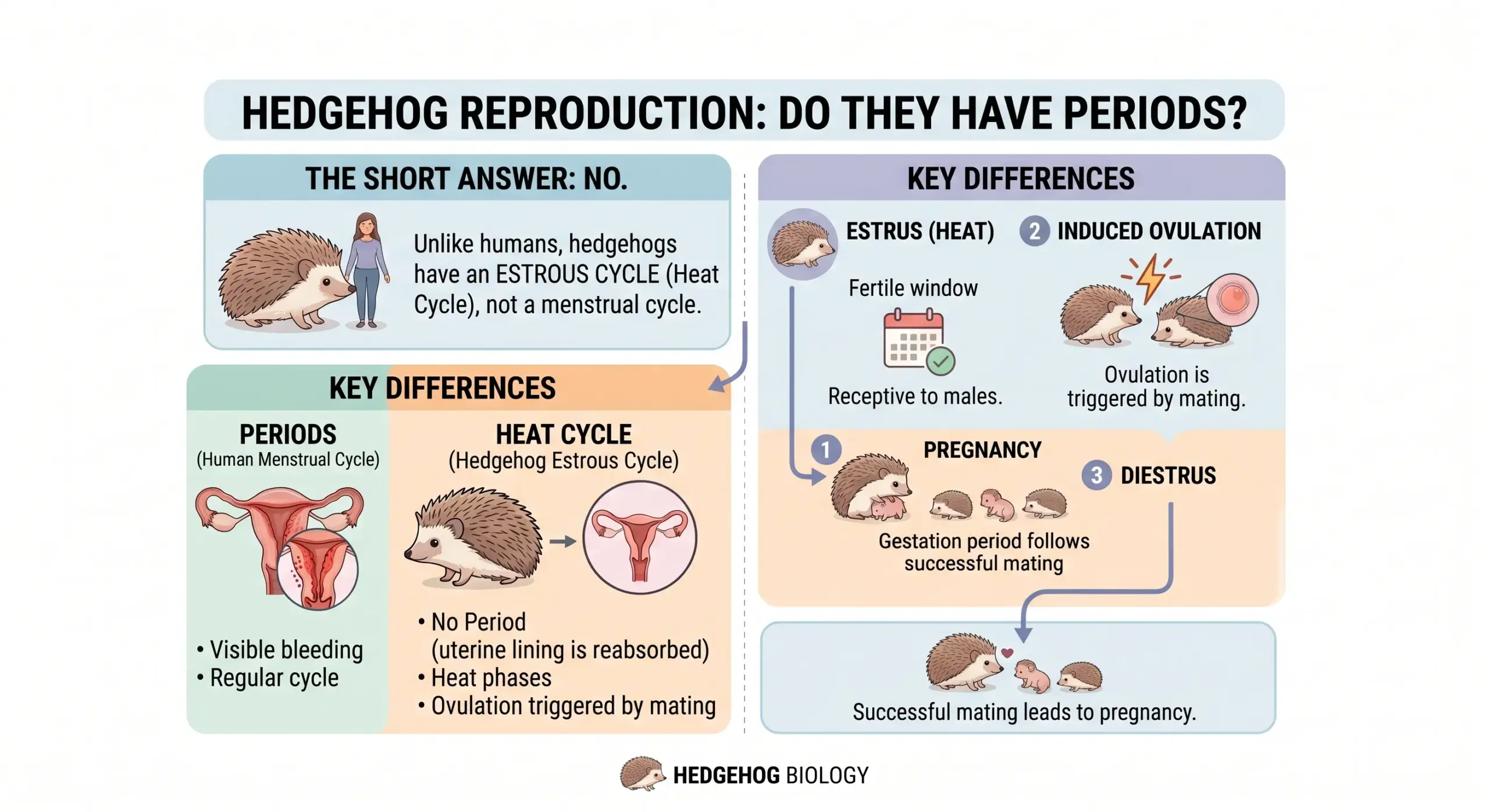
The Difference Between Menstruation and Induced Ovulation
Domestic pets like dogs or cats have estrus cycles that present varying visible signs. Primates and humans experience true menstruation where unfertilized cellular structures break down and exit the body.
Hedgehogs operate on a completely alternative biological pathway designed to conserve metabolic energy. They maintain a baseline readiness without expelling blood, keeping their resources protected until actual mating occurs.
Understanding this distinction protects owners from making dangerous assumptions about small mammal health. When an owner assumes blood is just a natural cycle, critical conditions go untreated for too long.
Medical literature demonstrates that induced ovulation prevents unnecessary structural stress inside the abdomen. Because of this evolutionary trait, tracking unusual discharge becomes an essential diagnostic duty for keepers.
Why is My Hedgehog Bleeding? Critical Signs to Watch
Since we established that the answer to do female hedgehogs have periods is negative, blood requires immediate investigation. Discovering crimson spots on the running wheel or bedding signals a serious health problem.
Hedgehogs are classic prey animals, meaning they possess an evolutionary instinct to mask severe physical distress. By the time physical blood becomes explicitly visible to you, the underlying ailment might already be deeply advanced.
Do not dismiss pinkish discoloration as a normal phase of your pet growing up. Let us analyze the primary pathologically verified reasons why a female hedgehog might shed blood in her cage.
Every small mammal keeper should establish a baseline reading of their pet’s normal behavioral routines. A sudden deviation combined with unexplained floor discharge warrants immediate diagnostic testing by an expert.
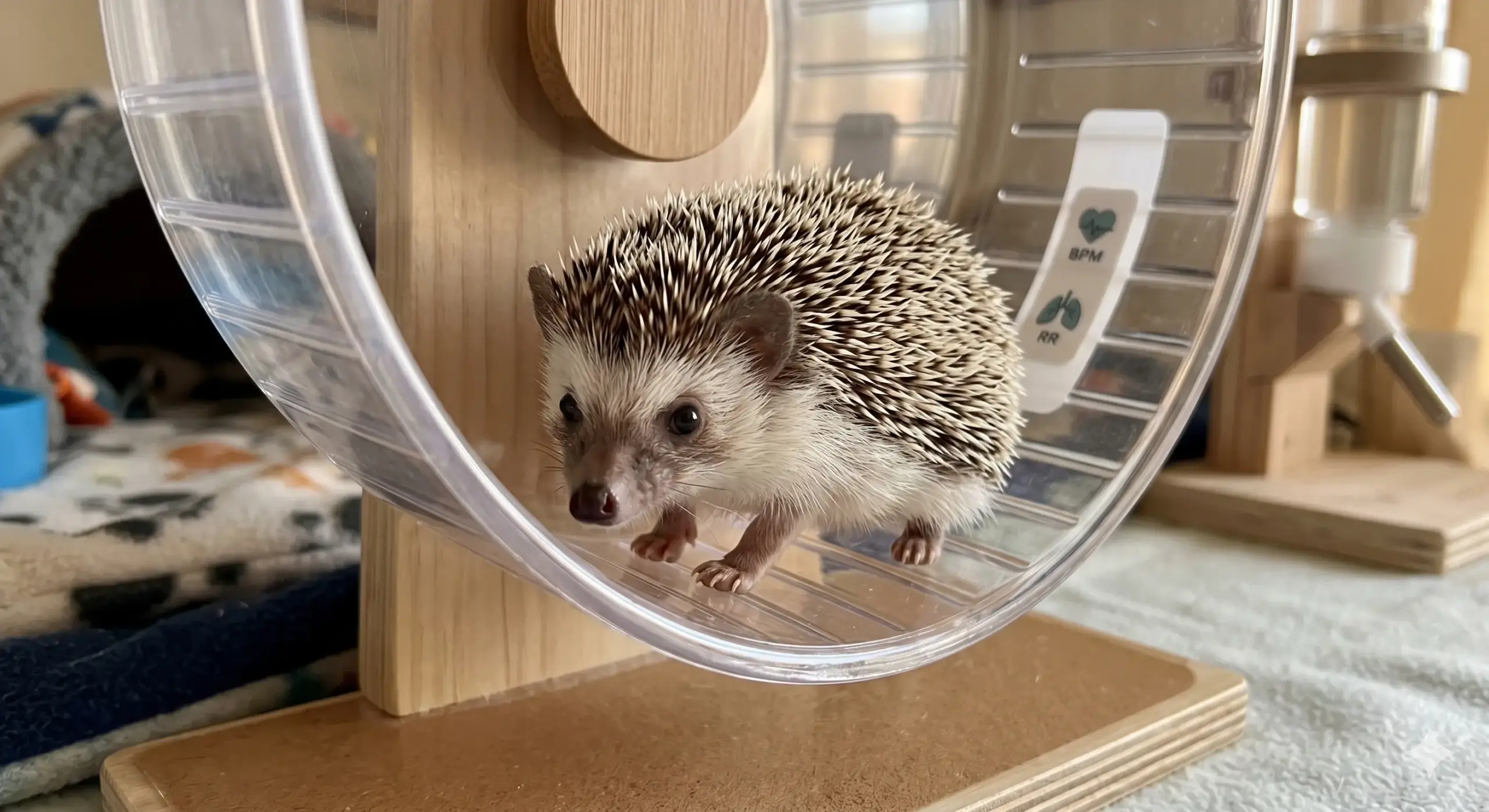
1. Uterine Infections and Hemorrhagic Tumors
Uterine cancer and severe tumors represent the most prevalent causes of bleeding in unspayed female hedgehogs. Veterinary data shows an alarmingly high incidence rate of uterine neoplasia as females cross two years of age.
Pyometra, a life-threatening bacterial infection where the uterus fills entirely with pus and blood, is another major culprit. Both conditions manifest as persistent or intermittent bloody discharge mixed with urine.
These tumors grow rapidly due to localized hormonal interactions within the reproductive tract. Early detection via regular abdominal palpation at the clinic remains the absolute best defense for mature females.
If you see large clots, the reproductive tract is highly likely to be the core origin point. Such instances require professional diagnostic ultrasounds to identify tissue density changes before tissue ruptures occur.
2. Urinary Tract Infections (UTI) and Hematuria
Just like humans and traditional household pets, small exotic mammals can develop acute bacterial urinary tract infections. This condition leads directly to hematuria, which is the medical term for blood found within the urine.
A hedgehog suffering from a painful UTI might strain while using the bathroom or vocalize softly in distress. You will often notice distinct pink splotches dried across their favorite plastic running wheels.
UTIs develop when environmental bacteria migrate up the urethra due to soiled bedding or running wheels. Maintaining pristine sanitation standards throughout the primary cage helps prevent these painful bacterial blooms entirely.
Chronic irritation inside the urinary tract can degrade structural wellness if left untreated by professionals. Targeted antibiotic courses typically resolve straightforward bacterial flare-ups within a few business days.
3. Kidney and Bladder Stones
Genetic predispositions combined with dietary imbalances can lead to the formation of hard mineral deposits in the bladder. These stones scrape against delicate internal tissue linings whenever the animal moves or urinates.
The constant friction causes chronic micro-bleeding that eventually becomes visible to the naked eye. This requires specialized veterinary imaging to properly diagnose and safely remove.
High levels of dietary calcium or phosphorus frequently accelerate the development of these dangerous internal stones. Balancing nutritional intake with appropriate species-specific insects prevents solid mineral crystallizations from forming over time.
When stones grow large, they physically block fluid movement, creating secondary systemic infections. Immediate surgical extraction offers the only predictable path to absolute recovery for affected individuals.
4. Physical Trauma and Wheel Injuries
Sometimes, the source of blood is completely external rather than originating from an internal organ system. Active hedgehogs can easily tear a toenail or scrape their sensitive footpads while running vigorously at night.
Always inspect your pet’s tiny paws thoroughly before panicking about severe internal disease. A simple paper cut from a sharp toy or a rough wheel edge can mimic scary reproductive bleeding.
Check the spacing on wire wheels or the texture of solid plastic running surfaces regularly. Minor mechanical changes to their exercise gear eliminate structural hazards that threaten delicate foot health.
If an injury is localized on a toe, cleansing the footpad with dilute chlorhexidine solution works efficiently. Keep exercise equipment sanitized to avoid introducing bacterial matter into open dermal tissue cracks.
Hedgehog Bleeding Causes: Diagnostic Comparison Matrix
To help you navigate these alarming symptoms, we compiled a quick comparative reference matrix. This table highlights how to distinguish between benign external injuries and severe internal medical emergencies.
| Potential Cause | Primary Visible Symptoms | Severity Level | Required Clinical Action |
|---|---|---|---|
| Uterine Tumors / Cancer | Dark blood clots, systemic weight loss, visible lethargy | Critical Emergency | Immediate surgical intervention |
| Urinary Tract Infection | Diffuse pink urine, painful straining, frequent urination | High Severity | Targeted antibiotic course |
| Bladder or Kidney Stones | Intermittent fresh blood, abdominal sensitivity when held | High Severity | X-rays and potential surgical extraction |
| Physical Paw Injury | Isolated blood trails on wheel, limping, torn nail | Moderate | Antiseptic cleaning and cage safety audit |
How Owners Can Perform a Safe At-Home Health Inspection
If you observe unusual pink fluid traces inside the enclosure, finding the primary source requires structured observation. Many keepers still wonder do female hedgehogs have periods when they first notice these tiny markings.
To clear up confusion, isolate your pet inside a clean, unlined white plastic container for observation. Line the base area with fresh, fragrance-free white paper towels to track discharge patterns clearly.
Allow the animal to rest inside this controlled testing area for approximately one hour continuously. The pristine white surface acts as a visual baseline, catching fluid droplets before environmental dust contaminates them.
If the excreted fluid spreads evenly into a pale pink halo, the bladder is likely inflamed. Alternatively, dense drops accompanied by heavy mucus indicate that structural reproductive tract issues require professional assessment.
Take high-resolution digital photographs of these stains to show your exotic medical practitioner during evaluation. Clear documentation bridges the gap between home observations and professional laboratory urinalysis testing panels.
The Human Experience: A Note From the Quill Trenches
I remember waking up at 3 AM. My heart completely stopped when I saw bright red smears covering Lily’s white running wheel. Panic. Absolute, suffocating panic. I had read online forums where confused people asked about cycle timelines, hoping it was just a phase. Deep down, I knew the science. My hands shook as I gently lifted her up into the soft light. She stared back at me with those unblinking, ink-black eyes, huffing softly, trying so hard to pretend she wasn’t in pain. It takes a profound amount of emotional patience to care for a creature that hides its suffering behind a wall of sharp quills. We sat together on the floor for hours. I just kept whispering comfort to her until the exotic vet clinic finally opened its doors at dawn. It wasn’t an innocent event. It was a uterine tumor. But we caught it early, and that terrifying night taught me exactly what true responsibility feels like.
The Role of Nutrition in Urogenital Wellness
Dietary selections play a massive role in preserving structural integrity across your hedgehog’s entire bladder lining. Low-quality commercial kibble containing artificial fillers can disrupt optimal urinary pH values significantly over time.
When the internal chemical environment fluctuates too far into alkalinity, opportunistic bacteria thrive rapidly. This chemical shift leads directly to recurrent infections that weaken vascular walls within the bladder tissue.
Providing pristine hydration sources via filtered water bowls instead of standard water bottles prevents crystallization. Bowls encourage natural drinking postures, increasing total fluid intake and thoroughly flushing metabolic toxins out consistently.
Furthermore, some owners ask do female hedgehogs have periods due to red pigment discharge from eating specific berries. Tracking exact nutritional input ensures you do not mistake safe food pigments for internal hemorrhage.
When Should You See an Exotic Vet?
If you discover unexpected red spots inside your pet’s habitat, waiting around to see what happens is never an option. Because of their fast metabolic rates, small exotic animals can decline rapidly within forty-eight hours.
Schedule an emergency clinical exam the moment you observe explicit blood mixed into their waste material. Early professional intervention saves lives and prevents minor infections from spiraling into total organ failure.
Keep a close eye out for secondary clinical indicators that accompany reproductive or urinary illness. If your hedgehog shows sudden lethargy, a total loss of appetite, or an uncharacteristically swollen abdomen, act immediately.
Delaying a clinical appointment allows localized infections to ascend toward the kidney structure, inducing irreversible damage. Prompt intervention remains the safest choice when analyzing mysterious blood trails inside small exotic mammal habitats.
What to Expect During the Veterinary Examination
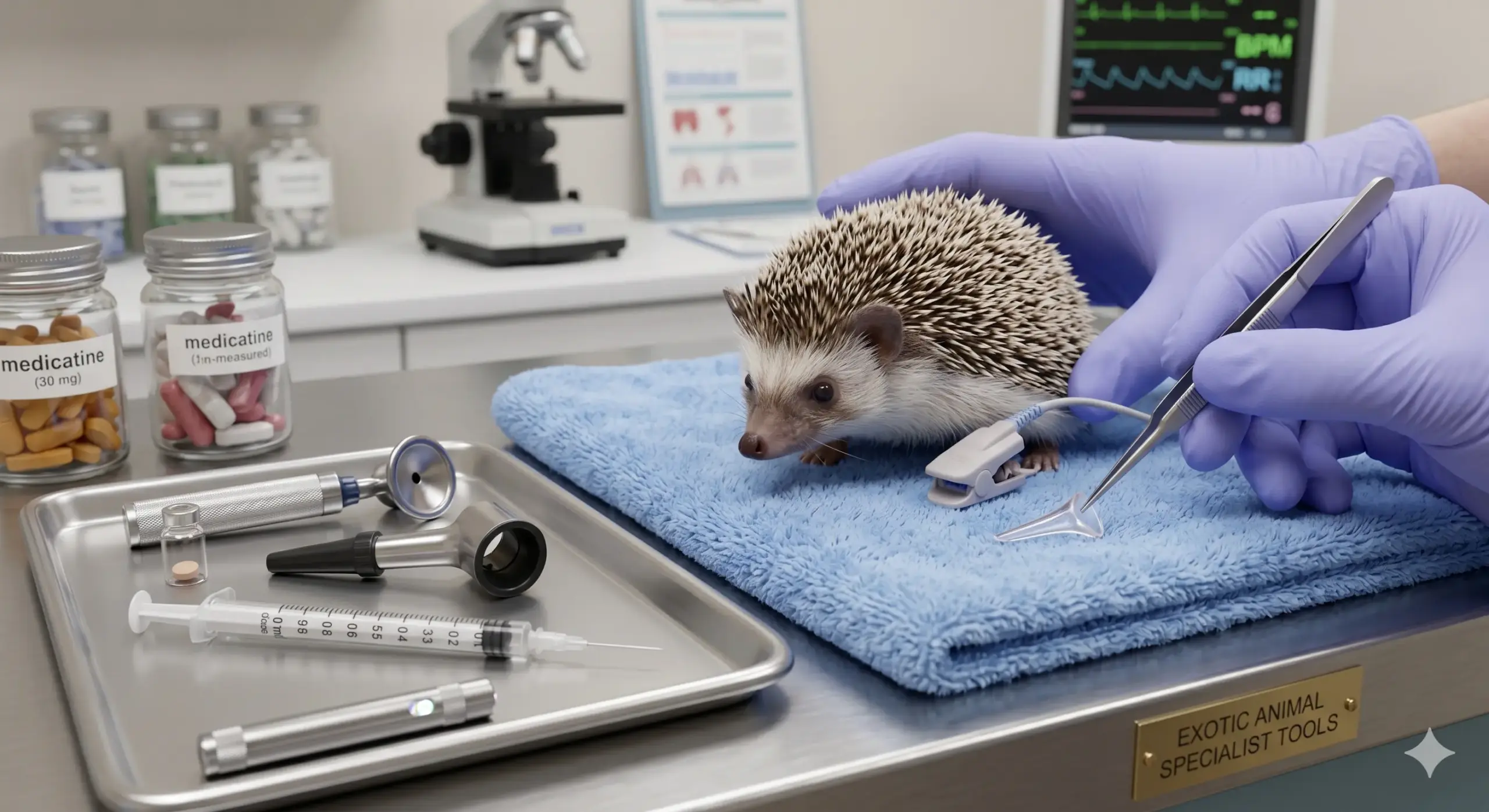
Your practitioner will start with a comprehensive physical examination, focusing on localized abdominal palpation to detect masses. They will likely request a sterile urine sample to analyze under magnification for red blood cells.
If the sample shows abnormal cellular activity, internal diagnostic imaging will be recommended to evaluate internal organs. X-rays reveal dense mineral stones, while ultrasound scans assess the thickness of reproductive tissue walls clearly.
Understanding these advanced exploratory procedures reduces stress for both you and your pet during complex clinical visits. Trusting scientific diagnostic protocols leads to accurate treatment plans rather than dangerous guesswork.
The Ultimate Solution: Spaying Your Hedgehog
Many experienced exotic veterinarians strongly recommend prophylactic spaying for young female hedgehogs. This elective surgical procedure completely removes the uterus and ovaries, nullifying major health threats entirely.
Spaying completely eliminates the risk of fatal uterine cancer, which sadly affects a vast majority of unspayed older females. It also protects your pet against acute bacterial pyometra infections.
While any surgery involving small mammals carries inherent anesthesia risks, choosing a certified exotic specialist ensures safety. A spayed female lives a much more relaxed, disease-free life by your side.
Responsible keepers often realize that addressing the query do female hedgehogs have periods leads directly to discussing sterilization options. Eliminating the organs prevents tissue mutations from threatening your companion’s lifespan down the road.
Post-Operative Care and Long-Term Recovery Expectations
Following a successful spay procedure, your pet requires a quiet, highly controlled environment for recovery. Replace loose bedding material with smooth fleece blankets to prevent loose particles from entering the surgical incision site.
Administer all prescribed pain management medications and antibiotics exactly as instructed by your exotic veterinary specialist. Restrict heavy exercise by removing the running wheel temporarily for the first ten days post-surgery.
Monitor the surgical closure daily for signs of inflammation, unusual swelling, or localized fluid discharge. With proper care, most young females bounce back completely within two weeks, showing renewed energy levels.
Keep the ambient temperature stable to support proper immune function during the delicate healing phase. Gentle care transforms a stressful surgical recovery into a smooth, bonding experience for you and your companion.
Proactive Pet Care Tip: Comprehensive understanding of your companion’s internal health requirements is the ultimate secret to enjoying a long, happy life together. Now that you know the truth regarding their reproductive biology, why not take the next step in optimizing their daily wellness? Check out our expert-approved handbook on The Best Safe Foods for Hedgehogs to supercharge their immune system and keep their quills perfectly healthy!
Debunking Myths: Do Female Hedgehogs Have Periods Internally?
A final misconception among hobbyists is that these animals experience internal cycles without shedding tissue outwardly. People ask do female hedgehogs have periods internally, assuming hormones cycle invisibly like larger livestock species.
Science clarifies that without copulation, the entire hormonal pathway remains completely flat and quiescent over consecutive months. There is no concealed tissue breakdown or cellular reabsorption happening hidden inside the body cavity.
Recognizing this absolute physical stillness shifts your focus away from natural cycles toward proactive pathogen monitoring. Every red spot is an active alert requiring systematic exploration rather than an invisible cycle.
Frequently Asked Questions (FAQ)
Q: Can a hedgehog bleed from quilling?
A: Quilling causes skin irritation, redness, and mild discomfort as new quills push through the skin surface. However, it should never cause visible bleeding or leave blood pooling inside the cage environment.
Q: What color is healthy hedgehog urine?
A: Normal hedgehog urine should be clear to pale yellow. If the urine looks dark orange, brown, pink, or bright red, it indicates potential dehydration, muscle breakdown, or internal urinary tract bleeding.
Q: Is spaying a female hedgehog safe?
A: It is highly safe when performed by an experienced exotic veterinarian who regularly treats small mammals. The long-term health benefits of preventing uterine cancer far outweigh the minor surgical risks involved.
Q: How do vets find out why a hedgehog is bleeding?
A: Veterinarians use specialized diagnostic methods, including urinalysis to check for infections, full-body digital X-rays to locate bladder stones, and ultrasound scans to inspect the uterine walls for tumors.
Q: Can stress cause a female hedgehog to bleed?
A: Stress can severely lower a hedgehog’s immune system, making them far more vulnerable to developing internal bladder infections or structural illnesses. However, stress alone does not mechanically trigger physical bleeding or cyclical fluid discharges.
Q: Why do some people ask do female hedgehogs have periods if it is biologically impossible?
A: Many owners naturally compare their exotic pets to human biology or larger domestic animals like dogs. When they discover mysterious red blood droplets across exercise wheels, they mistakenly assume it is a standard reproductive cycle rather than an emergency symptom.
For more authoritative research data regarding small mammal reproductive pathologies and advanced clinical treatment protocols, you can consult the official welfare guidelines published by the World Veterinary Association.