
Hedgehogs are fascinating creatures, but as a pet owner, the most critical question you’ll face is: what do hedgehogs eat? Providing the right nutrition is essential for their quill health, energy levels, and overall longevity. Unlike many other small pets, hedgehogs have unique dietary requirements as insectivores.
Understanding their unique metabolic processes helps prevent common health problems like obesity and fatty liver disease. A well-managed diet acts as a foundation for a vibrant, active companion. Let us dive deep into the specific dietary mechanics of these prickly insectivores to curate the ultimate feeding regime.
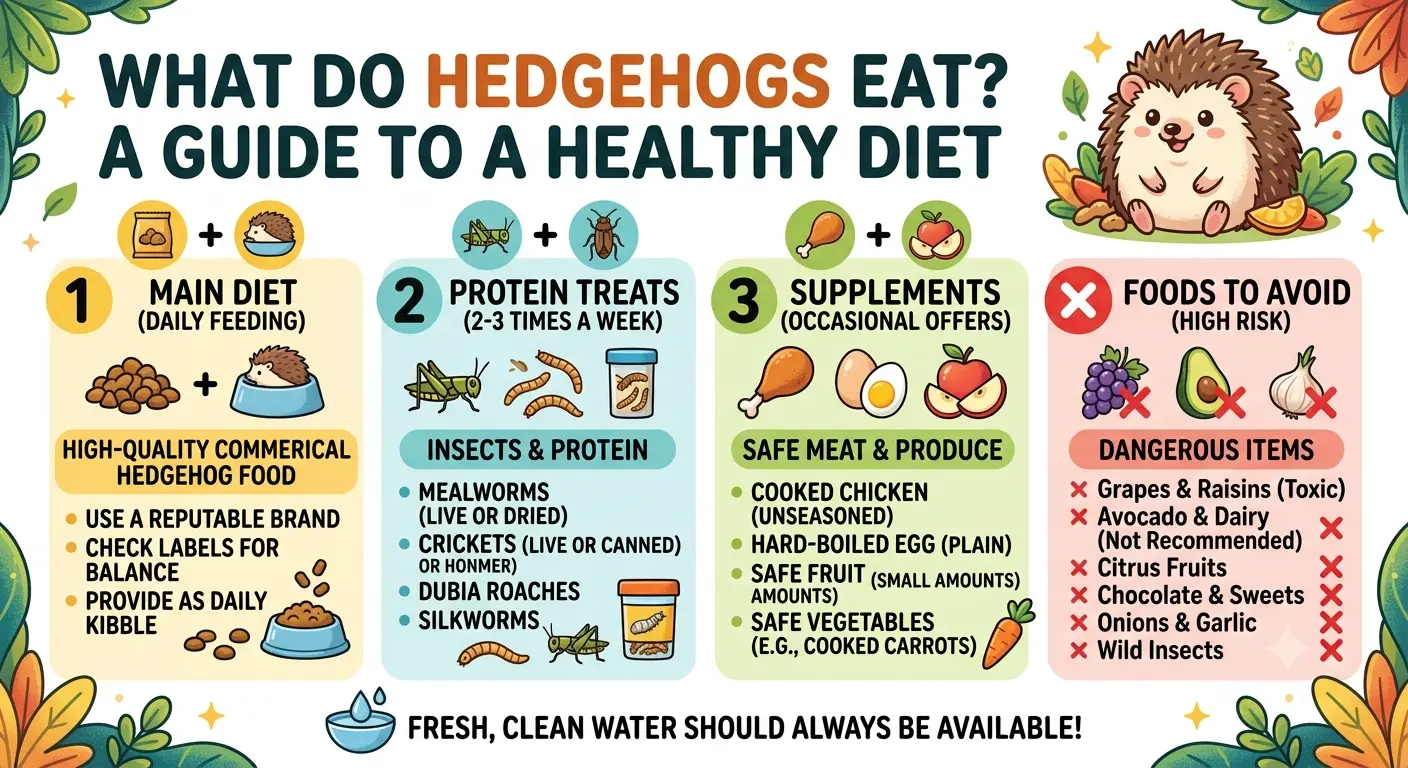
The Natural Diet: What Do Hedgehogs Eat in the Wild?
In nature, hedgehogs are opportunistic eaters roaming through fields and forests. Their primary source of energy comes from a diverse array of crawling and buzzing organisms. They rely on their acute sense of hearing and smell to unearth hidden prey under dense foliage.
When studying the baseline behavior of wild populations, researchers often ask: what do hedgehogs eat to sustain such high nocturnal energy? The answer lies in their active foraging, which keeps them lean and highly agile throughout their natural life cycles.
Insects and Invertebrates
Beetles, caterpillars, earwigs, and earthworms are staples of their nightly foraging expeditions. These invertebrates offer high amounts of protein and moisture, combined with essential fibers found in their exoskeletons. This chitinous material is crucial for proper digestion and structural gut health.
Small Vertebrates and Carrion
Occasionally, wild hedgehogs might stumble upon small frogs, lizards, or baby rodents. They are not classic hunters of large prey but will eagerly consume any vulnerable or dead small animals. This provides a dense boost of calcium, amino acids, and vital fats.
Plant Matter and Foraged Goods
They sometimes snack on fallen fruits, roots, and certain fungi, though this makes up a small portion of their diet. Plant matter is mostly consumed incidentally while they swallow insects attached to leaves. However, it provides trace vitamins and minerals that enrich their internal biological systems.
Feeding Your Pet Hedgehog: Best Food Options
To replicate their natural environment at home, a balanced and strictly measured diet is key. Most expert pet nutrition stores recommend mimicking their diverse wild intake through high-quality commercial alternatives. This protects your pet from nutritional deficiencies while managing caloric intake.
Consistency is vital when introducing commercial foods, as sudden changes can upset their sensitive stomachs. Portion control must be maintained to reflect their lower activity levels in captivity. Let us review the cornerstone components of a balanced domestic hedgehog menu.
1. High-Quality Hedgehog Kibble
Specialized hedgehog food is the best base for daily feeding routines. If you cannot find high-quality specialized formulations locally, many owners successfully use high-protein, low-fat cat food as a substitute. Ensure it is entirely grain-free, listing real meat like chicken or turkey as the primary ingredient.
The ideal kibble should contain roughly 30-35% protein and less than 12% fat content. The hard texture of kibble also provides a mechanical scraping action against their teeth. This simple process significantly reduces the buildup of harmful dental plaque and tartar over time.
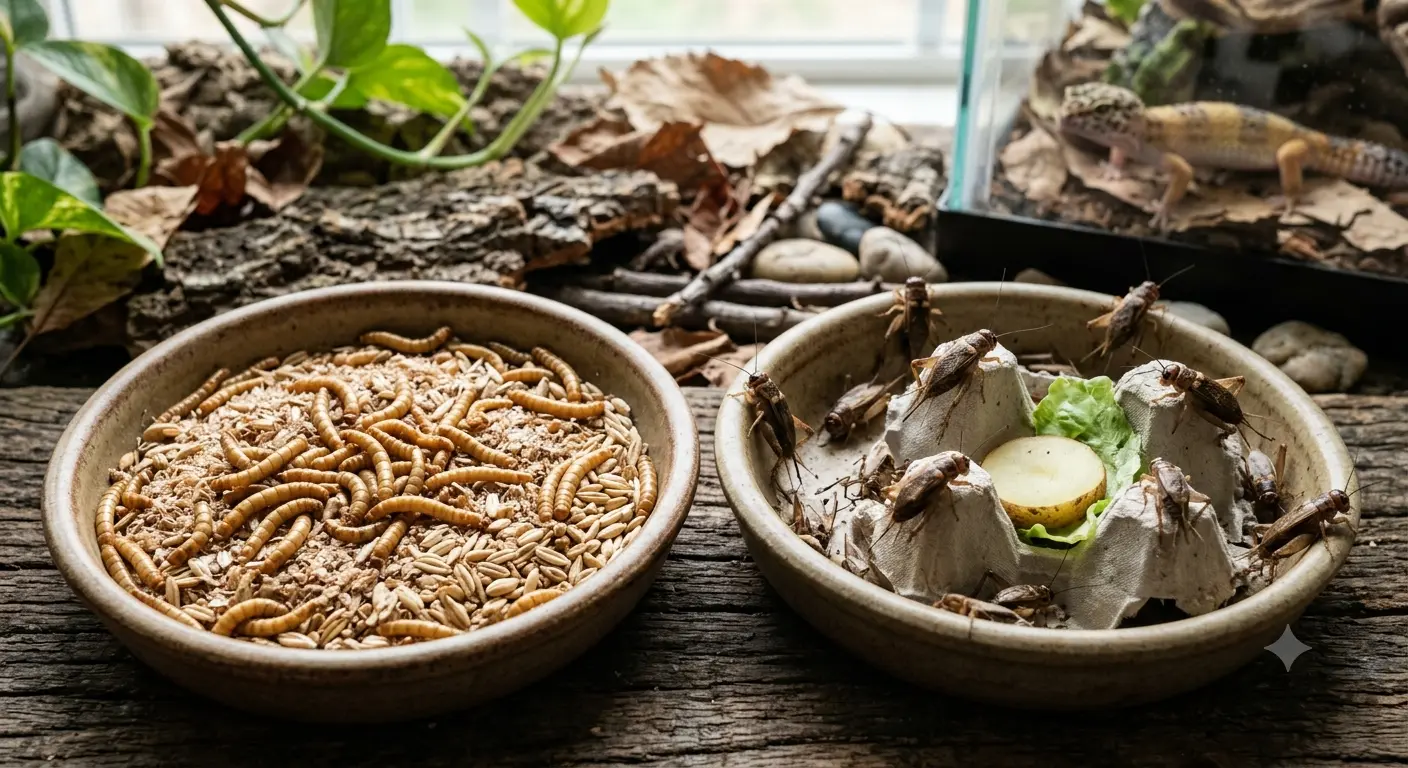
2. Live or Dried Insects
Since hedgehogs are insectivores, they need chitin, which is naturally found in insect shells. Good options include live or gut-loaded crickets, dubia roaches, and occasional mealworms. Chitin acts as a unique form of dietary fiber that regulates bowel movements and supports gut flora.
Insects should never be harvested from your backyard due to the high risk of pesticide contamination and parasites. Always buy your insects from reputable commercial breeders to guarantee safety. Hunting live insects also provides excellent mental and physical stimulation for your pet.
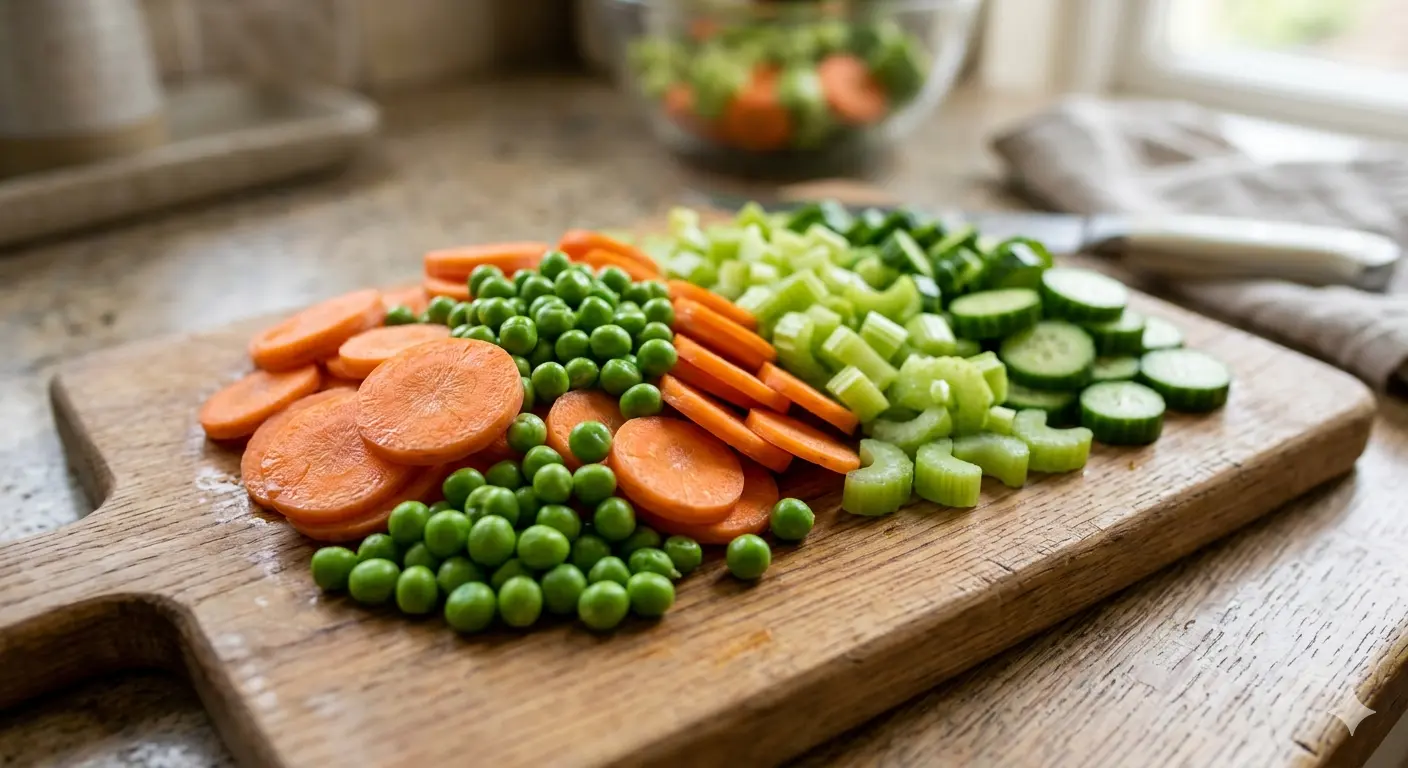
3. Fresh Vegetables and Fruits
While they love meat and insects, small amounts of fresh produce provide essential vitamins and antioxidants. Safe options include cooked carrots, green peas, skinless apples (with no seeds), and small pieces of bananas. Slice these treats into tiny, manageable portions to prevent choking hazards.
Vegetables should ideally be steamed without any added oils, salt, or seasonings to preserve their health benefits. Fruits should be offered sparingly due to their natural sugar content. Treat these additions as occasional supplements rather than the core meal.
The Human Experience: A Journey of Patience and Quills
I remember the first week I brought Barnaby home. He was a ball of sharp, defensive quills. Every little sound made him huff loudly. I wondered if he would ever trust me. It was hard. I sat by his cage every evening, speaking softly while offering a single, wiggling mealworm from my tweezers. Progress felt painfully slow.
Then, on the tenth night, something magical happened in the quiet room. He uncurled completely. His tiny black nose twitched with intense curiosity as he sniffed my bare palm. He ate right from my hand. My heart melted instantly. That breakthrough required immense patience, but the deep emotional bond we share now makes every single prickly poke completely worth it.
Foods to Avoid at All Costs
When designing a menu, answering what do hedgehogs eat is just as important as knowing what they should never touch. Their small organs cannot process complex human foods, additives, or specific toxic compounds. Feeding the wrong item can lead to sudden, severe digestive blockages or fatal toxic reactions.
Always double-check every new ingredient before letting your pet take a bite. It is always better to be safe and stick to proven ingredients than to risk an emergency vet visit. Here are the most hazardous items you must exclude from their environment:
- Dairy Products: Hedgehogs are completely lactose intolerant and lack the enzymes to break down dairy, leading to severe diarrhea.
- Sticky Foods: Foods like peanut butter or large dried fruits can easily become trapped in the roof of their mouths, causing suffocation.
- Seasoned Meats: Added salt, onions, garlic, and complex spices cause heavy damage to their sensitive kidneys and digestive linings.
- Toxic Fruits: Grapes, raisins, and all citrus fruits are highly toxic, causing acute renal failure or extreme stomach distress.
- Hard Nuts and Seeds: These do not digest well and present dangerous choking hazards or can splinter inside the digestive tract.
Comprehensive Nutrition Comparison Matrix
To help you visualize the ideal balance of food types, this matrix outlines the frequency and benefits of different options. New owners often ask veterinary clinics, “what do hedgehogs eat on a weekly basis?” This chart simplifies the required dietary distribution.
| Food Category | Recommended Frequency | Primary Nutritional Benefit | Precautionary Advice |
|---|---|---|---|
| High-Protein Kibble | Daily Base (1-2 tablespoons) | Balanced vitamins, dental health, protein | Must be low fat (<12%) and grain-free |
| Live/Dried Insects | 3-4 times per week (as treats) | Essential chitin, mental stimulation | Never feed wild-caught backyard insects |
| Fresh Vegetables | 2-3 times per week (small bits) | Fiber, moisture, micronutrients | Steam or chop finely; no salt or oils |
| Fresh Fruits | Once a week (very sparingly) | Vitamin C, natural hydration | Avoid grapes, raisins, and acidic citrus |
Hydration Dynamics: The Water Bowl vs. Bottle Debate
Clean water must be accessible around the clock for your pet to process dry kibble efficiently. Dehydration can settle in rapidly, leading to lethargy and organ strain. In addition to knowing what do hedgehogs eat, the method you choose to deliver water matters immensely.
Always provide a stable, shallow ceramic bowl of fresh, clean water. Avoid vertical “drip” water bottles completely because the metal ball mechanisms can chip a hedgehog’s delicate teeth. Additionally, their tongues can easily become trapped or injured between the spring-loaded metal parts.
Heavy ceramic bowls prevent your pet from flipping the water over during their nightly erratic runs. Change the water daily to remove any stray pieces of bedding or kibble. Keeping the water pristine encourages consistent drinking habits.

Conclusion: Designing the Perfect Plan
Answering the fundamental question of what do hedgehogs eat requires balancing natural instincts with domestic safety. By mimicking their wild insectivorous lifestyle through premium grain-free kibble, controlled live insect treats, and safe vegetables, you pave the way for a thriving pet.
According to the Association of Exotic Mammal Veterinarians, maintaining strict nutritional boundaries drastically extends your exotic companion’s overall lifespan. Keep a small digital scale handy to track weight fluctuations every single month.
A healthy diet, backed by a deep understanding of their unique physical needs, guarantees your companion remains happy, energetic, and healthy for years to come. Your dedication as an educated owner makes all the difference in their world.
Frequently Asked Questions (FAQ)
Q: What do hedgehogs eat if commercial food is out of stock?
A: You can safely use a high-quality, grain-free kitten or cat kibble that is high in protein and low in fat as a temporary substitute until your specialized food arrives.
Q: Can I feed my hedgehog raw meat?
A: It is highly discouraged. Raw meat carries a substantial risk of Salmonella and other bacterial contaminations. Always cook meats thoroughly by boiling or steaming without any oils or spices before serving.
Q: What should I do if my hedgehog becomes obese?
A: Review their primary food sources and strictly limit high-fat treats like mealworms. Increase their physical activity by ensuring they have a safe, solid-surface running wheel and more secure out-of-cage exploration time.
Q: How many insects can I safely feed my pet per day?
A: For standard mealworms or crickets, 3 to 4 insects per feeding session, three times a week, is perfectly sufficient. Insects should be treated as rewards and supplements, never as a total replacement for balanced daily kibble.