
The Biological Reality of the Insectivore Diet
This hedgehog nutrition guide is designed to help you understand that African Pygmy hedgehogs are specialized insectivores whose digestive systems evolved over millions of years to process specific prey animals.
Understanding hedgehog diet requirements begins with a single, non-negotiable fact: the captive hedgehog’s gut is essentially the same gut that roamed the savannas and scrublands of central Africa.
Understanding hedgehog diet requirements begins with a single, non-negotiable fact: the captive hedgehog’s gut is essentially the same gut that roamed the savannas and scrublands of central Africa.
In the wild, a hedgehog may cover one to three miles nightly, consuming beetles, caterpillars, worms, and the occasional small vertebrate. That activity level — and that prey-based diet — shaped every enzyme, every metabolic rate, every nutritional need your pet carries today.
The mismatch between wild foraging and captive living is where most nutrition problems begin. A wild hedgehog burns enormous caloric reserves simply surviving. A cage-bound hedgehog does not.
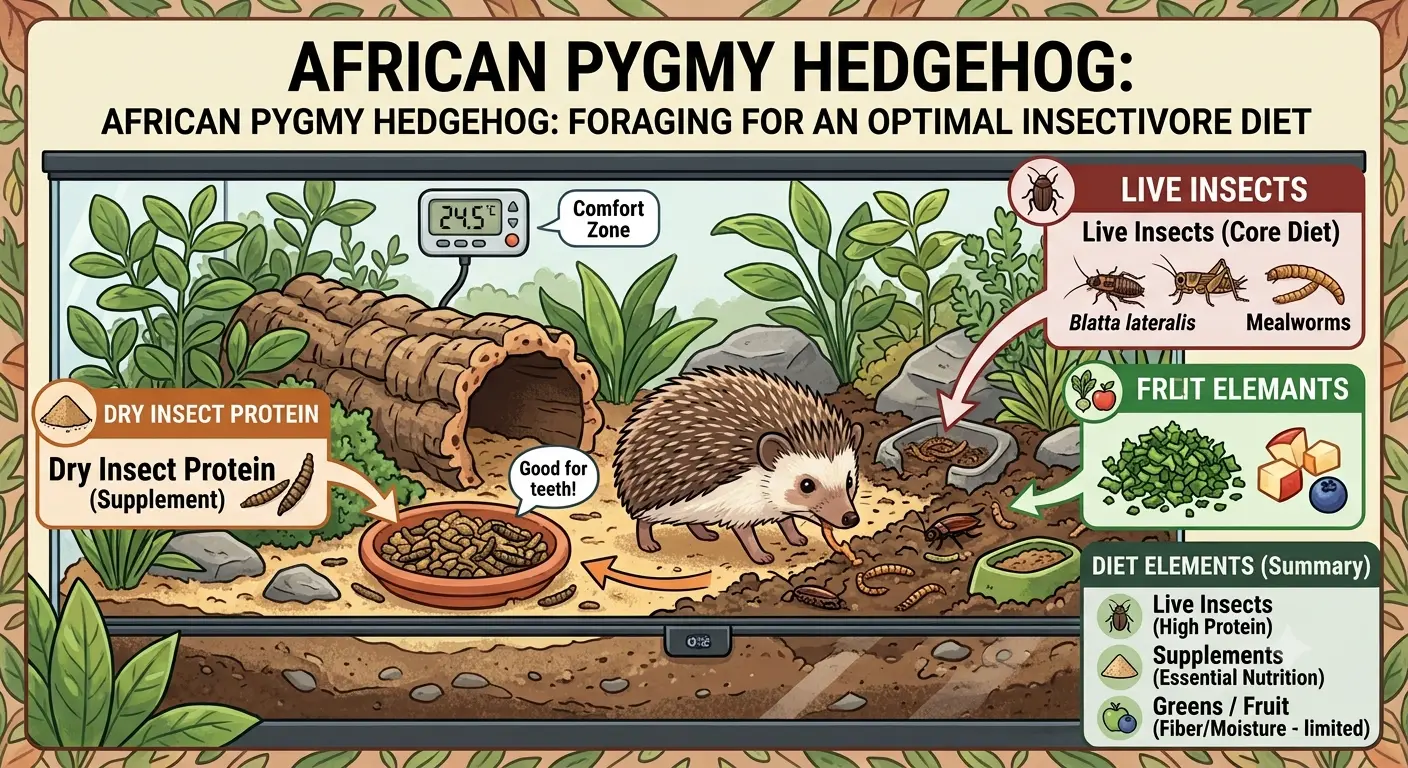
Without adjusting food volume to reflect a sedentary lifestyle, obesity, hepatic lipidosis, and cascading metabolic consequences follow predictably.
At the enzymatic level, the hedgehog’s digestive tract is purpose-built for insect-based nutrition. Research published via PubMed on hedgehog feeding behavior confirms that hedgehogs possess specific enzymatic machinery to break down chitin — the structural polysaccharide forming insect exoskeletons.
This is a meaningful evolutionary adaptation. However, that same gut cannot efficiently process cellulose, the fibrous carbohydrate in plant cell walls. Feeding heavy plant matter doesn’t supplement a hedgehog’s diet — it largely passes through undigested.
The practical takeaway is the concept of maintenance level: the precise caloric and protein intake that sustains a healthy weight and organ function without the energy demands of wild foraging.
For most adult domesticated hedgehogs, this means roughly one to two tablespoons of low-fat, high-protein kibble per night — a carefully calibrated baseline that the next section’s core terminology will help you decode with precision.
Core Terminology for the Modern Keeper
Understanding five key terms transforms a guesswork-based feeding routine into a science-backed hedgehog diet for African Pygmy hedgehogs that genuinely supports long-term health.
Before diving into specific macronutrient targets and food selection, every keeper benefits from a shared vocabulary. The technical sections ahead reference these concepts repeatedly, so a firm grasp now prevents confusion later.
Dry Matter Basis (DMB)
The nutritional content of a food expressed after all moisture is removed — the only valid way to compare wet foods, dry kibble, and live insects on equal footing, since raw percentages are skewed by water weight.
Ca:P Ratio
The balance of calcium to phosphorus in the diet; the Association of Exotic Mammal Veterinarians recommends a safe range of 1:1 to 2:1, and chronic imbalance can trigger the same irreversible bone deterioration seen in other exotic species — a risk explored further in this guide to calcium-related metabolic issues.
Chitin
The structural polysaccharide found in insect exoskeletons; it functions as a prebiotic fiber in the hedgehog gut, supporting motility and beneficial microbial populations in a way plant-based fiber cannot fully replicate.
Torpor
A dangerous, semi-hibernative metabolic slowdown that African Pygmy hedgehogs — unlike their European cousins — are not physiologically equipped to survive; inadequate caloric density or environmental cold is the most common trigger, and it can be fatal without rapid intervention.
Ad Libitum
A Latin phrase meaning “at will,” describing a free-feeding approach where food is available at all times without portion control — a setup that suits some insectivores but carries real obesity risk in sedentary captive hedgehogs.
With these definitions established, the logical next step is understanding the precise ratio of protein, fat, and fiber that keeps a hedgehog metabolically stable — which is exactly what the macronutrient blueprint covers next.
The Macronutrient Blueprint: Protein, Fat, and Fiber
Getting the macronutrient ratios right is the single most controllable factor in a hedgehog’s long-term health — and the numbers are more specific than most keepers realize.
According to the National Institutes of Health, captive hedgehog diets should deliver 30%–50% protein and 10%–20% fat on a dry matter basis. In practice, most nutritionists narrow that fat window considerably for adult pets. The table below maps each macronutrient to its function:
| Nutrient | Target % (Dry Matter) | Purpose |
|---|---|---|
| Protein | 30–50% | Muscle maintenance, enzyme production, immune function |
| Fat | 10–12% | Energy, hormone synthesis, quill and skin integrity |
| Fiber (+ chitin) | 15–20% | Gut motility, microbiome balance, weight regulation |
Protein is the cornerstone of any hedgehog food for maintenance level feeding. The VCA Animal Hospitals feeding guide emphasizes animal-sourced protein — insects, poultry meal, or egg product — over plant proteins, which offer an inferior amino acid profile for obligate insectivores.
Fat presents the greatest risk when oversupplied. While fat delivers 2.25× the caloric density of protein, pushing beyond 12–15% in a sedentary adult accelerates hepatic lipidosis and obesity — conditions notoriously difficult to reverse. The 10–12% range is the practical sweet spot for most non-breeding adults.
Fiber deserves special attention because chitin — the structural polymer in insect exoskeletons — functions differently from plant-based cellulose. Chitin supports gut motility and acts as a prebiotic substrate, which is why whole insects and mealworms remain a valuable dietary complement even when a premium kibble anchors the meal plan.
- Protein floor: Never drop below 28% dry matter — muscle wasting appears within weeks
- Fat ceiling: Cap at 15% for most adults; breeding females may tolerate slightly higher
- Fiber source matters: Chitin-based fiber outperforms cellulose for digestive health
- Label reading: Divide “As Fed” values by (100 − moisture%) × 100 to convert to dry matter — the only accurate comparison point across foods
Reading the Guaranteed Analysis panel on any commercial product requires one key conversion: “as fed” percentages inflate moisture-dense foods and deflate kibble. Always convert to dry matter before comparing options — a skill that becomes essential when evaluating the commercial diets covered next.
Analyzing Commercial Options: Mazuri and Beyond
Any serious hedgehog nutrition guide must start with a frank evaluation of commercial diets — because not all kibble is created equal, and the gap between the best and worst options directly determines your hedgehog’s long-term health outcomes.
Specialized Hedgehog Diets
The most recognized species-specific option on the market is the Mazuri Hedgehog Diet, formulated with a high-protein, high-fiber profile designed around the African Pygmy hedgehog’s insectivore biology.
What sets it apart is its deliberate inclusion of Vitamin E and essential fatty acids — two nutrients directly linked to skin integrity, quill regeneration, and coat condition.
Deficiencies in either can manifest as quill loss or chronic dry skin, conditions that are often misattributed to mites or stress.
Pros:
- Purpose-built macronutrient ratios matching hedgehog biology
- Added Vitamin E and fatty acids for dermal and quill health
- Consistent batch quality from a regulated manufacturer
Cons:
- Higher price point than general small-animal kibble
- Not universally available in all retail stores
- Some formulations contain cellulose as a fiber source, which offers minimal nutritional value
Kibble Alternatives: The Cat Food Debate
A widely accepted practice among experienced keepers is supplementing — or replacing — hedgehog-specific diets with high-quality cat kibble. According to VCA Animal Hospitals, this is acceptable when the kibble lists a named animal protein (chicken, turkey, salmon) as the first ingredient and contains 28–35% protein with under 15% fat.
However, this approach carries real risk without careful label reading.
Pros:
- Broader availability and often lower cost
- High-quality formulas can closely mirror hedgehog nutritional targets
Cons:
- Many cat foods contain corn, wheat, or cellulose — filler ingredients that add bulk with zero bioavailable nutrition
- Artificial preservatives and by-product meals can undermine digestive health
- Fat content varies wildly; a high-fat formula accelerates obesity risk
The core rule: ingredient lists that lead with grain derivatives or unnamed “meat meal” should be immediately rejected. Just as skeletal health in reptiles depends on precise dietary volume, a hedgehog’s metabolic health is equally unforgiving of chronic nutritional gaps.
The best commercial diet — specialized or otherwise — is the one with the cleanest, most transparent ingredient profile you can consistently source. Of course, even the finest kibble can’t replicate one critical dimension of hedgehog nutrition — the live prey component.
The Necessity of Live Prey and Enrichment
Live insects aren’t optional enrichment for captive hedgehogs — they are a biological requirement that addresses both nutritional gaps and the psychological needs of an obligate insectivore.
Understanding what to feed a hedgehog goes well beyond kibble selection. In the wild, African pygmy hedgehogs spend hours foraging, pursuing, and consuming live prey.
Captivity removes that behavioral outlet entirely, which contributes to chronic stress and stereotypic behavior. Offering live insects several times per week partially restores that hunt-and-capture sequence, providing genuine cognitive stimulation alongside nutritional value.
Research published on PubMed confirms that insects represent the dietary foundation of wild hedgehog feeding behavior — not an occasional bonus. Not all feeder insects are nutritionally equivalent. Each species offers a distinct macronutrient profile:
- Dubia roaches: High protein (~36% dry weight), moderate fat, and a far more balanced calcium-to-phosphorus ratio than mealworms; considered the gold-standard feeder insect
- Crickets: Solid protein source (~21% dry weight) with lower fat content; excellent for leaner hedgehogs prone to weight gain
- Mealworms: Highly palatable and useful for picky eaters, but high in fat (~28%) and critically low in calcium
The “Inverted Ratio” trap is the most overlooked danger in hedgehog insect feeding. Mealworms carry a calcium-to-phosphorus ratio of approximately 1:7 to 1:11 — the inverse of what a hedgehog’s skeleton requires.
Feeding them as a primary insect source over time creates the same chronic mineral imbalance responsible for metabolic bone disease in other reptiles.
Mealworms work best as a limited reward, not a staple. Gut-loading corrects much of this nutritional shortfall. Before offering insects, feed them calcium-rich vegetables — collard greens, mustard greens, or commercial gut-load formula — for 24 to 48 hours.
The insect effectively becomes a nutrient delivery vehicle, transferring those minerals directly to your hedgehog. According to VCA Animal Hospitals, supplementing insect prey remains one of the most practical ways to round out a captive hedgehog’s diet.
This simple step transforms an otherwise imbalanced treat into a genuinely functional food — which matters most for hedgehogs already consuming a primarily kibble-based diet. Even with a well-optimized insect rotation, portion discipline remains the next critical challenge — and one that hedgehogs, as opportunistic overeaters, routinely fail on their own.
Combating the Obesity Epidemic
Obesity is the single greatest threat to captive hedgehogs — and unlike most health crises, it’s almost entirely preventable through disciplined portion control and environmental design.
As Dr. Graffam-Carlsen of the Bronx Zoo noted bluntly, “obesity is the number one problem with captive hedgehogs and many die in a state of obesity.” The root cause is straightforward: African pygmy hedgehogs evolved as opportunistic foragers, wired to eat aggressively whenever food is available.
In the wild, that instinct is balanced by miles of nightly travel. In a cage with an always-full bowl, it becomes a death sentence. Recognizing obesity before it becomes critical requires knowing what to look for. Two practical field tests stand out:
- The ball test: A healthy hedgehog should curl into a tight, complete ball when threatened. An obese hedgehog cannot fully close — its belly fat physically prevents the quills from meeting.
- The armpit fat pad test: Visible, puffy fat deposits in the axillary (armpit) region are a reliable early-warning sign of excess weight gain.
Metabolic consequences compound quickly. Excess fat directly stresses the cardiovascular system, worsens the already-elevated incidence of cardiomyopathy in this species, and accelerates joint degeneration.
Poor weight management in captive exotics mirrors patterns seen across multiple species where ad-libitum feeding causes systemic organ stress. Portion control is non-negotiable. Practical strategies include:
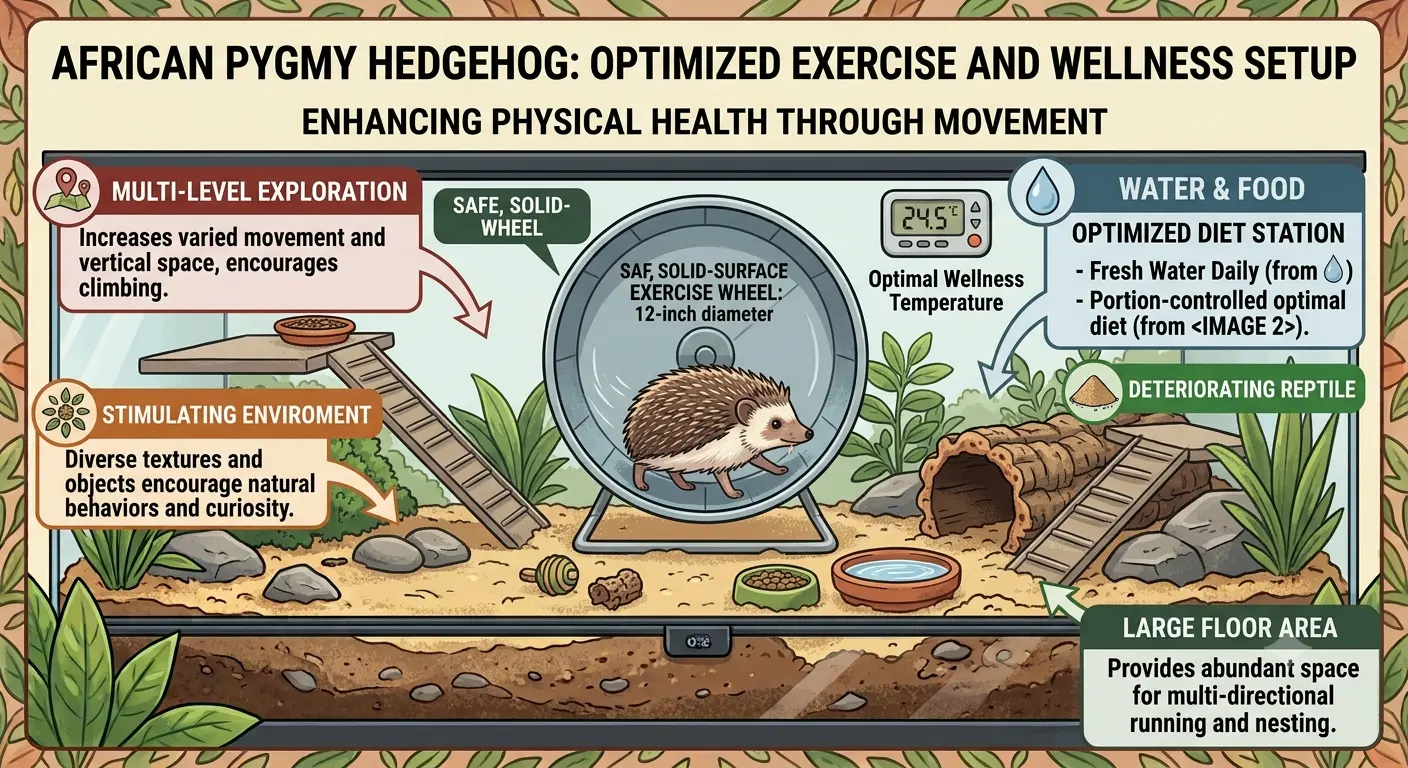
- Measuring kibble to 1–2 teaspoons per night (not per day — hedgehogs are nocturnal feeders)
- Using a wheel that logs activity to calibrate caloric needs
- Avoiding free-feeding with any diet, including the mazuri hedgehog diet, despite its balanced formulation
These principles shift noticeably as a hedgehog ages — because caloric requirements aren’t static across a lifetime.
Life Stage Nutrition: From Hoglet to Senior
A hedgehog’s dietary requirements shift dramatically across its lifespan — what nourishes a growing hoglet can trigger obesity in a sedentary senior.
One of the most overlooked african pygmy hedgehog facts is that nutritional needs aren’t static. Feeding a three-year-old hedgehog the same way you feed a three-month-old sets the stage for preventable health problems.
Understanding how to calibrate portions, protein levels, and food texture at each life stage is foundational to long-term wellbeing.
Hoglet Growth Phase (0–6 months)
Growing hoglets have exceptionally high energy demands. Their bodies are building muscle, bone density, and immune capacity simultaneously, so protein intake is the priority — research on hedgehog feeding behavior confirms that high-protein diets support healthy development during peak growth.
In practice, hoglets should have near-continuous access to a high-quality, protein-rich kibble (28–35% protein), supplemented with small live insect portions to mirror natural foraging patterns. Restricting calories too early stunts development.
Adult Maintenance Phase (6 months–3 years)
At approximately six months, skeletal growth plateaus and metabolic rate begins to normalize. This is the critical window to transition from growth-phase feeding to strict portion control — typically 1–2 tablespoons of kibble nightly, per VCA Animal Hospitals‘ feeding guidelines.
Caloric density should drop accordingly. Fat content in kibble should sit between 10–15%, and treat frequency warrants monitoring. As covered in the previous section on obesity, ad libitum feeding becomes genuinely dangerous here — hedgehogs can consume up to 33% of their body weight in a single night if food isn’t rationed.
Senior Phase (3+ years)
Senior hedgehogs face a dual challenge: slower metabolism increases obesity risk, while dental deterioration can make hard kibble painful.
Fat content in the diet should be reduced further, prioritizing lean protein sources. Softening kibble with warm water or introducing wet cat food as a partial substitute addresses dental issues without sacrificing nutrition, as noted by PetMD‘s exotic care resources.
Weight and mobility checks become monthly essentials at this stage. Understanding what to feed at each life stage is only half the equation — the other half is knowing which foods must never appear in the bowl at any age, regardless of how “natural” they might seem.
Foods to Avoid: The ‘Never Feed’ List
Some of the most dangerous hedgehog foods are everyday household staples — understanding exactly why each poses a threat is the difference between an informed owner and an emergency vet visit.
Knowing what to withhold is just as critical as knowing what to serve. Drawing on the life stage and obesity principles covered earlier, the goal here is simple: eliminate risk at the source.
The table below separates outright toxic foods from those that are simply poor choices due to digestive incompatibility.
| Toxic — Never Feed | Avoid — Causes Harm |
|---|---|
| Grapes & raisins | Peanut butter |
| Onions & garlic | Dried fruit |
| Avocado | Citrus (oranges, lemons) |
| Alcohol | Corn-heavy kibble |
| Chocolate | Sunflower seeds (in excess) |
| Raw meat (salmonella risk) | Milk & cheese |
Grapes and raisins top the toxic list for good reason. While the exact mechanism is not fully understood in hedgehogs, these foods are documented causes of acute renal failure in closely related small mammals, and veterinary guidance consistently excludes them from any safe food list.
Dairy products are a near-universal problem. Hedgehogs lack sufficient lactase enzyme activity to process lactose, making milk, cheese, and yogurt reliable triggers for diarrhea, bloating, and secondary dehydration.
According to PetMD‘s exotic care resources, dairy should be treated as categorically off-limits rather than an occasional treat.
Sticky foods like peanut butter and chunky dried fruit present a mechanical choking hazard — the adhesive texture can lodge in a hedgehog’s narrow palate or roof of mouth.
Separately, as the Journal of Nutrition confirms, hedgehogs cannot digest cellulose efficiently, meaning plant-heavy fillers add bulk with zero nutritional return.
Citrus fruits are often mistakenly assumed “safe” because they are natural. In practice, the high acidity irritates the gastrointestinal lining, causing digestive upset disproportionate to portion size — even a small segment can trigger loose stools and appetite suppression.
This same caution applies broadly to exotic pets; sugar content in fruit is a recurring hazard across species.
Mastering what stays off the menu naturally raises the next question — what goes in the water bowl, and how much of it matters for long-term organ health.
Hydration and Water Quality
Proper hydration is one of the most underestimated pillars of hedgehog health — yet the delivery method matters just as much as the water itself.
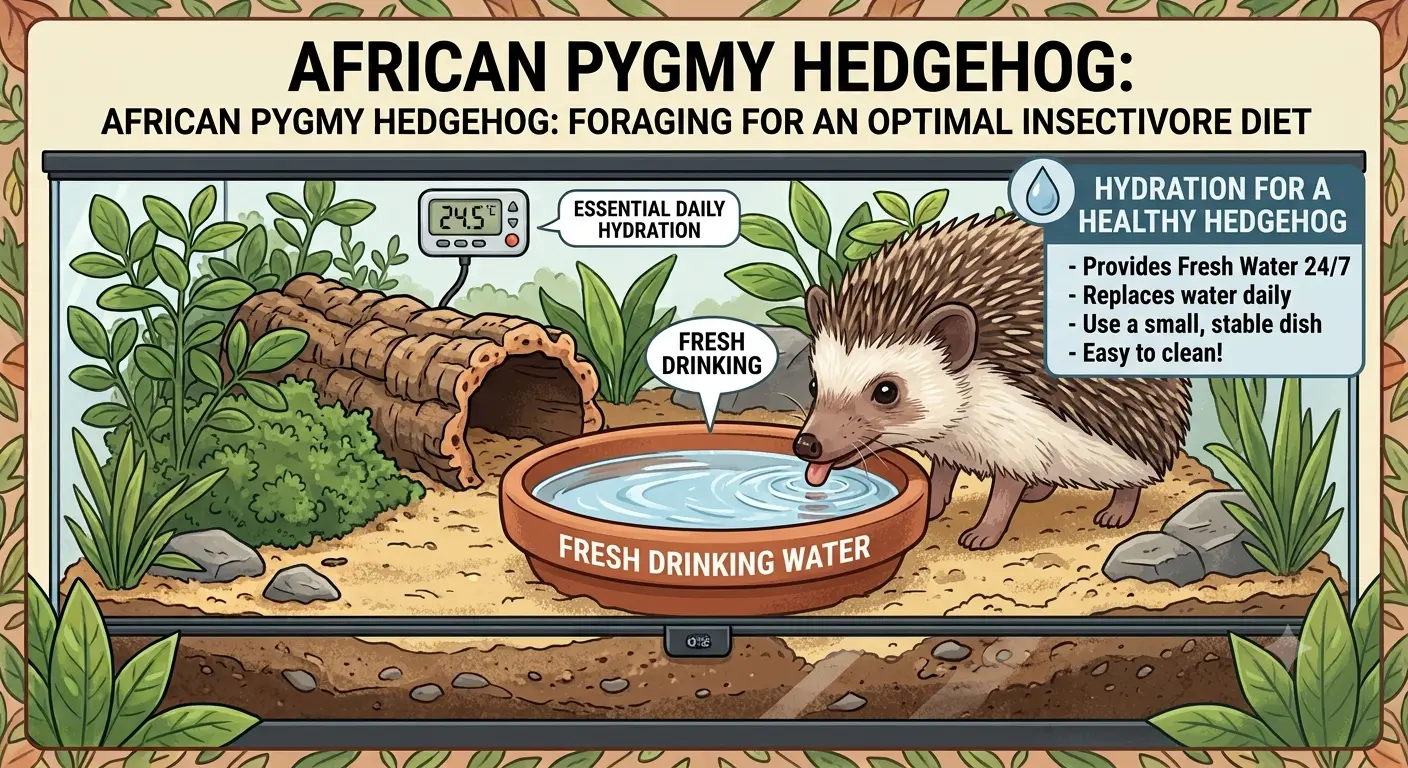
Bowl vs. bottle isn’t a trivial debate. Flat-bottomed ceramic or stainless steel water bowls allow a hedgehog to drink in a natural, head-down posture that mirrors how they access water in the wild.
Sipper bottles, by contrast, force an awkward upward stretch that strains the neck and discourages adequate drinking. According to The Spruce Pets, bowls are generally the preferred option recommended by exotic mammal specialists for this reason.
Ball-point sipper bottles carry a specific, underreported risk: tongue entrapment. A hedgehog’s small, rough tongue can become suctioned around the metal ball tip, causing panic, injury, and — in severe cases — tissue damage.
This risk is compounded by the fact that hedgehogs are crepuscular and most active at night, meaning injuries often go unnoticed for hours. If a bottle is the only available option, wide-spout designs with recessed balls reduce — but do not eliminate — this hazard.
Water cleanliness directly impacts renal function. Hedgehogs are prone to kidney disease, and stagnant, bacteria-laden water accelerates this risk.
Bowls should be rinsed and refilled daily with fresh, filtered, or dechlorinated water; chlorinated tap water is tolerable in most municipalities but filtered water is a simple upgrade worth making.
Exotic Nutrition’s feeding guidelines emphasize that contaminated water sources are a common, preventable contributor to digestive and organ stress in captive insectivores.
Dehydration in exotic mammals can become critical rapidly. Key warning signs include sunken, dull eyes, dry or tacky gums, loose skin that fails to snap back when gently pinched (poor skin turgor), and lethargy.
Because hedgehogs have a narrow thermal window — failing to maintain appropriate ambient temperatures can push them toward life-threatening torpor, which compounds dehydration — monitoring both environment and water intake together forms a critical part of daily care.
Beyond hydration itself, nutritional balance underpins systemic health at a deeper level — which brings us to one of the most consequential yet frequently overlooked topics in hedgehog care: the role of specific supplements and the very real danger of metabolic bone disease.
Supplements and Metabolic Bone Disease (MBD)
Unbalanced calcium-to-phosphorus ratios are the primary nutritional trigger for Metabolic Bone Disease in hedgehogs — a painful, progressive condition that is entirely preventable with targeted supplementation.
Vitamin D3 is the gatekeeper of calcium absorption. Without adequate D3, dietary calcium passes through the digestive system largely unused, leaving bones starved of the minerals they need to maintain density and structure.
Since captive hedgehogs receive no meaningful UV-B exposure — unlike their wild counterparts foraging at dusk — D3 must come directly from diet or supplementation.
The Association of Exotic Mammal Veterinarians (AEMV) confirms that maintaining the Ca:P balance is critical to prevent MBD, making D3 not optional but foundational.
Calcium dusting on feeder insects is the most practical delivery method for most owners. Dust live insects lightly — roughly once or twice per week — using a reptile-grade calcium supplement that includes D3.
The key word is lightly: a thin coat, not a heavy caking. Mealworms and crickets already carry an unfavorable phosphorus load, so dusting helps correct that imbalance at the source rather than relying on the base diet alone.
Recognizing MBD early is critical, because skeletal damage compounds quickly. Watch for these warning signs:
- Dragging or splayed rear legs — often the first visible neurological signal
- Brittle, breaking, or discolored quills — indicating systemic mineral deficiency
- Reluctance to move or climb — pain response from weakened bones
- Soft jaw or facial swelling — advanced-stage bone demineralization, similar to MBD progression seen in other exotic species
Over-supplementation carries its own risks. Hypercalcemia — excess calcium in the bloodstream — can cause kidney calcification and organ stress, ultimately shortening lifespan.
Stick to a structured dusting schedule rather than supplementing daily or adding calcium to the water supply. When a hedgehog receives a varied, protein-rich diet with appropriately dusted insects, MBD risk drops dramatically without tipping into toxic excess.
Nailing supplementation is one piece of a larger nutritional puzzle — the next section pulls every protocol covered in this guide into a concise framework for long-term hedgehog health.
Key Takeaways for Optimal Longevity
Every dietary decision you make for your hedgehog compounds over time — the protocols that consistently produce healthy, long-lived animals share five non-negotiable principles.
The nutritional framework built across this guide converges on a clear hierarchy of priorities. Protein must constitute 30–50% of the diet, sourced primarily from named animal proteins — not plant-based fillers that inflate the protein percentage without delivering complete amino acid profiles.
According to VCA Animal Hospitals, hedgehogs are insectivores by nature, and their digestive systems are optimized for animal-derived nutrition.
Diets falling outside these parameters, particularly those high in fat, are linked to muscle loss and reduced lifespan, per research published in Veterinary Clinics of North America.
Fat content belongs in a strict 10–12% window. Exceeding this threshold — especially with sedentary captive animals — accelerates the progression toward hepatic lipidosis and obesity-related organ compression.
Strict portion control is the only practical defense against this outcome; free-feeding is not compatible with long-term health.
Insects are not optional enrichment — they are metabolically necessary. Chitin from mealworms, crickets, and dubia roaches supports digestive motility and mirrors the fibrous content hedgehogs would obtain through natural foraging.
Skipping insect supplementation consistently produces animals with suboptimal gut function. For comparison, reptiles with similar UV and calcium dependencies demonstrate how neglecting species-specific micronutrient delivery creates cascading health failures.
When evaluating commercial kibble, scan the ingredients list for cellulose, corn gluten meal, and unnamed meat by-products — markers of low-quality formulations that compromise bioavailability.
Cross-reference against the calcium-to-phosphorus ratio, which must hold between 1:1 and 2:1 to prevent Metabolic Bone Disease, as detailed in the previous section.
- Protein (30–50%) drives lean mass and immune function — prioritize named animal proteins above all other macronutrients.
- Fat above 15% is a documented longevity risk — enforce portion control rigorously, especially in low-activity hedgehogs.
- Insects deliver irreplaceable chitin — no plant-based substitute replicates its digestive and metabolic benefits.
- Commercial label scrutiny is non-negotiable — cellulose-heavy formulas mask poor nutritional density behind inflated fiber claims.
- A 1:1 to 2:1 Ca:P ratio is the structural baseline — deviations in either direction open the door to preventable, painful bone disease.
The depth of each principle explored here points toward broader dimensions of hedgehog care that extend well beyond the food bowl — topics covered in the resources ahead.
Further Reading and Specialized Care Resources
Nutrition is the foundation of hedgehog health — but it works in concert with longevity biology, environmental conditions, and responsible sourcing decisions that every serious owner must understand.
Dietary protocols don’t exist in isolation. What your hedgehog eats directly influences how long it lives, how well it thermoregulates, and whether the stress of its early life history compounds or diminishes over time.
The resources below extend this guide’s core framework into the adjacent disciplines that complete a whole-animal care approach.
- The Science of Domesticated Hedgehog Longevity — Explores how cumulative nutrition, genetics, and husbandry interact to determine lifespan in Atelerix albiventris, including what published survival data reveals about the most common preventable causes of early death.
- Environmental Engineering and Thermal Regulation — Covers enclosure design, ambient temperature targets, and how thermal stress triggers hibernation attempts that crash metabolic function — a critical companion to understanding why consistent nutrition alone isn’t sufficient. Watch for subtle signs of systemic decline that can indicate your thermal and dietary protocols are failing together.
- Economics and Ethics of Hedgehog Acquisition — Breaks down purchase costs, breeder vetting, and the welfare implications of sourcing decisions — because a hedgehog’s nutritional trajectory begins before it reaches your home.
Well-fed animals still fail when their broader care environment is misaligned. These guides work as a system, not a checklist.
Exopetsecrets publishes science-backed, species-specific care manuals that translate complex biological requirements into clear, actionable protocols — without the generic advice that puts animals at risk. Explore the full care library to build a comprehensive husbandry framework your hedgehog’s health depends on.