
Welcoming an exotic small mammal into your domestic environment introduces an extraordinary journey filled with unique rewards and highly specific husbandry requirements. For animal enthusiasts worldwide, acquiring a baby hedgehog represents a delightful milestone that demands comprehensive educational preparation.
Rearing these specialized insectivores successfully involves a deep, science-based comprehension of their physiological milestones, environmental adaptations, and complex life cycles. Without adequate foundational knowledge, novice keepers frequently struggle to decipher the subtle behavioral indicators and metabolic demands of these creatures.
This ultimate pillar manual functions as an authoritative repository of biological insights and practical instructions, enabling you to construct an optimal captive habitat. By exploring structural housing, nutritional chemistry, and developmental thresholds, we ensure your transition into ownership remains secure and thoroughly informed.
From the initial considerations of ethical sourcing to advanced reproductive management, every facet of handling a young mammal requires calculated precision. Let us unpack the anatomical and behavioral complexities that define the care of this fascinating modern pet species.
The Biological Anatomy of a Newborn Baby Hedgehog
The early life of a tiny insectivore begins in a remarkably vulnerable state, characterized by total blindness, deafness, and a complete lack of pigmentation. When a baby hedgehog first emerges during parturition, its skin appears swollen due to a specialized subcutaneous fluid layer designed to protect the mother.
Beneath this fluid-filled dermal layer lie the initial rudimentary spikes, which emerge as soft, white structures within hours after the delivery process concludes. These primary quills are pliable and progressively harden over the initial days of exposure to ambient air currents.
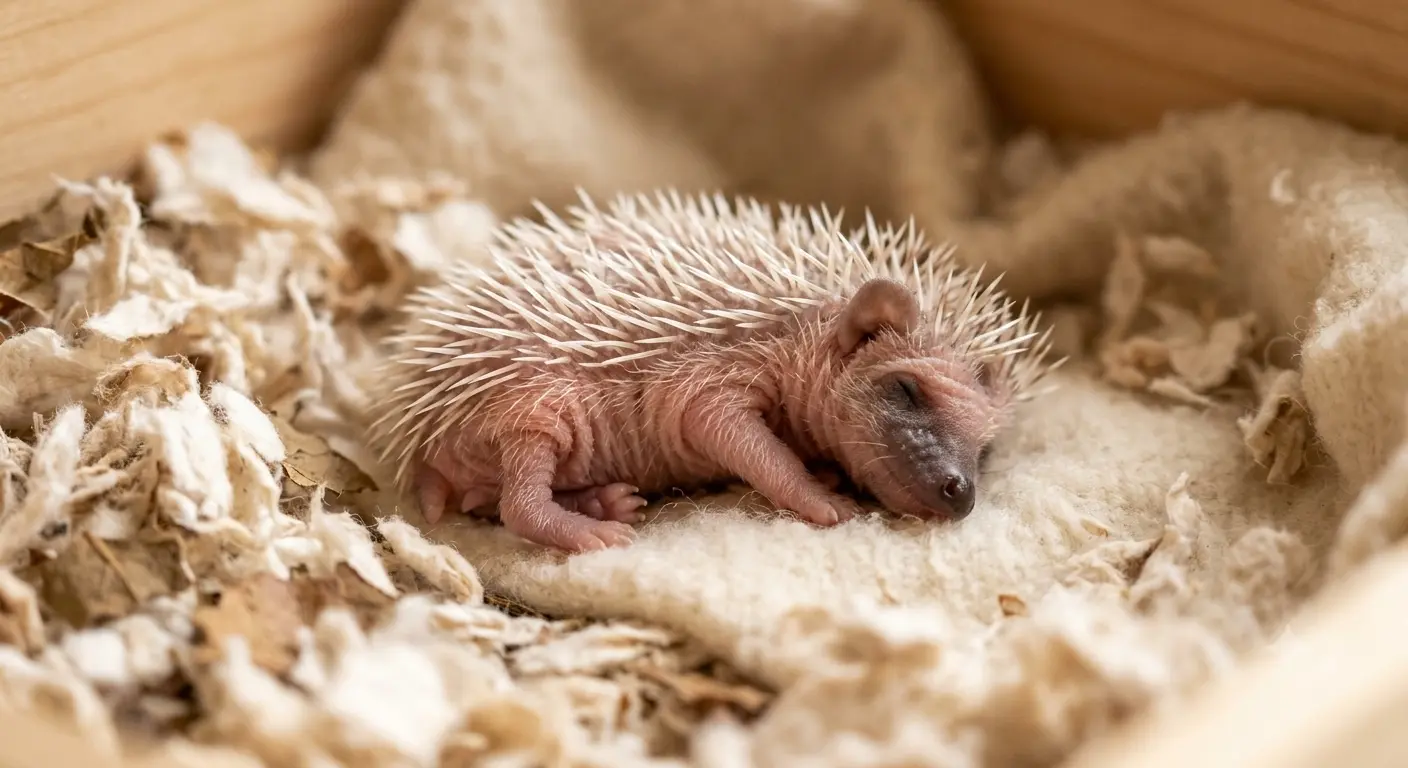
During the first fortnight of existence, the young offspring remain entirely dependent on maternal thermal insulation and specialized high-fat milk secretions. Their metabolic baseline fluctuates wildly, making any abrupt drop in ambient temperature extremely hazardous to their cellular survival.
As development progresses into the third week, noticeable structural shifts occur as auditory channels begin opening and fine motor skills start manifesting. The young animals begin exhibiting early exploratory movements within the perimeter of the primary nest, sniffing local substrates intently.
By the conclusion of the fourth week, the juvenile baby hedgehog experiences a dramatic spike in physical coordination as its ocular pathways open completely. This milestone signals the transition from passive nursing to active curiosity, laying the groundwork for upcoming nutritional diversification strategies.
The Complex Breeding Cycle: How Do Hedgehogs Mate?
Captive propagation of African Pygmy insectivores requires an advanced understanding of behavioral psychology and physiological compatibility parameters. When analyzing how do hedgehogs mate, breeders must understand that these solitary animals do not form long-term social or pair bonds.
Introducing a sexually mature male and female requires a strictly controlled environment, ideally a neutral enclosure devoid of established territorial scent markings. The introduction sequence initiates a fascinating courtship display characterized by distinctive vocal patterns and continuous physical movement.
The male initiates interaction by executing a series of rhythmic, high-pitched vocalizations often described by animal behavioral specialists as rhythmic snorting or purring. He will persistently circle the female for several hours, attempting to break down her initial defensive territorial posturing.
The female’s reception of the male is the most critical safety variable during the entire interactive breeding procedure. If she remains unreceptive, she will emit harsh, aggressive clicks, puff her quills forward, and potentially attack the male, causing severe lacerations.
Conversely, when a female becomes receptive, she undergoes a physiological shift, flattening her spikes flat against her body and extending her hind limbs. This posture allows the male to mount safely without sustaining debilitating puncture wounds from her sharp defensive armor.
Once copulation concludes successfully, the male must be extracted immediately from the enclosure to guarantee maternal safety and eliminate territorial friction. The female will then shift her hormonal focus entirely toward metabolic conservation and intensive nesting box preparation.
Gestation Parameters: How Long Are Hedgehogs Pregnant?
Accurately predicting the specific delivery window is essential for implementing precise nutritional upgrades and establishing absolute environmental tranquility. For dedicated keepers wondering how long are hedgehogs pregnant, the standard gestation period ranges between 32 to 39 days.
During the initial phase of pregnancy, external physical indicators remain incredibly subtle, with minimal abdominal distension visible to the naked eye. Breeders must rely on highly precise digital gram scales to track steady, incremental maternal weight gains on a weekly schedule.
By the third week of gestation, the female’s dietary requirements shift dramatically, necessitating a higher caloric density and enriched protein ratios. Introducing premium, gut-loaded live insects into her primary diet supports proper embryonic skeletal development and robust fetal tissue formation.
As the anticipated delivery date approaches, the expectant mother will exhibit intensive, focused nesting behaviors, shredding paper substrates with her claws. It is paramount that keepers eliminate all external audio disturbances, flashing light profiles, and unnecessary handling routines during this sensitive phase.
Extreme environmental stress experienced during the final days of gestation can lead to catastrophic maternal panic responses, resulting in infanticide. Providing a secure, opaque nesting box filled with clean, allergen-free bedding material ensures the mother feels entirely insulated from perceived predatory threats.
Husbandry Standards for Proper Baby Hedgehog Care
Transitioning a young juvenile into an independent lifestyle demands meticulous attention to environmental stability, nutritional enrichment, and structural safety. Implementing structured baby hedgehog care protocols ensures that emerging juveniles bypass common developmental disorders.
The ambient temperature within the primary enclosure is the single most critical variable governing systemic health and digestive efficiency. The microclimate must be anchored constantly between 74°F and 80°F utilizing digitally monitored, ceramic heat emitters suspended safely above the enclosure.
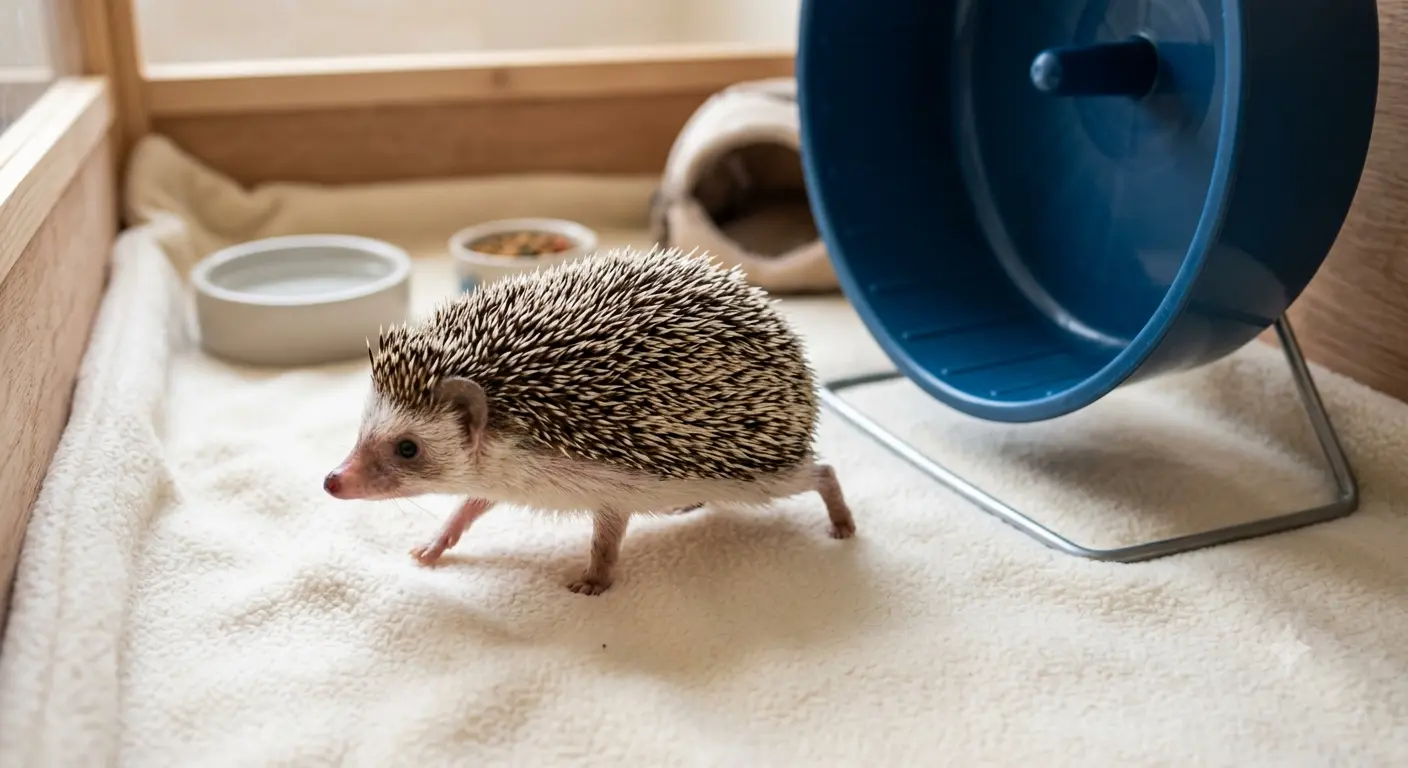
Exposure to prolonged temperatures below this thermal threshold forces the young baby hedgehog into an involuntary, highly dangerous hibernation attempt. Unlike wild European varieties, captive African Pygmy varieties lack the metabolic reserves to survive torpor, leading to rapid organ failure.
Nutritional formulations for weaned juveniles must balance high protein concentrations (around 30-35%) with strictly limited crude fat ratios (under 12%). A foundational diet consists of premium, finely crushed poultry-based kibble supplemented with live, calcium-dusted crickets and black soldier fly larvae.
Hydration systems must feature shallow, heavy ceramic dishes rather than standard gravity-fed metal ball bottles to safeguard delicate oral structures. Young insectivores frequently fracture their developing incisors or trap their tongues within the mechanical mechanisms of traditional water bottles.
Physical enrichment must incorporate a solid-surface running wheel measuring a minimum of 12 inches in diameter to prevent spinal curvature disorders. Wire-mesh exercise wheels must be strictly avoided, as tiny claws easily snag in the gaps, causing catastrophic bone fractures.
A Professional Herpetologist’s Journal: The Fleece Breakthrough
A few winters ago, while expanding my research facility to accommodate unique insectivorous small mammals, I faced an alarming situation on a rainy Thursday night. A newly independent African Pygmy juvenile, whom I called Barnaby, suddenly ceased all nocturnal foraging activities and rolled into an impenetrable, rigid sphere. My immediate diagnosis leaned toward standard environmental hypothermia, so I deployed auxiliary under-tank heat pads and attempted to administer specialized electrolyte solutions via a soft veterinary syringe.
Despite these interventions, twenty-eight hours passed with zero behavioral improvement, and my frustration spiked as the little animal began showing signs of physical exhaustion. It was a classic scenario of trying every textbook solution only to watch the subject deteriorate before your eyes. The turning point arrived entirely by chance when I dropped a warm, freshly laundered piece of premium anti-pill fleece next to the holding tub.
I watched in amazement as the rigid animal instantly began uncurling its defensive posture to crawl deep within the soft, insulating folds of that fabric. It became clear that the underlying issue wasn’t a systemic illness or low room temperatures, but a severe case of contact dermatitis caused by an experimental wood-shaving substrate I had tested. Replacing that abrasive bedding with clean, seamless fleece liners permanently resolved the behavioral crisis within twelve hours.
Evaluating Quality and Health: Finding a Hedgehog for Sale
Navigating the exotic pet market requires analytical scrutiny to ensure you do not inadvertently support unethical mills or irresponsible back-yard operations. When researching an active hedgehog for sale, your primary objective should be verifying the ethical practices of the source.
A reputable breeder will consistently demonstrate a profound understanding of genetic lineages, offering comprehensive documentation stretching back multiple generations. This strict tracking is vital for eliminating the propagation of Wobbly Hedgehog Syndrome (WHS), a fatal degenerative neurological condition.
When inspecting a juvenile baby hedgehog in person, look closely at its eyes, which should be clear, perfectly spherical, and free of crust. The ears should possess clean, smooth perimeters; ragged, crusty, or notched edges typically indicate a severe systemic mite infestation or fungal infection.
Evaluate the animal’s physical gait by placing it on a flat, non-slip surface and observing its ambulatory balance from behind. Healthy juveniles will walk with their bellies lifted completely clear of the floor, showcasing strong, uniform extensions in all four limbs.
Avoid purchasing any animal that exhibits prolonged lethargy, green watery stool, or a distinct clicking sound emanating from its respiratory tract. These symptoms point directly to deep-seated bacterial pneumonia or severe gastrointestinal dysbiosis, both of which require intensive veterinary intervention.
Exotic Pet Structural Matrix: Environmental & Dietary Demands
To provide a contextual overview of how these fascinating insectivores fit into the broader landscape of exotic pet care, review the structured comparison matrix below:
| Management Metric | African Pygmy Hedgehog | Sugar Glider | Bearded Dragon |
|---|---|---|---|
| Primary Diet Profile | High-protein kibble, live chitinous insects | Fresh nectar, seasonal fruits, acacia gum | Gut-loaded roaches, calcium-dusted greens |
| Thermal Baseline | 74°F – 80°F (Strict ambient air control) | 75°F – 80°F (Requires high ambient humidity) | 85°F (Cool zone) – 105°F (Basking spot) |
| Social Psychology | Strictly solitary (Exhibits high territoriality) | Colony-dwelling (Mandatory social pairings) | Solitary (Requires individual containment) |
| Active Photoperiod | Strictly nocturnal (Requires 12h dark cycle) | Nocturnal (Highly sensitive to light) | Diurnal (Demands specialized high-output UVB) |
| Average Lifespan | 4 to 6 Years in captive conditions | 10 to 14 Years with proper husbandry | 10 to 15 Years in managed habitats |
Analyzing the data presented in the exotic pet matrix underscores the unique specialization required to keep a baby hedgehog healthy over its lifespan. Their strict solitary nature means they must never be housed in pairs, as adult conflict often results in severe physical trauma.
For extensive academic data regarding global biosecurity protocols and professional handling methods for small exotic mammals, please consult the Association of Exotic Mammal Veterinarians.
Establishing a lifelong relationship with an exotic veterinary practice ensures your juvenile undergoes consistent fecal screenings to detect internal parasites. Proactive health management combined with structured environmental enrichment forms the cornerstone of modern exotic pet ownership.
Advanced Environmental Enrichment & Quilling Trajectories
As your small companion matures, it will undergo a significant physiological transition known as “quilling,” which typically peaks around twelve weeks of age. During this developmental phase, the juvenile sheds its initial fine spikes to allow thick, adult quills to erupt through the skin.
This process causes significant localized discomfort, making the young baby hedgehog noticeably irritable, defensive, and resistant to standard handling routines. Keepers must exercise extreme patience during this phase, reducing intense handling sessions and offering soothing oatmeal baths to relieve skin tension.
Anatomical safety during quilling can be augmented by keeping cage decorations minimal and ensuring fleece blankets lack loose threads that could entangle shedding spikes. Monitoring the underbelly for signs of ingrown quills or localized epidermal redness prevents secondary bacterial infections from developing.
Tactile enrichment should include diverse foraging materials, such as clean PVC tubes, plastic balls, and safe digging boxes filled with smooth stones. Providing safe outlets for their natural digging instincts lowers stress hormones and encourages healthy cognitive development throughout their juvenile stage.
Long-Term Health Optimization & Preventative Diagnostics
Maintaining a thriving captive insectivore requires an understanding of common medical issues, including obesity, dental disease, and subcutaneous neoplasia. Because a baby hedgehog possesses a highly efficient metabolism during youth, shifts in weight must be closely monitored using digital scales.
Obesity is a major health threat for captive small mammals, often caused by diets high in mealworms or fatty commercial treats. Excessive fat deposits accumulate around the axillary regions, restricting the animal’s ability to roll completely into its defensive ball configuration.
To combat this risk, structure active foraging games by hiding live insects inside clean cardboard tubes or scattered across the enclosure. Forcing your pet to actively hunt for its food mimics wild behaviors, keeping its cardiovascular system strong and muscles well-toned.
Schedule semi-annual veterinary exams to monitor dental health, as plaque buildup from soft diets can cause painful periodontal abscesses. By combining advanced nutritional science with structured environmental stability, you guarantee a high quality of life for your unique companion.