
Nothing catches a new pet owner off guard quite like the daily mess left behind by an active quill baby. Learning how to clean hedgehog poop quickly and thoroughly is essential to keeping your spiky friend healthy, active, and free from respiratory infections.
To sanitize droppings effectively, spot-clean daily, scrape stuck-on waste off plastic surfaces using warm water, apply an enzyme-based pet-safe spray, and run a full habitat disinfection every week.
Whether you are tackling a crusty running track, deep cleaning fleece liners, or scrubbing accidental spots out of living room textiles, this comprehensive walkthrough covers every proven sanitation technique you need.
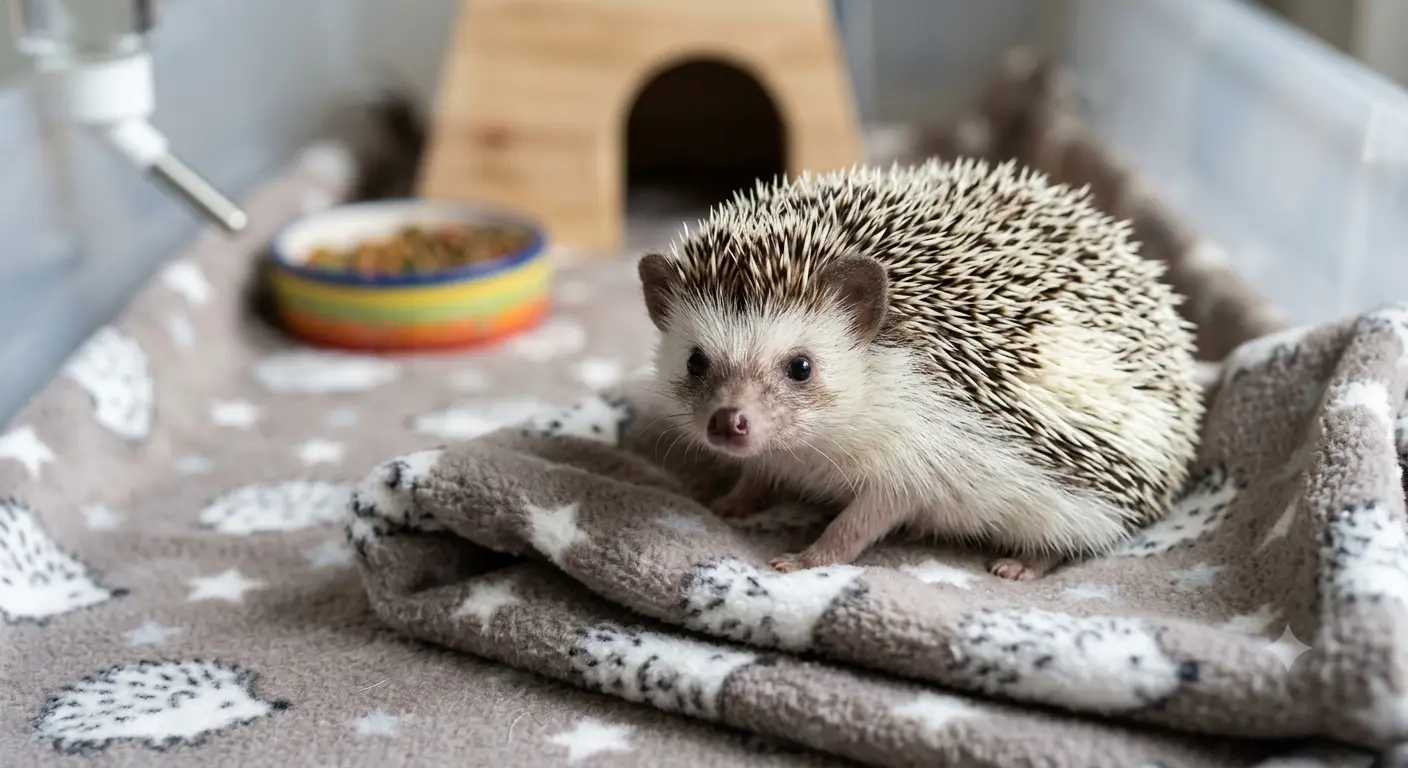
Understanding Hedgehog Waste and Health Signals
Daily maintenance starts with observing what your pet leaves behind in their cage or play space. Healthy fecal matter should appear dark brown or black, firm, and cylindrical in shape.
Green, soft, or mucosal droppings usually indicate stress, diet changes, or bacterial imbalance. If you notice persistent consistency issues, consult a certified specialist through the Association of Reptile and Amphibian Veterinarians (ARAV) or an exotic pet clinic.
Because insectivores ingest protein-heavy diets, their waste carries a distinct odor. Knowing how to clean hedgehog poop efficiently keeps odors down before they saturate your home.
Regular sanitation eliminates harmful bacteria like Salmonella, which thrives in warm habitats when waste builds up over several days uninterrupted.
Essential Tools and Pet Safe Cleaners for Hedgehogs
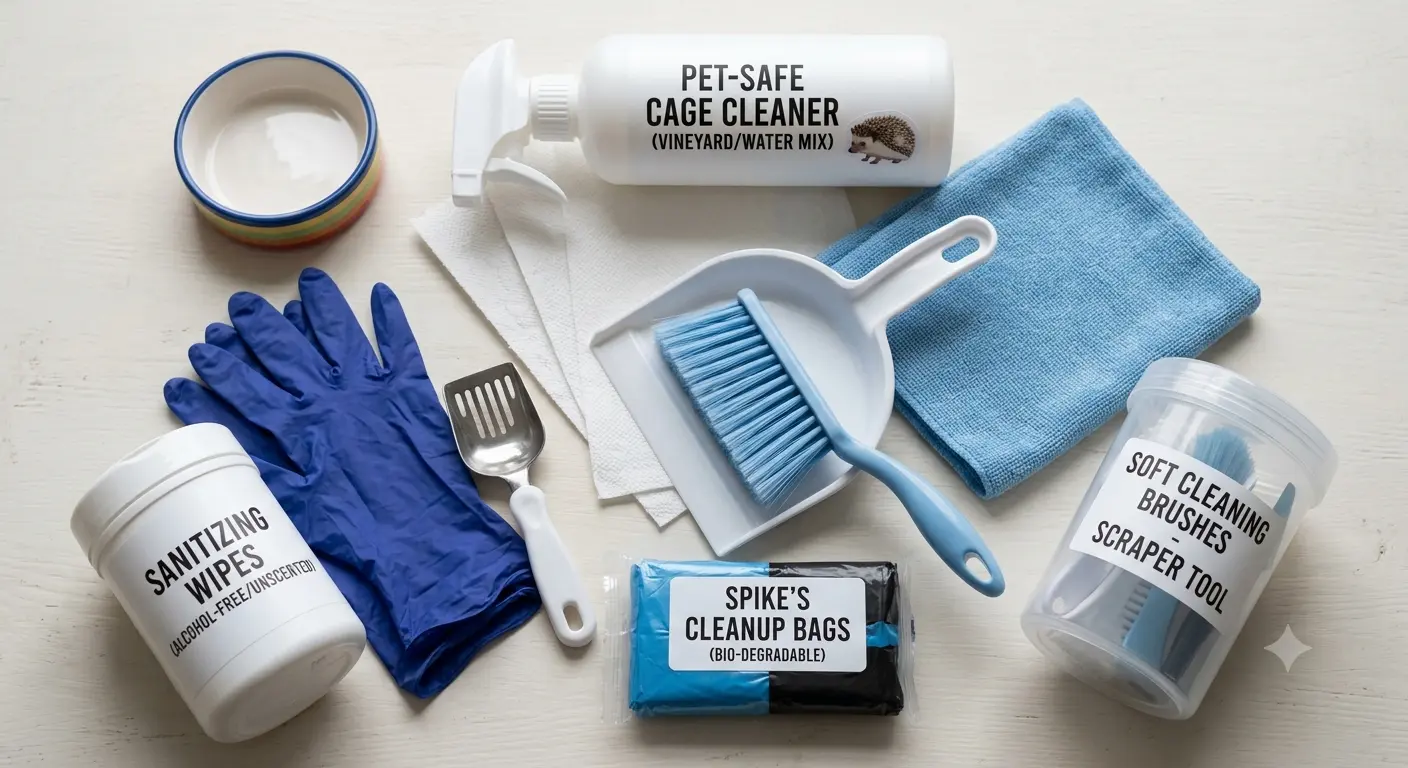
Standard household disinfectants often contain harsh chemicals or aromatic oils that easily irritate sensitive small animal respiratory tracts. Assembling the right cleaning kit prevents accidental toxicity.
Always stock non-toxic pet safe cleaners for hedgehogs before beginning your routine. Plain distilled white vinegar mixed with warm water works wonders for daily maintenance.
For tougher organic stains, choose commercial enzymatic sprays formulated specifically for small exotic animals. Avoid products containing bleach, phenols, tea tree oil, or heavy pine scents.
- Distilled white vinegar (mixed 1:1 with warm water)
- Commercial veterinary-grade chlorhexidine or enzyme cleaner
- Plastic putty scraper or stiff-bristled nylon scrub brush
- Microfiber towels and unscented paper towels
- Unscented hypoallergenic laundry detergent
How Do You Clean Hedgehog Poop Step-by-Step?
A systematic workflow prevents waste from spreading across clean accessories or seeping into bottom layers. Working systematically reduces your overall daily chore time significantly.
Start by moving your pet safely into a temporary playpen or travel carrier. Never spray cleaning solutions or shake dirty bedding while your pet remains inside the enclosure.
Remove large solid debris using a paper towel or specialized scoop. Spot cleaning solid droppings twice daily prevents your pet from tracking waste around their living quarters overnight.
Mist sticky residue with your vinegar solution or mild exotic pet cleaner. Allow the liquid to sit for two minutes to soften dried material before wiping down surfaces clean.
Tackling the “Poop Wheel”: Cleaning Running Accessories
Every owner quickly learns that exercise wheels double as waste central. As hedgehogs run at night, they naturally eliminate, creating a stubborn layer of dried material on the running track.
Wondering how do you clean hedgehog poop off a wheel without spending an hour scrubbing? Soak the entire track in warm water prior to applying any mechanical force.
Place the plastic wheel in a utility sink or bathtub filled with three inches of warm water. Let the dried waste soften for 10 to 15 minutes.
Use a flexible nylon brush or plastic scraper to lift softened debris effortlessly. Rinse thoroughly, spray with a disinfectant, wipe dry, and reinstall the accessory into the cage.
Deep Cleaning Enclosures, Trays, and Fleece Liners
Solid plastic cages, clear acrylic terrariums, and wire enclosures require complete breakdown washes every 7 to 10 days to maintain sanitary conditions.
Strip out all fleece liners, fabric hideouts, and soft toys. Shake loose debris directly into a trash bin outside before loading items into your washing machine.
Wash fabric supplies using hot water and unscented detergent. Add half a cup of white vinegar during the rinse cycle to neutralize stubborn ammonium scents naturally without artificial fragrances.
Scrub the base pan with warm water and pet-safe disinfectant. For additional dietary details that influence fecal odor and consistency, check out our comprehensive hedgehog poop health guide.
Removing Hedgehog Poop Stains from Carpets and Rugs
Accidents happen quickly during free-roaming exercise time across living room floors. Acting immediately prevents natural dyes in waste from setting deeply into carpet fibers.
Lift solid waste carefully using a dry paper towel without pressing downward into the pile. Pressing down pushes organic material deeper into rug underlayment backing.
Saturate the carpet stain with an enzymatic spray or a mild vinegar-water mix. Blot firmly using clean white microfiber cloths until the color transfers entirely off your carpet floor.
Allow the carpeted area to dry completely before letting your pet explore again. Keep ceiling fans running to accelerate air circulation across wet floor spots.
Comparing Habitat Cleaning Solutions and Methods
| Cleaner / Method | Best Used For | Soak Time Required | Safety Profile |
|---|---|---|---|
Personal Caretaker Journal: Trial, Error, and Breakthroughs
Last autumn, my spikeball Barnaby developed an absolute obsession with running at 2 AM. Every morning I would wake up to what looked like a miniature mud obstacle course baked onto his plastic silent spinner. I initially tried blasting it off with high-pressure hot tap water in the bathroom sink. Water splashed everywhere, the smell drifted across the hallway, and my arm felt like it was going to fall off after five continuous minutes of furious scrubbing with an old toothbrush.
Frustrated, I decided to leave the wheel sitting inside a shallow plastic washbasin filled with lukewarm water while I made coffee. When I returned twenty minutes later, the entire hardened crust simply lifted away with a single gentle pass of a soft sponge. It was a complete game changer. No harsh scrubbing, no messy splashing, just simple physics doing the heavy lifting.
Preventative Tips to Reduce Cleaning Friction
Minimizing daily cleanup starts with strategic habitat layout choices. Place an easily washable litter tray directly beneath your pet’s favorite running wheel.
Line the tray area with paper pellet bedding to absorb liquid quickly before it sticks to plastic bottom trays. Paper pellets trap moisture far better than flat fabric pads alone.
Mastering how to clean hedgehog poop comes down to establishing a simple 5-minute morning routine rather than letting waste accumulate over several days.
Consistently maintaining clean accessories ensures your pet enjoys a hygienic environment while keeping your home smelling fresh year-round.
Frequently Asked Questions
How often should I clean my hedgehog’s running wheel?
You should spot-clean or wipe down the running wheel daily. Because small pets eliminate while running, a daily wash prevents waste from baking onto the plastic track and dirtying your pet’s paws.
Is bleach safe to use when cleaning small animal cages?
Bleach is generally not recommended unless managing a severe disease outbreak. Fumes can harm sensitive respiratory systems. If used, rinse exhaustively with hot water and let the cage air out outdoors for 24 hours.
Why does my pet’s waste smell so strong suddenly?
Strong odors usually stem from high-protein diets, sudden food transitions, or underlying gastrointestinal issues. Increasing daily spot cleaning and offering balanced insectivore kibble helps manage odor levels.
Can I wash fleece cage liners with my regular family laundry?
It is best to wash pet fleece in separate loads. Scrape off all solid debris first, use a laundry bag to catch loose quills, and wash with unscented hypoallergenic detergent on hot cycles.