
Every reptile enthusiast eagerly anticipates the day their tiny, energetic hatchling transforms into a majestic, calm companion. Knowing exactly when is a bearded dragon considered an adult is crucial for tailoring their lighting, habitat space, and daily feeding schedules correctly.
A bearded dragon is officially considered an adult when they reach 12 to 18 months of age, having achieved their full skeletal growth and sexual maturity. While sexual maturity can sometimes develop slightly earlier, physical maturation is the primary benchmark utilized by experienced herpetologists.
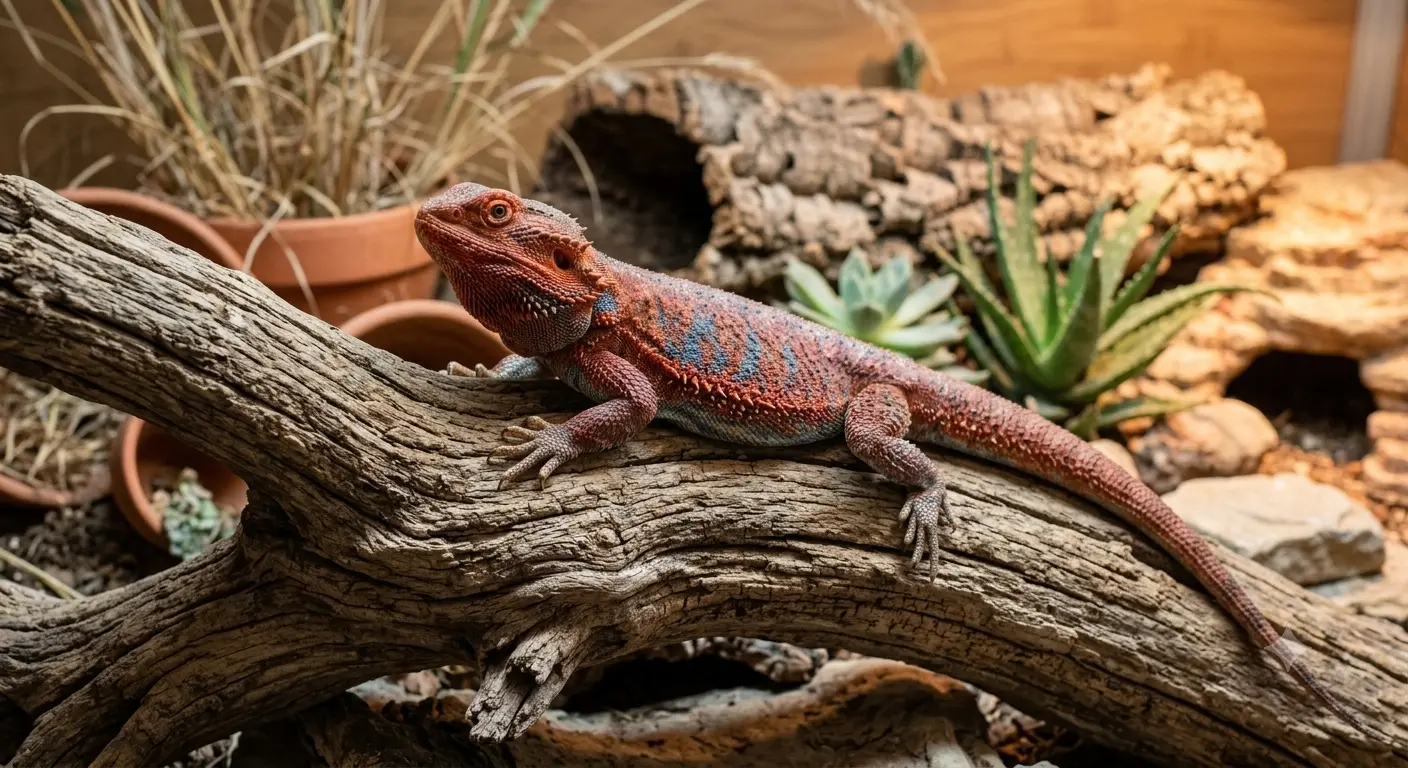
For collectors seeking highly specialized color patterns, the breathtaking blue flame red bearded dragon represents the absolute peak of modern herpetoculture. Achieving proper adult status is especially crucial for these exquisite high-end specimens, as their delicate husbandry directly impacts their stunning visual presentation.
This comprehensive biological guide will detail the exact physiological transition timelines, specialized care adjustments, color morph characteristics, and structural metrics required to support your pet through this vital developmental milestone.
Evaluating Blue Flame Red Bearded Dragon Size and Growth Milestones
The overall growth rate of your companion is primarily dictated by genetic lineages, lighting quality, and early life nutrition. Monitoring their physical growth curve is the most reliable scientific method to verify if they have officially transitioned out of the sub-adult phase.
A typical healthy adult will measure anywhere between 18 to 24 inches from the tip of their snout to the very end of their tail. If you want to put this scale into perspective, you can read about the extreme structural limits of these reptiles in our article exploring the biggest bearded dragon in the world to understand their growth potential.
Skeletal growth begins to slow down dramatically around the 12-month mark, shifting the animal’s metabolic focus from length expansion to muscle and fat accumulation. During this phase, the frame broadens, the head becomes visibly more triangular, and the femoral pores on the underside of the thighs become far more prominent.
| Life Stage | Age Range | Average Length | Dietary Ratio (Insects to Greens) |
|---|---|---|---|
| Baby / Hatchling | 0 to 5 Months | 3 to 11 Inches | 80% Insects / 20% Greens |
| Sub-Adult | 6 to 11 Months | 12 to 17 Inches | 50% Insects / 50% Greens |
| Mature Adult | 12 to 18+ Months | 18 to 24 Inches | 20% Insects / 80% Greens |
When tracking your blue flame red bearded dragon size, weight measurements are just as critical as length. A healthy, fully developed adult specimen should weigh between 380 and 500 grams, though exceptionally robust bloodlines can safely exceed 550 grams without being obese.
The Visual Appeal of Blue Flame Red Bearded Dragon Morphs
The term “blue flame” does not refer to a true, solid neon-blue lizard, as reptiles lacking blue iridophores cannot produce solid blue skin pigments. Instead, this breathtaking coloration is achieved by pairing hyper-vibrant red pigments with highly specific translucent and hypomelanistic genetic traits.
These specialized genetic combinations reduce dark black pigments within the skin layers, allowing cool, silvery-blue undertones to shine through around the shoulders and spine. These cool tones create a striking visual contrast against the intense, fiery orange-red background coloration of the scales.
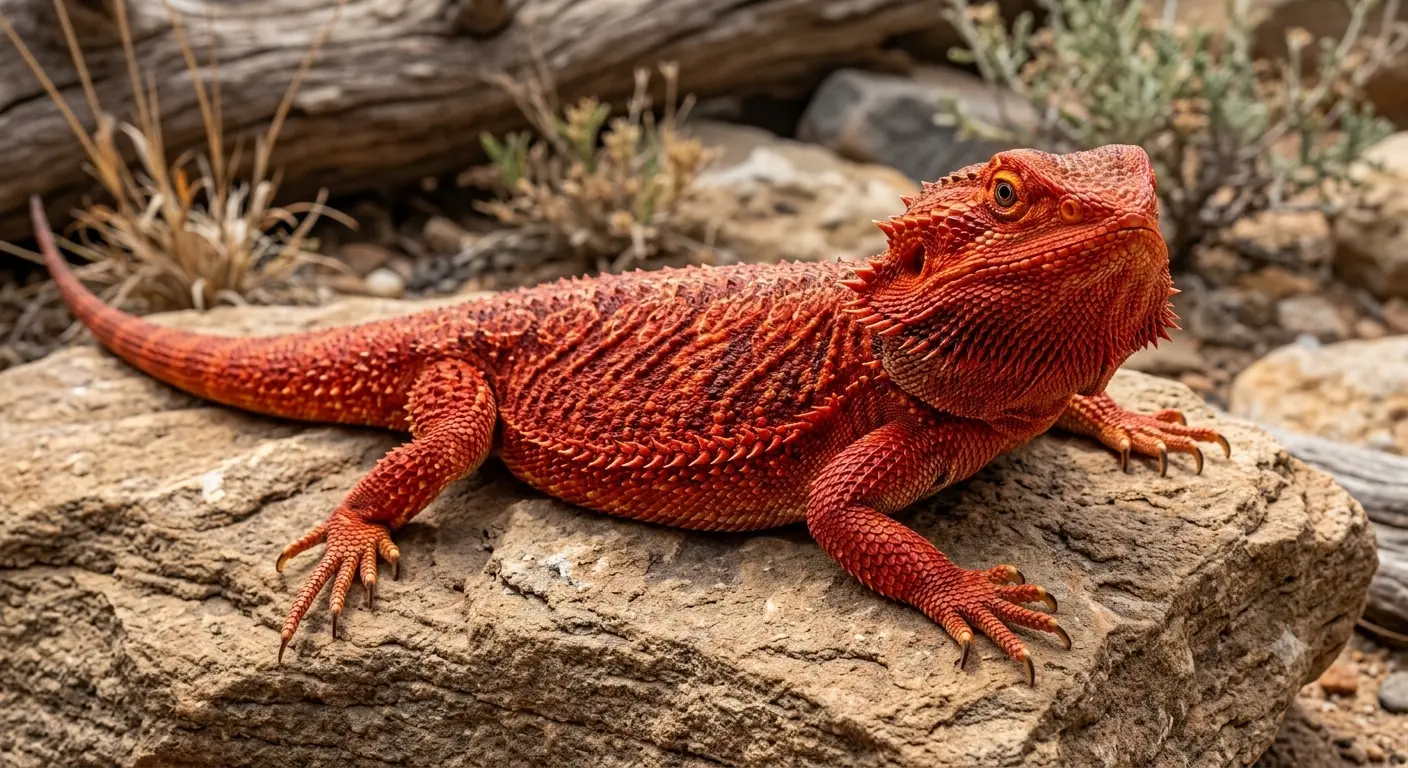
As these premium blue flame red bearded dragon morphs mature, their coloration undergoes dramatic shifts with every successive skin shed. The pale, pasty purplish hues typical of hatchlings gradually intensify into deep, saturated crimson tones highlighted by cool lateral bars by the time they reach 12 months.
Maintaining high-quality UVB exposure and a diet rich in natural carotenoids is essential to preserving this brilliant coloration. Poor lighting, chronic stress, or low-quality diets will quickly cause these vibrant, fiery hues to fade into dull, muddy brown shades.
Essential Blue Flame Red Bearded Dragon Care Adjustments for Adults
Transitioning into adulthood requires immediate, permanent modifications to your reptile’s daily routine, with the most significant change being their diet. Feeding a mature adult the high-protein, insect-heavy diet required by rapidly growing babies will quickly lead to severe hepatic lipidosis and gout.
The nutritional ratio must shift dramatically from 80% live prey down to just 20% live insects, with the remaining 80% consisting of fresh calcium-rich leafy greens. Daily salads should feature turnip greens, collard greens, mustard greens, and endive, while live gut-loaded dubia roaches or black soldier fly larvae should be offered only two to three times per week.
For more detailed veterinary guidelines on managing adult reptile health and metabolic bone disease prevention, you can consult the official clinical care sheets provided by the Association of Reptilian and Amphibian Veterinarians (ARAV).
Furthermore, adult environmental parameters must be strictly monitored to prevent lethargy. Ensure the primary basking zone remains between 98°F to 102°F, while the cool side of the terrarium sits comfortably at 75°F to 80°F to allow for efficient thermoregulation.
A Keeper’s Journey: Solving the Stubborn Salad Boycott
Last year, my juvenile companion, whom I affectionately named Ignis, hit his eleventh month and suddenly went on a complete hunger strike. He flatly refused every single piece of fresh mustard greens I placed in his enclosure, actively throwing them around like confetti. I was incredibly stressed, constantly worrying that he would lose weight and starve himself during this critical transition phase.
I tried all the standard textbook advice I found online, including star-patterned dishes, pureeing the greens into a paste, and even hiding tiny worms underneath the leaves. Nothing worked; he would literally close his eyes and turn his head away in sheer defiance. It was a deeply frustrating game of patience that went on for nearly three long weeks of constant trial and error.
The breakthrough happened entirely by accident on a Tuesday afternoon when I decided to mix freshly shredded butternut squash directly into a bed of dark dandelion greens. The bright yellow color instantly caught his eye, triggering his natural curiosity. He took one cautious bite of the squash, ended up tasting the greens stuck to it, and began happily devouring his entire bowl of vegetables from that afternoon onward.
Advanced Blue Flame Red Bearded Dragon Breeding Guidelines
Breeding these highly prized color morphs requires a deep understanding of genetic inheritance, structural health, and proper age verification. You must never breed a female specimen simply because she has reached her first birthday; physical mass is a far safer metric than age alone.
A female selected for a blue flame red bearded dragon breeding project must be at least 18 months old and weigh a minimum of 400 grams. Breeding a female too early can easily stunt her permanent skeletal growth or result in fatal egg-binding complications due to calcium depletion.
To successfully produce offspring that display the signature high-contrast blue and red traits, breeders must carefully track recessive traits across multiple generations. Pairing two translucent hypomelanistic parents carrying these specific lineage traits will reliably yield high-contrast, brightly saturated hatchlings.
Before pairing your animals, ensure both adults undergo a complete veterinary health checkup, a fecal parasite screening, and a structured pre-breeding brumation period. This cold-resting phase naturally stimulates the necessary reproductive hormones required for successful copulation and fertile egg development.
A Lifetime Commitment to High-End Herpetoculture
Providing the specialized environment required by a mature companion ensures you will enjoy their calm, rewarding companionship for up to 10 to 15 years. This beautiful transition marks the beginning of their calmest, most interactive life stage, where their unique personality truly shines.
By implementing proper adult dietary ratios, maintaining optimal basking temperatures, and carefully tracking their physical weight milestones, your premium companion will remain vibrant, healthy, and colorful for many years to come.