
Welcoming a new reptile into your household brings forth an array of fascinating responsibilities and essential questions. One of the most common questions for new and prospective reptile owners is: how long do bearded dragons live? Understanding their lifespan is crucial because these pets are a long-term commitment that requires dedicated care to reach their full potential.
When you take home a Central Bearded Dragon (Pogona vitticeps), you are investing in a decade-long relationship. This comprehensive guide details everything about the average Bearded Dragon Lifespan, highlighting major lifestyle factors that extend their years. We will also break down the critical metrics required to push past the average milestones through optimized veterinary oversight, clean nutrition, and proper husbandry.
The Average Lifespan of a Bearded Dragon Explained
In captivity, a healthy bearded dragon typically lives between 10 to 15 years. This is significantly longer than their lifespan in the wild, where they often only survive 3 to 8 years due to predators and harsh environmental conditions.
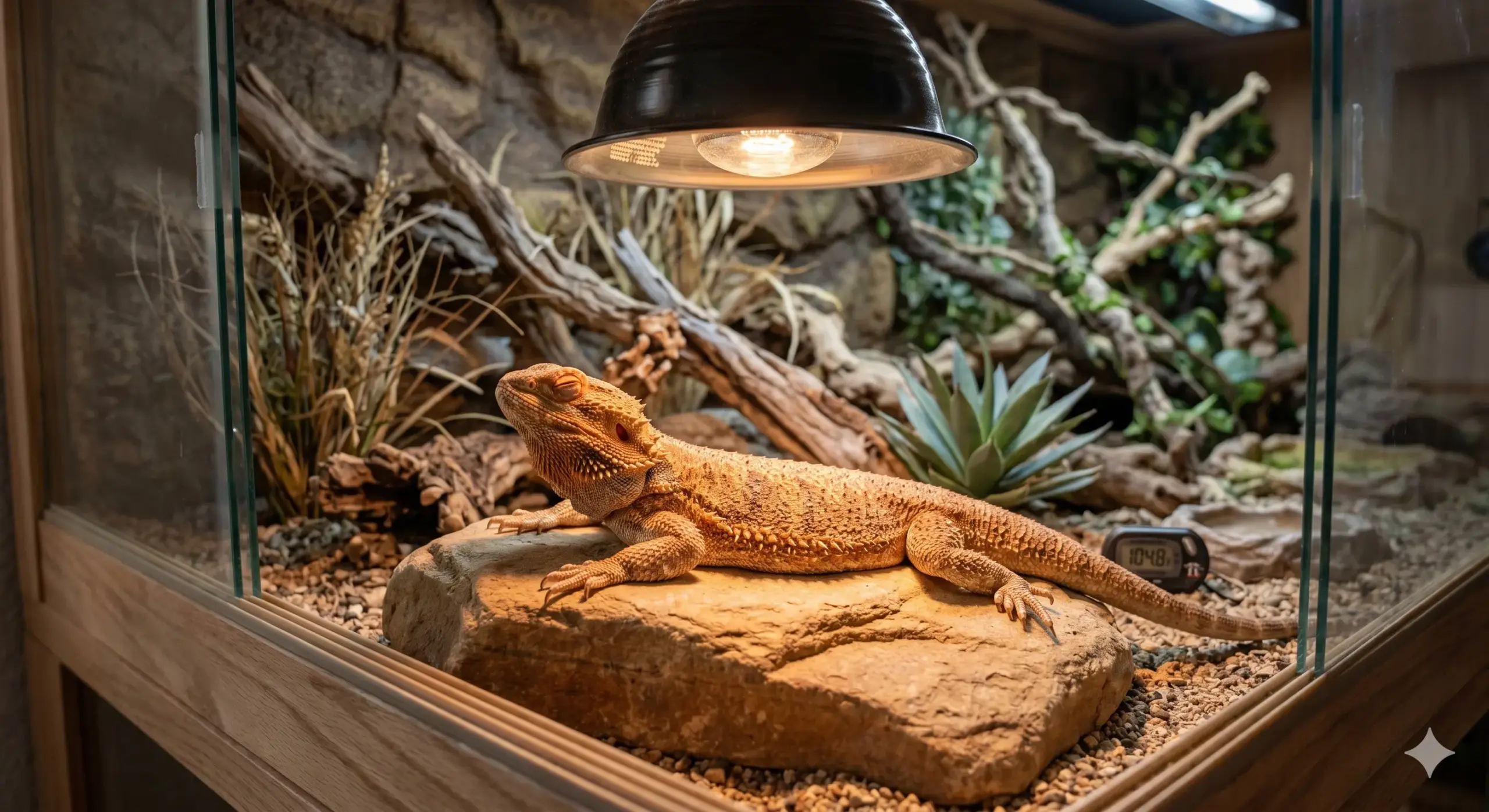
The stark difference between wild survival rates and artificial enclosures centers around consistency. A controlled habitat shields these reptiles from severe seasonal shifts, natural food scarcities, and continuous threats of avian predators. Therefore, achieving an optimal Bearded Dragon Lifespan depends entirely on replicating ideal parameters inside a safe home space.
Critical Factors That Influence Their Longevity
To ensure your dragon lives a long and happy life, you must focus on four critical areas. Neglecting any of these specific operational protocols will severely decrease your pet’s life expectancy over time.
1. Diet and Nutrition
A balance of gut-loaded insects and fresh leafy greens is vital. Young dragons require a heavy ratio of insect protein to facilitate rapid skeletal growth, whereas adults must consume primarily plant matter. Dusting meals with calcium and D3 supplements prevents critical system failures.
2. Habitat and Lighting
Proper UVB lighting and heat gradients are non-negotiable for metabolic health. Without high-output T5 UVB fluorescent tubes, a dragon cannot process dietary calcium correctly. This physiological breakdown radically stunts development and cuts the Bearded Dragon Lifespan short.
3. Veterinary Care
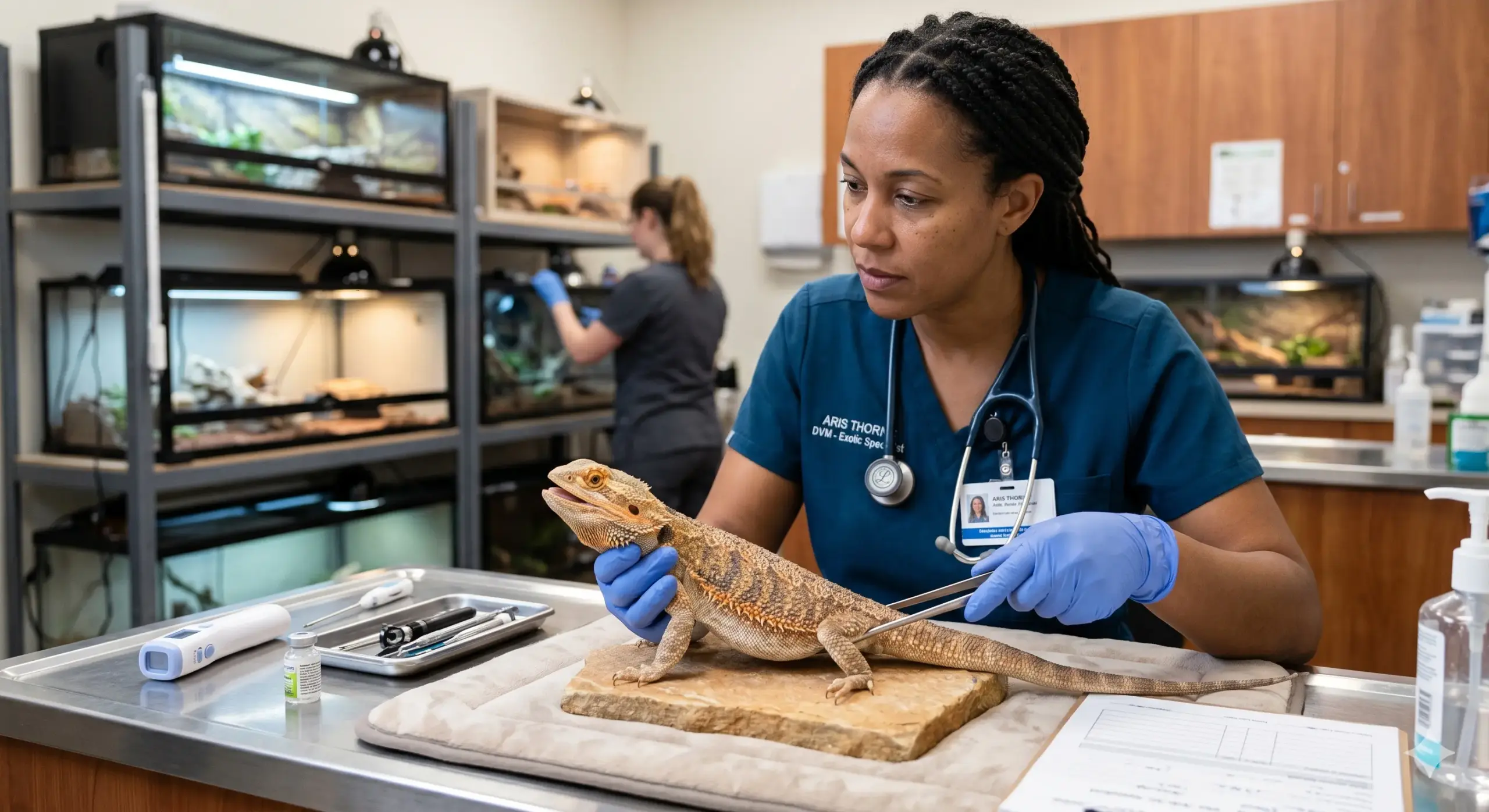
Regular check-ups can prevent common diseases before they become fatal. Annual fecal examinations are highly recommended to monitor internal parasite loads. Catching basic systemic stress indicators early ensures your pet successfully navigates senior life transitions.
4. Stress Management
A calm environment helps maintain a strong immune system. Chronic stress triggered by loud noises, bright household traffic, or visual tank-mate presence elevates cortisol levels. This constant state of hormonal emergency slowly degrades vital organs over time.
Lifespan Stages: What to Expect During Growth
Understanding the developmental progression of your reptile helps you adjust care strategies appropriately. Each developmental phase requires tailored adjustments to maximize the total Bearded Dragon Lifespan expectancy.
- Baby (0-6 months): Rapid growth stage requiring high protein. They need feeding multiple times a day with small, manageable live insects to build foundational bone density.
- Juvenile (6-12 months): Transitioning to more greens. Their growth rate slows down slightly as their daily nutritional focus begins incorporating dark, leafy vegetation.
- Adult (1-7 years): The peak years of health and activity. At this stage, their dietary intake settles comfortably at roughly 80% vegetables and 20% gut-loaded live prey items.
- Senior (7+ years): May require habitat adjustments for easier mobility. Their metabolism slows down, requiring lowered fat intake and more accessible basking spots.
The Secret to Longevity: Wild vs. Captivity Matrix
In the wild, Bearded Dragons face a gauntlet of challenges. Predators like birds and snakes, combined with unpredictable food sources and extreme weather, mean most wild dragons only live 3 to 5 years. In contrast, your home environment provides a “safety bubble”. When you control the temperature and eliminate predators, you are effectively doubling or tripling their natural lifespan.
| Survival Matrix Factor | Wild Environments | Captive Home Habitats |
|---|---|---|
| Average Lifespan | 3 to 8 Years Maximum | 10 to 15 Years (Average) |
| Predator Exposure | Constant risk from birds, dingoes, snakes | Zero threat from external predators |
| Dietary Availability | Seasonal shortages, opportunistic feeding | Consistent, vitamin-fortified food supply |
| Climatic Conditions | Extreme droughts, flash floods, hypothermia | Regulated microclimates with reliable heat gradients |
| Medical Assistance | None; injuries often cause systemic infection | Access to specialized exotic veterinary support |
The Human Experience: A Keeper’s True Journey
I remember the quiet evening I sat beside Rocky’s glass enclosure. He was just a tiny, frantic hatchling back then. Watching him transform over twelve years has fundamentally altered how I look at time. It takes patience. Those cold mornings spent carefully chopping fresh collard greens while managing the precise height of his basking branch taught me a deeper level of commitment. We developed a silent rhythm together. He would turn his head, look up with those ancient, knowing eyes, and settle flat against my warm palm. It was a profound emotional anchor that required daily vigilance, a quiet testament to the enduring bond you build when you choose to care for an exotic soul through the steady passage of a decade.
Common Factors That Can Shorten Their Life
If you want your pet to reach the 15-year mark, you must avoid these common pitfalls. Awareness of these biological dangers helps safeguard the Bearded Dragon Lifespan against preventable emergencies.
Metabolic Bone Disease (MBD)
Caused by a lack of calcium or improper UVB lighting. This is the #1 silent killer of dragons. MBD softens bones, causes tremors, leads to permanent physical deformities, and drastically decreases the Bearded Dragon Lifespan potential.
Impaction Risks
Using loose sand or gravel as substrate can lead to your dragon swallowing it, causing a fatal blockage in their digestive tract. Opt instead for safe materials like slate tiles, non-adhesive shelf liners, or specialized reptile carpets to completely bypass this severe gastrointestinal crisis.
Poor Daily Hydration
While they are desert animals, they still need hydration. A lack of water can lead to kidney failure over time. Providing fresh water daily, misting greens, and offering routine shallow baths ensures fluid levels remain balanced throughout their adulthood.
Clear Signs of an Aging Bearded Dragon
As your dragon enters its senior years (usually after age 7 or 8), you will notice several changes. Recognizing these transformations allows owners to adjust husbandry routines to maintain quality of life as the maximum Bearded Dragon Lifespan approaches.
Reduced Activity: They may spend more time basking and less time exploring. Cloudy Eyes: Similar to cataracts in humans, their vision may slightly decline. Muscle Loss: Their fat pads (on the head) and tail might become less plump. Slower Appetite: They will require fewer insects and more focus on nutrient-dense greens.
World Record: The Oldest Bearded Dragon
Did you know that according to Guinness World Records, the oldest bearded dragon on record was named Sebastian, and he lived to be nearly 19 years old? This shows that with exceptional care and a stress-free environment, the 10-15 year average can be surpassed! Sebastian’s incredible milestone proves that optimizing daily lifestyle routines expands the genetic potential for the Bearded Dragon Lifespan significantly.
Frequently Asked Questions (FAQ)
Do males live longer than females?
Generally, yes. Constant egg-laying (even infertile ones) can take a physical toll on a female’s body, potentially shortening her lifespan by a few years due to calcium depletion and risks of egg-binding.
Does breed matter for longevity?
German Giants tend to live slightly less than standard breeds due to their massive size and the strain it puts on their hearts. Additionally, highly selective morph selections can sometimes inherit delicate underlying immune traits.
How can I verify the age of my adult dragon?
While you cannot determine exact age without hatchling records, a veterinarian can analyze physical wear, size benchmarks, and joint health to provide a reliable baseline estimate for your senior pet care plan.
Can an outdoor enclosure help expand their life?
Supervised exposure to natural, unfiltered sunlight provides exceptional, high-quality UVB benefits. According to the Association of Reptile and Amphibian Veterinarians (ARAV), natural sunlight boosts natural metabolic pathways far better than synthetic indoor light tubes, provided temperatures remain safe.
Protect Your Dragon’s Future
Knowing how long they can live is just the first step. To ensure your pet actually reaches that 15-year milestone, you must be able to spot health issues before they become life-threatening.
Don’t wait for symptoms to worsen! Check out our expert guide on Understanding Serious Diseases in Bearded Dragons: A Diagnostic Guide to learn how to identify and prevent the most common health risks to safeguard your companion’s longevity today.