
So, you have decided to bring home a tiny, snuffling ball of sharp quills? Congratulations on choosing one of the most unique companions in the exotic pet world. Hedgehogs are deeply fascinating, incredibly quiet, and generally low-odor pets that fit beautifully into modern households.
However, these unique prickly creatures are certainly not traditional “plug-and-play” animals that you can simply leave in a cage and forget about. They possess highly specific biological needs, environmental requirements, and dietary restrictions that demand consistent daily attention from their human keepers.
If you are wondering how to properly Take Care about hedgehog and ensure their long-term well-being, you have absolutely come to the right place today. This comprehensive, expert-verified guide covers the core pillars of health, nutrition, behavioral training, and intensive daily habitat maintenance.
By understanding these foundational aspects, you can easily transform a naturally shy, defensive animal into a deeply trusting and genuinely affectionate companion. Let us dive deep into the essential protocols required to give your spiky friend the absolute best quality of life possible.

1. Environment: Setting the Stage for Safety
The very first step in learning how to Take Care about hedgehog starts with creating a perfectly optimized, stress-free structural environment. In the wild, these solitary mammals travel incredible distances every single night foraging for insects, meaning they require ample space to roam domestically.
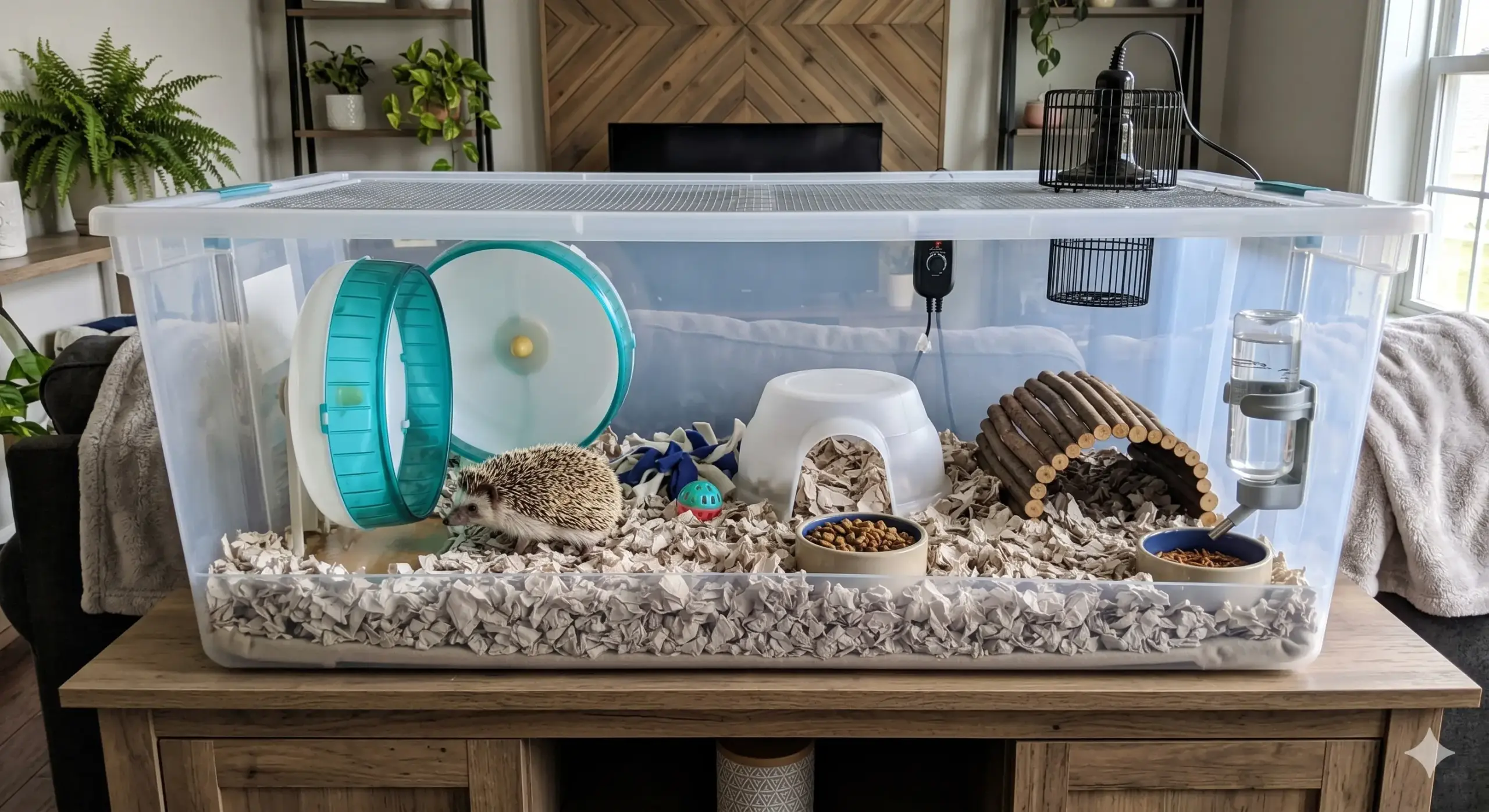
A flat-bottomed wire cage providing a bare minimum of 4 square feet of continuous floor space is completely essential for their physical health. Avoid cages with wire mesh flooring entirely, as a hedgehog’s delicate, fragile legs can easily slip through the gaps, leading to severe fractures or broken nails.
Bedding selection is equally critical for keeping their sensitive respiratory systems entirely healthy and functioning optimally over their lifespan. Opt for high-quality, unscented paper-based bedding or washed fleece liners, while strictly avoiding cedar or pine shavings which release highly toxic aromatic oils.
Never underestimate their intense need for absolute security; you must provide at least one dark, enclosed hiding box or igloo structure. This sanctuary allows them to sleep peacefully throughout the bright daylight hours without feeling constantly exposed to potential predatory threats.
The Critical Importance of Temperature Control
Ambient temperature regulation is a completely non-negotiable factor when you accept the responsibility to Take Care about hedgehog successfully. These animals are native to warm climates and must be maintained in an environment strictly between 23°C and 27°C (73°F to 80°F) at all times.
If their room drops below this critical thermal threshold, your pet may attempt to enter a dangerous, life-threatening state of induced hibernation. Hibernation in captivity is incredibly fatal because their bodies are not metabolically prepared to survive the prolonged drop in core temperature.
To prevent this hidden danger, install a dedicated ceramic heat emitter attached securely to a digital thermostat regulating the cage temperature. Always keep a highly accurate digital thermometer mounted inside the enclosure to monitor environmental fluctuations closely every single morning and evening.
2. Dietary Excellence: Moving Far Beyond the Insects
While wild hedgehogs are primarily classified as opportunistic insectivores, their nutritional requirements in a captive domestic environment require careful scientific balance. Feeding them a pure, unvaried diet of pet-store bugs will quickly lead to severe calcium deficiencies and dangerous obesity.
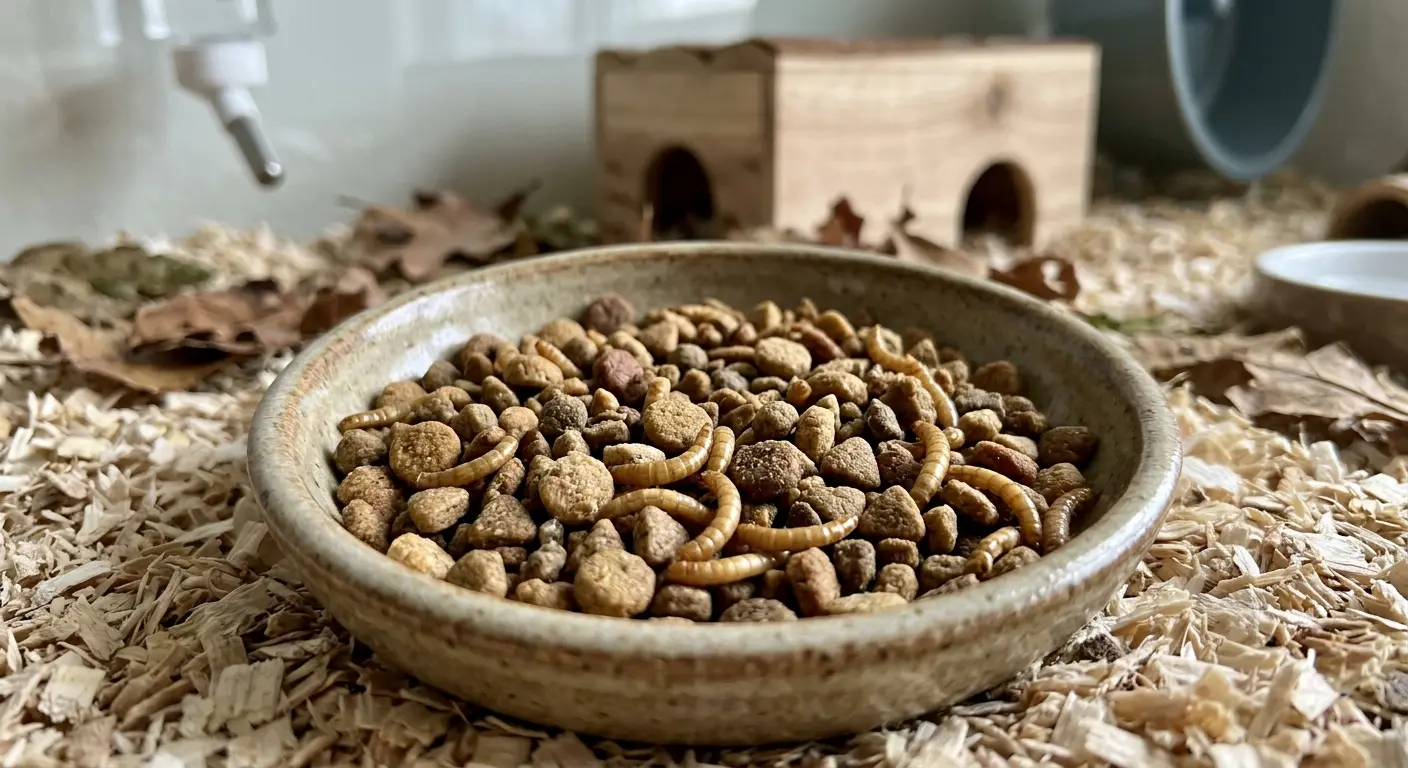
A high-quality commercial cat kibble containing high protein percentages (around 30-35%) and low fat content (under 12%) serves as an excellent standard base. The hard texture of kibble is also functionally necessary for mechanically scraping plaque off their tiny teeth as they chew.
You should carefully measure their daily dry food portions, supplying roughly one to two tablespoons per night to prevent rapid weight gain. Obesity is incredibly common in domestic settings and puts immense, unnecessary structural pressure on their small joints and vital internal organs.
Supplemental live food like crickets, Dubia roaches, and mealworms should be offered periodically to provide crucial mental stimulation and essential amino acids. These live insects mimic their natural wild hunting behaviors, keeping their minds completely active, healthy, and thoroughly engaged.
Hydration Standards and Water Delivery
Continuous access to clean moisture is incredibly vital for preventing renal failure and supporting metabolic digestion when you Take Care about hedgehog. Always provide a heavy, shallow ceramic bowl filled with fresh, filtered water rather than using standard plastic small-animal drip bottles.
Metal sip tubes on traditional drip bottles can easily chip a hedgehog’s incredibly fragile front teeth or painfully trap their delicate tongues. Ceramic bowls allow them to drink in a completely natural, uninhibited posture while remaining incredibly easy to sanitize daily.
3. The Human Experience: A Journey of Prickly Patience
I remember the exact moment my first hedgehog arrived home. Fear radiated from him. He transformed instantly into a tight, hissing ball of pure, impenetrable spikes. My heart sank. Would this tiny creature ever trust my giant hands? It felt completely impossible. I sat quietly by the cage in the dark, listening to his tiny, rhythmic huffs.
Time slowed down. I realized then that love with a creature of quills cannot be rushed or forced forward. It requires an absolute surrender to patience. Weeks bled into months of gentle, quiet persistence. Slowly, almost imperceptibly, the miracles began happening.
A quill lowered. A tiny, wet nose cautiously poked out to sniff my bare skin. Then, the ultimate reward: he relaxed completely, falling fast asleep right in the warm palm of my hand. That profound connection wasn’t built on grand gestures, but on showing up every single night without demands.
4. Handling and Socialization: Building Lasting Trust
A massive, rewarding part of learning how to properly Take Care about hedgehog involves navigating the gradual, intentional bonding process. Because they possess incredibly poor eyesight, they rely almost entirely on their highly advanced sense of smell to identify friends.
When you first pick up your pet, they will almost certainly curl into a tight ball and emit sharp, intimidating huffing noises. Do not put them down out of fear; this structural defense mechanism is completely natural and does not mean they hate you.
To accelerate trust, place an old, unwashed cotton T-shirt that you have worn for a full day directly inside their sleeping area. This safe method allows them to constantly associate your unique personal scent with the absolute security and warmth of their nest.
Commit to dedicated daily interaction, spending at least 30 minutes every single evening letting them crawl gently over your lap. Avoid wearing thick leather handling gloves during these sessions, as it prevents them from smelling you and significantly prolongs the socialization timeline.

5. Comprehensive Health, Grooming, and Hygiene Matrix
Maintaining pristine structural hygiene is a fundamental requirement if you genuinely wish to Take Care about hedgehog without encountering medical issues. These animals possess a fascinating habit of running miles on their wheels while simultaneously relieving themselves throughout the night.
Consequently, they frequently develop what owners call “poop boots,” which are hard crusts of dried feces accumulated on their delicate feet. Giving them a shallow, warm water foot bath every few days is completely essential for keeping their skin free from bacterial infections.
Their tiny nails grow at an incredibly rapid pace and require highly regular trimming to prevent painful curling into their sensitive footpads. Use standard human infant nail clippers, taking extreme care to avoid cutting the pink quick containing active, sensitive blood vessels.
According to established guidelines by international veterinary authorities, such as the Association of Exotic Mammal Veterinarians, regular physical checkups are mandatory for identifying underlying issues early. Keep an eye out for common afflictions like skin mites, fungal ringworm, and dental disease which require prompt medical interventions.
| Care Pillar | Core Requirement | Frequency | Primary Benefit |
|---|---|---|---|
| Temperature | Maintain 23°C – 27°C | Continuous (24/7) | Prevents deadly hibernation attempts |
| Diet Base | High-protein, low-fat cat kibble | Daily / Every Night | Provides optimal baseline nutrition |
| Foot Baths | Shallow warm water soak | Every 2 – 3 Days | Removes dangerous bacterial buildup |
| Nail Trimming | Clip tips with baby clippers | Monthly | Prevents painful footpad punctures |
| Socialization | Lap time / Scent association | Daily (30 Minutes) | Transforms defensive behavior into trust |
6. Frequently Asked Questions (FAQ)
Q: Why is my hedgehog losing so many quills suddenly?
A: If your pet is young (between 4 weeks and 6 months), they are likely experiencing “quilling,” a natural process where baby quills drop out to make structural room for adult ones. However, if an adult develops completely bald patches, it is a strong sign of stress, poor diet, or parasitic skin mites requiring immediate veterinary treatment.
Q: Can I house two hedgehogs together in the same cage?
A: Absolutely not. These animals are strictly solitary mammals by nature and will become intensely territorial as they reach maturity. Housing them together will almost certainly result in severe, violent physical fights, deep wounds, and extreme psychological stress for both individuals.
Q: What is that strange foaming behavior they do on their backs?
A: This fascinating behavioral phenomenon is strictly known as “self-anointing.” When they encounter a completely new or intense scent, they will chew on the object until they create a frothy, foamy saliva, which they then paint onto their spines using their long tongues for protective camouflage.
Q: How often should I clean the entire enclosure?
A: You must spot-clean the cage daily by removing solid waste, cleaning the wheel, and washing the water bowl thoroughly. The entire bedding setup should be completely stripped out, sanitized, and replaced on a strict weekly basis to prevent strong ammonia odors from developing.
Conclusion: The Path to a Happy Prickly Companion
When it comes down to the daily reality, choosing to Take Care about hedgehog is an incredibly unique, deeply rewarding long-term commitment. Consistency, meticulous environmental monitoring, and infinite patience during handling sessions are the true operational keys to unlocking their wonderful personalities.
By investing your time into providing a safely heated enclosure, balanced premium nutrition, and proactive hygiene maintenance, you protect them from preventable illnesses. Your shy, spiky ball of initial defense will slowly blossom into an incredibly charming, highly entertaining nocturnal companion.