
Exotic pets continue to capture the imaginations of animal lovers worldwide, drawing attention across modern digital spaces. Among these fascinating creatures, the African pygmy hedgehog has quickly skyrocketed to global internet stardom. Consequently, thousands of international wildlife enthusiasts routinely wonder about the domestic legality of these quill-covered mammals.
If you live in Sydney, Melbourne, or Brisbane, you might be asking yourself: can you own a hedgehog in australia? The desire to nurture these small, nocturnal insectivores is entirely understandable given their adorable appearance. However, Oceania enforces some of the absolute strictest biosecurity frameworks found anywhere across the entire globe.
Navigating the complex legal framework surrounding exotic species down under requires looking deep into specific environmental statutes. For many curious urban pet keepers, discovering whether can you own a hedgehog in australia is an essential starting point before investing in specialized habitat setups. Let us unpack the detailed, contemporary legal realities governing these animals.
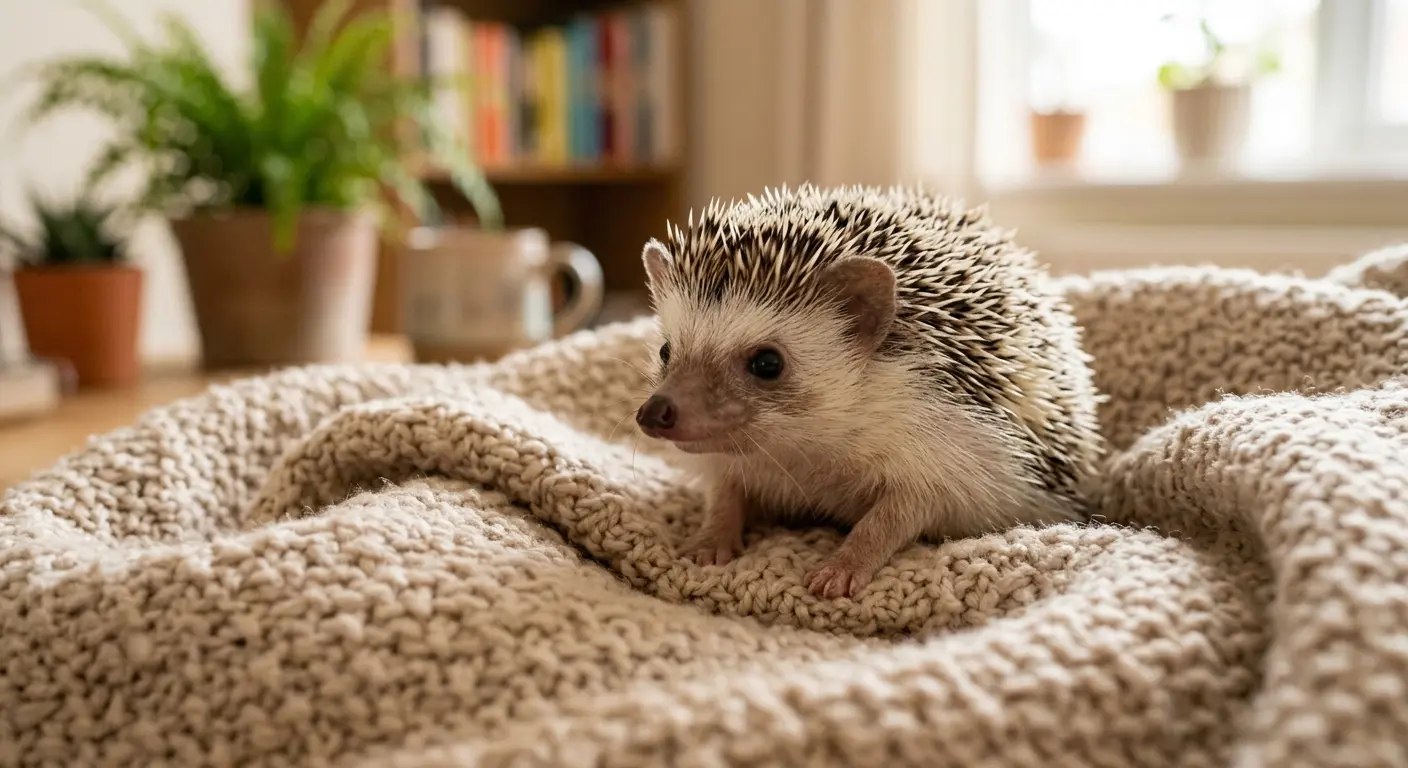
The Legal Status: Can You Own a Hedgehog in Australia?
To answer the primary question clearly and directly: no, you absolutely cannot legally import or keep them as household companions. Individuals frequently ask can you own a hedgehog in australia hoping for a hidden loophole or state-specific variance. Unfortunately, federal legislation categorizes these small mammals as strictly prohibited imports across all territories.
The core legislative system protecting the unique continent is the Environment Protection and Biodiversity Conservation Act. Under these comprehensive national environmental laws, non-native mammals that are not explicitly listed as permissible imports are completely banned. Therefore, anyone wondering can you own a hedgehog in australia will find uniform restrictions from Perth to Hobart.
These legal prohibitions extend beyond just live specimens to include genetic material and breeding pairs as well. Border protection authorities actively monitor inbound international cargo to prevent the deliberate or accidental introduction of unauthorized wildlife. Consequently, alternative pathways for domestic ownership remain closed to the general public.
State-by-State Wildlife Regulations
While federal border security laws strictly block international arrivals, individual state departments manage local possession. In New South Wales, holding an unapproved exotic mammal carries massive financial penalties and potential judicial prosecution. Queensland enforces equally rigorous biosecurity measures to shield its fragile, vulnerable agricultural zones.
Victoria and Western Australia maintain synchronized regulatory lists that categorize these quill-bearing insectivores as serious invasive pests. Even licensed educational institutions face extensive administrative hurdles if they ever attempt to display these forbidden creatures. Domestic biosecurity departments prioritize ecological preservation far above individual consumer demand.
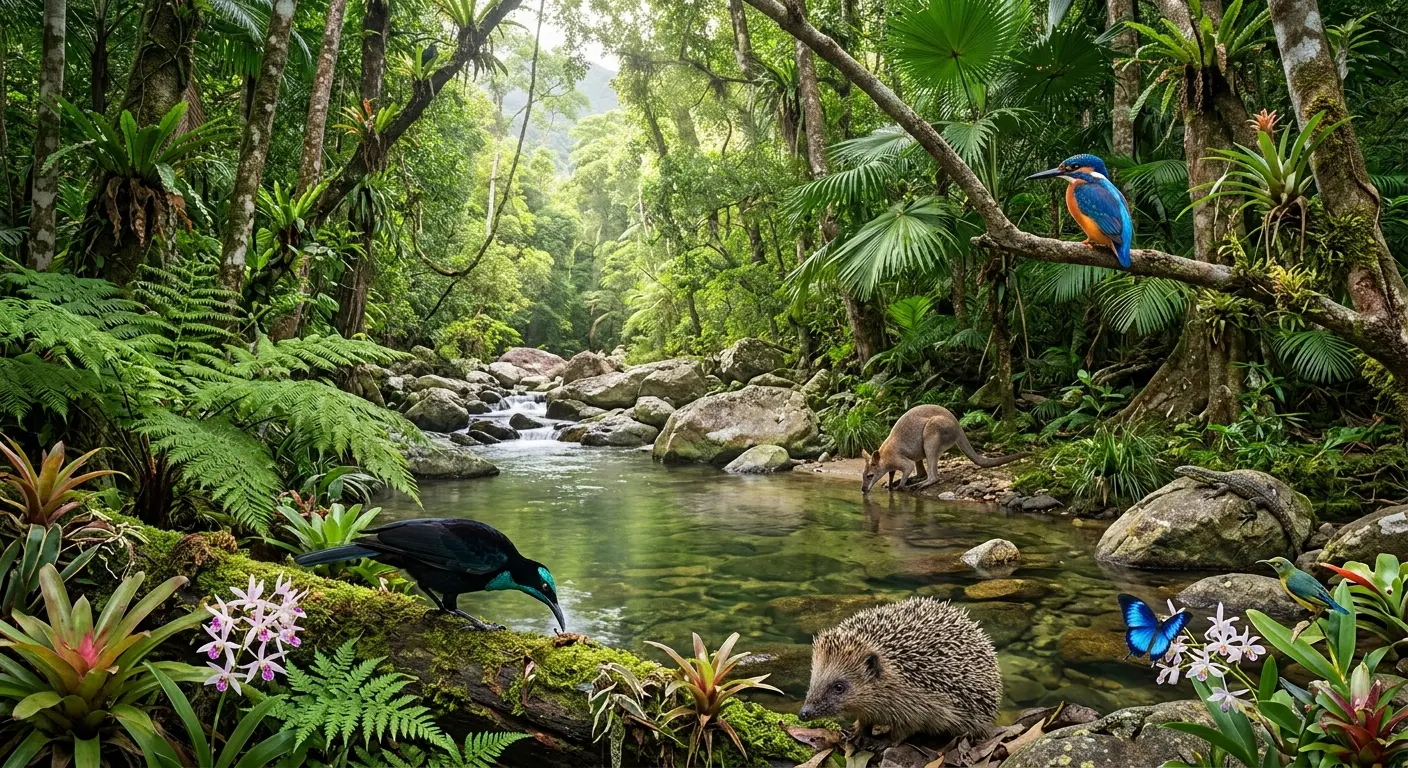
Why the Australian Biosecurity Banned Exotic Mammals
The definitive reasons behind this absolute prohibition stem from historical lessons involving introduced species that devastated local wilderness. If citizens ask can you own a hedgehog in australia, authorities point directly to the catastrophic impacts of past ecological disruptions. The introduction of rabbits, cane toads, and foxes serves as a permanent warning model.
Hedgehogs are highly effective, resourceful foragers that specialize in consuming large volumes of native insects, snails, and ground-nesting bird eggs. If a breeding population escaped into the bush, they would compete directly with vulnerable native marsupials. This dangerous competition could easily push endangered endemic species closer toward extinction.
Furthermore, foreign mammals are notorious vectors for highly contagious pathogens, exotic mites, and dangerous internal parasites. Introducing these organisms into an isolated ecosystem could trigger widespread wildlife health crises. According to global research by the Association of Reptile and Amphibian Veterinarians (ARAV), biosecurity isolation remains vital for protecting native fauna.
An Inundated Enclosure: A Keeper’s Journey Through Humidity Chaos
Last winter, my professional reptile breeding room faced an unexpected environmental disaster that nearly ruined months of delicate work. On a freezing, rain-soaked Tuesday morning, I walked into the facility only to notice heavy condensation dripping down the glass panes. My favorite adult male blue-tongued skink, whom I affectionately call Buster, was hiding deep inside his burrow, looking completely miserable.
The ambient room humidity had spiked to an alarming 85% because of a faulty baseline building ventilation valve. I immediately panicked and rushed to install a commercial heavy-duty dehumidifier right next to Buster’s main display unit. That hasty setup failed spectacularly because it stripped the localized air of essential moisture far too quickly, causing Buster to experience a terrible, incomplete skin shed.
Frustrated and exhausted, I turned off the loud machine and began experimenting manually by adjusting substrate depths and introducing dry sphagnum moss packs. By pure coincidence, repositioning the top ventilation mesh panels achieved the ideal, stable microclimate balance without using any harsh electrical appliances. It was a stressful lesson in patience, proving that mechanical quick-fixes rarely outsmart gradual, observant husbandry modifications.
Global Legal Comparison Matrix
To put these rigorous oceanic policies into perspective, it helps to examine how other global jurisdictions approach this issue. When evaluating whether can you own a hedgehog in australia, comparing regional wildlife laws reveals completely different environmental philosophies. Many nations operate under permissive frameworks, unlike the strict precautionary principles enforced down under.
| Country / Region | Legal Status | Permit Required? | Primary Regulatory Focus |
|---|---|---|---|
| Australia | Strictly Prohibited | No permits issued for pets | Ecosystem preservation & Biosecurity |
| United States | Legal in most states | Varies (Banned in CA, GA, NYC) | Public health & local ecological risks |
| United Kingdom | Fully Legal | No | Animal welfare & captive breeding standards |
| New Zealand | Prohibited as Pets | No | Eradication of wild invasive populations |
As illustrated in the comparison matrix above, Oceania stands firm in its total rejection of exotic pet imports. While parts of Europe and North America treat these animals as standard household companions, the Southern Hemisphere cannot risk the biological exposure. This data clearly reinforces why anyone wondering can you own a hedgehog in australia receives a definitive negative response.
Legal Alternatives for Animal Lovers Down Under
Fortunately, being denied access to exotic mammals does not mean local enthusiasts cannot enjoy incredibly rewarding wildlife companionship. Australia is blessed with an astonishingly diverse array of unique native reptiles, amphibians, and marsupials that make fantastic additions to dedicated households. Embracing these incredible local species supports broader conservation initiatives.
For those who love intricate habitat design and behavioral observation, keeping native lizards offers an unparalleled experience. Central bearded dragons, blue-tongued skinks, and various geckos provide immense joy without threatening local biosecurity. Learning how to properly care for these creatures is highly rewarding for keepers of all experience levels.
Additionally, keeping native wildlife raises vital awareness about the delicate habitats surrounding our expanding urban environments. If you want to discover more about preserving unique species, read our deep dive on hedgehog conservation to understand global protection models. Selecting legitimate, locally approved wildlife companions helps ensure our wild spaces remain pristine for generations.
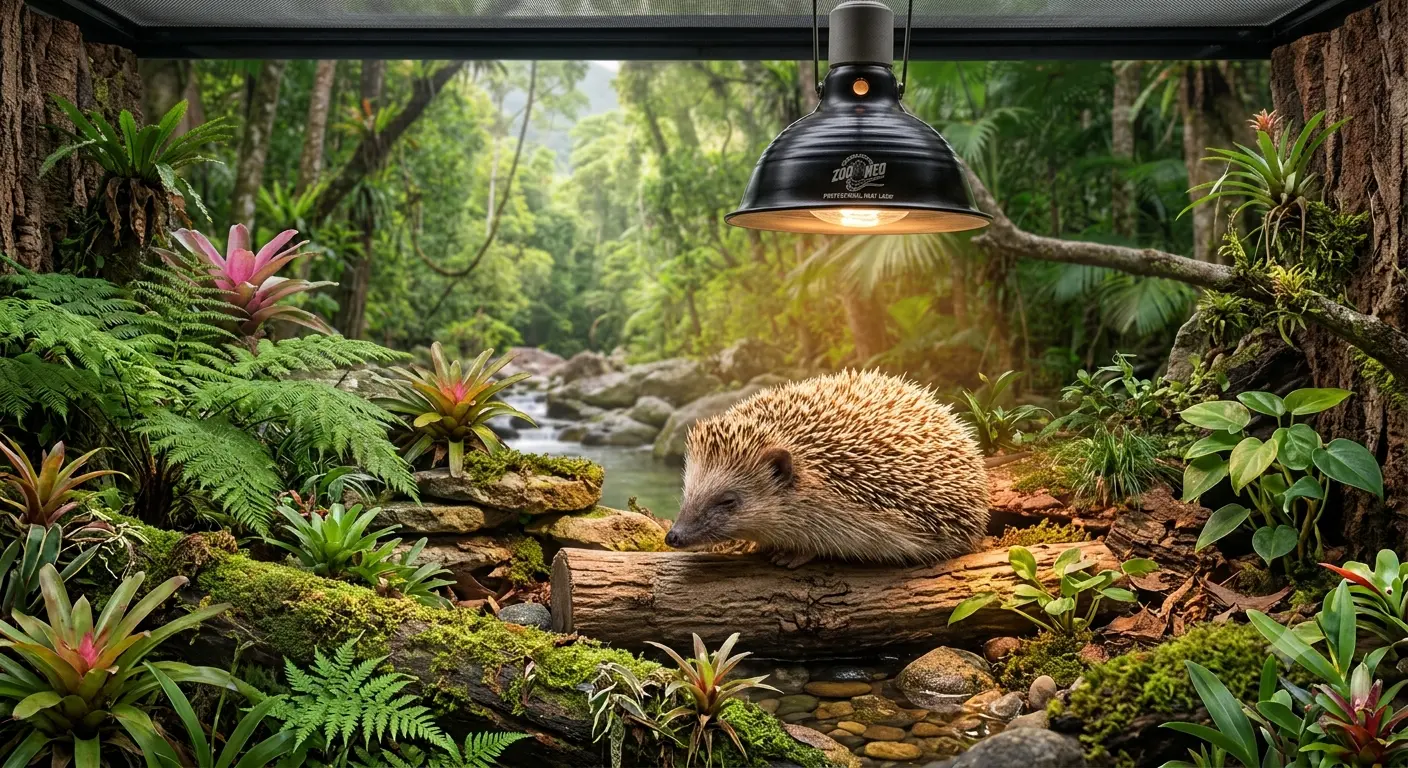
Summary of Exotic Pet Compliance Laws
Ultimately, understanding the framework of environmental protection helps clarify why these rigid boundaries are permanently maintained. If your heart was set on a foreign mammal, redirecting that passion toward native rescue animals can be incredibly fulfilling. Protecting our regional biosecurity guarantees that unique local ecosystems remain safe from foreign biological pressures.
Before ever attempting to source an unusual animal, always consult your specific state’s department of primary industries for updated compliance lists. Remember that illegal wildlife trafficking carries severe criminal penalties, including heavy fines and permanent asset forfeiture. Let us make ethical choices that protect our beautiful native wilderness while celebrating accessible, domestic pet ownership.
Frequently Asked Questions (FAQs)
Can you own a hedgehog in australia if it was bred entirely in captivity?
No, captive-bred status does not change the law; all hedgehogs are strictly illegal regardless of their origin. Federal biosecurity laws focus entirely on the biological classification of the species rather than individual lineage or background. Therefore, domestic breeding remains entirely banned across the continent.
What are the penalties for illegally possessing an exotic hedgehog?
Possessing an unapproved non-native mammal can result in devastating financial penalties reaching tens of thousands of dollars. Additionally, individuals may face criminal prosecution, court appearances, and a permanent criminal record. Furthermore, the confiscated animal is almost always humanely euthanized by biosecurity officials due to parasite risks.
Are there any specific regions or territories where exceptions are made?
No territories provide exemptions for keeping these animals as private household companions anywhere within the country. While some certified zoological institutions may hold research exemptions, these permits are never extended to the general public. The biosecurity ban applies uniformly across all states and external mainland territories.
Which native Australian animals have similar care needs or traits?
While no native mammal can legally be kept similarly, certain lizards offer highly engaging, insectivorous feeding behaviors. Reptiles like the bearded dragon or small monitor species thrive on complex insect diets and require specialized thermal enclosures. These legal native options deliver an exceptional, deeply educational experience for urban keepers.