
Hedgehogs are fascinating exotic pets that rely heavily on their senses to navigate the world. As nocturnal creatures, their survival strategies, hunting methods, and daily interactions differ significantly from daytime animals. Understanding how these spiked companions perceive their environment is crucial for any dedicated pet owner looking to provide optimal care.
Many first-time owners wonder how well these animals can perceive odors. If you are asking yourself, can hedgehog smell effectively, the short answer is yes. In fact, their olfactory system is one of their most powerful and essential survival tools, compensating for their notably poor eyesight and helping them identify food, predators, and friends.
When studying the mechanics of exotic pets, evaluating how well can hedgehog smell food helps clarify their habits. This comprehensive guide explores the depths of a hedgehog’s olfactory capabilities. We will examine how they use their noses, how their smell impacts their behavior, and what you can do as an owner to respect and stimulate this vital sensory asset in their domestic environment.
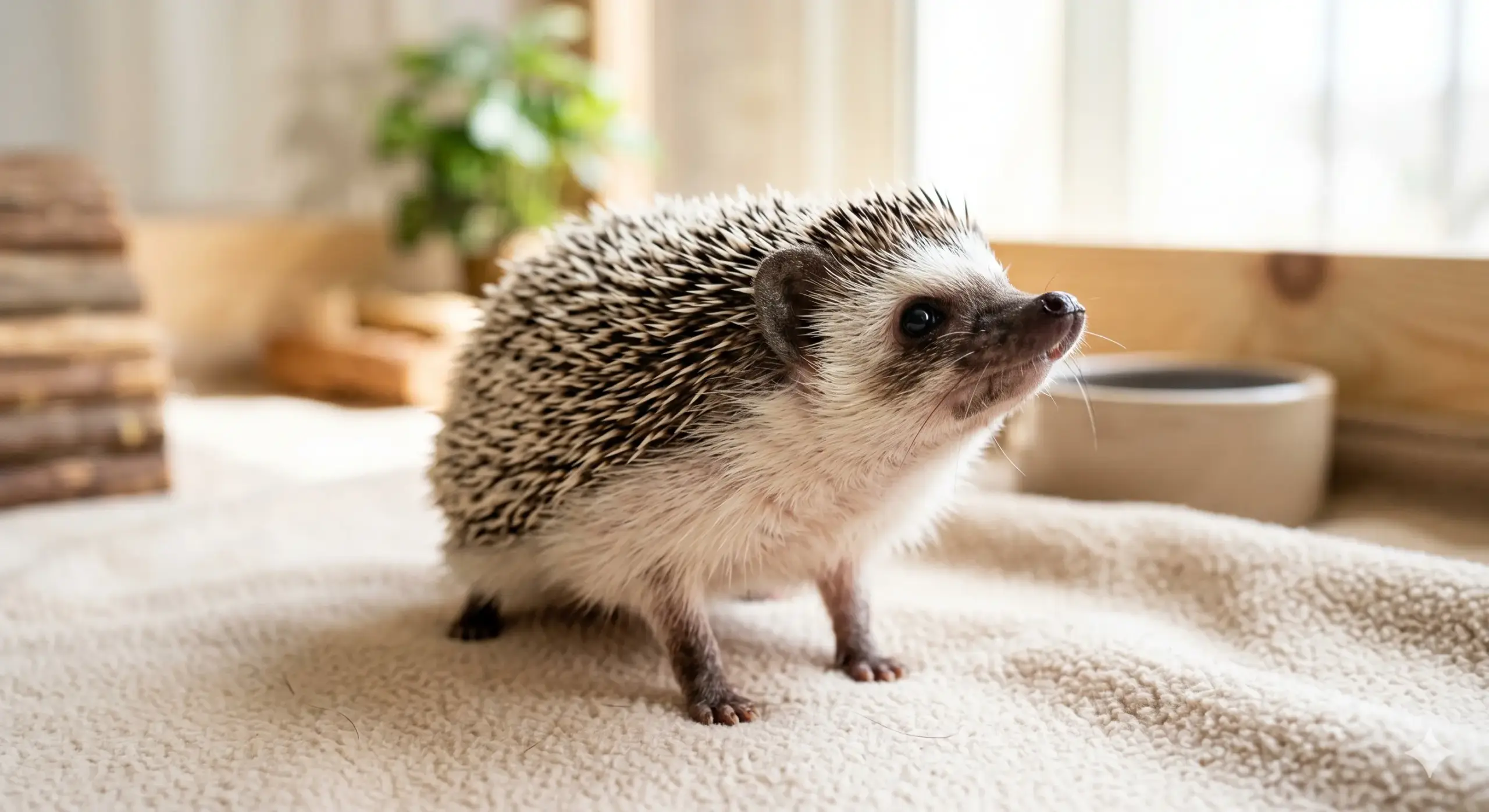
Understanding the Olfactory Power: Can Hedgehog Smell Effectively?
The neurological architecture of a hedgehog is heavily wired toward processing scents. Their long, flexible, and constantly moist snouts act like highly sensitive radar systems that twitch continuously to capture microscopic airborne particles from every direction.
When studying the question, can hedgehog smell buried items, researchers found that these mammals can detect insects moving deep under layers of soil and dried leaves. Their olfactory bulb occupies a substantial portion of their brain relative to their overall skull size, emphasizing scent processing.
To fully answer how well can hedgehog smell nearby objects, we must look at their anatomy. This acute sense allows them to build a detailed mental map of their immediate surroundings. While humans see a room through colors and shapes, a hedgehog experiences that exact same room as an intricate tapestry of overlapping chemical signatures.
How Natural Scents Dictate Daily Hedgehog Behavior
In the wild, foraging is an active sensory adventure driven almost entirely by scent profiles. Hedgehogs hunt for beetles, earthworms, caterpillars, and small vertebrates by tracking their unique moisture and chemical trails across the forest floor.
But foraging is only one aspect where their noses shine. Social interactions among wild populations rely on chemical signals deposited on rocks, twigs, and soil, allowing solitary individuals to avoid unnecessary confrontations or locate potential mates during the breeding season.
When analyzing how can hedgehog smell threats, scientists note that their reactions are instantaneous. When introduced to a new environment, a hedgehog will spend hours sniffing every corner. This behavior is not random curiosity; it is a vital safety protocol designed to ensure no hidden predators are lurking in their newly claimed territory.
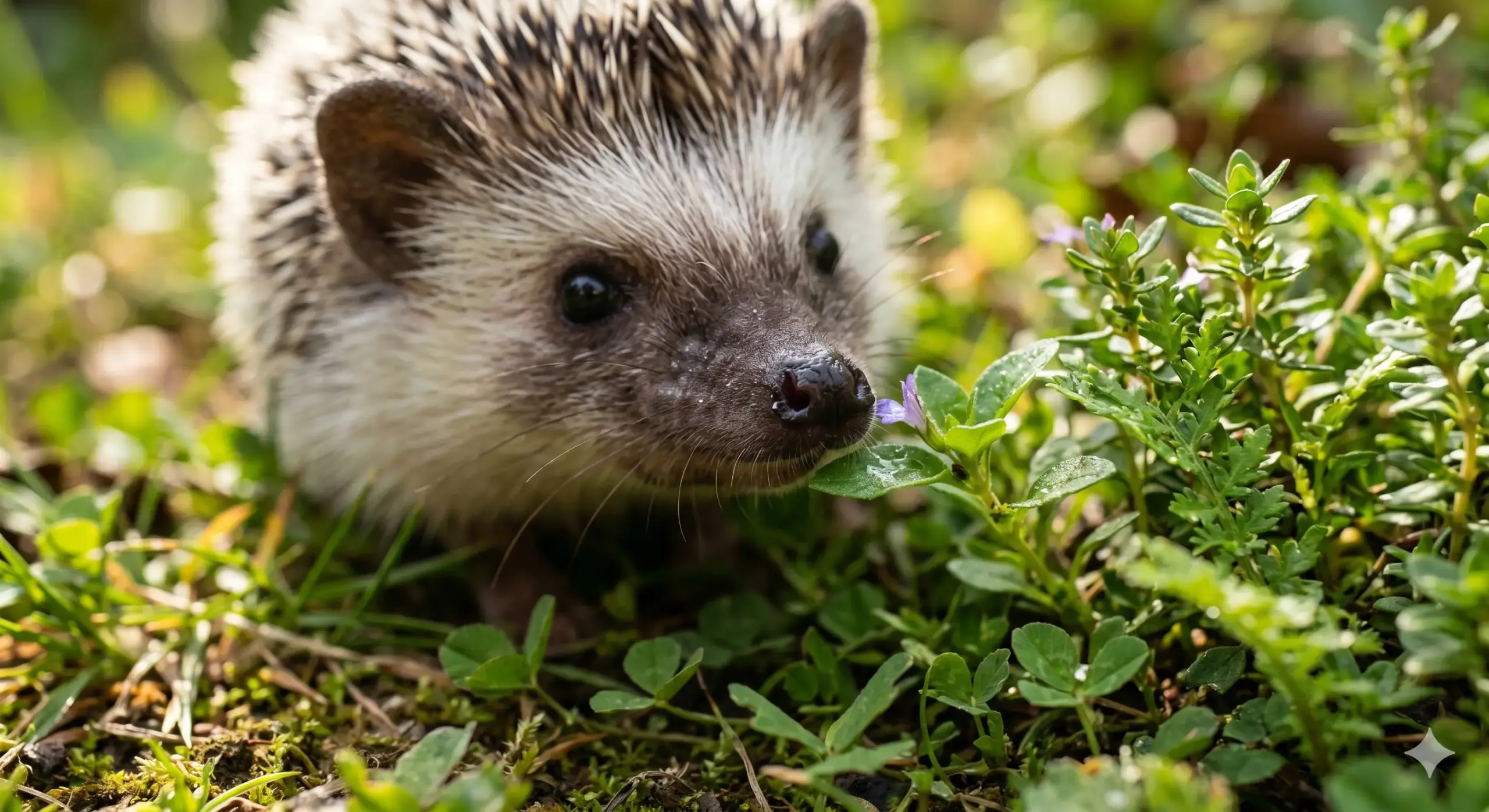
The Jacobson’s Organ and Self-Anointing Behavior
A unique aspect of hedgehog anatomy is the vomeronasal organ, also known as the Jacobson’s organ. Located in the roof of their mouth, this specialized structure detects heavy pheromones and complex chemical compounds that regular nasal receptors cannot fully process.
When a hedgehog encounters an unfamiliar or highly stimulating scent, they engage in a bizarre ritual called self-anointing. They will chew the scented object until a frothy, aromatic saliva forms in their mouth, then contort their bodies to smear this foam over their spines.
This strange behavior is deeply tied to how a can hedgehog smell and categorize new chemical data. It is believed that self-anointing serves as a camouflage mechanism, a defense tool, or a way to store scent information for long-term memory recognition.
The Human Experience: A Bond Built on Scent
I remember the first week I brought Barnaby home. He was a ball of pure defiance. Spines up. Hissing like an angry teapot. It was incredibly discouraging. I wondered if he would ever trust me.
Then I learned about their noses. I put an unwashed t-shirt of mine right into his sleeping area. It felt a bit silly. A grown adult gifting dirty laundry to a tiny, spikey creature. But the magic happened just three nights later.
He stopped huffing when my hand approached. He recognized me. Not by my face, but by my sweat, my soap, my essence. It was a profound breakthrough that taught me patience and deep emotional connection.
Comparing Sensory Systems: Nose vs. Eyes and Ears
To truly understand how your pet interacts with the world, it helps to compare their sensory priorities. Evaluating how can hedgehog smell compared to how they see reveals a massive evolutionary reliance on their wet little noses.
| Sensory Organ | Capability Level | Primary Function in Captivity |
|---|---|---|
| Olfactory (Nose) | Exceptionally High | Identifying owners, foraging for food, detecting environmental changes. |
| Auditory (Ears) | High / Sensitive | Detecting high-pitched noises, identifying sudden movements or danger. |
| Visual (Eyes) | Very Poor | Discerning light patterns, basic motion tracking, minimal depth perception. |
How Owners Can Manage the Hedgehog’s Environment
Because their noses are so highly sensitive, domestic environments can easily overwhelm a hedgehog. Strong chemical odors, artificial perfumes, scented candles, and harsh floor cleaners can cause significant sensory stress and respiratory irritation.
When asking how can hedgehog smell safely in our homes, we must consider cleaning products. Always opt for unscented, pet-safe sanitizers or diluted white vinegar solutions. Avoid using strongly scented wood shavings like cedar or pine, which contain natural aromatic phenols that can damage their respiratory tract over time, as supported by professional veterinary guidelines on small mammal care from organizations like the World Veterinary Association.
Additionally, consistency is key when bonding with your pet. Try to avoid changing your personal perfume, body wash, or laundry detergent frequently during the initial bonding phases, as drastic changes can confuse your pet and reset your progress.
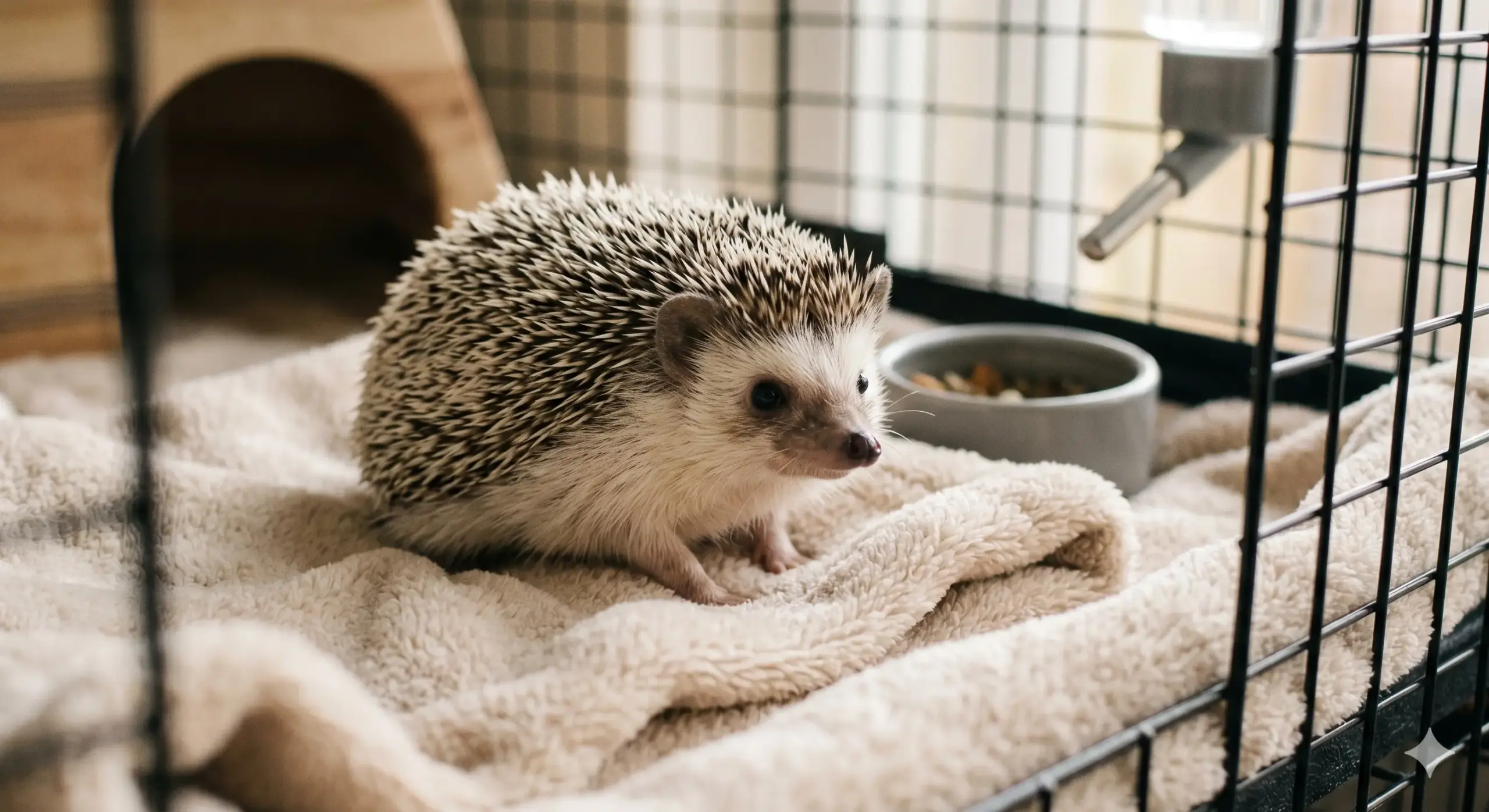
Scent Enrichment Activities for Captive Hedgehogs
Providing sensory enrichment is a fantastic way to keep your captive pet mentally stimulated and active. Knowing how well can hedgehog smell hidden treats allows owners to design fun games that keep their pets engaged and happy.
- Scent Trails: Rub a tiny drop of pet-safe organic oil (like pure coconut oil) on a toy to encourage sniffing and investigation.
- Foraging Boxes: Fill a shallow container with fleece strips and hide dry kibble inside, forcing them to hunt using their nose.
- Natural Herbs: Introduce small amounts of dried organic chamomile or mint leaves into their play area to encourage natural self-anointing.
Keep these activities supervised to monitor how your pet reacts to different aromatic stimuli. If they show signs of distress or sneezing, remove the scent source immediately and ventilate the space.
Conclusion: Embracing Their Unique Sensory World
In summary, answering whether a can hedgehog smell reveals just how deeply these animals rely on their olfactory capabilities to survive and thrive. Their nose is their primary window into the world, helping them overcome visual limitations and navigate complex domestic spaces with ease.
Now that you know how can hedgehog smell things around them, you can build a safer, more rewarding environment for your companion. Embracing their unique sensory perspective is the ultimate key to developing a deep, trusting bond that ensures your exotic pet lives a happy, stress-free life under your dedicated care.