
If you are looking for a unique, long-term aquatic companion, the Axolotl (Ambystoma mexicanum) is a fascinating choice. But before bringing one home, every responsible owner asks: How long do axolotls live?
On average, a healthy axolotl lives between 10 to 15 years in captivity. However, with exceptional care, some individuals have been known to reach the ripe old age of 20.
Understanding the factors that influence their longevity is the key to ensuring your “water dragon” thrives for over a decade. Let us explore the technical parameters, care sheets, and biology that affect their lifetime.
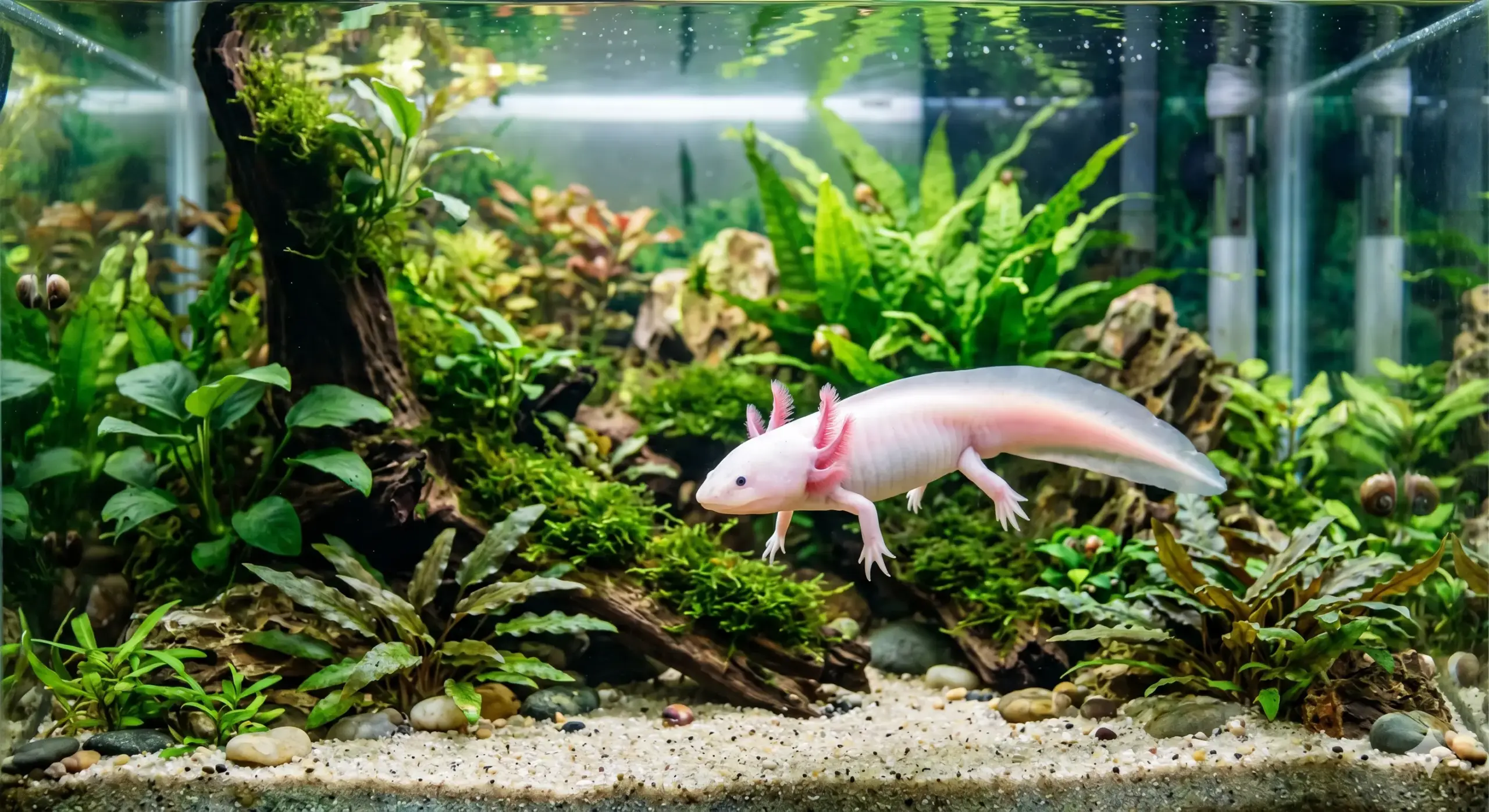
Understanding the Lifespan Baseline: How Long Do Axolotls Live?
The core question of how long do axolotls live depends heavily on their environment. In home aquariums, proper husbandry can extend their lifespan significantly compared to their endangered wild counterparts.
Biologically, these unique creatures remain in a permanent larval state throughout their lives, a phenomenon known as neoteny. This means they retain their gills and stay aquatic instead of undergoing standard amphibian metamorphosis.
Their cellular structure allows for incredible self-healing, yet they cannot survive poor water parameters. Therefore, your daily tank management directly determines exactly how long do axolotls live in your home.
Key Factors Influencing Axolotl Longevity
While axolotls are famous for their incredible regenerative abilities, they are sensitive creatures. To improve tank success and prevent premature death, we must provide optimal conditions for our aquatic pets.
Water Quality: The Foundation of Aquatic Life
The most critical factor in an axolotl’s life is the water they swim in. Because they breathe through external gills and permeable skin, they absorb toxins quickly from their immediate surroundings.
Ammonia and Nitrites must always stay at 0 ppm. Even trace amounts can lead to chronic stress, gill deterioration, and a severely shortened lifespan.
Nitrates should be kept below 20 ppm through consistent weekly water changes. Meanwhile, the ideal pH levels should aim for a stable range between 7.4 and 7.6 to ensure cellular comfort.
Temperature Control and Thermal Stress
Axolotls are strict cold-water amphibians. High temperatures increase their metabolic rate drastically, causing severe physiological stress, immune suppression, and secondary fungal infections.
The ideal temperature range is to keep the tank between 15°C to 18°C (60°F to 64°F). Temperatures above 22°C (72°F) are considered the danger zone and can be fatal if sustained for long periods.
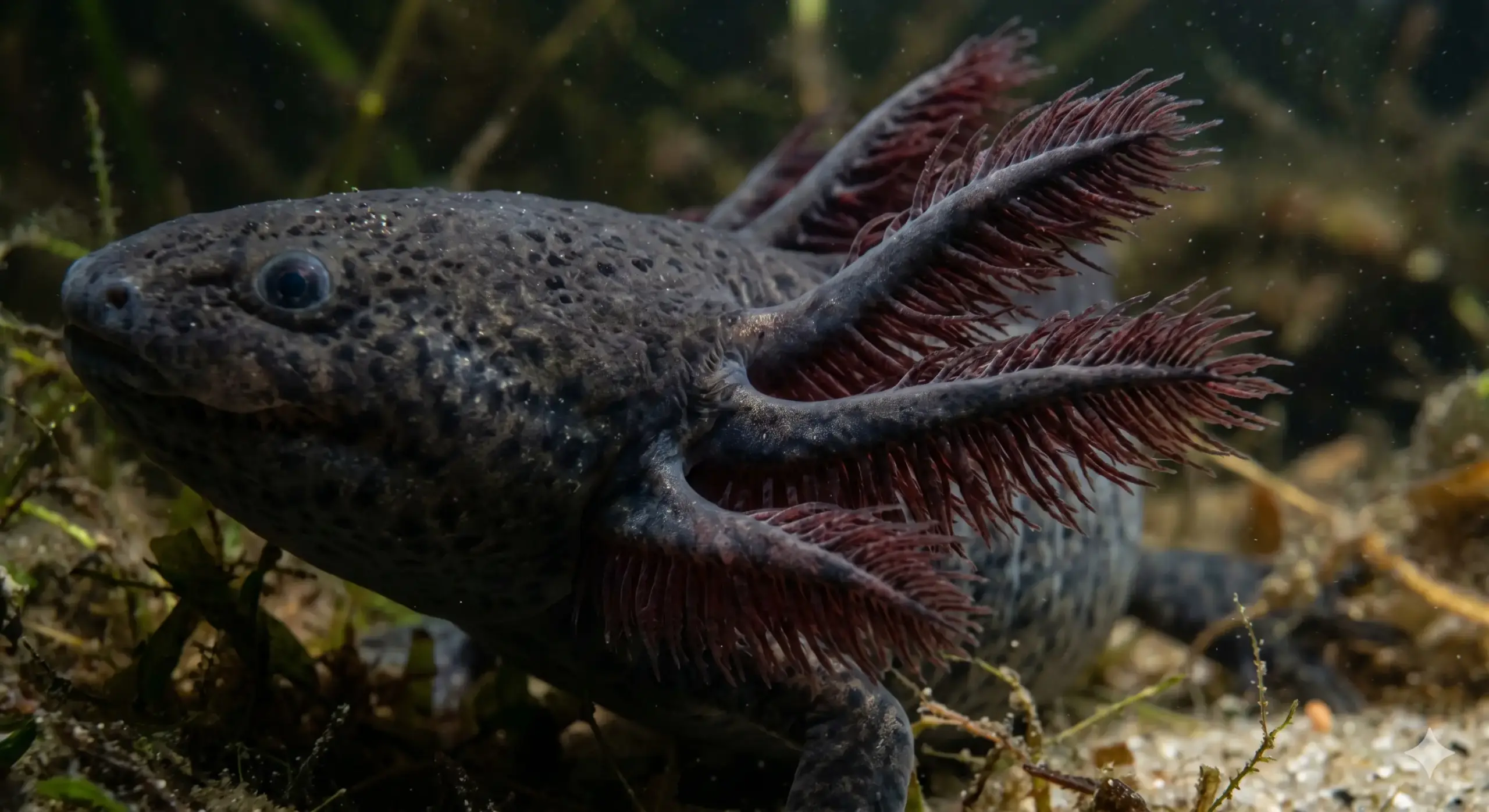
Diet and Nutrition for a Longer Life
Feeding your axolotl a nutrient-dense diet is essential for reaching that 15-year milestone. A balanced intake supports their immune system and fuels their continuous regenerative properties over time.
Nightcrawlers (Earthworms) represent the gold standard for axolotl nutrition, providing the ideal ratio of protein and essential minerals. Always source them from organic, pesticide-free suppliers to prevent chemical poisoning.
Bloodworms are good for juveniles but should only be a treat for adults as they lack sufficient calcium. High-quality sinking pellets can supplement their staple diet effectively without fouling the water chemistry.
Common Health Issues That Shorten Lifespan
Understanding health risks is vital for keeping your pet alive longer. This section helps answer common queries regarding potential hazards, disease prevention, and tank safety elements.
Impaction is a leading cause of sudden death in home aquariums. Using gravel instead of fine sand can cause axolotls to swallow stones accidentally, leading to fatal gut blockages that require surgical intervention.
Fungal Infections, often appearing as white cottony tufts on the gills, are usually caused by poor water quality or high temperatures. If you notice these symptoms, immediately test your parameters and lower the tank temperature.
Many beginners wonder: Are axolotls dangerous or poisonous? To clarify for readers, axolotls are not poisonous to touch, but they should never be eaten or handled excessively, as their delicate skin harbors natural bacteria.
Wild vs. Captive Lifespan Matrix
When analyzing how long do axolotls live, the difference between natural habitats and managed aquariums is stark. In the wild, specifically in Lake Xochimilco, axolotls rarely live past 5 to 10 years due to intense pollution, native predators, and rapid habitat loss.
In a controlled home aquarium, you are removing these environmental threats completely. This explains why they can live twice as long under your direct personal care and calculated maintenance schedules.
| Environmental Factor | Wild Lifespan (5-10 Years) | Captive Lifespan (10-15+ Years) |
|---|---|---|
| Predator Threat | High (Large fish, storks, herons) | None (Isolated habitat) |
| Water Cleanliness | Poor (Industrial pollution, waste) | Controlled (Advanced filtration) |
| Food Availability | Seasonal / Scarce | Consistent / Highly nutritious |
| Temperature Stability | Fluctuating wildly | Regulated (Aquarium chillers) |
Advanced Husbandry to Extend Lifespan
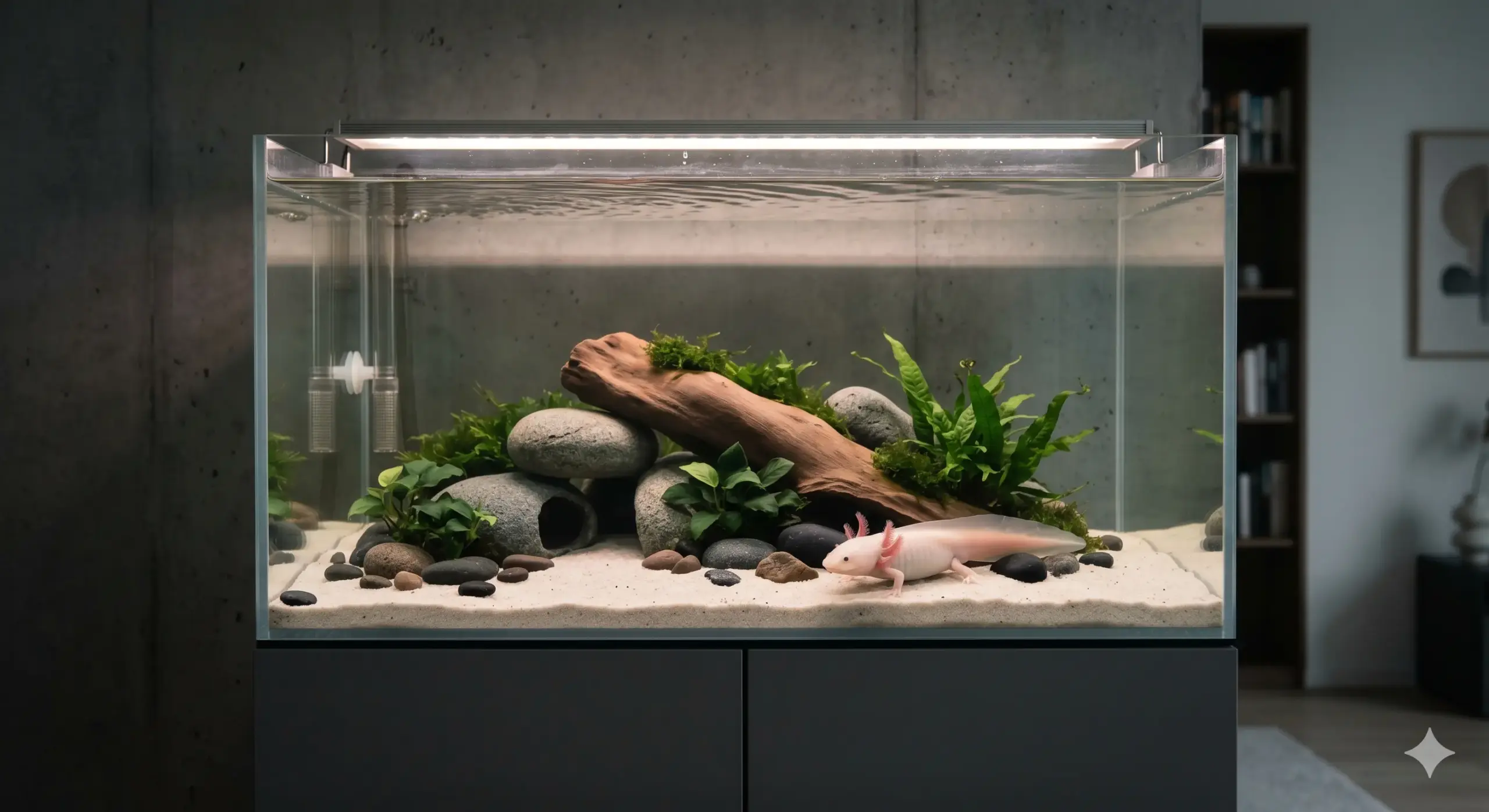
To maximize how long do axolotls live, advanced keepers look beyond the basics. Tank decoration, filtration flow rates, and stress reduction play massive roles in biological longevity.
High water flow from powerful filters can stress these amphibians. They prefer calm, stagnant waters, so using spray bars or sponge filters is highly recommended to eliminate constant current stress.
According to international conservation guidelines published by the Amphibian Ark Organization, minimizing environmental stress is the single most effective way to prevent premature amphibian mortality in captive research and domestic setups.
Frequently Asked Questions (FAQ)
Q: Can an axolotl live for 20 years?
A: Yes, though rare, with perfect water chemistry, pristine filtration, and a completely stress-free environment, it is biologically possible for an individual to reach 20 years.
Q: Does tank size affect their lifespan?
A: Absolutely. A small tank (less than 20 gallons) accumulates organic waste faster, leading to toxic chemical spikes that cause chronic illness and shorten how long do axolotls live.
Q: Are axolotls dangerous to other fish?
A: While not dangerous in a venomous sense, they are opportunistic predators. They will definitely try to snap at and eat smaller tank mates, often leading to fatal choking hazards for both.
Q: How long do axolotls live if the water gets warm?
A: If water temperatures remain above 22°C (72°F) regularly, their lifespan drops from 15 years down to just a few months due to heat exhaustion and rapid bacterial attacks.