
Welcoming a companion animal into your home is always an incredible, life-changing milestone. However, an increasing number of modern animal lovers are actively searching for something far beyond the standard domesticated feline or canine companion. This growing curiosity has spotlighted the vibrant world of Popular Exotic Pets, offering a fascinating alternative for dedicated keepers.
From the spike-covered allure of a tiny African pygmy hedgehog to the calm, prehistoric gaze of an Australian bearded dragon, unique creatures are making their way into households worldwide. These captivating animals possess incredible traits that challenge conventional ownership expectations and reward deep curiosity.
Yet, managing these non-traditional species demands a profound commitment, highly specialized environmental configurations, and precise nutritional regimens. This comprehensive guide uncovers the fascinating dynamics of keeping Popular Exotic Pets safely while prioritizing their welfare.
Understanding the Rapid Rise of Popular Exotic Pets
The global surge in the acquisition of Popular Exotic Pets reflects a desire for unique interactions. These animals offer a distinct window into wild behaviors right inside our living spaces.
Many urban residents turn to Popular Exotic Pets due to strict apartment regulations regarding large dogs or loud cats. Many small reptiles, insects, and unique mammals fit beautifully within compact living quarters.
Furthermore, the digital age has allowed documentation of these striking animals, increasing public interest significantly. This accessibility has transformed niche herpetology and invertebrate hobbies into highly mainstream global lifestyles.
However, popularity brings significant responsibility regarding animal health and sourcing ethically. Understanding the rigorous baseline needs of Popular Exotic Pets ensures that these mesmerizing creatures live fulfilling, healthy lives under our care.
1. The African Pygmy Hedgehog: A Spiky Masterpiece
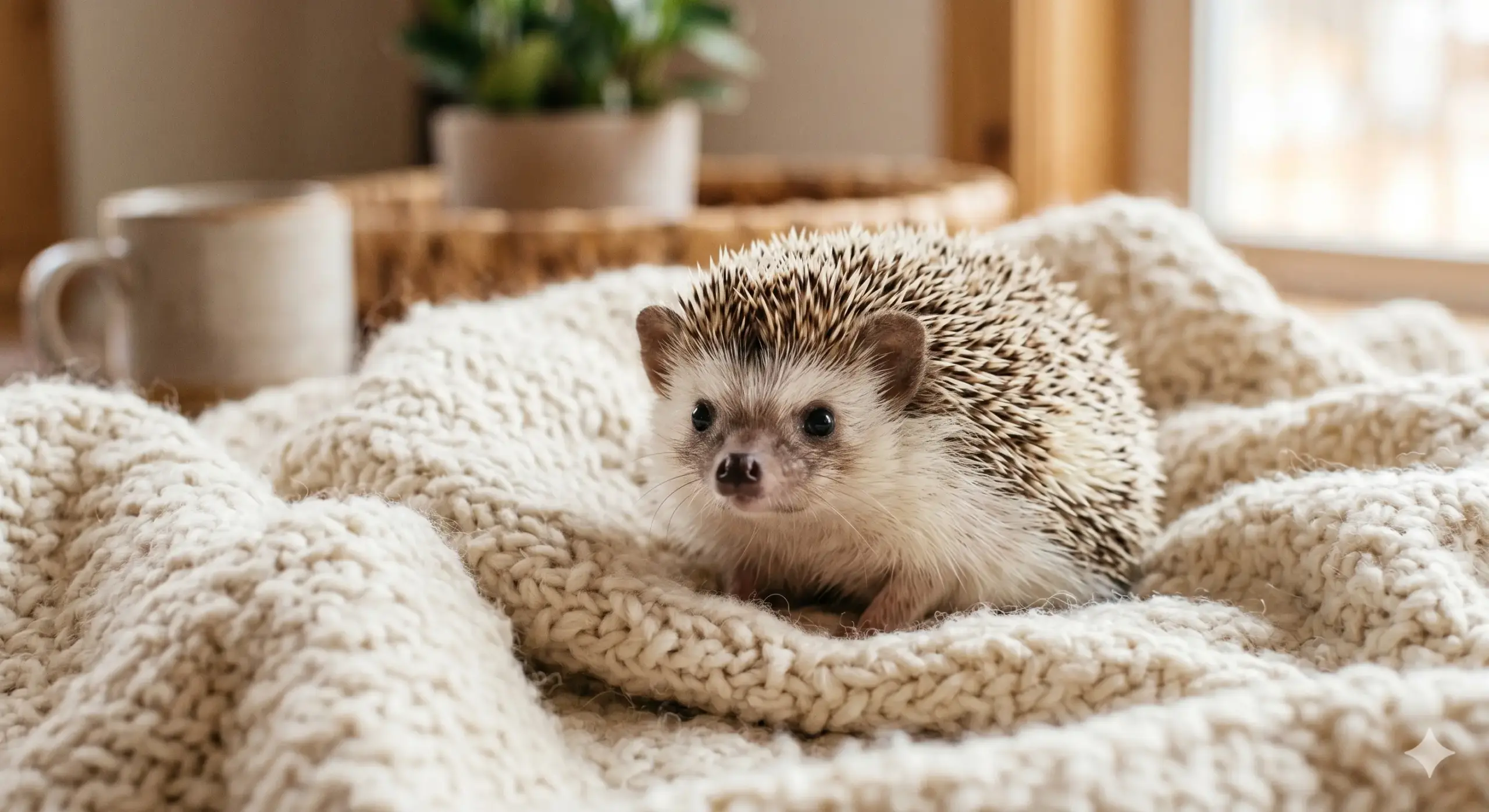
The delightful African Pygmy Hedgehog has rapidly climbed the ladder of Popular Exotic Pets worldwide. These small, nocturnal insectivores capture hearts with their defensive quill displays and cute, masked faces.
They are quiet, solitary, and thrive without needing constant social validation from humans. This makes them highly suitable choices for busy individuals who work regular daylight hours.
Their physical needs include a large, flat-bottomed enclosure equipped with a solid-surface running wheel for vital nightly exercise. They also require proper bedding materials that protect their sensitive footpads from injuries.
Crucially, maintaining a stable environmental ambient temperature between 72°F and 80°F is totally non-negotiable. Sudden thermal drops can trigger dangerous, life-threatening false hibernation attempts that compromise their fragile immune systems.
2. Bearded Dragons: The Unrivaled Reptilian King
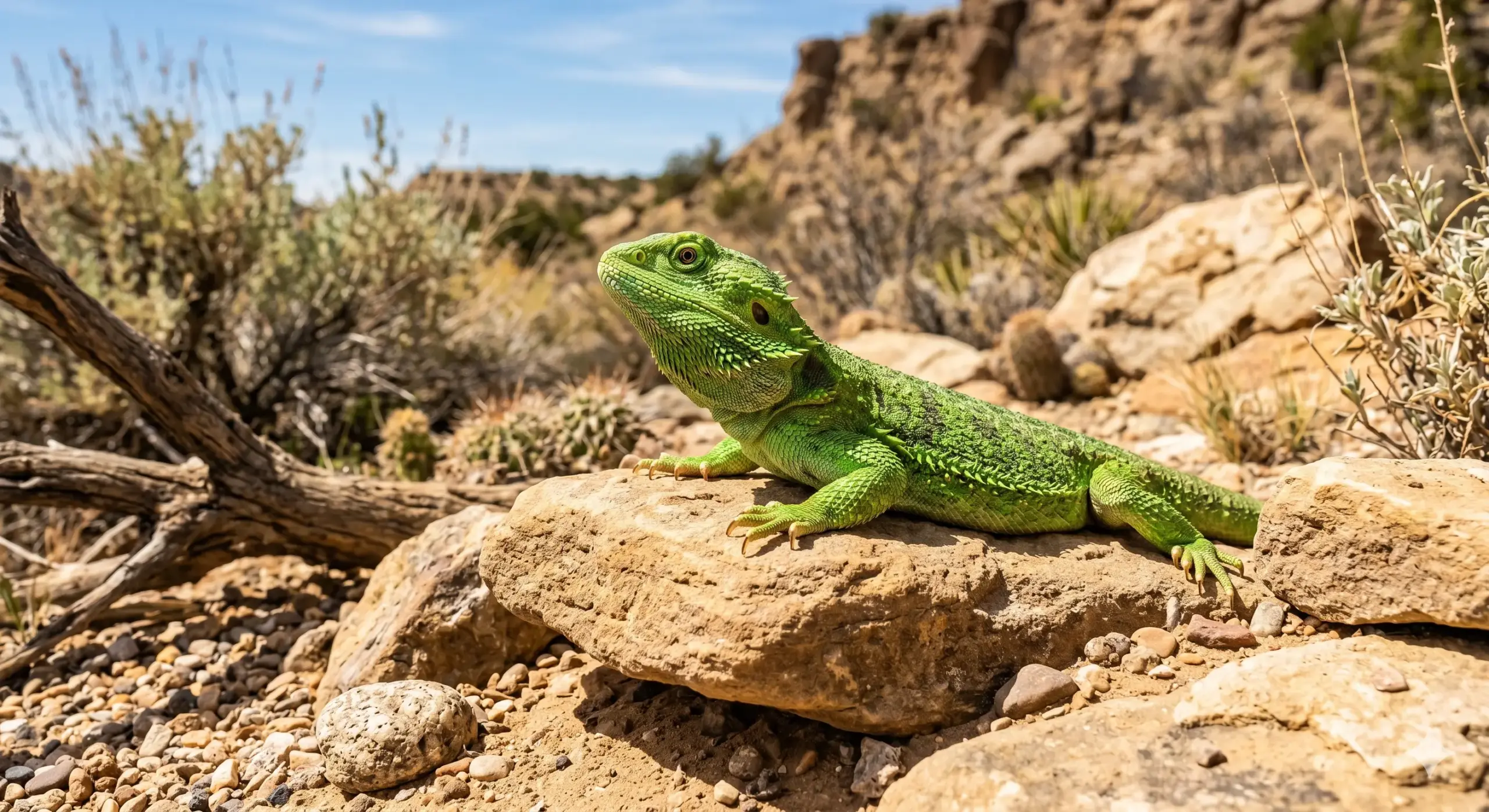
Affectionately known as “Beardies,” bearded dragons stand firmly among the most rewarding and Popular Exotic Pets today. Their incredibly calm demeanor and expressive social behaviors set them apart from other lizards.
Unlike many skittish reptiles, bearded dragons often learn to tolerate or even enjoy regular human handling. They spend hours resting comfortably on their keeper’s shoulders during daily tasks.
A thriving bearded dragon requires an expansive enclosure, ideally a minimum of 75 to 120 gallons for an adult specimen. This space must accommodate an explicit thermal gradient, ranging from a hot basking spot to a cooler zone.
High-output UVB lighting is essential to prevent metabolic bone disease, a devastating condition common in poorly managed setups. Their daily diet changes from mainly live insects during youth to mostly nutrient-rich leafy greens as they mature.
3. Sugar Gliders: High-Flying Social Marsupials
Sugar gliders are tiny, nocturnal marsupials native to Australia and Indonesia that have established themselves as highly Popular Exotic Pets. Their large eyes and remarkable ability to glide through the air create an enchanting companion.
These animals possess a specialized gliding membrane called a patagium, extending from their wrists to their ankles. Watching them glide gracefully across a secure room is truly breathtaking.
However, their social needs are intense, meaning they should never be housed as a single pet. They live in large wild colonies; keeping one alone causes severe isolation, leading to self-mutilation and deep depression.
Their complex nutritional requirements demand a carefully balanced mix of fresh nectar, high-quality calcium supplements, insects, and specific produce. Meeting these needs requires a significant commitment of time and resources from the keeper.
4. Axolotls: The Aquascape Phenomenon
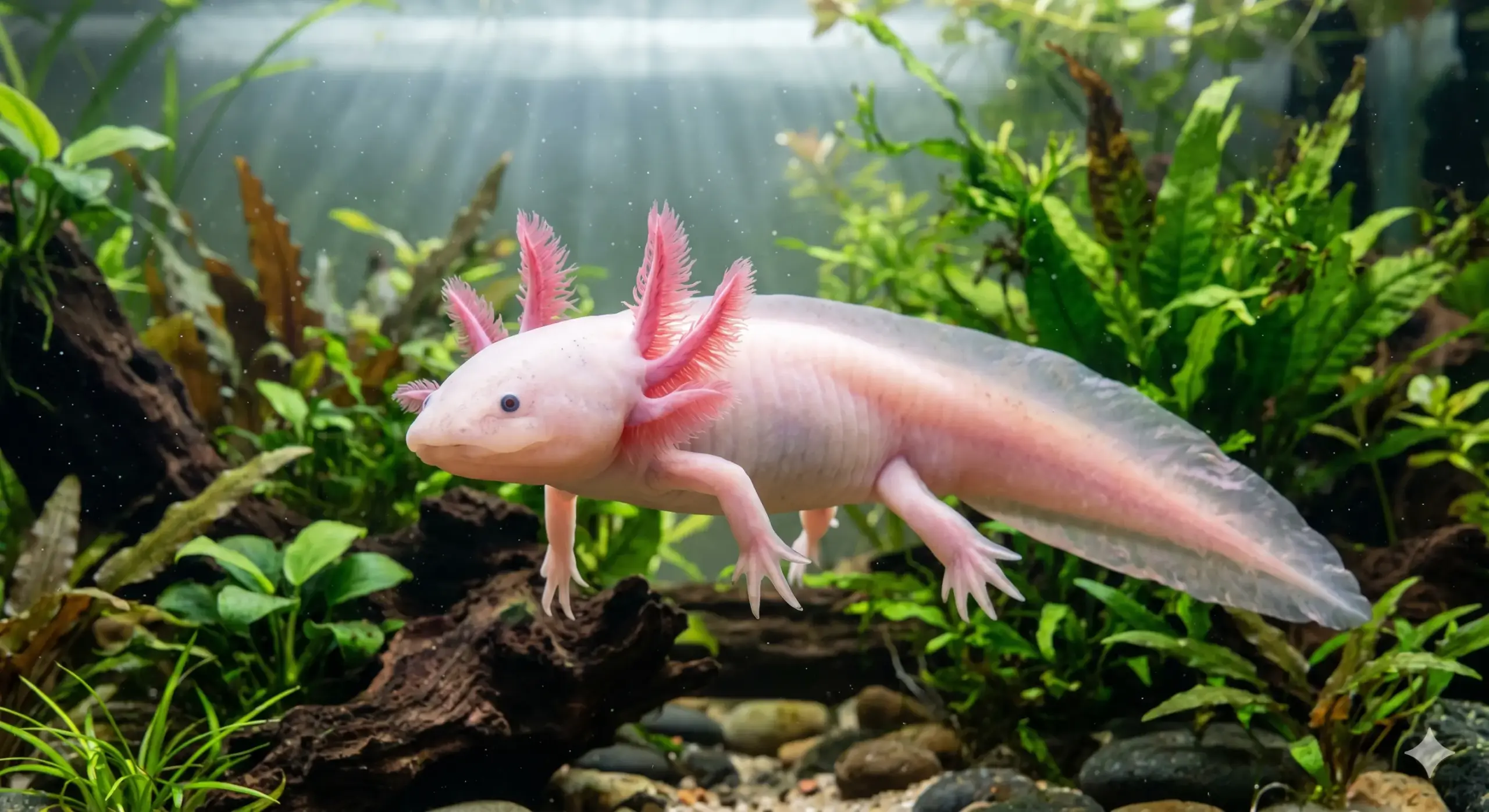
The axolotl is a fully aquatic salamander that has captured global attention as one of the most unique and Popular Exotic Pets. Known for remaining in its larval form permanently, it keeps its fringed external gills throughout its life.
Their soft expressions give them a smiling look, making them favorites for beautifully designed home aquariums. Watching them move calmly through aquatic plants is a peaceful, mesmerizing experience.
Axolotls require pristine water quality, necessitating robust biological filtration systems that do not produce heavy, disruptive currents. They lack true bones, meaning their bodies are mostly cartilage, which leaves them vulnerable to sharp tank decorations.
Water temperatures must stay cool, consistently below 68°F, to prevent heat-induced stress and fungal infections. They are strict carnivores, thriving on a clean diet of nightcrawlers, bloodworms, and specialized sinking pellets.
The Human Experience: A Lifelong Bond Born in the Shadows
I remember sitting silently in a pitch-black room at three o’clock in the morning, listening to the soft rustle of dry leaves. My tiny friend was awake. It was an intensely quiet moment that built a deep, unspoken trust over months of gentle care. You learn to read the subtle changes in their posture. It takes immense patience to bond with a creature that doesn’t bark or purr to show affection. That first time they choose to rest calmly in your open palm makes all the meticulous care completely worth it. It is a profound, quiet connection that changes your perspective on the animal kingdom forever.
Essential Management Matrix for Non-Traditional Companions
| Animal Species | Average Lifespan | Primary Dietary Base | Enclosure Type |
|---|---|---|---|
| African Pygmy Hedgehog | 4 – 6 Years | Insects & Specialized Kibble | Large Solid-Bottom Cage |
| Bearded Dragon | 10 – 15 Years | Live Insects & Leafy Greens | Arid Terrestrial Vivarium |
| Sugar Glider | 10 – 15 Years | Nectar, Insects, & Fruits | Tall Vertical Wire Cage |
| Axolotl | 10 – 15 Years | Earthworms & Sinking Pellets | Chilled Freshwater Aquarium |
Addressing Key Challenges with Popular Exotic Pets
While the rewards of keeping Popular Exotic Pets are significant, owners must carefully evaluate several critical logistical factors. The first major hurdle is securing dependable, highly specialized veterinary care.
Standard cat and dog clinics rarely possess the diagnostic tools or training required to treat unique species. Finding a verified professional via the Association of Reptile and Amphibian Veterinarians (ARAV) is an essential step before bringing your pet home.
Legal restrictions also present serious challenges. Many regions ban specific animals due to environmental safety concerns or agricultural preservation laws. It is essential to research your local municipal ordinances thoroughly to ensure conformity.
Finally, we must remember that Popular Exotic Pets maintain their raw, wild instincts and have not undergone centuries of domestication. Providing habitats that closely mirror their natural ecosystems is vital for supporting their complex natural behaviors.
Crucial Keeper Note: Ensuring your sources are credible is the absolute foundation of successful husbandry. To learn more about assessing data responsibly, explore our detailed analysis on exotic pet health research credibility to build an optimal, safe environment.
Is a Unique Companion Right for Your Household?
Deciding to bring home any of the Popular Exotic Pets requires shifting your mindset from conventional ownership to dedicated conservationism. Your home becomes a managed ecosystem tailored to support a unique life form.
Consider your daily schedule, long-term financial stability, and emotional readiness for specialized tasks like handling live food or monitoring specific humidity levels. These animals rely entirely on your dedication to balance their habitats perfectly.
If you enjoy meticulous research and creating precise natural environments, keeping Popular Exotic Pets offers an incredibly fulfilling journey. The deeper understanding you gain from these amazing creatures is truly unmatched.
Frequently Asked Questions About Popular Exotic Pets
Q: Are popular exotic pets legal to own everywhere?
A: No. Legal regulations vary drastically by country, state, and municipality. For example, hedgehogs and sugar gliders are restricted or illegal to keep in several regions due to local ecological safety laws.
Q: Can exotic pets form strong bonds with their human keepers?
A: Yes, though they show affection differently than domestic dogs or cats. Species like bearded dragons and sugar gliders develop strong recognition and trust with regular, gentle handling over time.
Q: Why is specialized veterinary care so important for these species?
A: These animals have unique anatomies, metabolic functions, and disease processes. Standard domestic veterinarians lack the specialized training and equipment required to diagnose and treat these unique conditions accurately.