
Imagine walking through a dense, primeval forest where every shadow hides a potential predator, yet you possess a hidden structural sensor on top of your head that maps the sky itself. For millions of years, ancient organisms navigated our planet using celestial cues captured not by their primary eyes, but through a specialized, dorsal opening in their skull. This remarkable cranial feature remains one of the most enigmatic chapters in the long evolutionary history of modern herpetology.
A parietal eye is a specialized, non-image-forming photoreceptive organ located on the dorsal midline of the skull in specific reptile lineages, acting as a solar sensor. This anatomical structure, also known as the third eye or pineal eye, contains a rudimentary lens, cornea, and retina-like architecture designed to detect subtle shifts in solar radiation and light wavelengths.
Rather than forming clear visual images of the surrounding environment, it directly transmits environmental data regarding light intensity to the brain. This primitive sensory mechanism allows specific cold-blooded vertebrates to regulate their biological rhythms and track changing seasonal patterns with incredible accuracy.
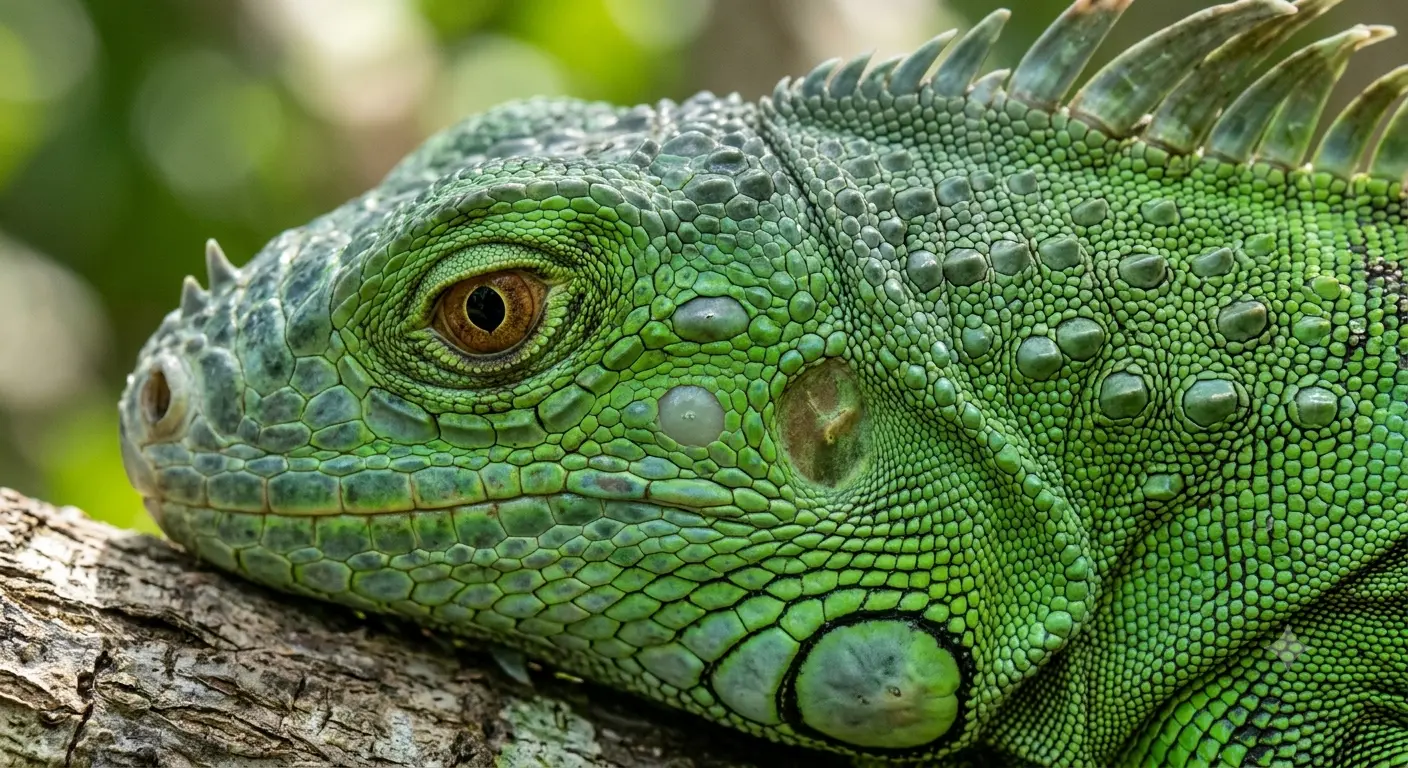
Decoding the Neuroanatomy of the Parietal Eye
To fully comprehend this structure, one must analyze the complex neuroanatomical pathways that link the dorsal surface of the skull straight to the epithalamus. The organ sits comfortably inside a small opening in the skull called the parietal foramen, located right between the two main parietal bones.
Directly underneath the skin covering this tiny opening lies a specialized cellular structure that functions remarkably like a miniature camera lens. This lens is composed of tightly packed, elongated cells that are surprisingly transparent, allowing environmental photons to pass deep into the underlying tissues.
Beneath this cellular lens sits a specialized retinal layer filled with highly sensitive photoreceptor cells that convert light energy into distinct electrical signals. These cells utilize specific photopigments, similar to the rod and cone cells found within the primary lateral vision systems of advanced vertebrates.
The neural signals generated by these photoreceptors travel directly along the parietal nerve, passing straight down into the pineal complex of the brain. This direct pathway bypasses the main visual cortex entirely, ensuring that solar data is processed independently from standard lateral sight.
The Evolutionary Timeline of the Parietal Eye
Looking back through deep biological history reveals that dorsal photoreception is not a recent specialized adaptation, but an ancient vertebrate characteristic. Paleontological discoveries show clear evidence of large cranial openings in early tetrapods, ancient specialized fish, and primitive non-mammalian synapsids.
As modern lineages began to diverge over millions of years, different groups modified or completely lost this unique central cranial feature. Mammals, birds, and the majority of advanced modern archosaurs slowly phased out the external dorsal opening as their internal brains expanded.
In modern lineages, the most complete and structurally advanced version of this organ is found within the ancient tuatara of New Zealand. This unique living fossil retains a fully developed dorsal vision system, complete with a distinct cellular lens and a well-defined nervous pathway.
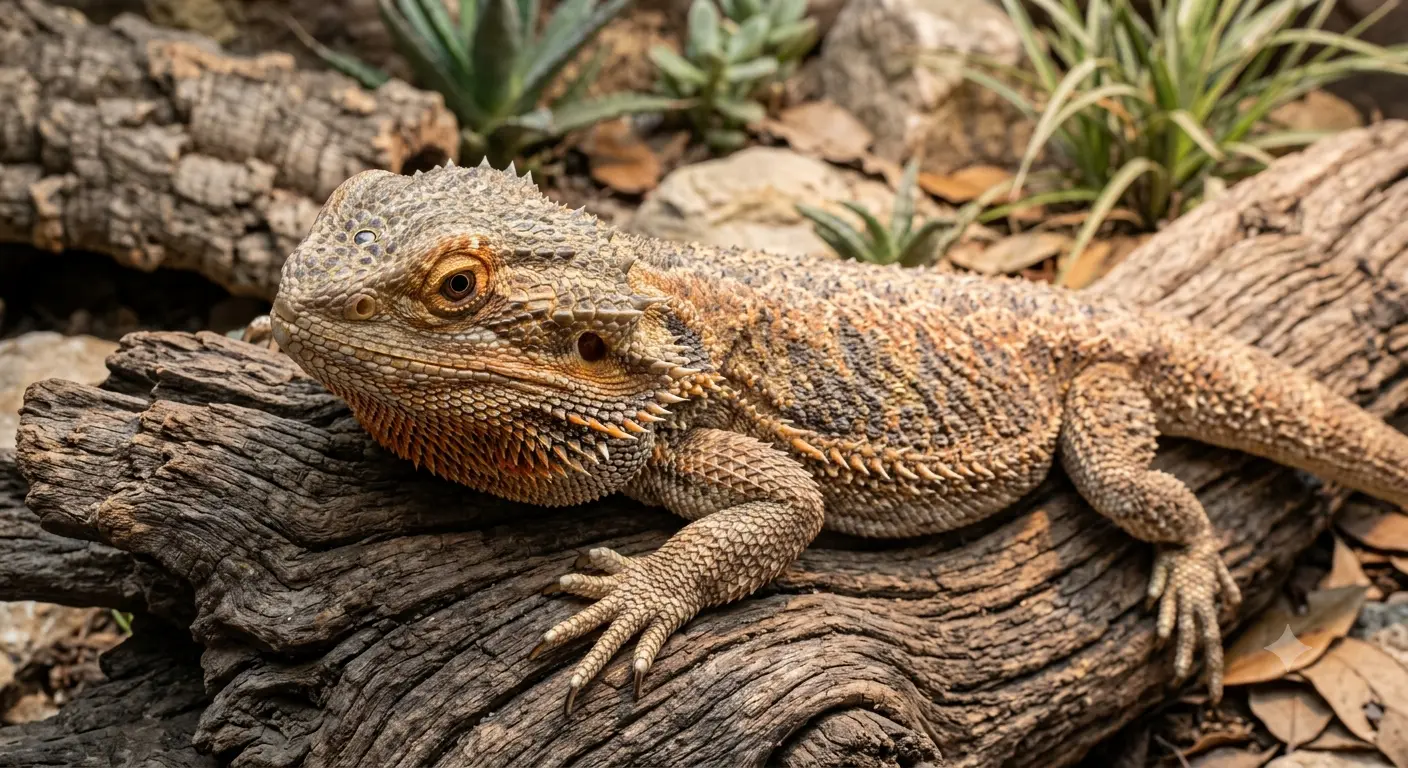
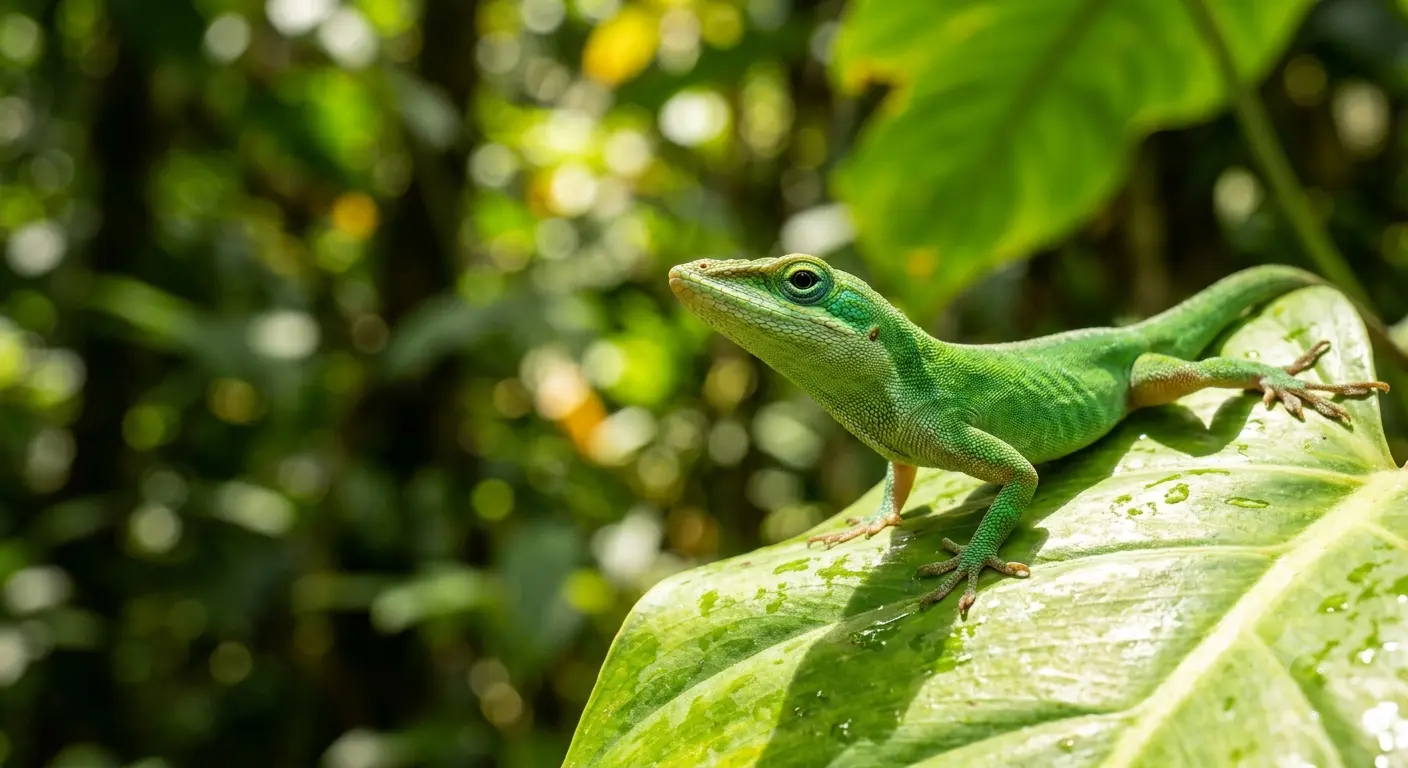
Many modern lizard families, including iguanas, anoles, and monitors, have preserved the functional parietal eye to navigate their bright, open ecological niches. Understanding these ancient systems provides deeper context when exploring the hidden bearded dragon third eye secrets that fascinate modern herpetologists.
Primary Biological Functions and Thermoregulation
The primary duty of this specialized dorsal organ is to assist ectothermic organisms with complex daily and seasonal thermoregulation processes. Because reptiles cannot generate internal metabolic body heat, they rely completely on external solar radiation to elevate their core temperature.
The parietal eye acts as a highly sensitive solar meter, calculating exactly how much ultraviolet and infrared radiation hits the skin. By monitoring these light shifts, a lizard knows precisely when to stay exposed to sunlight and when to retreat into cooler shadows.
In addition to regulating body temperature, this system controls the production of melatonin within the endocrine system. This chemical regulation dictates the sleep-wake patterns of the animal, ensuring its daily cycles match the natural day-night rhythm perfectly.
On a broader scale, tracking changes in day length allows reptiles to accurately determine shifting seasonal patterns. This internal calendar regulates critical yearly behaviors, instructing the animal exactly when to begin seasonal brumation or prepare for breeding cycles.
A Tale of Shadows: Observations from a Lifelong Herpetoculturist
It was a stifling, overcast Tuesday afternoon when a peculiar behavioral pattern caught my attention in the breeding room. For months, a spectacular male sailfin lizard named Barnaby had been exhibiting an unusual habit of frantic, erratic pacing whenever the overhead room lights cycled off. I felt incredibly defeated because every standard husbandry checklist suggested my ambient temperatures and moisture levels were absolutely flawless.
I tried adjusting the primary basking spot, thinking the thermal gradient was slightly off, but the anxious pacing only intensified. He would stubbornly press his snout against the glass, ignoring his fresh greens, completely consumed by some invisible environmental stressor. It was incredibly frustrating to watch an animal you care for display such persistent, unexplained discomfort without a clear cause.
The breakthrough happened completely by accident when I leaned over the enclosure to adjust a loose piece of driftwood. My massive shadow swept directly across the top of his skull, and he instantly went dead still, flattening his body flat against the branch. I realized the sudden transition from intense light to a sharp, moving shadow mimicked an airborne predator attacking from above.
By shifting my automated lighting tracks so they dimmed gradually rather than shutting off instantly, his pacing vanished within forty-eight hours. That frustrating experience taught me that these creatures perceive the subtle shifts in their ambient skies far more deeply than we realize.
Comparing Dorsal Photoreceptors Across Vertebrates
To better understand how these structural features are distributed across the animal kingdom, we can compare different modern vertebrate classes. The following matrix illustrates the structural variations observed in modern species today:
| Vertebrate Group | Cranial Opening Presence | Primary Structure | Main Physiological Role |
|---|---|---|---|
| Tuatara (Sphenodon) | Highly Visible | Complete lens and retinal layers | Advanced solar radiation tracking |
| Iguanian Lizards | Visible Scale/Foramen | Functional photoreceptor cell matrix | Thermoregulation and circadian control |
| Advanced Snakes | Absent | Internalized pineal structure only | Endocrine regulation via skull penetration |
| Modern Mammals | Completely Absent | Deep internal pineal gland | Melatonin secretion via lateral eyes |
Beyond thermal management, scientific studies indicate that this dorsal receptor plays a vital role in complex spatial navigation. Certain lizards utilize polarized light patterns filtered through their cranial sensor to maintain a straight path across featureless terrain.
This specialized capability functions even when heavy cloud cover completely obscures the direct view of the sun. The parietal eye analyzes the angle of polarization in the sky, creating an internal compass that guides the animal back to its home territory.
This biological mechanism is highly critical for wide-ranging species that forage across vast desert landscapes where visual landmarks are incredibly scarce. Without this dorsal data, their orientation abilities drop significantly, causing them to wander aimlessly in harsh, unforgiving environments.
According to research published by the Association of Reptilian and Amphibian Veterinarians, maintaining proper specialized lighting is vital for captive reptile health. Without appropriate full-spectrum radiation reaching the top of the head, these essential compass orientation and biochemical systems fail to work correctly.
The Impact of Captive Husbandry on Dorsal Senses
For dedicated exotic pet keepers, understanding these unique cranial attributes fundamentally shifts how we design modern, functional vivariums. Simply heating an enclosure using basic radiant heat panels or under-tank heating pads is fundamentally inadequate for these animals.
Because their bodies expect heat to arrive alongside intense light from directly above, overhead lighting must always be the primary thermal source. Artificial basking zones must combine high-output linear UVB lighting directly alongside intense, focused halogen heat lamps.
Furthermore, keepers must be highly mindful of how they interact with their pets from above the enclosure. Reaching directly down into a cage simulates the terrifying approach of a wild predatory bird, triggering an instant, stressful fight-or-flight reflex.
Approaching your animals from the side or front allows their lateral vision systems to properly identify your movements. This simple adjustment reduces daily stress levels, helping your captive reptiles thrive under your care for many years to come.
Conclusion: The Lasting Legacy of the Parietal Eye
The presence of the parietal eye serves as a living bridge to our planet’s deep evolutionary past, showcasing the elegance of ancient vertebrate design. This sensory organ reminds us that cold-blooded creatures perceive their worlds through deeply complex anatomical mechanisms that humans can scarcely imagine.
By ensuring our captive environments mimic the natural solar inputs these unique structures evolved to process, we respect the ancient biology of these animals. Investing in high-quality full-spectrum lighting and thoughtful enclosure design ensures these magnificent evolutionary wonders continue to thrive in our care.