
Why did my hedgehog poop on me? Your hedgehog likely pooped on you due to muscle relaxation from warm body heat, fear, handling stress, or a natural digestion trigger right after waking up from a nap. It is a completely normal physical reaction rather than behavioral rebellion, and simple timing adjustments can easily eliminate bonding session accidents.
Few experiences break the magic of lap time quite like feeling a sudden warm spot on your shirt. If you are asking yourself why did my hedgehog poop on me, rest assured that almost every small pet owner goes through this exact rite of passage. These shy insectivores have tiny digestive systems that work remarkably fast, making lap accidents extremely common during handling.
Understanding why your hedgehog poops on you requires looking closely at how their bodies react to temperature changes, daily routines, and handling stress. Once you recognize these physical cues, you can stop guessing, prevent hedgehog lap accidents, and transform bonding sessions into clean, stress-free bonding time.
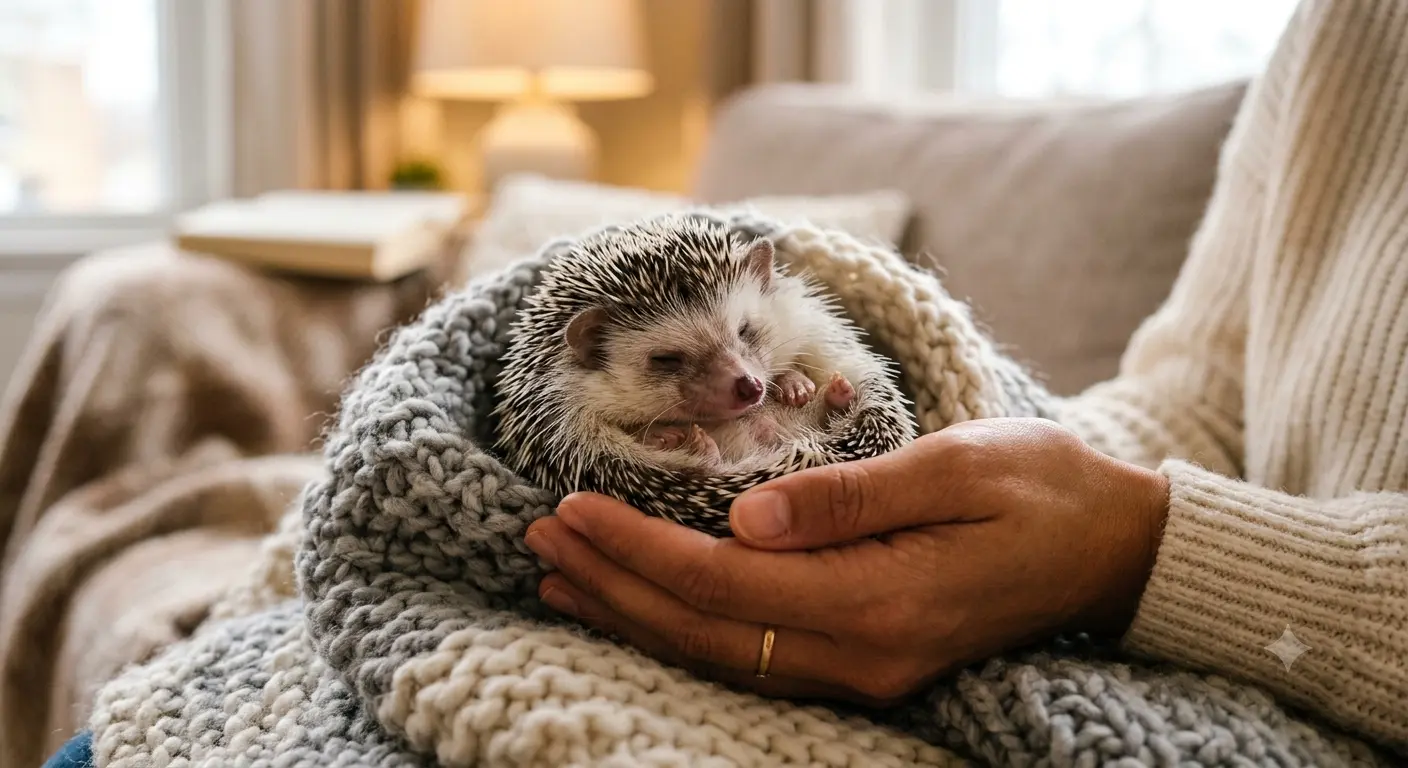
1. The Primary Reasons Why Your Hedgehog Poops on You
Hedgehogs are small prey animals with metabolic rates tuned to swift energy consumption and waste excretion. When you pick up your quill baby, several physiological triggers fire off simultaneously, resulting in messy lap incidents before you even realize what is happening.
Warm body heat is the most common physical catalyst for lap mess. When an African Pygmy hedgehog snuggle-folds into your warm lap or against your chest, the soothing thermal heat warms their core abdominal muscles. This deep physical relaxation naturally stimulates bowel motility, causing them to empty their bowels effortlessly.
Handling stress and environmental fear play an equally significant role, especially with young or newly adopted pets. If a sudden noise scares your quill pal during lap time, their nervous system dumps adrenaline, accelerating gut transit and making an accident almost instantaneous.
Waking up directly before handling is another major factor. Hedgehogs sleep up to 18 hours daily; their internal digestive tract pauses while resting and revs up the moment they stir. Scooping them out of bed immediately guarantees that fresh waste is ready to move.
2. How Digestion and Metabolism Dictate Lap Accidents
To master prevention, you must realize that hedgehogs lack the sphincteral muscle control found in domestic dogs or cats. They simply lack the anatomical capacity to “hold it” out of consideration for your clothes or furniture.
A hedgehog’s digestive pipeline processes food rapidly—often within nine to twelve hours from ingestion to elimination. High-protein insect diets and fatty treats digest quickly, creating regular fecal accumulation in the lower bowel throughout their active evening hours.
Physical movement acts as a natural mechanical stimulant for their intestinal tract. As your hedgie crawls over your arms, burrows into blankets, or explores your lap, the physical exertion manually massages their digestive organs, propelling waste outward effortlessly.
3. Proven Strategies to Prevent Hedgehog Lap Accidents
Eliminating unscheduled lap mess does not mean giving up cuddles; it simply requires smarter timing and pre-handling preparation. Implementing a few simple behavioral protocols will keep both you and your pet clean.
Give your pet a mandatory 15-minute buffer period after waking them up. Allow them to stretch, explore their enclosure, drink fresh water, and utilize their designated bathroom zone before lifting them out for snuggle sessions.
Incorporate the “Foot Bath Method” prior to extended handling sessions. Placing your hedgehog in shallow, lukewarm water (ankle-deep) for two minutes gently stimulates their lower abdomen, encouraging them to eliminate fully inside the basin instead of on your lap.
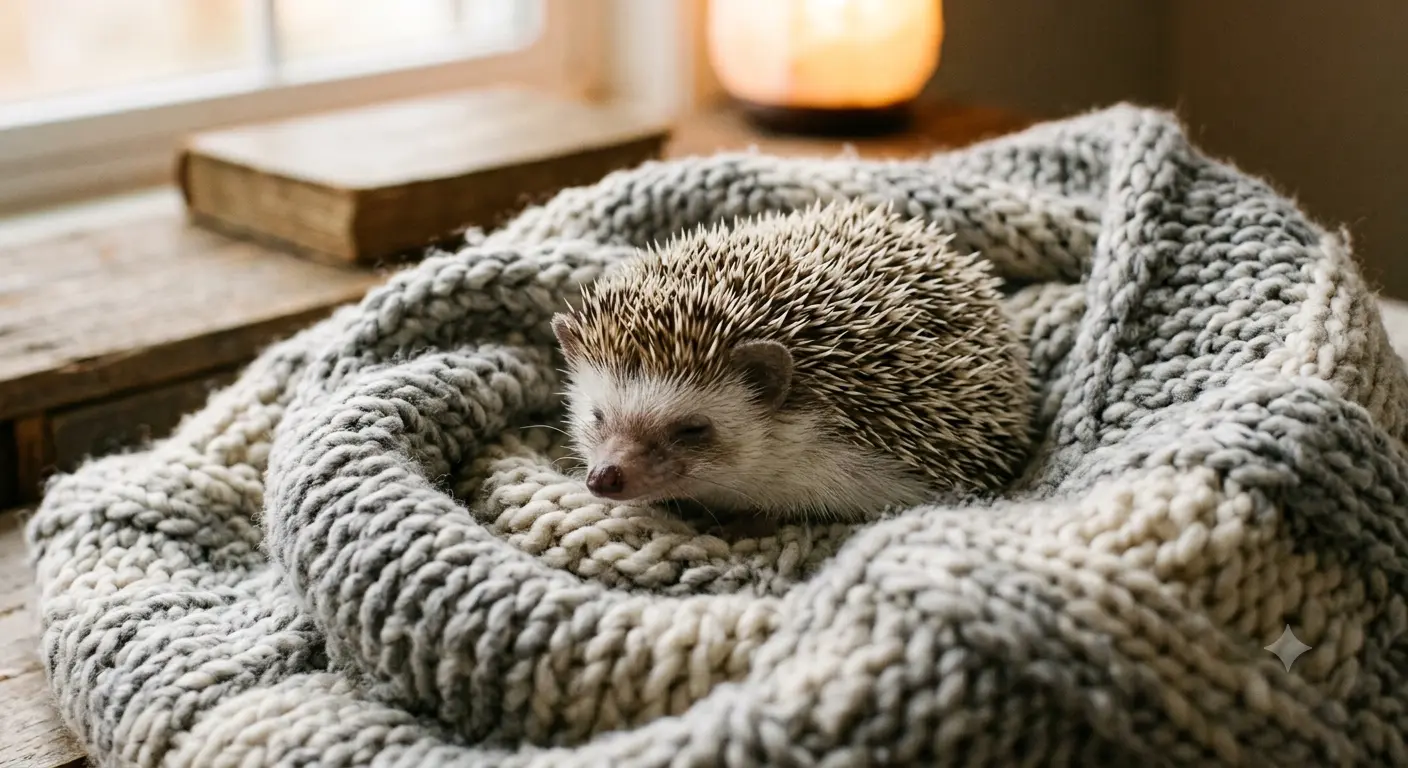
Keep a dedicated bonding pouch or heavy fleece blanket layered across your lap during cuddle hour. This protective barrier contains unexpected moisture, protects your clothing from sharp quills, and provides a cozy burrowing spot where your pet feels totally secure.
Monitor behavioral subtle warning signs closely. If your quiet, resting hedgehog suddenly becomes restless, starts pacing erratically, or backs up into a corner, place them back onto their litter pan or paper towel layer immediately.
4. Normal vs. Abnormal Waste: A Quick Health Comparison
Understanding healthy waste appearance helps distinguish simple handling accidents from underlying gastrointestinal distress. Monitoring shape, color, and consistency is vital for maintaining long-term exotic pet wellness.
Dietary changes, bacterial imbalances, or intestinal parasites like Coccidia can turn normal bowel movements into loose, greenish, or mucus-covered droppings. If your pet displays chronic diarrhea, seek guidance from a verified Association of Exotic Mammal Veterinarians (AEMV) specialist right away.
For a detailed breakdown of color variations, dietary impacts, and health red flags, review our comprehensive hedgehog poop guide to ensure your spiky friend stays healthy and thriving.
| Stool Characteristic | Healthy Bowel Movement | Unhealthy Red Flag |
|---|---|---|
| Color | Dark brown to near black | Bright green, yellow, white, or red streaks |
| Consistency | Firm, soft-cylindrical log shape | Watery, highly mucoid, or runny liquid |
| Frequency | Multiple times during active hours | Lethargy paired with zero output for 24+ hrs |
| Odor | Mild earthy smell (diet-dependent) | Foul, metallic, or pungent sour rot odor |
A Keeper’s Journal: Learning the Hard Way with Barnaby
Last autumn, I brought home a stubborn little albino boy named Barnaby. Every single evening around eight o’clock, I would reach into his habitat, scoop him up in a plush microfiber towel, and sit on the couch to watch TV. Without fail, ten minutes into our routine, I would feel that infamous damp heat spreading right across my favorite hoodie.
At first, I foolishly thought he was marking me out of spite or sheer territorial stubbornness. I tried switching snuggle blankets, using scented laundry detergents, and even holding him higher on my shoulder, but nothing worked. My frustration grew with every ruined sweater, and I genuinely questioned if we would ever bond properly.
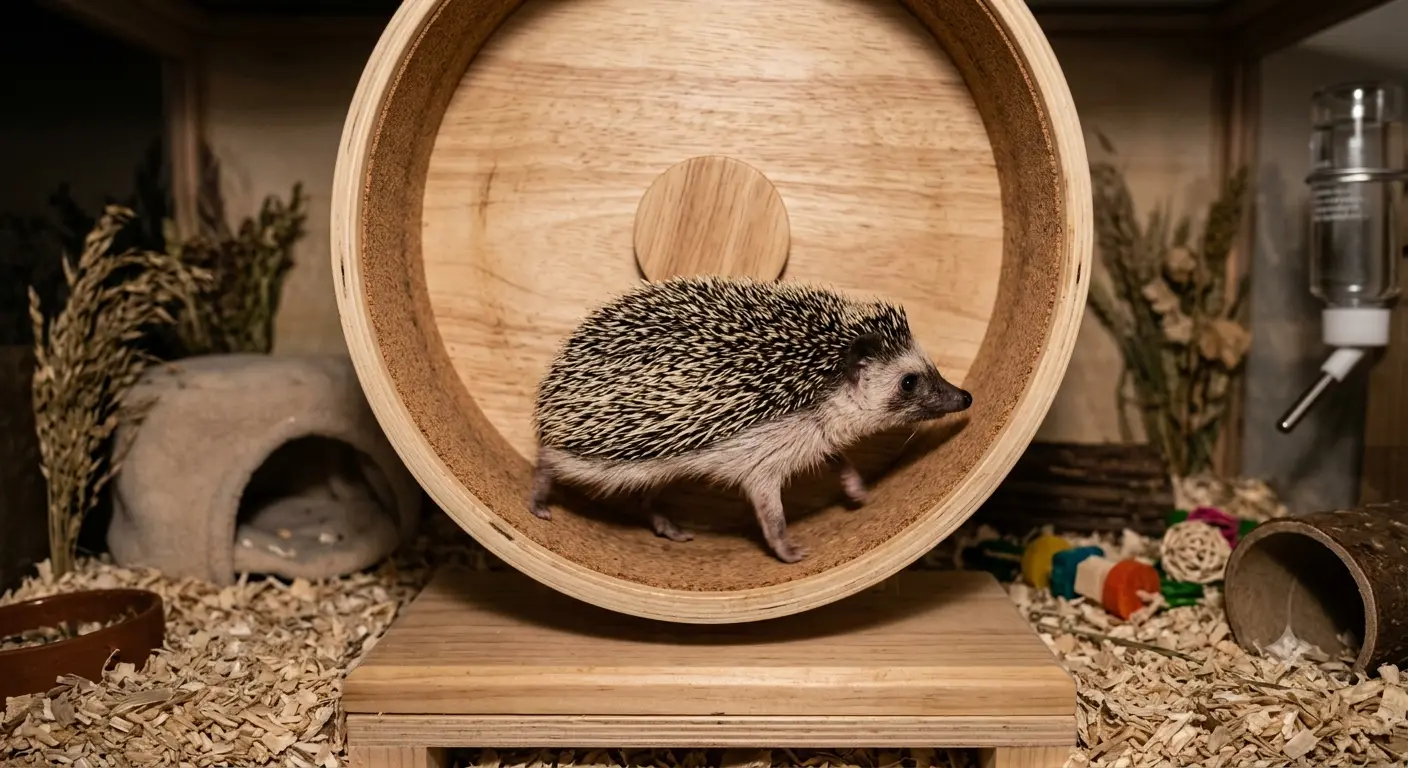
The breakthrough came purely by accident on a chilly Tuesday evening. I scooped Barnaby up, set him on his warm running wheel to clear off a stray wood shavings mess, and got distracted answering a phone call for twenty minutes. By the time I came back, he had run three miles, used his wheel corner as a toilet, and was calmly sitting in his fleece sack waiting for me. When I pulled him out onto my lap that night, he snuggled against my chest and stayed totally clean for an entire hour.
That realization changed everything for us. I realized I was snatching him out of bed while his gastrointestinal system was still firing up from sleep, expecting him to sit on a warm human furnace without consequences. From that day forward, I instituted a mandatory exercise-and-potty break before any couch snuggle session. Barnaby got his evening workout, my hoodies survived intact, and our nightly bonding time transformed from a stressful guessing game into our favorite part of the day.
5. Creating a Clean and Stress-Free Bonding Environment
Building trust with shy exotic pets requires consistency, patience, and realistic expectations. When accidents occur, reacting calmly prevents setback in your pet’s socialization progress.
Never scold, startle, or penalize your small pet for having an accident on your clothing or furniture. Negative reactions instill deep fear, causing your pet to associate your presence, hands, and voice with danger rather than safety.
Keep a dedicated cleanup kit beside your cuddle zone containing unscented baby wipes, pet-safe enzymatic cleaner, and fresh paper towels. Quick, quiet cleanups minimize disruption and keep the environment relaxed for everyone involved.
Gradually extend your lap time as you learn your individual animal’s natural elimination schedule. Starting with brief ten-minute sessions directly after toilet breaks builds a solid foundation of clean, enjoyable interactions over time.
Remember that asking why did my hedgehog poop on me is simply the first step in understanding your pet’s biology. With appropriate timing, pre-handling routines, and protective fleece layers, you can enjoy mess-free snuggles every night.
Frequently Asked Questions (FAQs)
A: No, it is rarely aggressive. While intense fear can trigger immediate bowel evacuation as a natural defense mechanism, most lap accidents stem from muscular relaxation brought on by your body warmth or simple digestive timing after waking up.
A: Hedgehogs cannot be 100% housebroken like dogs or cats due to their physiological brain structure. However, you can train them to use a specific litter tray inside their cage, which drastically lowers lap accidents when paired with good timing.
A: Digestion in small insectivores is rapid. Waste processing typically peaks between 1 and 3 hours after a meal, especially once physical activity like wheel-running begins.
A: Like many exotic pets, hedgehogs can carry Salmonella bacteria naturally in their digestive tracts without showing symptoms. Always wash your hands thoroughly with antibacterial soap after handling your pet, cleaning lap accidents, or washing fleece bedding.