
Can Bearded Dragons Eat Strawberry Leaves? Yes, bearded dragons can eat strawberry leaves safely as an occasional treat, as they are non-toxic and provide beneficial dietary fiber, vitamins, and minerals. However, because these green tops contain moderate levels of calcium-binding oxalates, they should never become a main staple food in your reptile’s daily diet.
Picture this: you are preparing a fresh salad bowl for your scaly companion, chopping up crisp greens, when you spot a cluster of vibrant strawberry leaves. It is completely natural to wonder if these green tops could serve as a nutritious, colorful addition to your pet’s daily reptile charcuterie board.
Understanding the exact nutritional breakdown of these garden greens is crucial for any dedicated reptile owner looking to optimize their pet’s long-term health. Let us dive deep into the specific dietary benefits, potential health risks, and safe preparation methods for feeding these berries tops to your lizard.
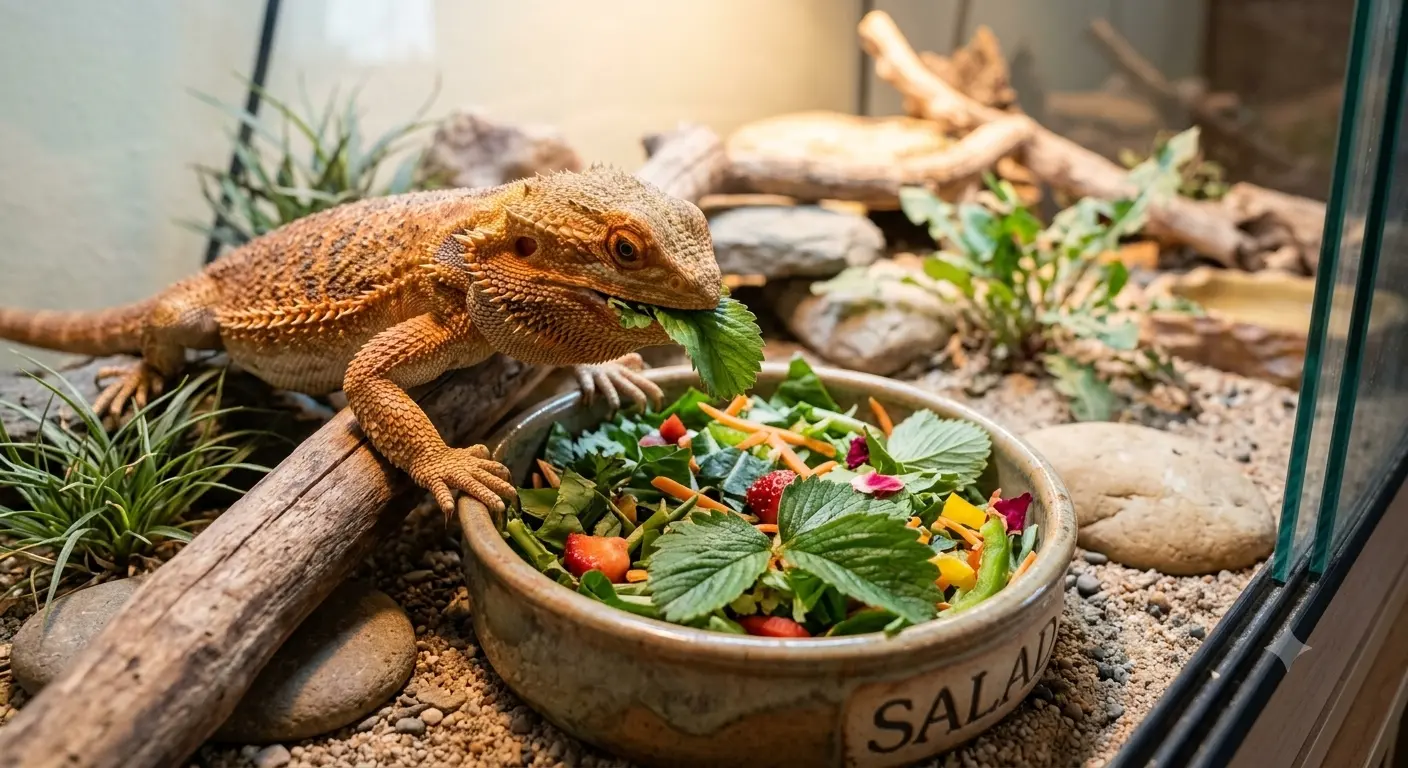
Nutritional Value of Strawberry Leaves for Reptiles
When analyzing wild foraging habits, these desert lizards naturally consume a wide variety of leaves, flowers, and seasonal vegetation. Garden berry greens offer a unique nutritional profile that can help diversify the micro-nutrients found in your exotic pet’s weekly food rotation.
These specific leaves contain notable amounts of Vitamin C, iron, and structural antioxidants that support a robust immune system and cellular repair. Furthermore, the natural dietary fiber content found in the fibrous veins of the leaf helps promote healthy gut motility and smooth digestion.
However, before tossing an entire handful of fresh garden trimmings into the enclosure, you must evaluate the micro-nutrient ratios carefully. The balance between calcium and phosphorus, alongside the presence of anti-nutritional factors like plant oxalates, dictates exactly how often a reptile can safely ingest them.
While the leaves are undeniably rich in moisture and trace minerals, they lack the dense nutritional concentration found in primary staple greens. Therefore, viewing them as a supplemental garnish rather than a structural base for salads ensures your pet reaps the benefits without experiencing digestive imbalances.
Can Bearded Dragons Eat Strawberry Leaves Safely? The Risks
The primary concern regarding why reptiles cannot consume unlimited quantities of strawberry foliage revolves directly around the presence of organic oxalates. Oxalates are naturally occurring compounds in many plants that actively bind to dietary calcium within the digestive tract, preventing normal absorption.
If a captive lizard consumes high-oxalate plants on a regular basis, it can lead to chronic calcium deficiencies over time. This nutritional imbalance is the direct root cause of Metabolic Bone Disease (MBD), a painful and preventable condition causing bone softening, tremors, and skeletal deformities.
Another major hidden danger facing indoor reptiles is the potential exposure to systemic chemical pesticides, synthetic fertilizers, or commercial surface insecticides. Strawberry crops are notorious for being heavily treated with agricultural chemicals, which can easily linger on the porous surface of the leaves.
Additionally, the relatively high moisture content present in young, tender strawberry shoots can occasionally disrupt the delicate balance of the reptile’s gut microbiome. Introducing a sudden abundance of water-heavy foliage can cause loose stools, mild diarrhea, and subsequent hydration issues if left unchecked.
How Oxalates and Tannins Impact Reptile Digestion
Beyond the well-known threat of oxalates, strawberry foliage contains natural compounds called tannins, which give the leaves their distinctly bitter, astringent taste profile. In the wild, plants utilize these specific chemical compounds as an evolutionary defense mechanism to deter browsing herbivores from eating them.
In a captive terrarium environment, excessive ingestion of plant tannins can irritate the sensitive mucosal lining of your lizard’s stomach. This mild gastric irritation can result in a sudden loss of appetite, lethargy, or a temporary refusal to eat regular greens altogether.
To safely navigate these organic compounds, herpetologists recommend adhering to strict portion control and limiting these specific berry tops to an occasional snack. Mixing a single chopped leaf into a diverse bowl of low-oxalate greens allows your pet to experience varied flavors safely.
Maintaining a balanced calcium-to-phosphorus ratio is another vital pillar of reptile husbandry that requires constant monitoring. Ideally, a lizard’s diet should maintain a 2:1 calcium-to-phosphorus ratio to facilitate optimal bone development and metabolic regulation throughout their life stages.
| Green Leaf Variety | Oxalate Level | Nutritional Role | Recommended Frequency |
|---|---|---|---|
| Collard Greens | Low | Excellent Source of Calcium | Daily Staple Base |
| Mustard Greens | Low to Moderate | Rich in Vitamins A & C | Daily Staple Base |
| Strawberry Leaves | Moderate | Fiber & Micronutrient Variety | Occasional Treat (1-2x a week) |
| Spinach | Extremely High | Binds Essential Calcium | Avoid Completely |
A Keeper’s Tale: Lessons Learned on the Salad Trail
Three years ago, my handsome male lizard, Darwin, completely stopped touching his morning salads. It was incredibly stressful. Day after day, I would meticulously craft these gorgeous bowls of fresh greens, only to watch them wither away under the hot basking light while he stared blankly from his branch.
Out of sheer desperation, I decided to try adding a splash of bright color to his food dish to grab his attention. I bought a organic plant from a local nursery, carefully plucked a few small, tender green tops, washed them thoroughly, and scattered the shredded bits across his dish. Darwin bolted down his rock, sprinted straight to the bowl, and devoured every single bit of the new foliage with pure enthusiasm.
Thinking I had discovered a magical secret weapon to solve his picky eating habits, I foolishly started mixing a large handful of those garden tops into his food bowl every single morning. It seemed like a perfect victory until about three weeks later when I noticed his bowel movements becoming increasingly loose, runny, and watery. He started acting slightly sluggish, spending far too much time hiding away on the cool side of the terrarium instead of actively soaking up heat under his lamp.
That scary scare taught me a valuable lesson about moderation and variety. I immediately pulled those specific garden trimmings out of his regular rotation, went back to basics, and slowly rebuilt his gut health using a stable foundation of hearty, reliable greens. Now, those wild treats are kept strictly as a special weekly bonus, and Darwin has remained completely healthy, alert, and active ever since.
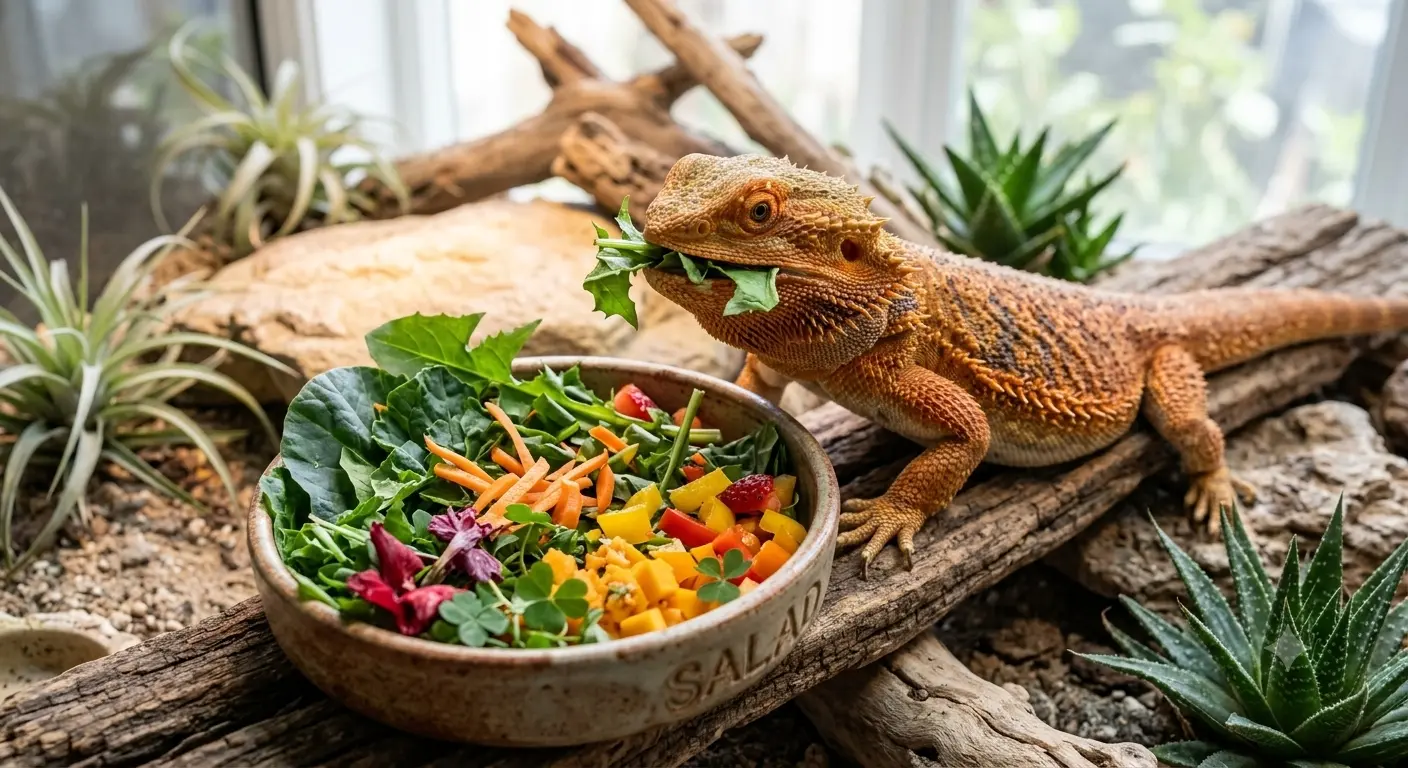
Step-by-Step Guide to Preparing Strawberry Leaves
If you want to introduce these flavorful garden greens to your pet, following a rigorous preparation protocol is essential to eliminate health risks. By taking the time to sanitize and process the foliage correctly, you can provide a fun enrichment snack without exposing your reptile to hidden dangers.
The entire process takes only a few minutes but makes a massive difference in preserving your pet’s long-term wellness. Follow these essential steps for a safe feeding experience:
- Source Safely: Select pristine, fresh leaves from an organic backyard garden or a certified organic plant source that has never been exposed to chemical sprays.
- Wash Thoroughly: Submerge the harvested foliage in a cold water bath, gently rubbing the textured surfaces to wash away dirt, wild debris, or tiny garden insects.
- Dry Completely: Pat the clean leaves dry using a fresh paper towel to remove excess surface moisture that could potentially cause loose stools.
- Remove Tough Stems: Carefully slice away the thick, woody central stem and any sharp, fibrous leaf stalks, as these can pose a distinct choking hazard.
- Chop and Mingle: Finely shred the soft green leaf blades into bite-sized pieces and scatter them lightly over a reliable staple base like mustard greens.
For more detailed insights on feeding the actual sweet fruits that accompany these greens, check out our comprehensive guide on how bearded dragons eat strawberries to build a perfectly balanced nutritional strategy.
How Often Can Bearded Dragons Eat Strawberry Leaves?
Moderation is the gold standard when determining the feeding frequency of any food item containing moderate levels of plant oxalates. As a professional rule of thumb, you can safely offer shredded berry foliage to an adult lizard roughly once or twice a week as a supplemental garnish.
The ideal portion size should never exceed the physical size of your reptile’s head when finely chopped. For younger, rapidly growing juveniles, it is generally safest to limit these treats even further, as their developing skeletal structures require a highly precise calcium-to-phosphorus ratio.
Always closely monitor your pet’s post-feeding physical reactions whenever you introduce a novel vegetable or plant species to their diet. If you ever notice signs of lethargy, changes in stool consistency, or an upset stomach, remove the new ingredient immediately and consult a qualified exotic veterinarian.
For reputable, expert-backed guidance on designing comprehensive dietary regimes and managing advanced reptile care, you can explore the official educational resources provided directly by the Association of Reptilian and Amphibian Veterinarians (ARAV).
Frequently Asked Questions About Feeding Strawberry Greens
Can bearded dragons eat strawberry leaves every single day?
No, they should never eat them daily because the moderate oxalate levels can bind dietary calcium over time, potentially increasing the long-term risk of metabolic complications.
Are the wild strawberry leaves found in my backyard safe to feed?
Wild leaves are only safe if you can guarantee with absolute certainty that the area has never been treated with weed killers, fertilizers, or pesticides, and is free from animal waste.
What should I do if my lizard accidentally eats too many leaves?
Do not panic. A single large feeding is unlikely to cause severe damage. Simply withhold high-oxalate foods for the next few weeks and ensure they receive proper calcium dusting on their regular staple salads.
Can baby lizards safely consume these berry tops?
It is best to avoid feeding them to babies, as growing juveniles have incredibly strict nutritional demands for bone development, making any high-oxalate treat risky.
Summary: Finding the Perfect Green Balance
In conclusion, when looking closely at the question, can bearded dragons eat strawberry leaves, the answer is a clear yes, provided they are treated as a special snack rather than a daily food source. These vibrant greens offer wonderful sensory enrichment and useful micro-nutrients when managed with proper care.
By sourcing strictly organic foliage, washing away hidden contaminants, and mixing them sparingly into a solid foundation of safe staple greens, you can diversify your pet’s menu securely. Prioritizing dietary variety and mindful moderation is the ultimate key to keeping your scaly companion thriving for many years to come.