
Watching your tiny, prehistoric-looking reptile explore their terrarium is an absolute joy, especially when it comes to introducing new treats. Many owners ask: Can Baby Bearded Dragons Eat Strawberries safely without risking long-term health complications?
Yes, baby bearded dragons can eat strawberries, but only as a rare treat limited to one finely chopped piece once or twice a month. Because their growing bodies demand a diet heavily focused on live insects and calcium-rich greens, the high sugar and phosphorus levels in sweet fruits can easily disrupt their development if overfed.
Navigating the nutritional boundaries of juvenile reptiles is crucial for long-term health, and understanding the proper preparation method ensures your pet thrives without sudden digestive complications.
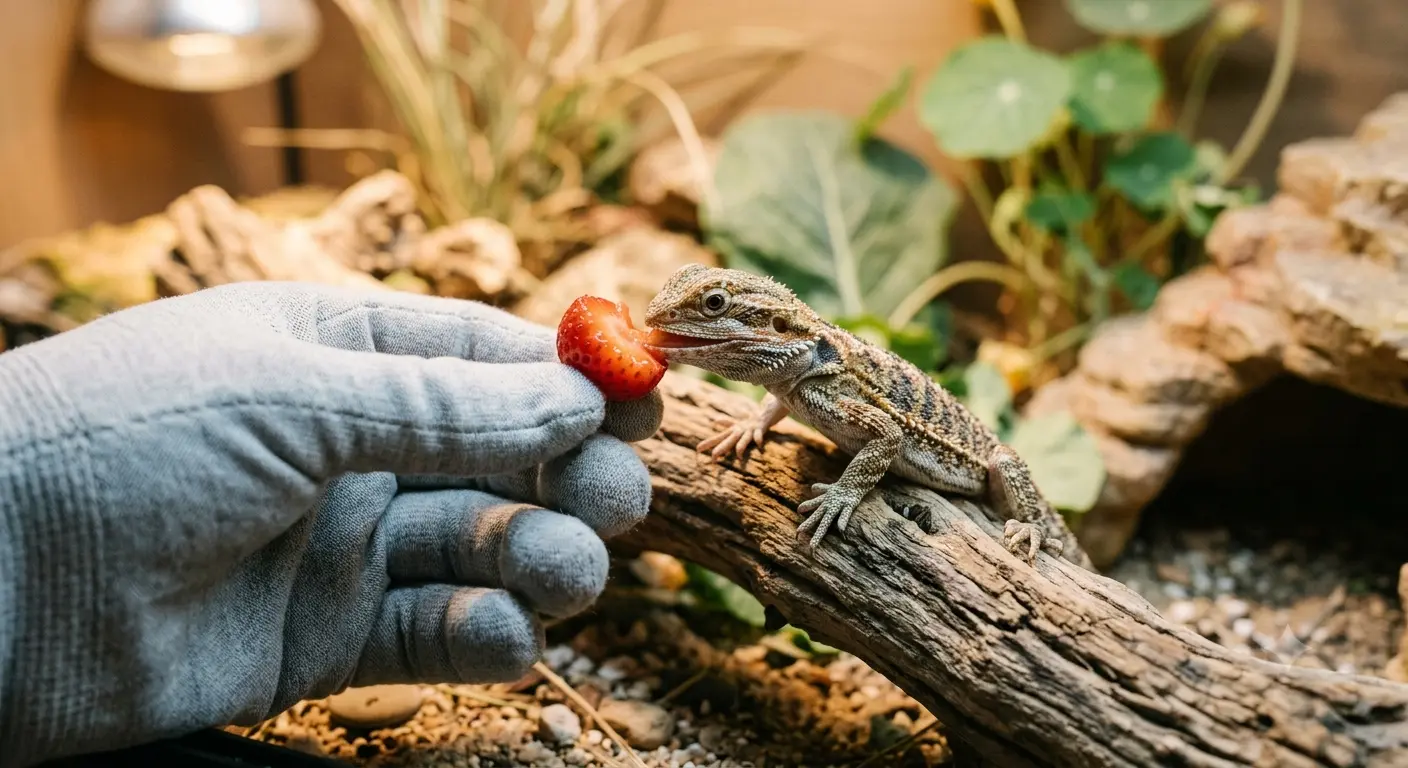
Nutritional Breakdown: What Strawberries Offer to Juveniles
Strawberries possess several essential vitamins that support general wellness in small reptiles, provided they are offered in strictly regulated amounts. They are an excellent source of vitamin C, which aids immune function, tissue repair, and overall cellular health during rapid juvenile growth phases.
Furthermore, these berries provide necessary hydration due to their high water percentage, alongside beneficial dietary fiber that can assist with smooth bowel movements. They also contain vital antioxidants and manganese, which actively assist in proper metabolic processes and bone structure maintenance.
However, despite these apparent advantages, the internal composition of soft berries introduces distinct physiological hazards that every reptile keeper must constantly balance against potential benefits before feeding.
The Hidden Risks of High Sugar and Water Content
The primary concern with offering sweet fruits to young lizards revolves around simple carbohydrates, which their primitive digestive tracts are fundamentally unequipped to process in massive volumes. Excessive fructose intake alters the delicate balance of their gut microbiome, rapidly leading to severe diarrhea, painful bloating, and dangerous systemic dehydration.
Chronic consumption of sugary treats can trigger severe tooth decay, a condition that is exceptionally tricky to manage in small lizards. More alarmingly, frequent sugar spikes contribute heavily to premature hepatic lipidosis, commonly known as fatty liver disease, which severely compromises longevity.
For an optimal dietary blueprint, consult the comprehensive Association of Reptile and Amphibian Veterinarians (ARAV) guidelines to safely structure your juvenile lizard’s nutritional milestones.
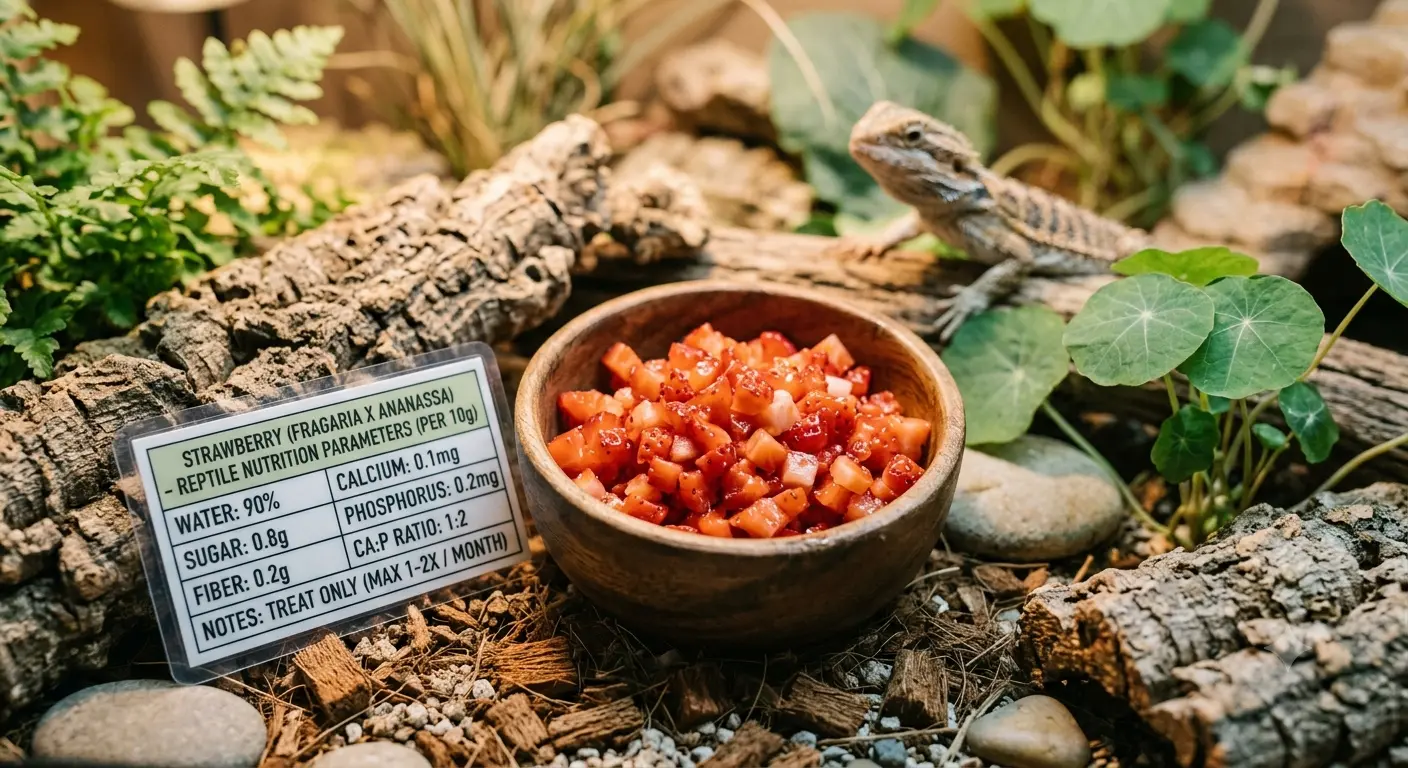
Can Baby Bearded Dragons Eat Strawberries Frequently? The Calcium-to-Phosphorus Dilemma
When analyzing reptile nutrition, the relationship between calcium and phosphorus represents the absolute baseline of skeletal development. Growing lizards require a strict dietary ratio of 2:1 calcium to phosphorus to enable successful bone mineralization and prevent metabolic bone disease.
Strawberries present a highly unfavorable inverse ratio, containing substantially more phosphorus than calcium, which directly interferes with how their small bodies absorb essential nutrients. When phosphorus enters the bloodstream in excess, it binds with available calcium, forming insoluble compounds that strip vital minerals directly from the bones.
Over time, this continuous depletion manifests as soft jawbones, severely stunted growth, easily fractured limbs, and irreversible systemic tremors. Therefore, strict portion control is not merely a recommendation; it remains a fundamental safety barrier against skeletal degradation.
How Fruits Compare to Essential Reptile Staples
To fully grasp where soft berries fit into a balanced regimen, it helps to analyze their core properties against essential daily greens and safe insect varieties. This comparison underscores why sugary fruits must remain a minimal luxury rather than a dietary foundation.
| Food Item | Nutritional Role | Ca:P Ratio | Feeding Frequency |
|---|---|---|---|
| Dubia Roaches | Primary Protein & Growth Support | ~1:3 (Requires Dusting) | Daily (Multiple Times) |
| Collard Greens | Essential Daily Fiber & Calcium | 2:1 (Excellent) | Daily Staple |
| Mustard Greens | Vitamins A, C, and K Source | 2.4:1 (Ideal) | Daily Staple |
| Strawberries | Hydration & Vitamin Treat | 1:1.5 (Poor) | 1-2 Times Per Month Max |
As illustrated, foundational staples like collard greens possess the necessary mineral attributes required daily. Soft fruits fall incredibly short of these baseline requirements, confirming their status as occasional additions.
A Real Breeding Lesson: Surviving the Juvenile Slump
Two years ago, a tiny hatchling named Ziggy arrived at my facility, showing an incredibly stubborn aversion to greens. Every morning turned into a battle as he ignored his fresh turnip tops, leaving me frustrated while he stared blankly at his bowl. Out of sheer desperation, I decided to mash up a small piece of organic red berry and smear it entirely over the leaves, hoping the bright color would trigger his natural predatory instinct.
The strategy backfired completely when he skillfully licked the sweet red paste off, completely ignoring the underlying vegetation. Within forty-eight hours, his bowel movements turned into a watery, foul-smelling mess that left his vent completely soiled and raw. I panicked, thinking he had contracted a severe parasitic infection, and immediately rushed to adjust his enclosure parameters while soaking him in warm water.
The solution came when I completely removed all sweet items, substituted the moist greens with dry alfalfa powder, and introduced micro-dubia roaches lightly dusted with pure calcium carbonate. It took a week of anxious monitoring, but his stools finally hardened up perfectly, teaching me that young digestive systems tolerate zero shortcuts when it comes to sugar exposure.
Step-by-Step Guide to Safe Preparation and Serving
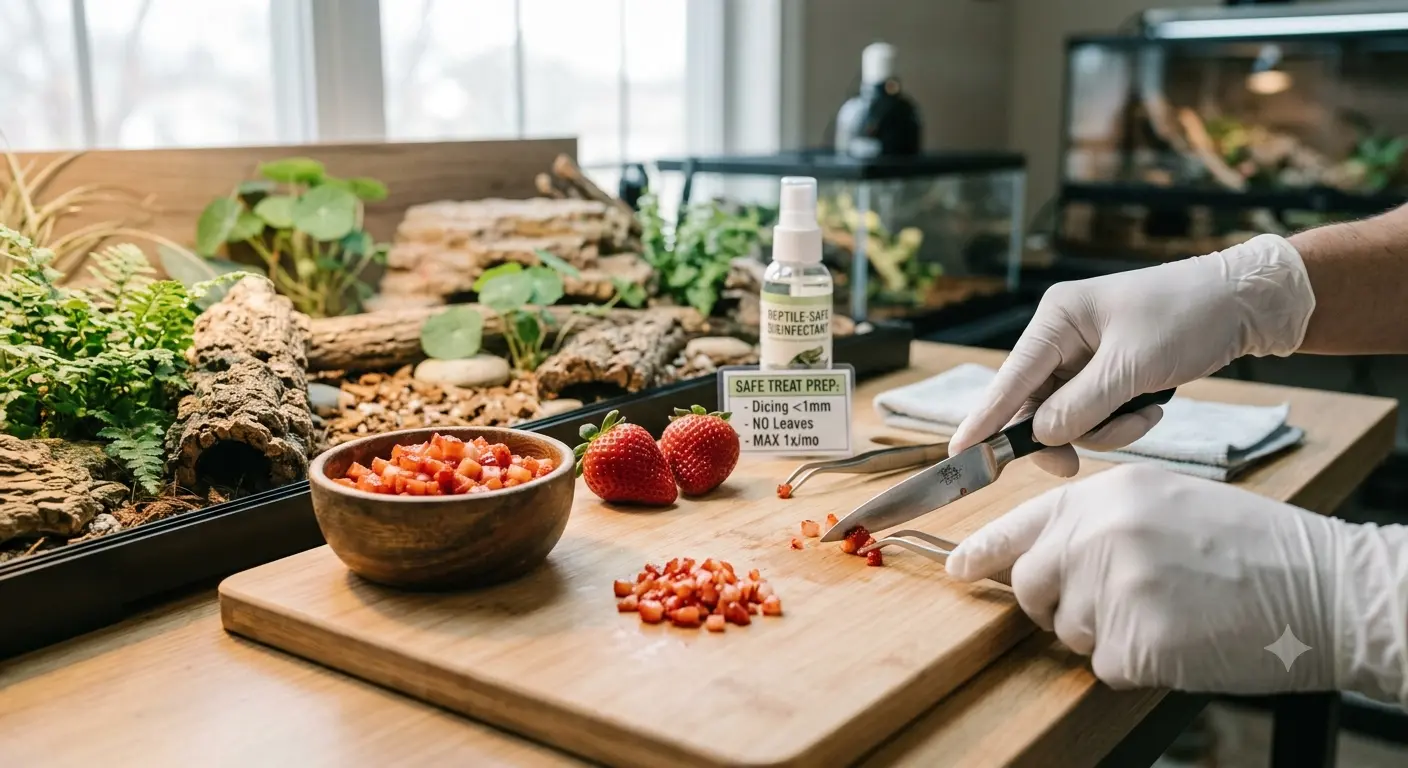
If you decide to offer a tiny taste to your growing lizard, meticulous preparation is non-negotiable to prevent physical choking hazards or chemical exposure. Follow these exact steps to ensure a completely safe feeding experience.
First, source certified organic produce whenever possible to entirely eliminate the risk of systemic pesticide contamination. Thoroughly wash the fruit under cold running water, scrubbing the bumpy exterior skin gently to remove any lingering debris or residues.
Next, completely slice away the green leafy top, known as the calyx, along with the tough white core tissue. While the green leaves are technically non-toxic, they carry a high concentration of oxalates, which further inhibit vital mineral absorption.
Finally, utilize a sterile blade to dice the remaining red flesh into micro-pieces no larger than the precise space between your lizard’s eyes. Mix this tiny portion directly into their standard daily salad to encourage them to consume their healthy vegetables simultaneously.
Signs of Berry Overfeeding and Toxicity
Recognizing the immediate physical warning signs of sugar overload or digestive distress allows you to intervene before serious metabolic damage occurs. The most immediate indicator is a sudden change in stool consistency, moving from well-formed pellets to loose, watery, or unusually smelly discharges.
You might also observe your pet becoming distinctly lethargic, refusing their daily insects, or displaying a bloated, firm abdomen. In severe cases of mineral imbalance, subtle muscle twitching around the toes or a noticeably flexible lower jaw indicates an urgent nutritional emergency.
If any of these alarming indicators persist for more than twenty-four hours, immediately remove all fruit items from the enclosure and seek guidance from a qualified exotics veterinarian.
Safer Alternative Treats for Growing Lizards
For those looking to diversify their reptile’s menu without introducing dangerous sugar loads, several alternative fruits offer a safer nutrient profile. Mineral-rich choices like fresh papaya or butternut squash provide excellent structural benefits without the heavy digestive risks.
Blueberries, raspberries, and small pieces of peeled cucumber can also be introduced intermittently to safely stimulate curiosity. Always ensure these alternatives are chopped with the same precision, keeping portions minimal to avoid displacing essential insect proteins.
To deepen your understanding of safe fruit feeding practices for older individuals, explore our complete guide on how bearded dragons eat strawberries to build a lifelong nutritional strategy.
Summary of Key Feeding Rules
Managing a juvenile reptile demands continuous discipline, balancing short-term enjoyment against long-term skeletal development. So while the answer to can baby bearded dragons eat strawberries is technically positive, strict adherence to portion sizes, avoiding chemical contaminants, and prioritizing live prey guarantees your companion a healthy path to adulthood.
“A baby lizard’s health is entirely forged by the daily discipline of their keeper; keeping sugar low today ensures strong bones tomorrow.”