
Are axolotls poisonous to touch? No, axolotls are not poisonous or venomous to humans when touched, meaning physical contact will not transfer toxins into your bloodstream. However, touching them is deeply harmful to their health because human skin oils, soaps, and friction strip away their protective mucous coating.
Few aquatic creatures capture the imagination quite like the Mexican walking fish. With their feathery external gills and permanent smiling expressions, these neotenic salamanders look like real-life mythical pets. It is completely natural to wonder about physical interaction when you bring one home.
Understanding their unique biology prevents accidental injury to your pet. While they pose virtually zero chemical threat to you, physical contact remains one of the greatest hazards you can introduce to their environment. Let us explore the science behind their skin barrier and safe interaction methods.
Understanding Axolotl Skin Biology and Mucous Coats
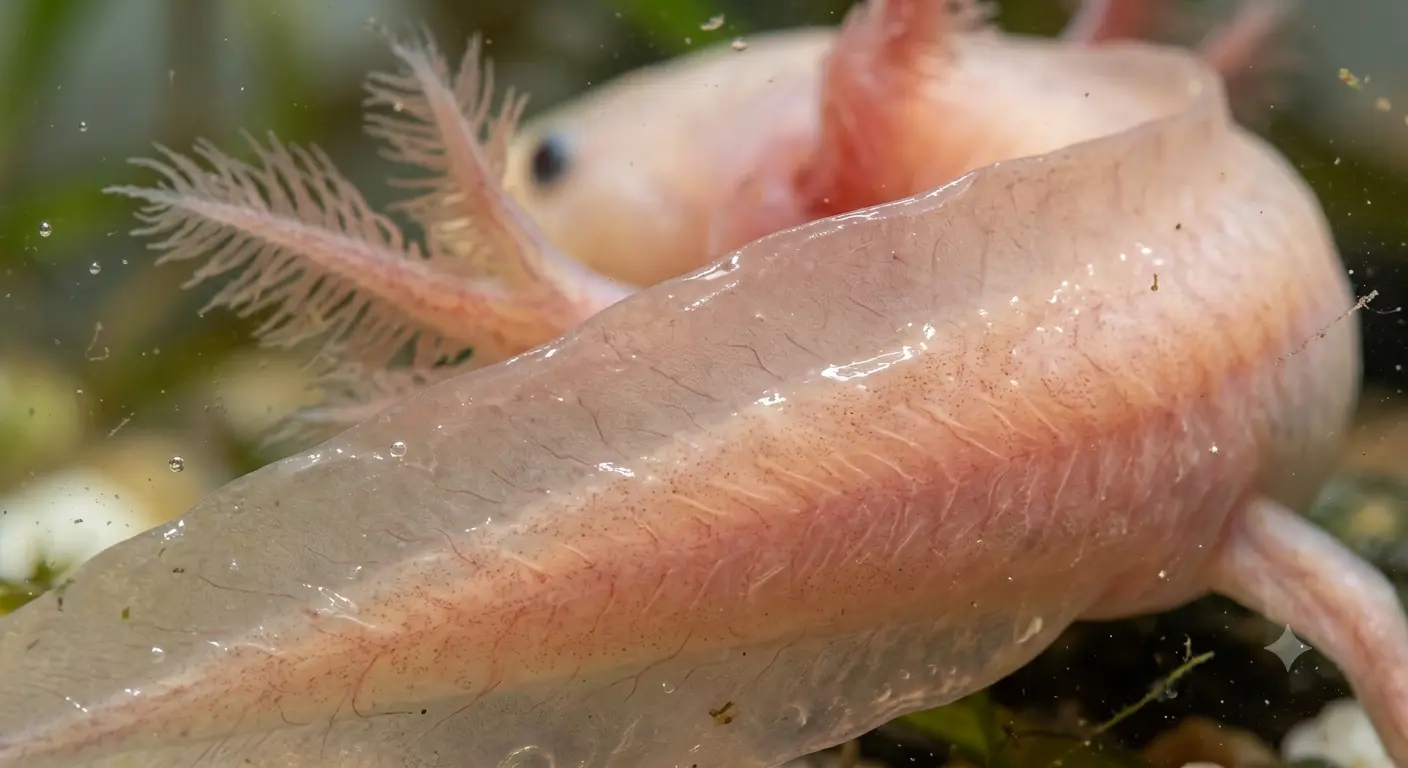
To understand why physical interaction is risky, you must look closely at amphibian anatomy. Unlike reptiles with tough scales, these salamanders possess highly permeable skin. This specialized membrane absorbs oxygen, hydration, and essential electrolytes directly from the surrounding water.
To protect this delicate organ, they secrete a subtle layer known as the slime coat or mucous layer. This biological barrier acts as a shield against bacterial infections, fungal spores, and environmental pathogens. Stripping this layer leaves your aquatic pet extremely vulnerable to severe systemic illness.
Human hands carry naturally occurring oils, sweat, microscopic salt crystals, and chemical residues from soap or lotion. When you handle an aquatic salamander, friction strips off their slime coat. Consequently, questioning whether are axolotls poisonous to touch usually shifts from human safety to amphibian protection.
Toxicity vs. Vulnerability: The Real Risks Exposed
It is helpful to clarify medical terminology when evaluating amphibian safety. Poisonous organisms inflict harm when ingested or absorbed, whereas venomous creatures inject toxins via fangs, spines, or stingers. These aquatic salamanders possess neither venom glands nor systemic toxins dangerous to humans.
Although they produce small amounts of natural secretions typical of salamanders, these chemicals do not harm human skin. You will not experience chemical burns, rashes, or systemic poisoning from momentary contact. Therefore, the common concern over whether are axolotls poisonous to touch is biologically unfounded for human handlers.
Instead, the true peril travels in the opposite direction. Your hands introduce external bacteria like Pseudomonas or Aeromonas directly onto their sensitive skin. What feels like a gentle caress to you translates to microscopic abrasive wear for their fragile body layer.
Zoonotic Bacteria and Human Hygiene Factors
While toxins are not an issue, biological contaminants certainly are. Like nearly all freshwater pets, these creatures host intestinal flora that includes Salmonella bacteria. These microscopic organisms reside harmlessly within the animal’s digestive tract but can cause human gastrointestinal distress.
If you touch your pet or dip your hands into tank water, bacteria easily transfer to your skin. Failing to wash thoroughly afterward introduces these micro-organisms to food or face areas. Practice diligent hand hygiene before and after maintaining any aquarium equipment.
Furthermore, hand sanitizers and chemical cleansers pose a massive hazard. Residues left on your fingers dissolve rapidly in aquarium water, causing acute chemical irritation to feathery gills. Always rinse your hands thoroughly with warm water before doing necessary tank work.
The Impact of Stress and Mechanical Trauma
Beyond skin damage, physical lifting causes intense psychological stress. These animals evolved for a buoyant, fully submerged existence. Lifting them into the air subjects their soft skeletal frame to unaccustomed gravitational pressure, causing disorientation and panic.
When thrashing around in fear, their fragile gill filaments can tear easily against container walls. Their tiny digits and toes are also susceptible to fractures if caught on dry surfaces. Chronic stress directly suppresses their immune response, leaving them susceptible to opportunistic fungus.
Preventing physical stress is just as crucial as controlling water parameters. If you are ever worried about broader safety factors regarding these creatures, reviewing whether axolotls are dangerous pets overall can help put potential risks into proper context.
A Keeper’s Journey: Realities of Tank Maintenance
Last autumn, during a routine water change, my leucistic companion Milo suddenly bolted toward the siphon hose. In a sudden panic to prevent him from getting hurt, I reached into the cold water without thinking and caught him against the glass. He thrashed violently for two seconds, slipping straight through my fingers like a wet piece of velvet.
The next morning, I noticed white, fuzzy patches flaking along his left flank where my palm had rubbed him. I was horrified. My immediate instinct was to add salt baths, but that aggressive treatment only agitated his stress gills further. The tank temperature spiked slightly, making his skin slough off even faster.
After days of frustration and careful monitoring, I stopped over-correcting. I lowered the water temperature to 16°C, turned off the tank lights, and left him completely alone in tea-stained Indian almond leaf water. Slowly, over three long weeks, his natural protective coat healed itself naturally without further human interference.
Safe Handling Protocols for Essential Tank Transfers
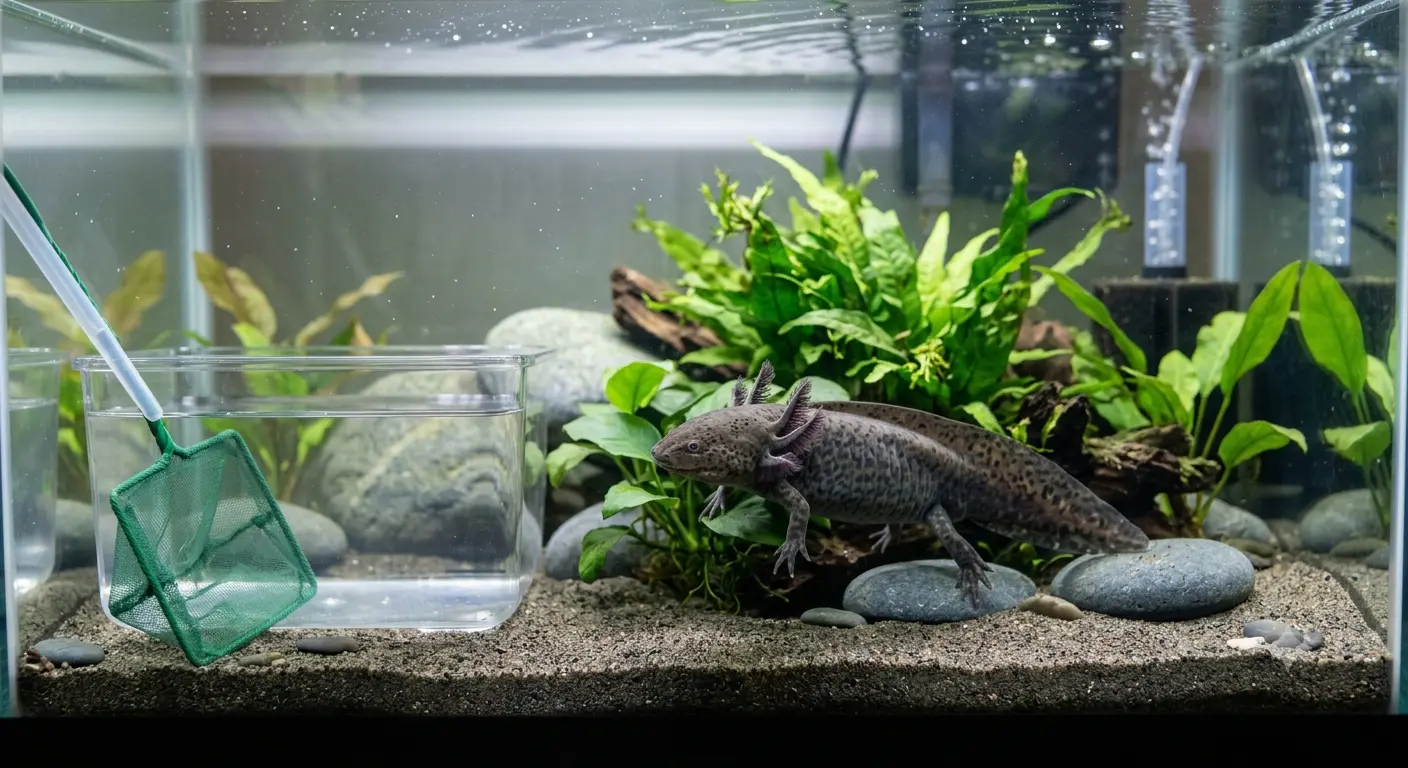
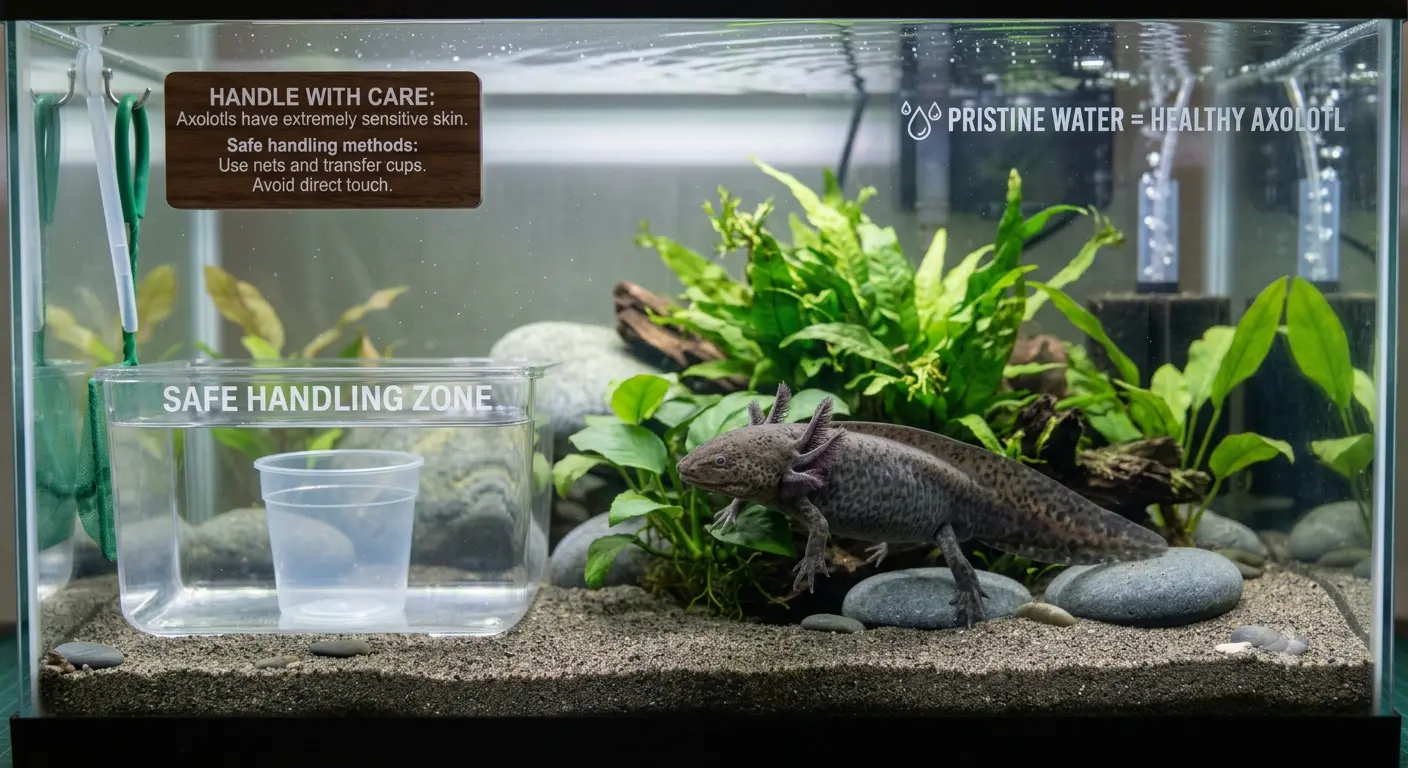
There are rare moments when moving your pet becomes unavoidable, such as tank cleans, tubbing treatments, or emergency relocations. During these times, knowing the correct protocol minimizes physical impact. Never attempt to scoop your pet using bare hands alone.
The safest tool for transfer is a soft, fine-mesh fish net or a smooth plastic container. A large, clear measuring cup allows you to scoop the animal along with a generous amount of tank water. This keeps them fully submerged and prevents gravitational trauma entirely.
If you must use hands during extreme emergencies, thoroughly wet your fingers with treated tank water first. Gently support their body underneath the belly without squeezing or restricting their gill branches. Move swiftly and return them to water within seconds.
Axolotls vs. Other Amphibians: Toxicity Comparison
It helps to understand where these creatures fit within the broader amphibian world. Many wild frogs and salamanders possess potent poison glands designed to deter predators. The following matrix illustrates how our domestic aquatic friends compare to other popular amphibians.
| Species Type | Skin Toxins Present | Human Touch Hazard | Primary Defense |
|---|---|---|---|
| Axolotl | None (Harmless) | Very Low (Risk to pet) | Camouflage & Bolting |
| Dart Poison Frog | High (Wild) / Low (Captive) | Moderate to High | Aposematic Coloration |
| Fire Salamander | Moderate (Samandarin) | Moderate (Irritant) | Toxin Secretion |
| Cane Toad | High (Bufotoxin) | High (If ingested) | Parotoid Glands |
Alternative Ways to Interact With Your Pet
Just because physical handling is restricted does not mean you cannot bond with your aquatic companion. These animals possess surprising intelligence and quickly learn to recognize their human keepers. Interactive feeding routines provide tremendous mental enrichment without physical harm.
Use long, blunt-tipped stainless steel feeding tongs to offer earthworms or pellets. Over time, your pet will follow the tongs around the glass and approach the front wall whenever you step near. They learn to associate your presence directly with positive food experiences.
You can also engage in simple visual tracking games using finger movements outside the glass aquarium walls. They will often follow your fingertips, wiggling their gills playfully. This interactive bonding is completely safe, zero-stress, and keeps your pet healthy for years.
When Medical Attention is Required
Accidental rough handling can sometimes lead to visible skin damage or secondary infections. Knowing when to step in saves lives. Watch for peeling skin, red inflamed patches, persistent white cotton-like growths, or curled gill tips indicating severe environmental stress.
If skin damage occurs, immediately check your water parameters for ammonia or nitrite spikes. Pristine water quality coupled with cooler temperatures (15-18°C) solves many mild skin issues naturally. Adding clean Indian almond leaves introduces beneficial tannins that support skin recovery.
For advanced skin infections or severe lesions, consult a specialized exotic veterinarian promptly. According to recommendations by the Association of Reptilian and Amphibian Veterinarians (ARAV), aquatic amphibians require targeted antibiotic or antifungal treatments under professional guidance rather than home remedies.
Final Verdict on Handling Safety
Ultimately, addressing whether are axolotls poisonous to touch reveals a fundamental principle of exotic care. While you do not need to fear personal poisoning from physical contact, your pet relies entirely on you to protect their fragile body from external harm.
Treat your aquatic companion as a “hands-off” observation pet, similar to delicate tropical fish. By prioritizing pristine water quality, minimal physical handling, and interactive glass-side feeding, you ensure your unique salamander thrives happily for its full 10 to 15-year lifespan.
Frequently Asked Questions
Q: What happens if I accidentally touch my axolotl?
A: A brief accidental touch will not poison you or instantly kill your pet. Rinse your hands thoroughly afterward, and monitor your pet over the next few days for signs of skin fungus or excess slime shedding.
Q: Do axolotls bite, and does it hurt?
A: They can nip at your hand if they mistake your fingers for food. However, they lack true teeth and possess small vestigial ridges, so a bite feels like a harmless, soft suction cup movement.
Q: Can I pet my axolotl inside the tank?
A: It is strongly recommended not to pet them. Even gentle stroking strips away their delicate slime coat, exposing them to bacterial infections and unnecessary environmental stress.
Q: Why is my axolotl peeling skin after handling?
A: Skin peeling usually indicates damage to the mucous coat caused by physical friction, poor water quality, or chemical irritants from human hands. Keep water cool and clean to aid recovery.