
Feeding is one of the most exciting parts of owning these “walking fish.” However, since they are carnivores with specific digestive needs, a proper diet is essential. This comprehensive axolotl feeding guide will cover everything from the best protein sources to how often you should feed your aquatic friend at different life stages.
Understanding the biological requirements of your pet ensures longevity and vitality. These unique amphibians possess highly specialized gastrointestinal systems built for specific prey types. Without proper nutrition, they can easily succumb to metabolic disorders, impaction, or severe systemic infections.
As captive husbandry advances, we discover more about their dynamic dietary needs over time. What worked a decade ago might not represent the pinnacle of care today. Therefore, staying informed about advanced axolotl feeding principles remains a core responsibility for every dedicated aquarist worldwide.
Let us delve deep into the mechanical, nutritional, and practical aspects of keeping your aquatic exotic pet perfectly nourished. Through science-backed research and established husbandry protocols, this article uncovers the ultimate secrets to culinary success for your pet.
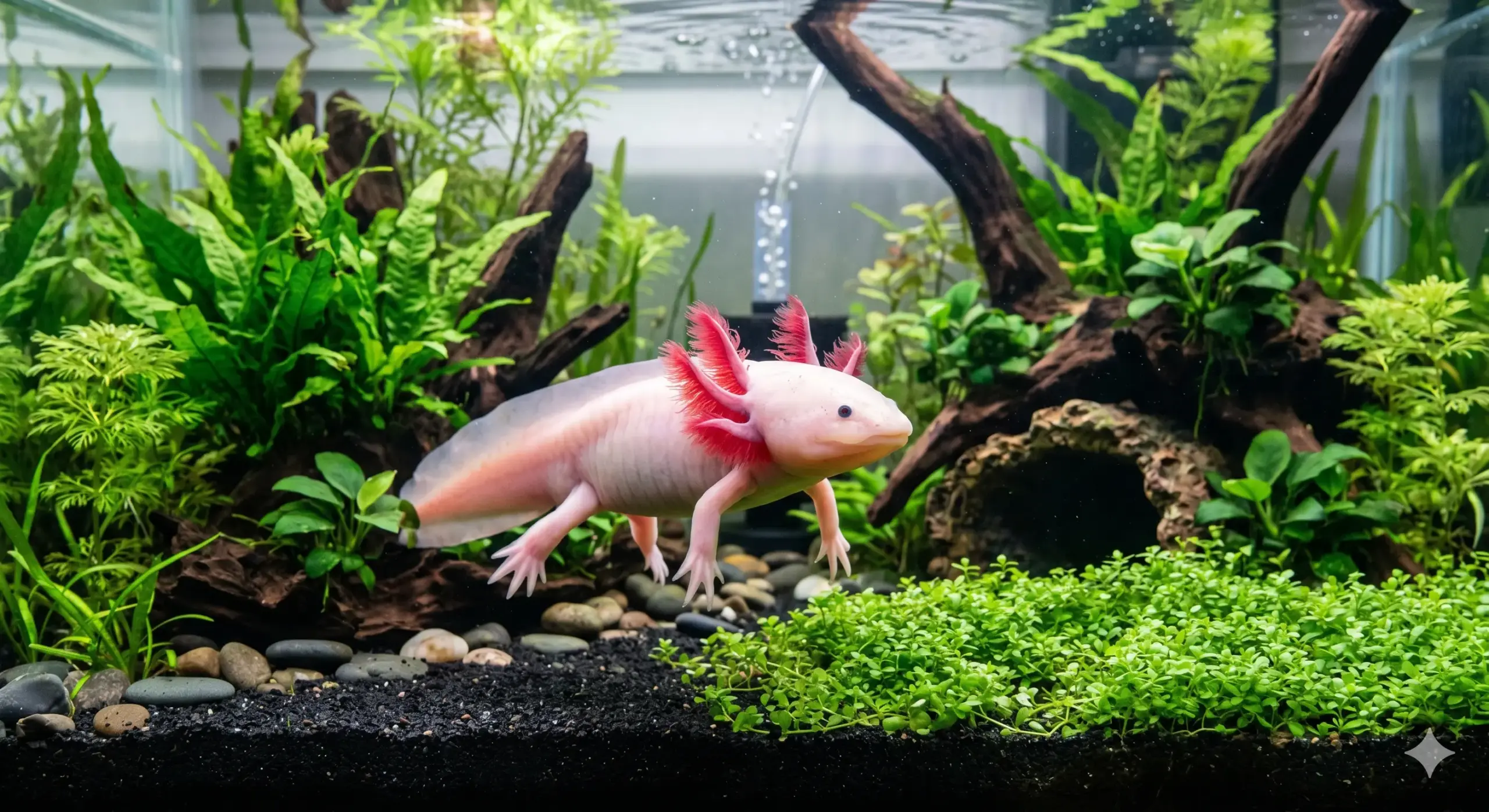
1. The Best Foods for Axolotls
In their natural habitat, axolotls are opportunistic predators that strike at anything moving nearby. They navigate the murky lake beds looking for small fish, insects, crustaceans, and worms. In a home aquarium, you should aim for a high-protein, meat-based diet to replicate this lifestyle.
Replicating their natural nutritional intake ensures that they receive a balanced ratio of amino acids and lipids. Captive diets must prioritize clean, safely sourced live or frozen prey items. Proper axolotl feeding depends heavily on selecting premium ingredients devoid of chemicals or environmental toxins.
Not all proteins are created equal when dealing with primitive amphibian digestive tracts. Some commercial options introduce unnecessary fillers that disrupt water quality and cause chronic intestinal distress. Let us examine the premier choices available to modern hobbyists for daily maintenance.
Earthworms and Nightcrawlers
These are the “gold standard” of the axolotl feeding guide because of their incredible nutritional density. They are nutritionally complete and easy for axolotls to digest on a regular basis. They provide an optimal moisture, protein, and calcium ratio that promotes steady skeletal development.
Before offering them, ensure you rinse them thoroughly in clean de-chlorinated water to remove dirt or slime. For smaller individuals, you can blanch and chop them into manageable, bite-sized pieces. Nightcrawlers sourced from organic breeders eliminate the risk of introducing dangerous pesticides to your aquarium ecosystem.
Bloodworms
Great for juveniles or as an occasional treat for adults, but they lack the full nutrient profile needed. Think of them as a delightful snack rather than a sustainable staple option. Relying exclusively on them can lead to severe nutritional deficiencies over several months.
Frozen cubes are widely available and exceptionally convenient for supplementation during busy weeks. Simply thaw the cube in a small cup of tank water before targeted administration. Watch your pets eagerly track these tiny red larvae as they drift lazily toward the bottom substrate.
Sinking Pellets
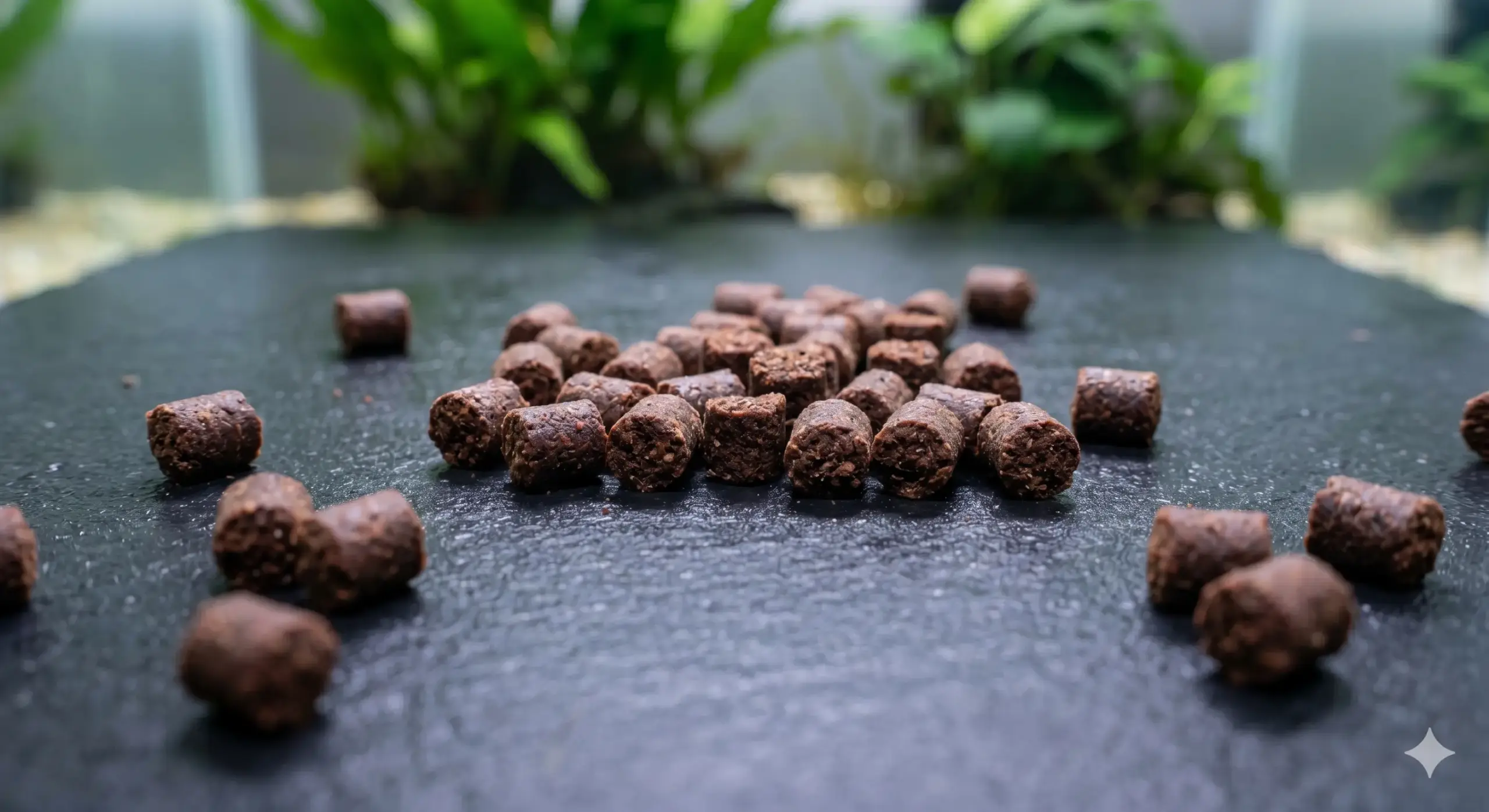
Look for high-quality, soft salmon pellets formulated specifically for carnivorous aquatic species. These are convenient and packed with vitamins, but ensure they are specifically designed for carnivorous amphibians. High-quality pellets sink immediately to the floor where these creatures prefer searching for food items.
Pellets should possess a high percentage of fish meal and minimal plant-based binders. Plant proteins are largely indigestible to these strict carnivores and generate excess waste. Integrating a premium pellet brand into your axolotl feeding routine adds excellent micro-nutrient security.
Live Blackworms
An excellent choice for growing babies (larvae) as they stimulate the natural hunting instinct instantly. These tiny worms stay alive in the water column for extended periods without fouling the environment quickly. Their constant wiggling motion catches the eye of miniature predators effortlessly.
Culturing them at home provides an uninterrupted supply of pristine, disease-free microscopic meals. They bridge the critical developmental gap when young larvae refuse stationary pellets or dead items. Transitioning from blackworms to larger earthworms marks a wonderful milestone in your pet ownership journey.
2. How Often Should You Feed?
The frequency in your axolotl feeding guide depends entirely on the age, temperature, and size of your pet. Metabolic rates shift dramatically as an amphibian matures from a tiny hatchling into a heavy-bodied adult. Understanding these biological transitions prevents both dangerous underfeeding and accidental obesity.
Water temperature also plays a hidden role in governing how rapidly your pet processes nutrients. Warmer water within the safe range increases metabolic demand, while cooler water slows digestion significantly. Observing body shape remains the finest way to fine-tune your specific schedule over the seasons.
A healthy individual should possess an abdomen roughly equal in width to its head. If the belly becomes drastically wider than the skull, you are likely overdoing the quantities. Conversely, a thin, gaunt appearance indicates a critical need to increase the frequency of your axolotl feeding plan.
Babies (Larvae)
Need to eat every day, sometimes twice a day, to support their rapid structural growth. Their tiny bodies hold minimal fat reserves, meaning short periods of starvation can prove fatal quickly. Provide them with live, moving prey like baby brine shrimp to guarantee successful strikes.
Juveniles (Under 6 Inches)
Should be fed once a day with high-quality proteins to fuel their expanding muscle mass. This stage represents their peak growth velocity where skeletal frameworks solidify rapidly. Mix earthworm pieces with sinking pellets to accustom them to varied food textures seamlessly.
Adults (Over 6-8 Inches)
Their metabolism slows down significantly, so feeding them every 2 to 3 days is usually sufficient. Mature individuals store energy efficiently within their liver and fat bodies for long-term health. Overfeeding adults leads to hepatic lipidosis and severe water contamination from excessive waste production.
3. The Human Experience: A Keeper’s Perspective
I still remember the absolute panic of my first month. My little leucistic buddy sat completely motionless in the corner. Tank parameters were perfect. Yet, he refused every piece of food I offered. It broke my heart. I thought I was failing him entirely. Nights were spent scouring forums until my eyes watered from the screen glare.
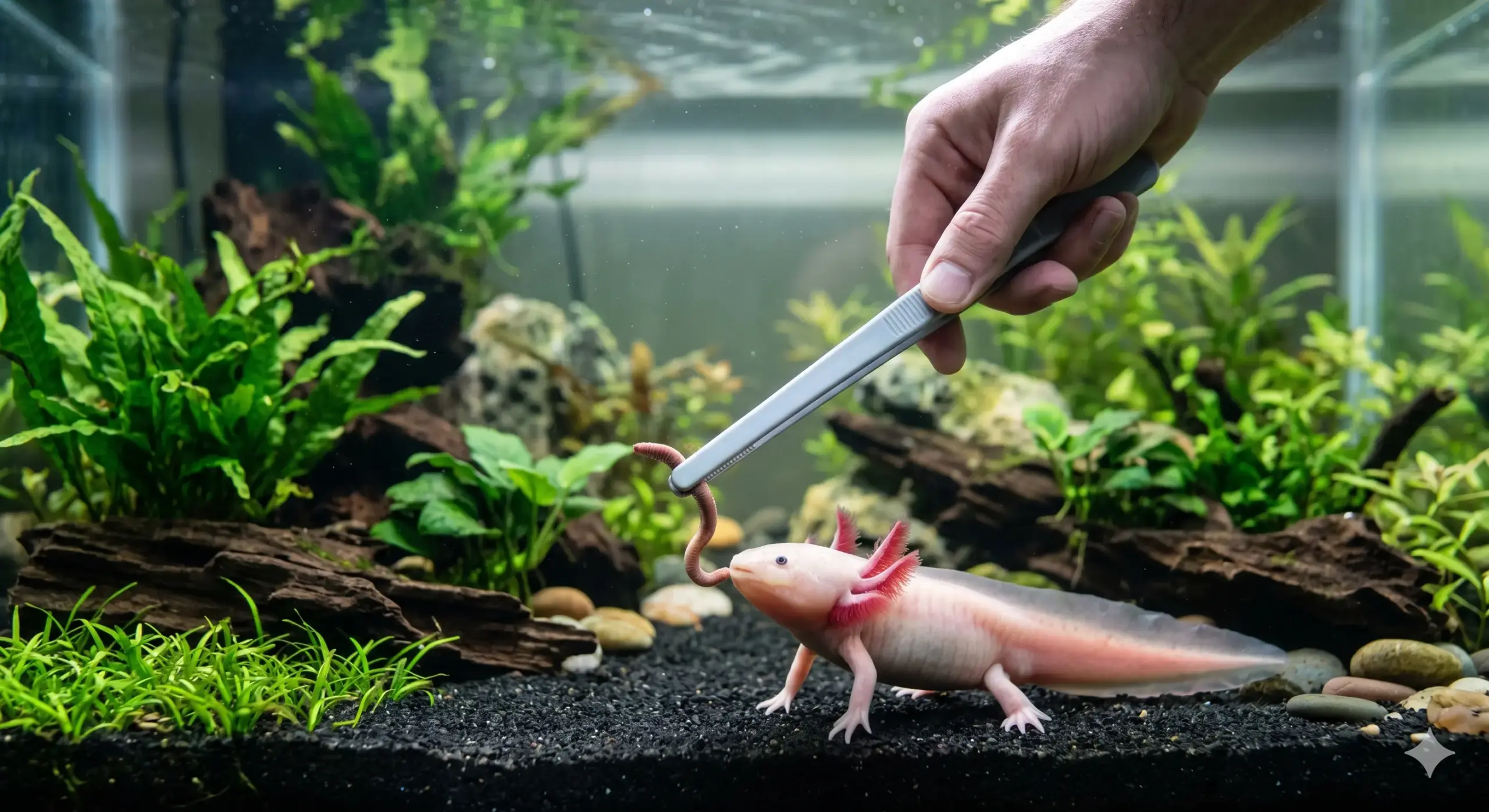
Then, I learned the art of patience. Axolotls operate on a different temporal frequency than we do. They are slow. Delightfully deliberate. One evening, I held a freshly washed nightcrawler right before his blunt snout using long metal tweezers. The worm gave a single, frantic wiggle. Wham! The sudden suction vacuum echoed through the glass pane. He gulped it down with a comical head shake. My sigh of relief could have powered a small wind turbine. That breakthrough transformed our relationship into something filled with quiet, mutual understanding over the following years.
Now, our feeding sessions have evolved into a soothing, deeply meditative ritual after long working hours. He recognizes my shadow approaching the aquarium canopy. He floats upward, gills flapping gently like velvet underwater sails. There is an undeniable, primitive magic in keeping an endangered ancient creature alive within your living room. It teaches you to slow down. To observe closely. To appreciate the subtle beauty of a life completely dependent on your steady, dedicated hands.
4. Feeding Techniques: The “Vacuum” Effect
Axolotls don’t have true teeth for chewing or tearing flesh; they use a “snap and suction” method instead. When prey comes within visual range, they widen their massive mouths instantly to create a localized vacuum. This negative pressure pulls the target along with surrounding water deep into their throats.
Because of this vacuum mechanism, accidental ingestion of substrate remains a prevalent danger in home aquariums. Feeding directly over fine sand or utilizing dedicated dishes prevents them from swallowing gravel. Swallowing rocks or coarse gravel leads to fatal gastrointestinal impaction requiring veterinary intervention.
Mastering correct delivery methods protects your pet while making the entire process highly interactive. According to the World Veterinary Association, minimizing environmental stress during nutritional delivery directly correlates with stronger immune function in exotic amphibians. Let us review the primary techniques utilized by veteran keepers.
Using Tongs
Many owners prefer using blunt-nosed feeding tongs to offer worms directly to the axolotl safely. This reduces mess, prevents skin irritation from human oils, and ensures you know exactly how much they eat. Bring the food item near the front of their face and let them sense the movement.
Avoid using sharp metal tweezers that could accidentally puncture their delicate oral cavities during an aggressive strike. Plastic or silicone-tipped tongs offer a soft, forgiving surface if your pet misses the worm and grabs the tool. This target method turns dinner into an excellent bonding experience.
Cleaning Up
Always remove any uneaten food within 20 minutes without exception to protect your delicate biological filter. Rotting organic material in the tank can cause sudden ammonia spikes, which are deadly to axolotls. A turkey baster is the perfect tool for extracting stray pellets or rejected worm segments swiftly.
Leaving decaying food items undisturbed degrades water clarity and fuels harmful bacterial blooms. These bacteria attack the vulnerable skin and fluffy gill filaments of your amphibian companion. Discipline in post-meal cleanup saves you countless hours of emergency water changes down the line.
5. Advanced Axolotl Feeding Comparison Matrix
To help you structure your nutritional strategy, we have constructed a comprehensive matrix. This table highlights the pros, cons, and optimal usage phases for various popular items found in the hobby. Use this data to diversify your shopping list effectively.
| Food Type | Nutritional Value | Primary Advantage | Main Drawback | Best For |
|---|---|---|---|---|
| Earthworms | Exceptionally High | Perfect Calcium Ratio | Requires chopping for small pets | Sub-Adults & Adults |
| Bloodworms | Moderate to Low | Highly appealing taste | Lacks vital trace minerals | Juveniles & Treats |
| Sinking Pellets | High (Formulated) | Long shelf life & easy store | Fouls water if left to dissolve | All Stages (Correct size) |
| Blackworms | High | Triggers hunting instinct | Can be difficult to keep alive | Larvae & Sick Pets |
6. Foods to Avoid
To keep your pet safe, certain items should never be part of your axolotl feeding guide under any circumstances. Many common fishing baits or seafood items contain preservation chemicals that damage amphibian organs. Awareness of these hazardous groups eliminates preventable tragedies from occurring in your home.
Amphibians absorb compounds directly through their permeable skin and stomach linings at alarming rates. A toxin that might cause mild discomfort to a mammal can easily prove lethal to an aquatic salamander. Guard their environment fiercely by scrutinizing everything that crosses the aquarium threshold.
Feeder Fish
These often carry dangerous parasites and infectious diseases that can jump to your axolotl seamlessly. Furthermore, many feeder fish species contain high levels of thiaminase, an enzyme that blocks vitamin B1 absorption over time. Avoid them entirely to maintain a disease-free, thriving closed ecosystem.
Mammal Meat
Avoid feeding beef, pork, or chicken; axolotls cannot digest mammalian fats or complex lipids properly. Their digestive tracts evolved to process cold-blooded prey items found in cool freshwater environments. Feeding warm-blooded meat causes dangerous fatty liver disease and severe intestinal blockages.
Processed Human Food
Anything containing salt, artificial spices, oils, or chemical preservatives is highly toxic to these delicate creatures. Never offer leftovers or commercial snacks regardless of how eagerly your pet seems to beg at the glass. Stick strictly to raw, single-ingredient whole foods sourced from reputable aquatic suppliers.
7. Frequently Asked Questions (FAQ)
Conclusion
A well-fed axolotl is a happy, healthy companion with vibrant, fluffy gills and robust activity levels. By sticking to earthworms as a staple food and maintaining a consistent schedule, you will ensure your pet lives a long life. Never underestimate the power of pristine nutrition in preventing common aquatic ailments.
Pay close attention to their changing needs as they cross developmental thresholds over the months. Flexibility, observation, and structural discipline form the core foundations of elite amphibian care. Your efforts will be rewarded with a beautiful, responsive pet that thrives for over a decade.