
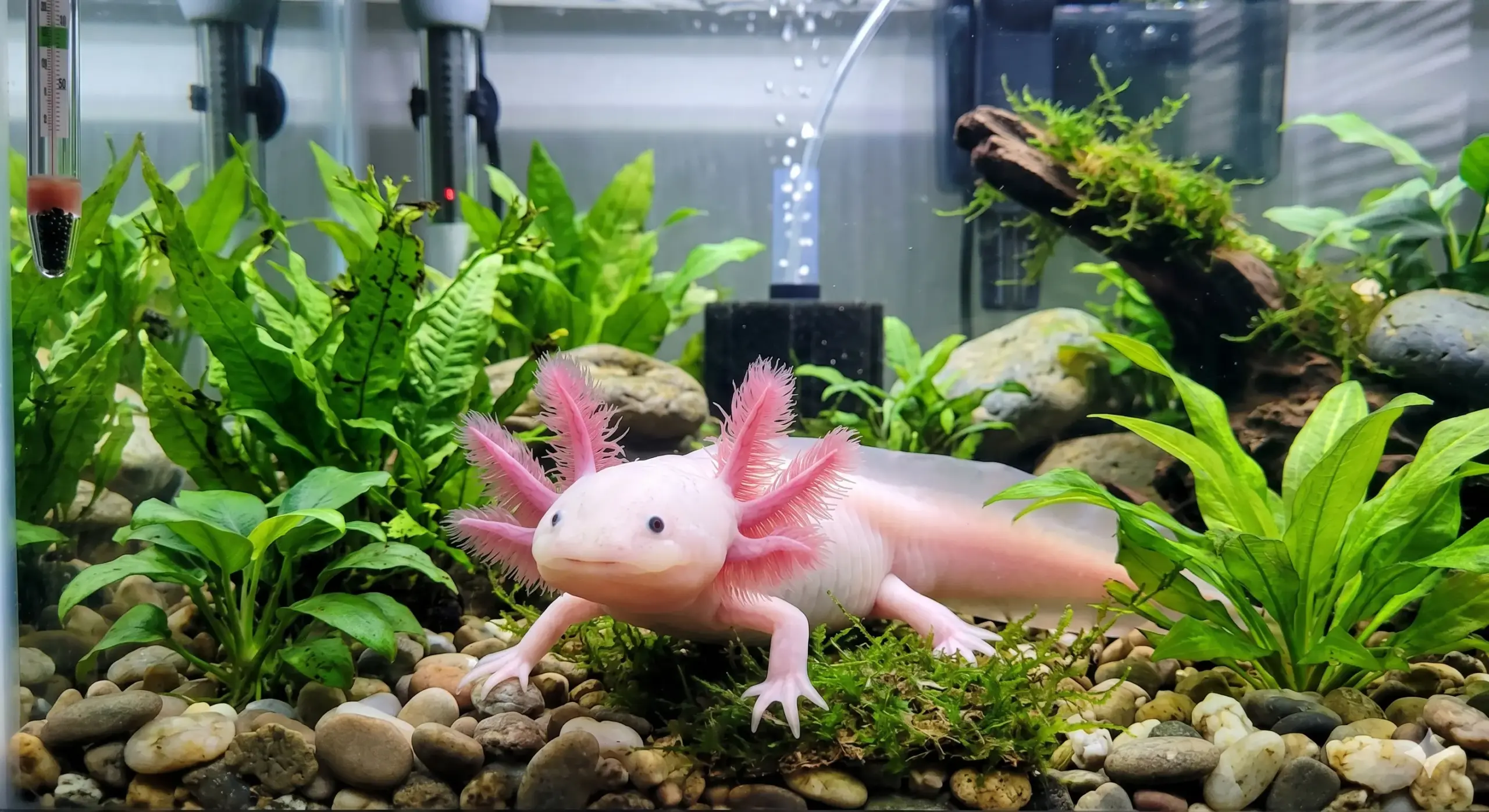
The iconic, feathery external breathing plumes of a healthy aquatic salamander are easily its most mesmerizing and defining aesthetic feature. Beyond their remarkable beauty, these intricate crimson structures function as the animal’s absolute primary respiratory organ system for extracting vital dissolved oxygen. When a dedicated keeper suddenly notices their pet’s delicate filaments beginning to recede, look sparse, or completely shorten, it signals a major emergency. Investigating the root environmental or biological causes of an Axolotl’s Gills Shrinking is vital to saving your exotic pet from fatal respiratory failure.
This comprehensive clinical guide bypasses surface-level advice to explore the exact biological, chemical, and environmental mechanisms that cause severe external filament regression. We will analyze how microscopic toxins, physical water pressures, heat variables, and hidden pathogens interact with thin amphibian skin cells to cause rapid decay. Our primary mission is providing you with clear, practical, and scientifically verified solutions to completely stop tissue erosion and stimulate healthy cell regrowth. By understanding how your closed aquarium ecosystem affects your pet’s body, you can confidently transform a failing habitat into a safe sanctuary.
Amphibian physical traits make these creatures incredible indicators of local water health, meaning their outer bodies mirror the invisible chemical conditions around them. The feathery crown consists of three pairs of large stalks covered in thousands of microscopic, highly vascularized epithelial loops called fringe filaments. Because these delicate loops are completely exposed to the water column without protective scales, they absorb surrounding microscopic compounds with extreme efficiency. Consequently, poor water quality or bad tank management shows up almost immediately as physical damage, warning you that something is wrong.
Axolotl’s Gills Shrinking: How Poor Water Quality Triggers Cellular Decay
The absolute leading cause behind the alarming and dangerous issue of an Axolotl’s Gills Shrinking is the accumulation of chemical toxins. Because these unique creatures produce large amounts of waste, their closed environments require a fully functional, stable biological filtration cycle to neutralize toxins. If the tank’s helpful bacterial colony is unestablished, weak, or disrupted by improper cleaning, metabolic waste products quickly pool in the water. These invisible chemical spikes act as harsh irritants, attacking the unprotected respiratory tissues and triggering rapid, painful degradation across the external fronds.
Ammonia burns represent an acute chemical emergency that actively disintegrates the fragile exterior breathing loops with terrifying speed and destructive cellular force. Free ammonia molecules in the water aggressively strip away the protective slime coat layer that covers the salamander’s soft, highly permeable skin. Once this natural defensive barrier is gone, the chemical compounds burn the delicate epithelial cells, causing immediate tissue death and shrinkage. The magnificent fronds quickly shrivel up, look stump-like, and lose their vibrant red coloration as blood flow collapses under chemical stress.
Nitrite toxicity works as a hidden, secondary danger that ruins blood chemistry while speeding up the physical visible signs of an Axolotl’s Gills Shrinking. High nitrite levels enter the bloodstream directly through the thin walls of the filaments, interfering with how the body carries oxygen internally. This dangerous process turns vital oxygen-carrying hemoglobin into methemoglobin, a damaged molecule completely incapable of transporting oxygen to the animal’s major organs. The resulting lack of oxygen causes local tissue death at the furthest edges of the body, making the breathing fronds wither.
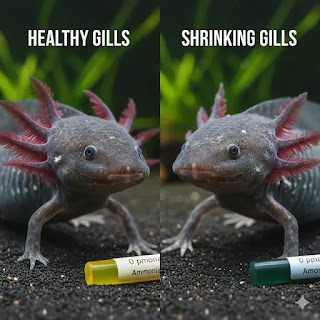
To successfully reverse this critical issue, you must immediately test your water using an accurate, professional liquid chemical testing kit. Your goal is to keep free ammonia and nitrite levels at a strict, non-negotiable 0 ppm parameter at all times. If your testing tools reveal any trace of these toxic compounds, perform a 50% water change using a high-quality dechlorinator. Regular substrate vacuuming, removing uneaten food within an hour, and protecting your biological filter will permanently keep your tank safe from chemical damage.
Axolotl’s Gills Shrinking : Mechanical Stress From High Filter Currents
Many passionate keepers mistakenly assume that adding massive, high-output power filters is the best way to keep an aquarium clean and healthy. While strong mechanical filtration keeps water clear, it often creates fast-moving, aggressive currents that are highly unsuited for these calm-water creatures. In nature, these unique amphibians live exclusively within the very still, slow-moving high-altitude lake systems of the ancient Valley of Mexico. Forcing your pet to live in a high-flow setup subjects them to an exhausting, endless physical struggle against moving water currents.
Living in constant, high-energy currents causes severe chronic stress that actively alters your pet’s internal vascular mechanics over long periods of time. To protect core organs from stress, the amphibian’s nervous system narrows peripheral blood vessels to reduce blood flow to the outer body limbs. This defensive narrowing deprives the external breathing loops of the consistent blood pressure and essential nutrients they need to stay healthy. Without proper circulation feeding the fronds, the delicate tissue slowly wastes away, causing the distinct physical look of an Axolotl’s Gills Shrinking.
Before the physical tissue completely wastes away, stressed individuals show clear behavioral and physical warning signs that let you spot the problem early. You will notice the main stalks curling forward tightly toward the face, a clear sign the animal is tense and uncomfortable. This forward curl is a defensive reflex as the salamander tries to shield its sensitive airways from the harsh, pushing water currents. If left uncorrected for several weeks, this constant physical stress leads to permanent tissue loss and short, balding breathing stalks.
Fixing this current issue requires modifying your filter’s output to create a peaceful, gentle environment throughout the entire aquarium setup. Installing a specialized spray bar attachment along the back glass helps spread out concentrated water streams into harmless, low-energy movements. Alternatively, placing porous baffle sponges directly over filter outtakes instantly slows down fast currents without lowering your filter’s overall cleaning volume. Your goal is an environment where your pet rests peacefully on the bottom without being pushed around by water movement.
Axolotl’s Gills Shrinking : Thermal Elevation and Oxygen Deprivation
These cold-water specialists have unique metabolisms that run perfectly in cool water temperatures ranging strictly from 15°C to 18°C (60-65°F). Keeping your aquarium inside this optimal temperature window ensures ideal oxygen binding in the blood and keeps their immune systems strong. When warm room temperatures or heavy lighting equipment cause tank water to rise above 20°C (68°F), it triggers a dangerous chain reaction. Elevated temperatures compromise the water’s chemical stability and put an immense physical strain on your pet’s respiratory organs.
Basic physics dictates that warmer water holds significantly less dissolved oxygen gas than cool water, creating a tough environment for aquatic animals. At the exact same time, warm water artificially accelerates your cold-blooded pet’s metabolic rate, doubling their body’s overall demand for oxygen. This combination creates a severe breathing deficit, forcing the animal to pump blood rapidly to try and catch its breath. This constant overexertion leads to widespread cellular exhaustion and tissue death, showing up clearly as an Axolotl’s Gills Shrinking.
When tank temperatures reach or exceed 24°C (75°F), the extreme heat stress can quickly become a fatal emergency for these creatures. Prolonged heat exposure destroys their natural immune response, leaving them completely unprotected against dangerous opportunistic bacteria and fungi living in the water. The delicate external cells die off rapidly because of heat exhaustion and the lack of oxygen reaching the tips of the fronds. Keeping your pet in warm water long-term guarantees severe respiratory decay, making constant temperature management an absolute priority.
To fix thermal issues, you must actively lower the water temperature using reliable, specialized aquarium cooling tools and techniques. Mounting dual or quad aquarium cooling fans over an open mesh screen lid can drop temperatures by 2°C to 4°C via evaporation. For homes that regularly experience high ambient heat, investing in an automated aquarium chiller is the safest long-term solution for your pet. Avoid floating temporary ice packs in the tank, as they cause rapid temperature swings that cause further harm to your pet.
Axolotl’s Gills Shrinking : Advanced Diagnostics and Husbandry Care Matrix
To help you quickly diagnose and treat the various environmental causes behind an Axolotl’s Gills Shrinking, we compiled this detailed care matrix. Use these clear, data-driven markers to check your tank parameters and implement the correct husbandry adjustments for long-term health. Monitoring these variables closely prevents advanced structural damage and ensures tissue regeneration mechanisms remain active within the respiratory epithelial layers.
| Primary Stressor | Underlying Biological Mechanism | Observable Physical Symptoms | Targeted Corrective Action |
|---|---|---|---|
| Ammonia / Nitrite Spikes | Direct chemical burns causing cell death and destroying internal oxygen transport. | Severe fringe loss, blackened tips, tissue erosion, general lethargy. | Immediate 50% water change, add beneficial bacteria, test daily. |
| High Filter Current | Stress-induced vasoconstriction depriving peripheral respiratory tissues of nutrients. | Stalks curling forward tightly, constant swimming against glass. | Install a spray bar, baffle outtakes with sponge, reduce flow. |
| Elevated Temperature | Triggers metabolic overload while dropping critical dissolved oxygen levels. | Rapid gasping, floating at surface, pale color, shrinking fronds. | Install cooling fans, use an automated chiller, keep below 20°C. |
| Pathogenic Infections | Fungal or bacterial colonies actively eating away at external tissue structures. | White cotton-like fluff, uneven ragged edges, bloody spots. | Administer black tea baths, improve hygiene, consult an exotic vet. |
Axolotl’s Gills Shrinking : Pathogenic Fungal Threats and Bacterial Rot
When an amphibian’s immune system is weakened by bad water or heat stress, it becomes an easy target for opportunistic pathogens. Naturally occurring fungal spores and bacterial strains that live harmlessly in clean aquariums quickly target damaged, unprotected external respiratory tissues. The highly exposed, blood-rich fronds offer a perfect breeding ground for these microscopic invaders to anchor and form dense colonies. Once an infection takes hold, these pathogens rapidly destroy tissue cells, presenting visually as a severe case of an Axolotl’s Gills Shrinking.
Fungal infections, typically caused by the widespread Saprolegnia strain, appear as fuzzy, white, cotton-like growths on the breathing stalks. This invasive fungus roots deep into the soft skin tissue, cutting off local blood flow and destroying delicate respiratory filaments. As the fungal colony grows, the underlying structures rot and break away completely, leaving short, ragged, bald stubs behind. If you ignore this fuzzy growth, the fungus can consume the entire breathing system, leading to severe suffocation and death.
Bacterial gill rot is a highly aggressive, dangerous medical issue that eats away tissue without creating fuzzy white cotton patches. Dangerous gram-negative bacteria attack the outer walls of the filaments, causing them to turn grey, look ragged, and rapidly shorten. You might see tiny red streaks or pinpoint bleeding spots along the main stalks as the bacteria damage delicate blood vessels. This bacterial erosion requires swift, decisive treatment to stop tissue destruction before the infection enters the bloodstream and causes fatal sepsis.
To successfully treat your exotic pet, you must monitor the tank parameters to identify the environmental triggers behind an Axolotl’s Gills Shrinking. Fast-spreading pathogens can be controlled early using pure, organic black tea baths to soothe raw external layers. However, long-term safety requires establishing excellent tank filtration routines and adjusting any heavy aquarium equipment that hurts water chemistry. Providing proper husbandry remains the most effective tool to stop bacterial infections from damaging these essential external breathing plumes.
Axolotl’s Gills Shrinking: The Human Experience and a Personal Journey of Healing
I sat frozen. My heart shattered into a million tiny, heavy pieces. Looking through the glass, I could barely recognize Nova, my beautiful leucistic axolotl. Her glorious, vibrant pink plumes were entirely gone. Replaced by horrific, bald stubs. Panic consumed me. I felt like an absolute failure as a keeper, trapped in an exhausting spiral of self-doubt and crushing guilt.
Days turned into grueling weeks. I checked the liquid testing kits obsessively. Water changes became my daily midnight ritual. Every single evening felt like a silent test of endurance, staring at a static, unmoving recovery. You expect quick fixes, but nature operates on its own agonizingly slow, rhythmic schedule. It forces you to embrace absolute patience.
Then, a breakthrough. A quiet Tuesday night revealed microscopic, intensely bright pink buds erupting from her pale skin. I wept openly. Over two months, those tiny points transformed back into luxurious, waving crimson fronds. Her resilience saved her. That terrifying crisis forged an unbreakable, profound bond between us that completely redefined my perspective on animal care.
Axolotl’s Gills Shrinking : Proven Husbandry Protocols for Regeneration
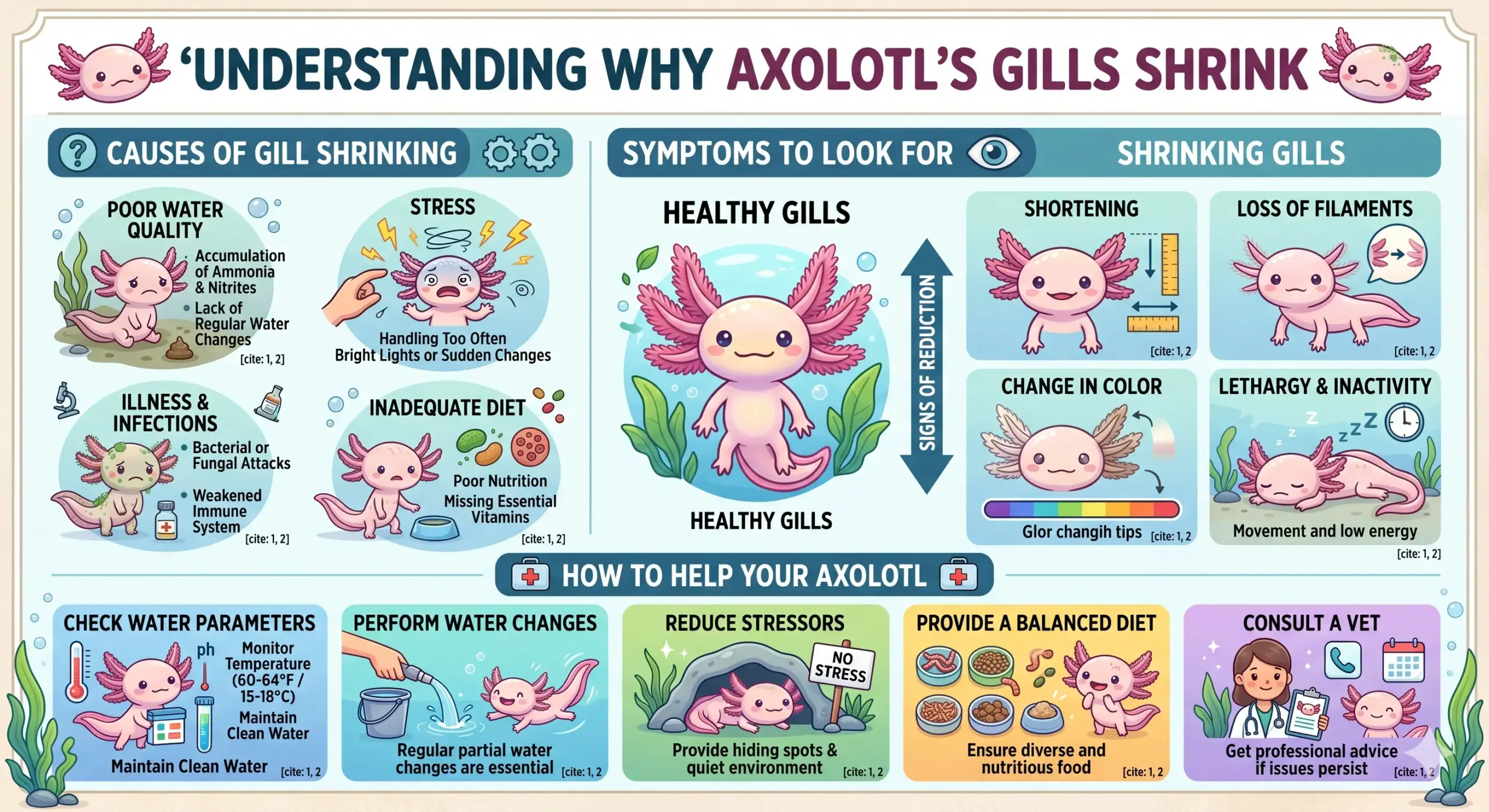
The great news for keepers is that these incredible amphibians are famous worldwide as biological masters of cellular tissue regeneration. They possess the unique ability to perfectly regrow complex lost body parts, including whole limbs, tails, organs, and external respiratory fronds. However, to trigger this amazing natural healing process, you must provide a stress-free environment and ideal nutritional building blocks. By optimizing their living conditions, you can help your pet regrow long, fluffy, and beautifully vibrant breathing plumes.
Providing pristine water conditions is the absolute foundation for successful tissue repair and long-term health for your pet. When tackling the core triggers of an Axolotl’s Gills Shrinking, perform small, daily water changes of 10% to 15% to keep waste near zero. Using a premium water conditioner that neutralizes heavy metals protects sensitive new cell growth from chemical irritation and stinging. Keeping the water clean prevents secondary infections, allowing your pet to direct all its metabolic energy toward tissue repair.
Dietary optimization provides the essential fuel needed to rebuild damaged muscles, blood vessels, and specialized respiratory tissues. Feed your recovering pet high-quality nightcrawlers or earthworms, which are packed with clean proteins and essential amino acids. These nutrient-dense prey items give them the necessary building blocks to speed up cellular division and tissue repair. You can also supplement their diet with fortified sinking pellets to ensure they get a well-rounded mix of vitamins.
Finally, keeping the aquarium lights dim or completely turned off plays a huge role in reducing stress during recovery. Since bright lighting can easily trigger hormone drops linked to an Axolotl’s Gills Shrinking, keeping environments dim speeds up healing. Minimize loud room noises, provide plenty of dark hiding spots, and avoid handling or disturbing them unless absolutely necessary. A calm, dark, and cool environment lets your pet rest deeply, speeding up their incredible natural regeneration.
Is your recovering amphibian also struggling to stay resting comfortably on the bottom of the tank? It is common for environmental stress to cause multiple symptoms at once, such as floating or bloating. Read our comprehensive companion guide on Why is My Axolotl Floating? Causes & Solutions to learn how to identify digestive issues or air gulping that might be adding to their stress.
Frequently Asked Questions Regarding Axolotl’s Gills Shrinking
References & Scientific Insights: To learn more about professional amphibian medicine and veterinary health protocols, check out the clinical guidelines published by the Association of Reptile and Amphibian Veterinarians (ARAV).