
The global fascination with unique wildlife has completely transformed the modern landscape of companion animal ownership. Today, millions of households are looking beyond conventional domestic options to find specialized companions. Choosing to bring exotic pets into your living space opens up a remarkable world of biological marvels, complex behaviors, and deeply rewarding lifelong interactions.
Stepping into the realm of exotic pets is filled with wonder, mystery, and behaviors that seem almost alien compared to our everyday cats and dogs. These creatures possess specialized adaptations developed over millennia. Whether you are a seasoned owner or just curious, these ten facts highlight why these animals are so captivating and unique.
Understanding the Complex Behaviors of Exotic Pets
Conventional domestic animals communicate through familiar vocalizations like barking, purring, or tail-wagging. However, non-traditional companions rely on a sophisticated array of physical gestures to communicate. Recognizing these behaviors is absolutely vital for ensuring safety, lowering stress, and building trust between the keeper and the animal.
Herpetologists often look closely at how reptiles interact within their terrariums. These behavioral patterns show us that these specialized creatures are not simple organisms. Instead, they react dynamically to their surroundings, displaying highly specific actions that reflect their internal emotional states and their survival instincts.
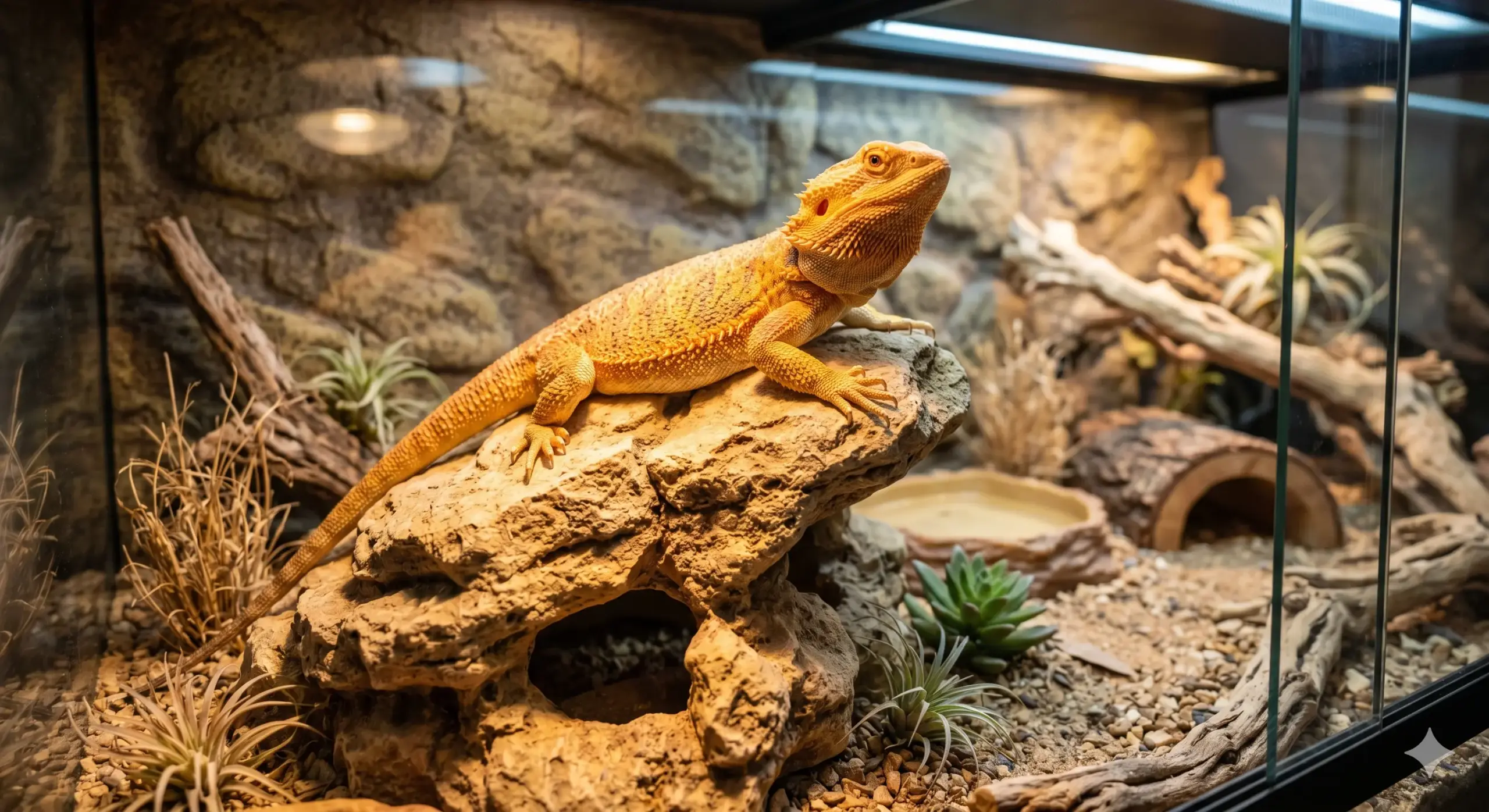
1. Bearded Dragons “Wave” to Say Hello
If you see your dragon slowly waving one of its front arms, it’s not just being friendly. This is a submissive gesture used to say, “I recognize you and I’m not a threat.” In the wild, this keeps them safe from bigger, more aggressive lizards nearby.
This subtle social intelligence is part of why they are among the most popular exotic pets globally. Owners quickly notice how responsive these creatures are during interactions. Watching them slow-wave reveals a deep layer of social awareness that many people do not expect from a reptile.
2. Hedgehogs “Self-Anoint” with Bubbles
When a hedgehog encounters a new scent, it will chew the substance until it creates a frothy saliva and then spread it over its quills. It looks strange, but it’s perfectly normal behavior! This natural habit helps them camouflage and protect themselves from predators.
Witnessing self-anointment for the first time can easily alarm a new keeper. The frantic contortions and sudden foaming look like a medical emergency. However, understanding this evolutionary mechanism helps owners appreciate how these small mammals interact with new smells.
Dietary Extremes and Physiological Restrictions
Feeding non-traditional species requires a deep commitment to learning about their specialized biology. Unlike dogs or cats, who thrive on standardized commercial kibble, exotic pets require diets that match what they would eat in their natural habitats. A tiny mistake in their nutrition can quickly lead to irreversible metabolic conditions.
Many specialized animals have highly sensitive digestive systems. These evolutionary traits mean they completely lack the digestive enzymes needed to process common commercial foods. Because of this, owners must be very careful to avoid feeding things that seem harmless but are actually dangerous.
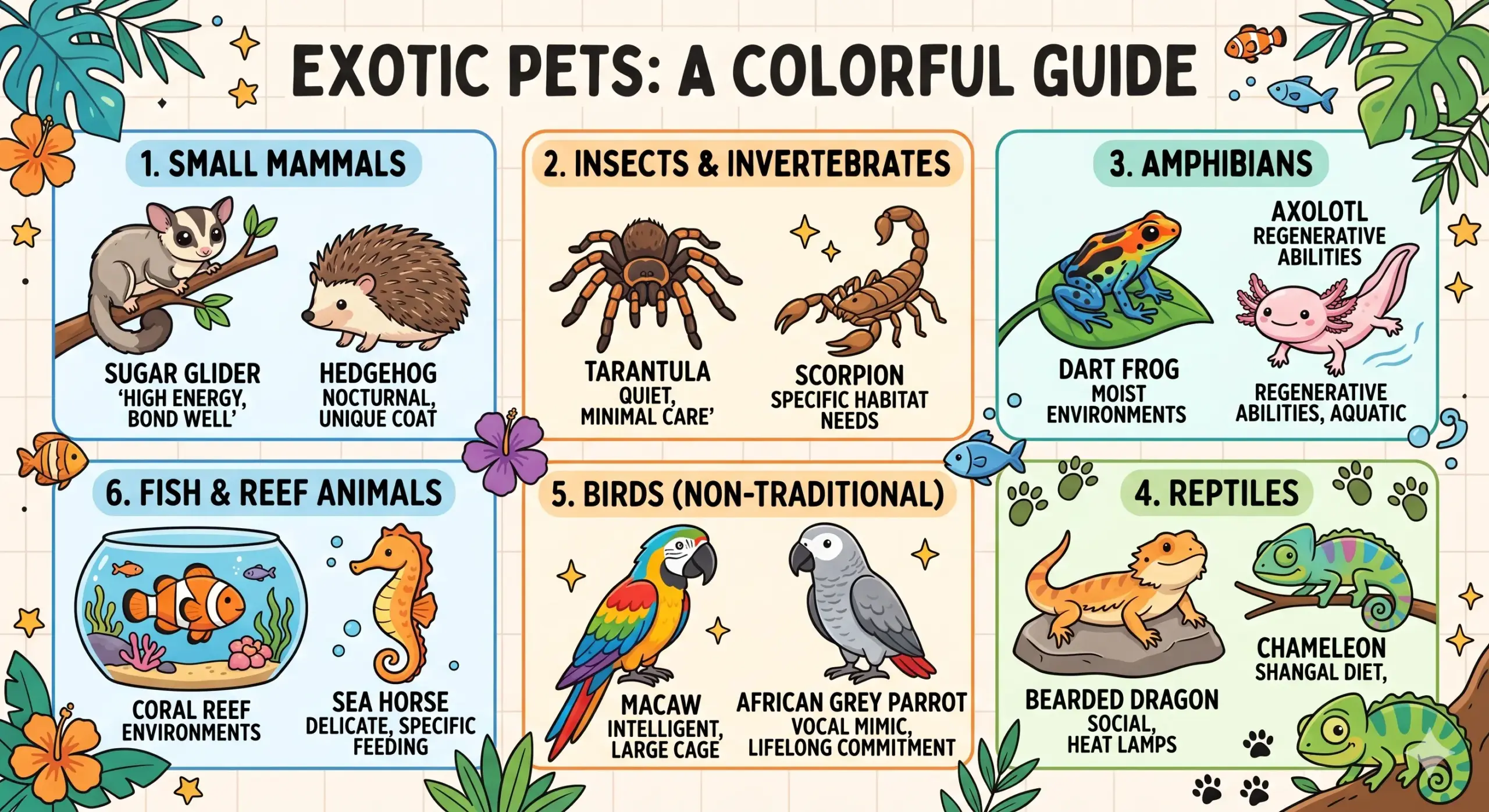
3. Hedgehogs are Lactose Intolerant
Despite what you might see in old cartoons, you should never give a hedgehog milk. It can cause severe digestive distress. Their unique biology requires a very specific diet to avoid health issues like the ones we’ve covered in our hedgehog care guides.
Giving them dairy products often leads to severe enteritis, dehydration, and dangerous nutrient deficiencies. Instead of dairy, their daily food should focus on high-quality, low-fat proteins, specific insects, and fiber. This careful balance keeps their sensitive gastrointestinal tract functioning safely.
4. Chameleons Don’t Change Color to Blend In
Contrary to popular belief, chameleons change color primarily to regulate their body temperature or to communicate their mood to other chameleons, rather than for camouflage. Darker colors absorb heat efficiently, while lighter shades reflect intense sunlight away.
These shifting color patterns serve as an emotional display. A bright, colorful display shows excitement, dominance, or a desire to mate. On the other hand, dull muddy tones mean stress, fear, or illness, giving keepers a clear window into their animal’s current well-being.
Superpowers and Biological Anomalies
The evolutionary paths of many non-traditional animals have given them incredible biological traits. These fascinating survival adaptations continue to amaze medical researchers worldwide. From regenerating complex body tissues to sensing hidden energy fields, exotic pets display capabilities that feel like science fiction.
Studying these unique species helps researchers understand how different animals adapt to harsh environments. These traits show us the diverse ways nature solves survival challenges. They also remind us that looking after these unique creatures requires setup choices that respect their special biological needs.
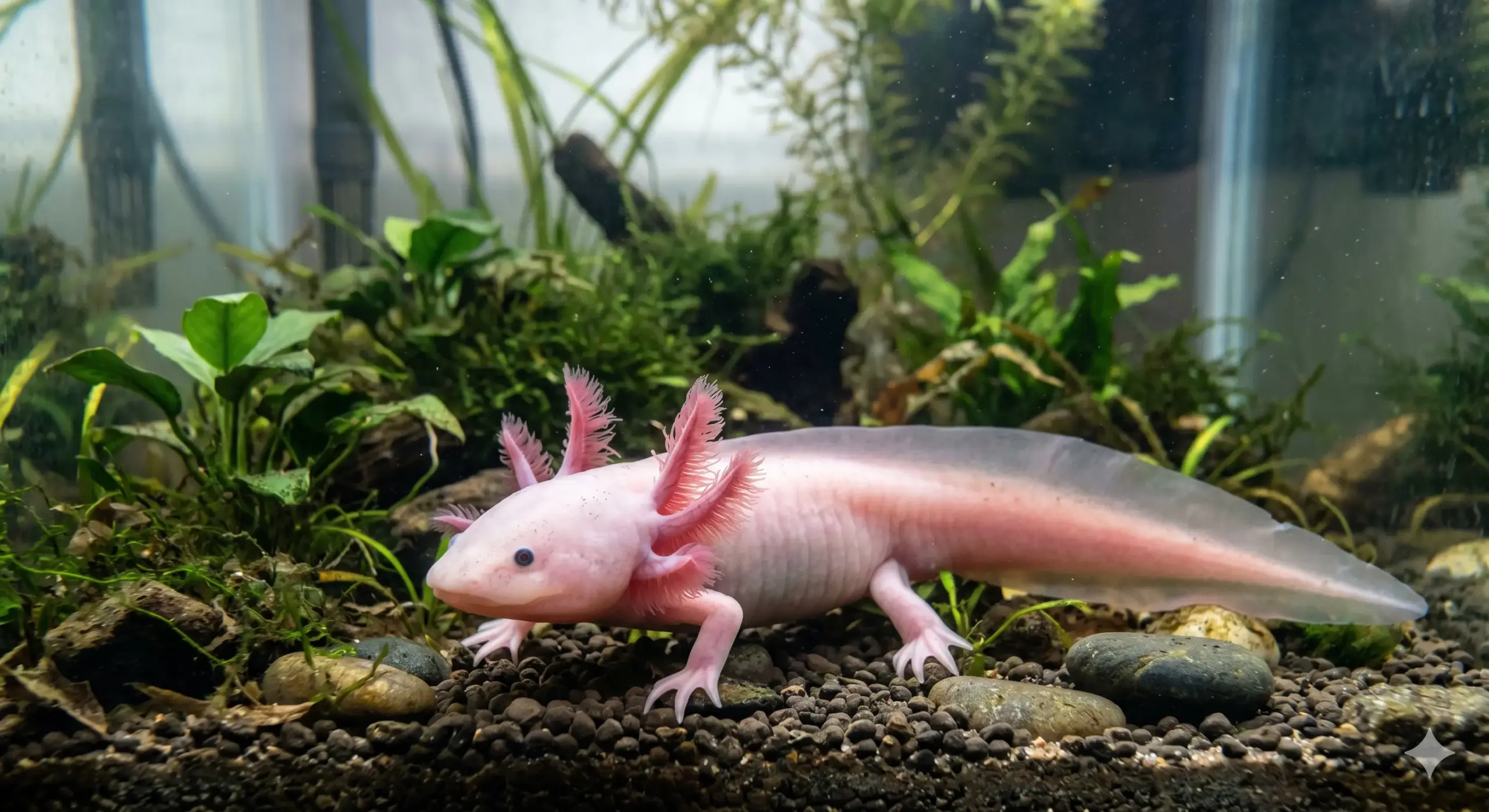
5. Axolotls Can Regenerate Their Heart
Perhaps the most “superpowered” exotic pet, Axolotls can regrow not just their limbs and tail, but even parts of their heart and brain without leaving any scars. This incredible cellular ability makes them incredibly important in modern regenerative medicine studies.
In a home aquarium, this profound regenerative capacity requires pristine water quality to prevent infections. While they can heal from minor structural injuries remarkably well, keeping their water clean ensures their immune system stays strong enough to fuel these amazing recovery processes.
6. Sugar Gliders Have a “Built-in” Parachute
A membrane called the patagium stretches from their wrists to their ankles, allowing them to glide over 150 feet in a single leap. This thin, skin-like structure helps them travel easily through the forest canopy in search of food.
In a home setting, this amazing gliding ability means they need large, tall enclosures. Giving them plenty of vertical space allows them to exercise naturally. This active movement prevents obesity and keeps these highly energetic marsupials mentally stimulated and healthy.
7. Snakes Can Sense Infrared
Many snakes have “pit organs” that allow them to see the heat signatures of their prey, giving them a form of thermal vision that works even in total darkness. These sensitive heat-sensing pits are located right between their eyes and nostrils.
This thermal sense allows them to spot tiny changes in temperature nearby. For keepers, this highlights why maintaining proper temperature gradients inside the enclosure is so important. A well-regulated habitat keeps their natural heat-seeking instincts working comfortably without causing chronic stress.
Locomotion and Physical Interaction
The physical structure of these unique animals determines how they explore their surroundings. Watching how different exotic pets move reveals the clever ways they have adapted to survive. Every movement, from quick sprints to climbing vertical walls, shows a perfectly designed anatomy built for specific natural habitats.
For an owner, providing the right terrain and structural items is essential for encouraging these natural movements. Without opportunities to climb, dig, or run, animals can develop muscle weakness and behavioral issues. Creating a dynamic environment helps preserve their long-term health and mobility.
8. Bearded Dragons Can Run on Two Legs
When they need to move fast, some bearded dragons can actually run in a bipedal fashion (on their two hind legs) to increase their speed. This shifting stride lifts their front body up, letting them sprint away quickly across open terrain.
This bipedal running style is a fantastic display of physical agility. It shows that these popular lizards are capable of sudden, high-energy movement when motivated. Providing ample open floor space during out-of-cage exercise sessions gives them a safe way to express these natural bursts of speed.
9. Tortoises Can Feel Through Their Shells
A tortoise’s shell is not just a shield; it’s part of its skeleton and contains nerve endings. They can actually feel it when you give them a gentle shell scratch! This fused bony structure is fully integrated with their ribcage and spine.
Because their shell is highly sensitive, any impact or injury causes real discomfort. Owners should always handle tortoises gently, avoiding rough touching or tapping on the carapace. Gentle caresses along the shell plates are often met with relaxed stretching, showing they enjoy the positive physical contact.
The Human Element: A Personal Account
Five years ago, a shivering, malnourished rescue arrived on my doorstep. I was terrified. The learning curve felt like a vertical mountain cliff, demanding sleepless nights, constant humidity adjustments, and hours spent learning about specialized animal care. My friends thought I was completely crazy for dedicating so much time to a creature that couldn’t fetch a ball or purr on my lap.
Then, everything changed on a quiet Tuesday evening. I sat by the glass enclosure, feeling exhausted after a long day at work. The little creature looked up, hesitated for a second, and then slowly walked onto my open hand, resting its warm belly against my skin. In that quiet moment, an unspoken bond formed. It required immense patience, but the deep emotional connection we share now is completely irreplaceable.
Comparing Common Exotic Companions
Choosing the right non-traditional companion requires carefully comparing their daily care needs, life expectancy, and social habits. Every species has specific requirements that must fit comfortably into your daily routine and budget. The table below provides a quick overview to help you understand what these different animals need.
| Species Group | Average Lifespan | Primary Dietary Need | Social Requirement | Space Needed |
|---|---|---|---|---|
| Bearded Dragons | 10 – 15 Years | Insects & Fresh Greens | Solitary Housing Preferred | Large Enclosure |
| Hedgehogs | 4 – 6 Years | High-Protein Insects & Kibble | Strictly Solitary | Medium Floor Space |
| Sugar Gliders | 12 – 15 Years | Nectar, Fruits, & Insects | Must Live in Pairs/Groups | Tall Vertical Cage |
| Axolotls | 10 – 15 Years | Earthworms & Sinking Pellets | Solitary or Divided | Aquatic Tank Setup |
10. Exotic Pets Bond Deeply with Owners
While they may not bark or purr, many exotic pets, especially bearded dragons and sugar gliders, can recognize their owners’ voices and scents, forming strong, lasting bonds. This subtle connection develops over months of consistent, positive handling and care.
According to the World Veterinary Association, providing proper mental stimulation and low-stress handling is key to building healthy bonds with non-traditional species. As trust grows, these unique animals show clear signs of comfort, seeking out their keeper’s warmth and interacting calmly during handling sessions.
These deep connections challenge the old idea that reptiles and small mammals lack emotional capacity. Earning the trust of a specialized animal is incredibly rewarding. This unique relationship shows that dedicated care can build a strong, meaningful bond with even the most unusual companions.