
Every bearded dragon owner knows that these incredible reptiles are not just simple, cold-blooded lizards. They possess distinct individual personalities, unique behavioral quirks, and varying energy levels that make them feel like miniature, scaled members of the family.
Understanding your pet’s specific traits is essential for tailoring their daily care, dietary routine, and environmental setups effectively. By looking at how your reptile reacts to handling, feeding, and terrarium adjustments, you can gain deep insights into their mood and comfort levels.
To help you uncover the exact temperament profile of your scaly companion, we have designed a comprehensive behavioral quiz. Let us dive into the questions below to analyze your reptile’s reactions and accurately answer the ultimate question: What Bearded Dragon Are You?
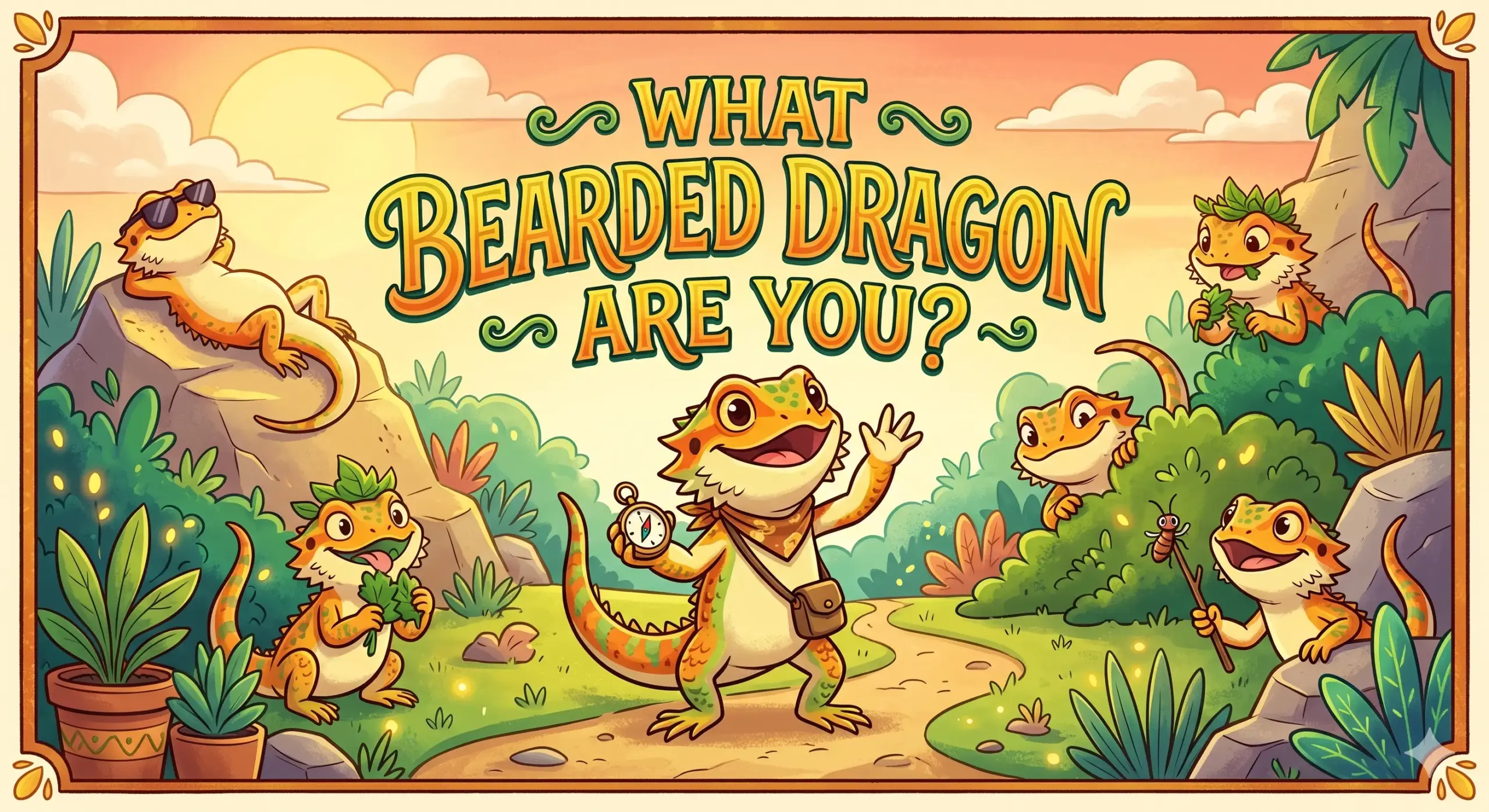
Discovering Reptile Personalities: What Bearded Dragon Are You?
Reptile psychology is a fascinating field that highlights how environmental stimuli shape individual lizard habits. While some dragons are naturally bold, others might display cautious or deeply relaxed traits depending on their baseline stress and socialization history.
This interactive assessment evaluates daily habits, activity thresholds, and interactive responses to determine which distinct personality category best fits your beloved pet. Count your points carefully for each option to reveal the true nature of your reptile.
The Results (Add up your points!)
You are a majestic but picky dragon. You value your privacy and only eat the finest greens. You are the boss of the house, and everyone knows it!
You are the perfect companion! Easy-going, curious, and friendly. You love your humans and enjoy observing the world around you with a calm smile.
You are a wild soul! High energy, a fierce hunter, and always ready for an adventure. Your personality is as big as your appetite!
Identifying these core behaviors is an entertaining way to optimize your husbandry techniques. Whether your reptile falls into a passive or active profile, adjusting your care framework ensures high standard health outcomes over time.
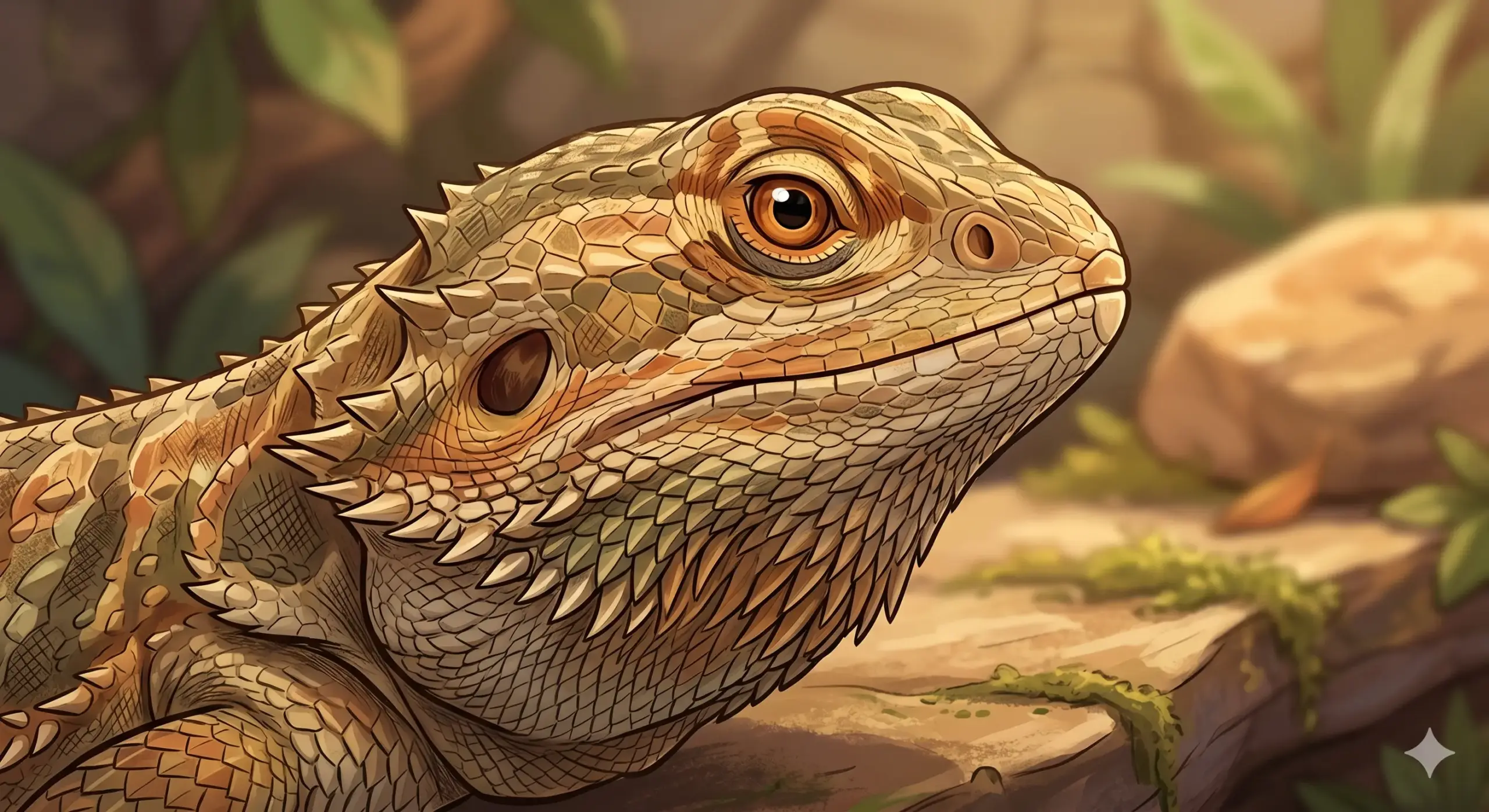
The Human Experience: A Lifelong Reptilian Connection
I still vividly remember the morning I brought home my first young reptile companion. It sat frozen on a small branch, staring at me with ancient, unblinking eyes that felt completely unreadable. My heart sank instantly because I worried we would never truly connect or understand each other’s boundaries. Building trust with a reptile requires an immense amount of patience, gentle handling, and hours of quiet observation.
Slowly, things began to change. One afternoon, after weeks of slow movements, it didn’t scurry away when my hand approached the enclosure glass. Instead, it crawled calmly onto my palm, seeking out the natural warmth of my skin with complete confidence. It was a small gesture, but it felt incredibly profound. That beautiful moment of mutual trust permanently transformed my entire perspective on reptile companionship.
Comparing Reptile Personality Profiles
To better manage domestic environments, it helps to analyze reptile categories systematically. The following matrix illustrates how target behaviors correlate with daily husbandry requirements, active patterns, and overall space needs.
| Personality Category | Primary Daytime Behavior | Dietary Preferences | Ideal Tank Layout Focus |
|---|---|---|---|
| The Grumpy King/Queen | Solitary basking, frequent hiding | Selective greens, specific insects | Deep hideouts, private corners |
| The Chill Explorer | Active glass-watching, interactive | Balanced vegetation and live prey | Open climbing branches, view platforms |
| The Tiny Dinosaur | High-speed hunting, constant movement | Aggressive feeding on running insects | Large open floor space, sturdy ramps |
By mapping out these unique temperaments, keepers can confidently design specialized enclosure enrichment elements. For further diagnostic support regarding reptile wellbeing and disease prevention, refer to established scientific groups like the Association of Reptile and Amphibian Veterinarians (ARAV).
🦎✨The Fun Doesn’t End Here!
Did you enjoy your result? Whether you are a Grumpy King or a Tiny Dinosaur, your dragon deserves the best care!
Since you now know your dragon’s personality, why not discover more secrets about them? Check out our most popular guides:
Bearded Dragon Diet: What Can They Eat? (Complete Guide 2026)
Bearded Dragon UVB Light Setup: A Step-by-Step Installation Guide
7 Warning Signs Your Bearded Dragon is Sick (Don’t Ignore These!)
Don’t forget to share your result on Facebook and tag your friends to see what type of dragon they are!