
In the wild, hedgehogs are natural wanderers that travel miles every single night across vast landscapes. When you bring one into your home, your primary goal is to simulate that freedom while providing safety. A proper African Pygmy Hedgehog Habitat makes the vital difference between a stressed, sickly pet and a thriving, active companion.
Designing this micro-environment requires a deep understanding of their biological imperatives, thermal regulations, and psychological behaviors. Pet parents often underestimate how sensitive these unique creatures are to their surroundings. Every single choice you make, from enclosure walls to running surfaces, directly dictates their longevity.
As nocturnal insectivores, their daily rhythm relies heavily on absolute environmental consistency and reliable security. Crafting an optimized African Pygmy Hedgehog Habitat ensures your small companion experiences minimal cortisol spikes and stays safe. Let us explore the absolute master principles of building the ultimate sanctuary for your prickly family member.
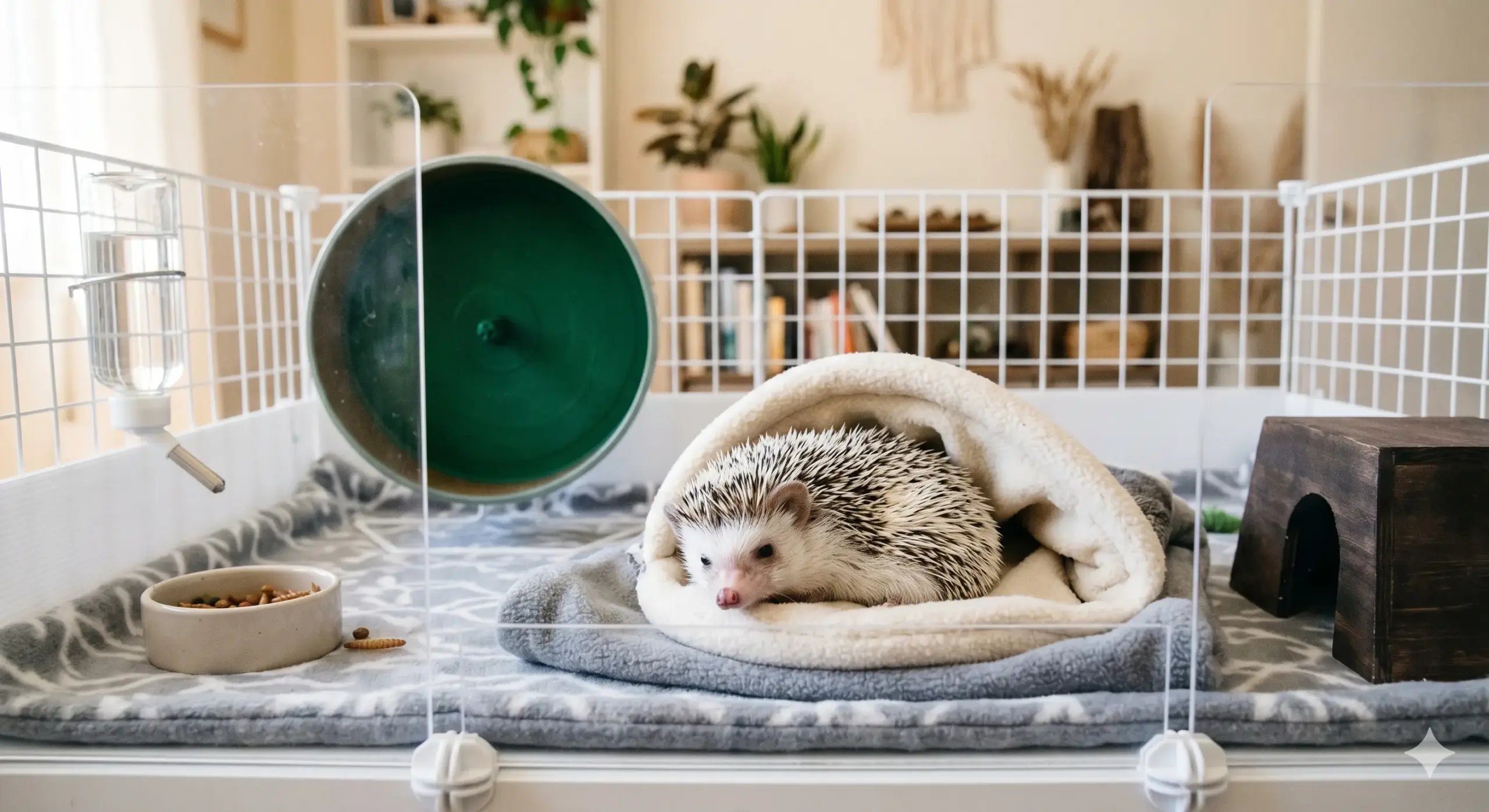
1. Choosing the Right Cage for Your African Pygmy Hedgehog Habitat
The core foundation of your African Pygmy Hedgehog Habitat is the physical structural enclosure itself. Space is a non-negotiable metric because confined spaces lead directly to rapid muscle atrophy, severe obesity, and mental depression. Your choice of structural housing sets the absolute ceiling for your exotic pet’s daily quality of life.
Minimum Dimensions and Floor Space Space Requirements
You should aim for at least 4 to 6 square feet of completely continuous, flat usable floor space. Bigger is always vastly superior when dealing with an animal wired biologically to roam long distances every evening. A cramped cage restricts movement, leading to structural joint stiffness and psychological pacing behaviors that indicate severe distress.
Multi-level structures are highly discouraged unless the internal ramps are completely enclosed and possess exceptionally shallow inclines. Hedgehogs have notoriously poor depth perception and will easily walk straight off high ledges, causing catastrophic injuries. Stick to a wide, expansive single-level layout to guarantee maximum safety and optimal room for enrichment.
Ventilation Dynamics and Structural Selection
While large modified plastic bins are popular and hold heat well, they must have plenty of open air holes drilled. Stagnant air allows ammonia fumes from concentrated urine to build up rapidly, causing irreversible lung damage to your small pet. Airflow is a critical aspect of managing a safe, sanitary African Pygmy Hedgehog Habitat over long periods.
C&C cages (cubes and coroplast) are structurally excellent for providing both vast floor space and stellar continuous ambient ventilation. The solid coroplast walls prevent draft chills while the open grid tops allow clean, fresh atmospheric air circulation. Ensure the perimeter walls rise at least 12 inches high to prevent clever climbing escapes.
Why You Must Completely Avoid Wire Floors
Never use an enclosure with a wire grid bottom under any circumstances within an African Pygmy Hedgehog Habitat. Hedgehog feet are incredibly delicate, fragile, and completely lack the natural padding found on domestic canine or feline paws. Wire bars cause painful pressure sores, severe micro-tears, and structural pododermatitis infections over time.
Furthermore, small toes can easily get snagged, twisted, or cleanly broken if they slip through open metal gaps. A solid, uniform, smooth floor surface is mandatory to safeguard their physical mobility and ensure pain-free nocturnal exploration. Guarding their limbs from unnecessary architectural hazards must be your top structural design priority.
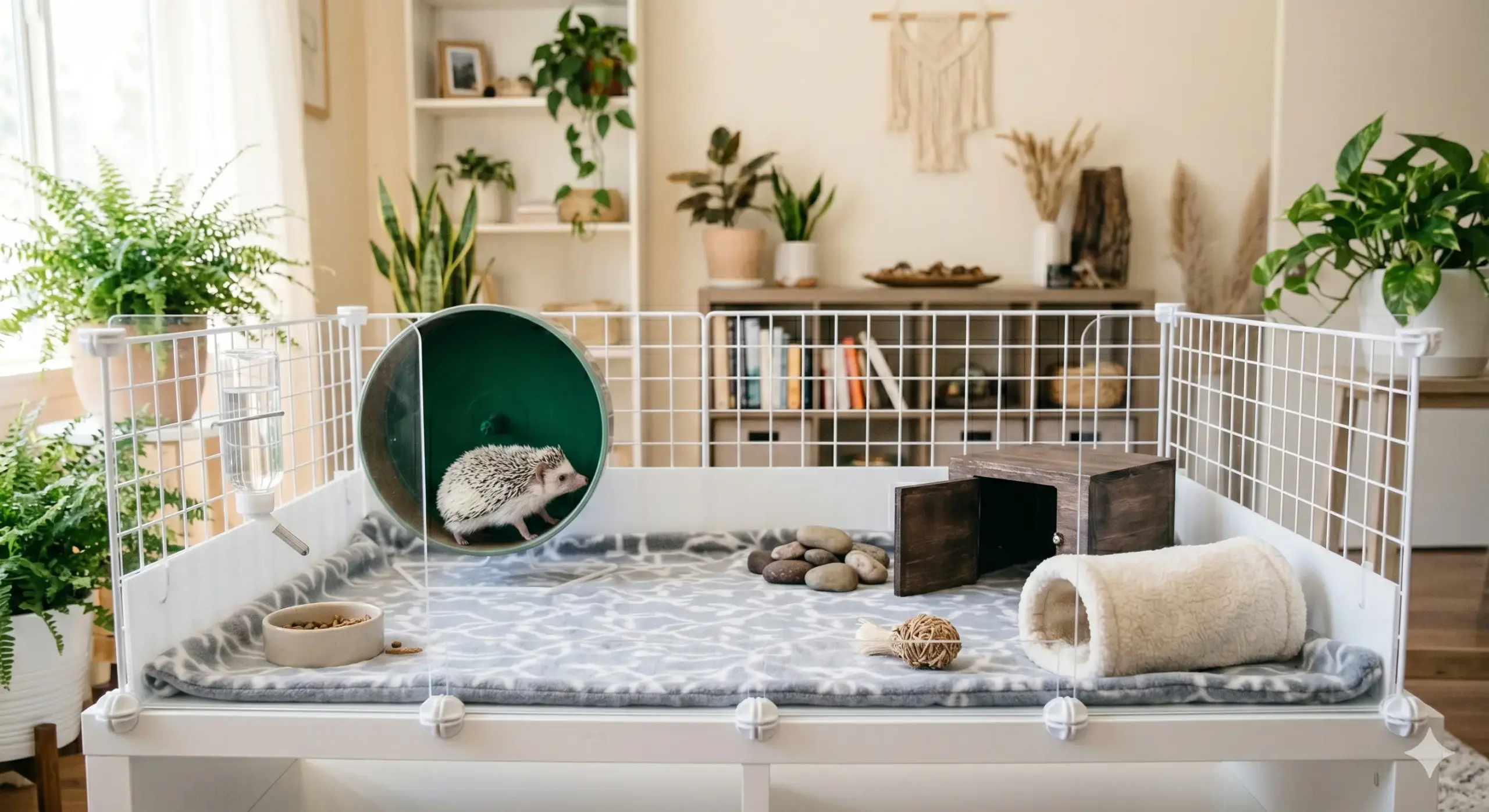
2. Bedding: Comfort, Safety, and Substrate Choices
What you place directly on the floor of the African Pygmy Hedgehog Habitat matters deeply for their respiratory health. Because their sensitive noses remain constantly glued to the ground while foraging, substrate toxicity presents an immediate danger. The wrong substrate will quietly introduce chronic illnesses that drastically shorten their lifespan.
Fleece Liners: The Gold Standard Substrate
Fabric fleece liners are highly recommended because they are completely reusable, fully dust-free, and remarkably safe for daily contact. They eliminate the possibility of substrate ingestion and completely remove the risk of loose strands wrapping tightly around tiny legs. This choice creates an incredibly clean, hypoallergenic surface that supports overall respiratory wellness.
When preparing fleece, always wash it multiple times using unscented, hypoallergenic detergent to strip the factory water barrier. Spot-clean the fleece daily to remove stray feces and wash the entire liner thoroughly at least twice per week. This strict routine keeps fungal blooms and bacterial accumulation completely at bay inside the home.
Safe Disposable Paper Bedding Options
A high-quality, ultra-absorbent loose paper bedding serves as a good disposable option, provided it remains strictly unscented and low-dust. Look for brands that explicitly process raw cellulose fibers to remove fine particulate matter before packaging the material. This ensures your pet can happily burrow without inhaling microscopic dust clouds that irritate airways.
Avoid any commercial products containing artificial scent masking agents or baking soda additives meant to cover up pet odors. These harsh chemical compounds easily trigger severe skin allergies and chronic sneezing fits in sensitive exotic mammals. Keep things completely natural, pristine, and entirely chemical-free for the absolute best health results.
Toxic Materials to Avoid At All Costs
Wood shavings like Cedar or Pine contain toxic aromatic oils that cause severe, incurable respiratory infections in small mammals. When exposed to internal body heat or moisture, these raw woods release volatile phenols that steadily destroy sensitive lung linings. They also strip away protective dermal oils, leading to chronic dry, intensely itchy skin conditions.
Aspen shavings are technically safer than pine but still carry significant risks of harboring microscopic mites and creating excessive dust. Additionally, loose wood particles can easily lodge themselves inside delicate male anatomical areas, causing painful internal blockages. Eliminate these outdated wood bedding choices entirely to guarantee a completely secure home environment.
3. Heating: The Critical Component of Survival
Since they are a tropical African species, your custom African Pygmy Hedgehog Habitat must stay warm all year long. They lack the biological mechanism to safely tolerate cold weather conditions like their wild European cousins do naturally. A failure to manage internal heat levels will quickly trigger a fatal biological event.
The Safe Ideal Ambient Temperature Range
Maintain a constant, unwavering ambient temperature strictly between 23°C and 26°C (74°F – 80°F) inside the entire enclosure. If the environment drops below this threshold, your pet’s body will automatically attempt to enter an induced hibernation state. Domesticated pygmy hedgehogs cannot survive hibernation; their organs will slowly shut down, leading to death.
Conversely, temperatures exceeding 28°C (82°F) will induce dangerous heat stress, leading to rapid dehydration and heatstroke complications. You must actively monitor both sides of the thermal spectrum with absolute precision using accurate digital probes. Consistency is the primary cornerstone of maintaining a truly safe African Pygmy Hedgehog Habitat.
The Mandatory Heating Tools of the Trade
To achieve this, use a specialized Ceramic Heat Emitter (CHE) bulb that emits deep infrared heat but zero visible light waves. Because hedgehogs require strict, undisturbed nighttime darkness to forage, standard glowing heat lamps will completely disrupt their natural circadian rhythms. Pair this specialized bulb with a heavy-duty, deep-dome porcelain socket designed safely for high heat.
This entire setup must be plugged directly into a high-quality digital thermostat controller to prevent dangerous overheating accidents. Place the thermostat’s reading probe directly inside the cage living zone to regulate power delivery to the bulb automatically. This automation ensures the African Pygmy Hedgehog Habitat remains safely locked within the ideal target window.
Important Environmental Temperature Safety Notes
Never rely on your general home’s ambient central room thermostat alone to keep the enclosure safe from cold drafts. Shifting drafts near windows or floor-level temperature drops can create hidden micro-climates that are drastically colder than the room. A dedicated, localized heat system is a mandatory safeguard that protects your pet from sudden outdoor weather changes.
Avoid utilizing standard reptile heat mats or heating pads placed underneath the cage floors as your primary warming source. These devices only warm the immediate plastic surface and completely fail to raise the ambient air temperature your pet breathes. They also present significant burn risks if a hedgehog burrows down to sit directly against the hot floor.
4. Enrichment, Hides, and Mental Stimulation
An empty cage is nothing more than a sterile prison that rapidly degrades an animal’s cognitive health over time. Your African Pygmy Hedgehog Habitat must feature dynamic layout elements that encourage natural foraging instincts, physical play, and safe exploration. Mental engagement keeps their minds sharp and bodies optimally active throughout their lifespan.
Secure Hiding Spots and Snuggle Sacks
A hedgehog feels safest and most secure when they have a completely dark, private place to retreat from daylight. Provide at least one dark igloo hide-out, a hollow log, or a plush, double-layered fabric fleece snuggle sack. Having multiple diverse hiding zones allows them to select their preferred micro-climate without feeling exposed to predators.
Place one hiding structure on the warmer side of the enclosure and an alternative one on the cooler side. This structural duality gives your pet the freedom to thermoregulate naturally throughout the day without sacrificing their sense of safety. Security directly reduces chronic stress, which significantly boosts their natural immune system performance.
The Non-Negotiable Exercise Wheel
A high-quality 12-inch solid-surface running wheel is an absolute must-have inside every single African Pygmy Hedgehog Habitat to actively prevent obesity. Because they possess boundless nocturnal energy, a wheel serves as their primary outlet for burning calories and staying fit. Without one, they will rapidly gain excess weight, causing severe fatty liver disease.
Ensure the running surface is entirely solid and completely free of any dangerous wire mesh or open ventilation grids. Wire wheels easily catch small nails, tearing them completely out of the paw and fracturing delicate leg bones instantly. Clean the wheel surface daily, as they frequently relieve themselves while running long distances at night.
| Habitat Component | Optimal Choice | Dangerous/Avoid | Primary Benefit |
|---|---|---|---|
| Enclosure Type | C&C Cage / Large Drilled Bin | Small Wire Cages / Open Ramps | Prevents escapes; guarantees ventilation |
| Floor Material | Smooth Solid Plastic / Coroplast | Open Wire Mesh Bottoms | Protects fragile toes and limbs |
| Substrate | Anti-Pill Fleece Liners | Cedar / Pine Shavings | Eliminates toxic respiratory dust |
| Heating Method | Ceramic Heat Emitter + Thermostat | Under-Tank Mats / Room Air Only | Prevents deadly hibernation attempts |
| Exercise Equipment | 12-Inch Solid Surface Wheel | Wire Mesh Running Wheels | Safely thwarts dangerous obesity |
The Human Experience: A Lifelong Lesson in Patience
I remember the quiet panic of my first winter as a caregiver. My tiny companion, Barnaby, refused to leave his green fleece pouch for two whole days. I knelt by the enclosure, my heart hammering against my ribs, convinced I was failing him completely. I checked the digital probe. 21°C. It was too cold. He was balled up tight, lethargic, his quills pointing in every chaotic direction as he hissed softly at my touch. I immediately adjusted the ceramic heat emitter, dialed up the digital thermostat, and wrapped his shivering form against my bare skin for hours. Slowly, the warmth broke his terrifying torpor. He uncurled. A wet nose nudged my thumb. That moment of raw, vulnerable connection taught me that this is not just about keeping a pet; it is an exercise in profound devotion. It takes time to earn the trust of a creature covered in needles. You learn to listen to the subtle language of huffs, clicks, and quiet purrs. The bond is built on silent, steady reliability.
Summary of Habitat Excellence
Setting up an optimized African Pygmy Hedgehog Habitat requires some deliberate initial financial investment, but it pays off immensely in health. By fiercely prioritizing expansive floor space, constant tropical warmth, and perfectly smooth flooring, you set the stage for a wonderful life. Your prickly friend relies entirely on your attention to detail to survive and thrive in captivity.
Remember that habitat design is an evolving, dynamic process that requires daily monitoring, routine cleaning, and steady thermal adjustments. Keep their environment clean, safe, and engaging, and they will reward you with years of fascinating nocturnal antics. Protecting their micro-environment is the ultimate expression of responsible, compassionate exotic pet ownership.
Now that the home is ready, what is on the menu for dinner tonight? A pristine diet is just as critically important as proper structural housing for long-term health. Learn exactly how to feed and nurture your companion correctly by reading our comprehensive guide: Hedgehog: How to Take Care!
Frequently Asked Questions About Hedgehog Habitats
Q: Can I use a glass fish aquarium for my African Pygmy Hedgehog Habitat?
A: Glass aquariums are highly discouraged because they offer incredibly poor ventilation, which traps toxic ammonia fumes from urine at the bottom. They are also incredibly heavy to clean and make precise ambient temperature regulation exceptionally difficult to maintain.
Q: How often do I need to clean the entire enclosure setup?
A: You should spot-clean feces and wash the running wheel every single day. The main bedding, whether it is loose paper or fabric fleece liners, must be completely swapped out and thoroughly sanitized at least twice every week.
Q: Do hedgehogs need specialized lighting during the daytime hours?
A: Yes, they require a consistent 12-hour light and dark cycle to maintain their natural internal biological clock. You can place the cage in a naturally lit room (out of direct sunlight) or utilize a basic low-wattage LED light on an automatic wall timer.
Q: Can two African Pygmy Hedgehogs live together in a single large cage?
A: No, hedgehogs are strictly solitary territorial animals in the wild and must always be housed completely alone. Forcing them to share a habitat will inevitably lead to severe stress, aggressive territorial fighting, and catastrophic physical injuries.
For more detailed scientific insights into the biological health requirements of small exotic mammals, you can consult the authoritative care standards published by the VCA Animal Hospitals network.