
Hedgehogs, often affectionately called “quill babies,” are fascinating insectivores at heart. While a high-quality nutritional kibble serves as their essential daily staple, incorporating healthy hedgehog treats into their dietary regimen is an exceptional way to foster deep bonding, build trust, and provide much-needed cognitive stimulation. Their physical well-being depends heavily on what owners offer during these reward sessions.
However, their unique digestive systems remain incredibly sensitive to sudden changes and improper sugars. Not every common “human food” or commercial snack on the market serves as a safe option for these small exotic mammals. In this comprehensive expert guide, we will thoroughly explore the safest, most nutritious, and highly rewarding options available, while learning exactly how to utilize hedgehog treats to enhance your pet’s longevity and daily happiness.
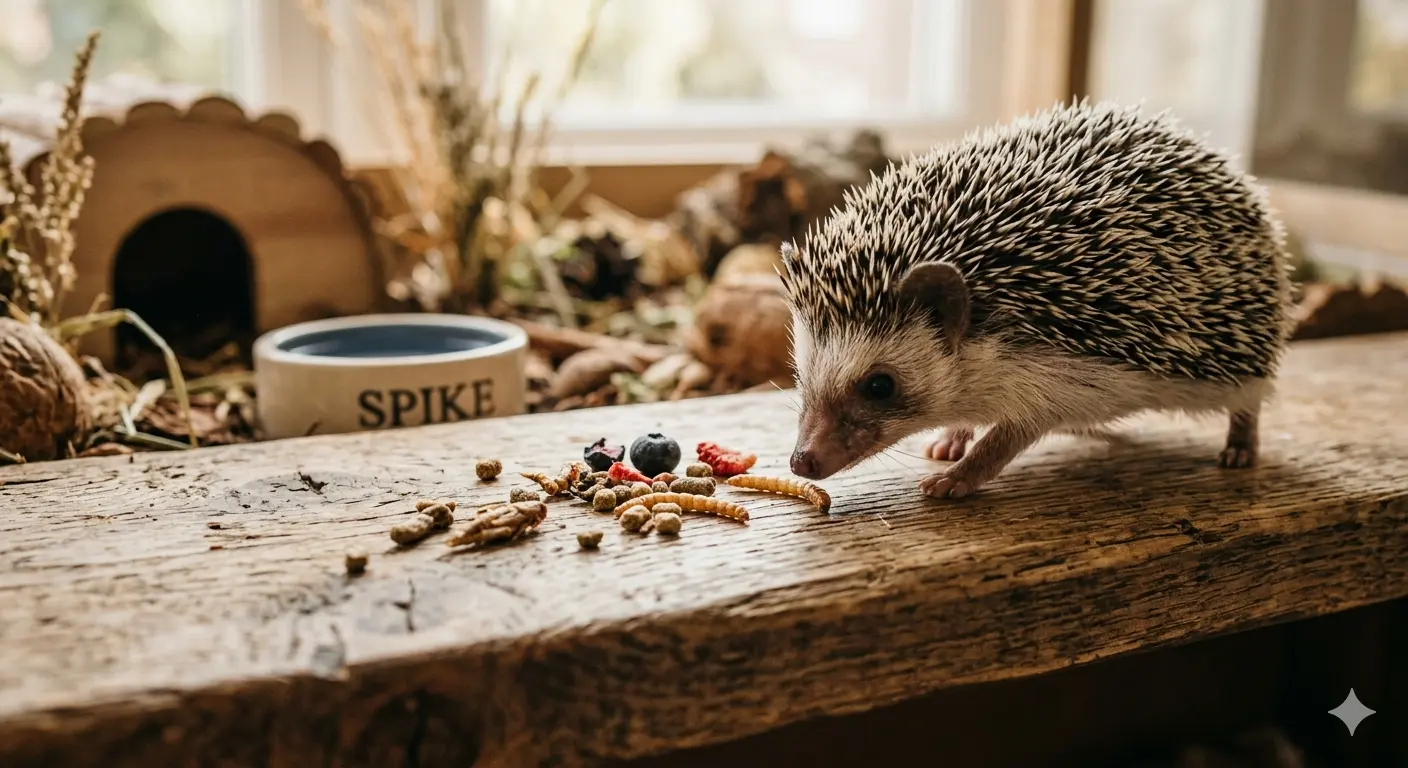
1. The Best High-Protein Hedgehog Treats (The Ultimate Favorites)
Since hedgehogs are structurally and biologically insectivores, various bugs represent the ultimate dietary reward. These small foraging animals are naturally driven by an intense predatory instinct to hunt, crunch, and consume high-protein prey. Providing live or freeze-dried options feeds this deep ancestral drive perfectly.
When selecting insect-based hedgehog treats, it is vital to balance nutritional value with fat content. Many popular feeder insects carry varying ratios of calcium, phosphorus, and lipids that can impact your pet’s long-term health if not managed with care and strict moderation.
Mealworms: The Absolute Crowd Pleaser
Mealworms are undeniably equivalent to “chocolate” for companion hedgehogs. They absolutely love the intense flavor and will actively track them down anywhere in their enclosure! However, mealworms are notoriously high in saturated fats and contain an imbalanced calcium-to-phosphorus ratio.
To avoid serious skeletal issues and rapid weight gain, you must strictly limit these specific hedgehog treats to just 2-3 individual worms a few times a week. Choosing live mealworms provides great movement that encourages physical activity, while freeze-dried variants offer excellent shelf-stable convenience for quick bonding moments.
Crickets: Perfect for Physical Exercise
Live crickets provide an incredible avenue for physical exercise and essential behavioral enrichment. Watching your exotic pet actively stalk, pursue, and pounce on a live cricket around their cage is a wonderful joy that simulates natural wild foraging routines.
Nutritionally, crickets are lower in fat than mealworms and offer a great source of moisture and chitin, which supports healthy digestion. Ensure you purchase gut-loaded crickets from reputable commercial breeders to maximize the vitamin delivery of these interactive hedgehog treats.
Dubia Roaches: The Highly Nutritious Powerhouse
Dubia roaches stand out as an incredibly nutritious choice for discerning pet parents. They are substantially cleaner, easier to keep, and slower moving than standard crickets, making them easier targets for younger or more timid quill babies.
These premium insects possess an excellent protein-to-fat ratio and a much healthier outer exoskeleton. Integrating gut-loaded Dubia roaches into your regular rotation of premium hedgehog treats guarantees a powerful boost of clean energy without overloading their sensitive livers with unnecessary fats.
Plain Cooked Eggs: Soft and Nutrient-Dense
A tiny piece of completely plain scrambled or hard-boiled egg serves as a fantastic whole-food protein boost. Eggs contain essential amino acids that support healthy quill production and vibrant skin health during intense seasonal quilling phases.
Never add any table salt, butter, cooking oil, or kitchen spices when preparing this snack for your pet. Let the egg cool completely to room temperature before serving, making it one of the most accessible and affordable homemade hedgehog treats in your kitchen arsenal.

2. Fruits and Veggies: Exploring The Sweet Side of Snacks
While insects form the foundational core of their supplemental intake, some individuals genuinely enjoy exploring the vibrant world of fresh garden produce. Introducing occasional fruits and vegetables introduces unique textures, essential vitamins, and hydrating moisture to their weekly menu.
You must always thoroughly wash all fresh produce to remove any residual agricultural chemical residues. Furthermore, always cut these agricultural additions into tiny, microscopic bite-sized pieces to eliminate potential choking hazards and ensure effortless swallowing.
Safe and Nutritious Fruits
Antioxidant-rich choices such as sliced strawberries, fresh blueberries, and meticulously peeled sweet apples (with every single seed carefully removed) are incredible options. The natural sugars present in these fruits mean they must be treated strictly as occasional luxury hedgehog treats rather than daily meals.
Overindulgence in sweet fruits can easily induce diarrhea or soft, foul-smelling stools due to their delicate gut flora. Offer a single blueberry or a tiny sliver of apple once or twice a week to keep their teeth clean and their taste buds pleasantly delighted.
Safe and Digestible Vegetables
Excellent vegetable selections include unseasoned cooked sweet potato, crisp fresh cucumber slices, and lightly steamed broccoli florets. Raw vegetables are often much too dense and firm for their tiny jaws to break down safely, which can lead to intestinal blockages if swallowed whole.
Steaming or boiling vegetables softens the complex plant fibers, rendering them easily digestible for your pet. These green additions function as fantastic low-calorie hedgehog treats that supply beneficial dietary fiber to keep their gastrointestinal motility operating smoothly and consistently.
Expert Care Tip: To build a truly balanced foundation for your pet, it is essential to understand their core dietary requirements. Discover our ultimate breakdown on what to feed your pet by exploring our guide: What Hedgehog Eat: Comprehensive Nutritional Guide.
3. The Human Experience: A Journey of Patience and Prickles
Sitting on my cold living room floor at 2 AM, I watched Pip peer out from his fleece hide. He was trembling. His quills stood up like a tiny, defensive fortress of sharp pins. I held a single freeze-dried worm on the tip of my fingers, motionless and holding my breath. Trust isn’t built overnight with an animal that naturally views the entire universe as a predatory threat. It takes weeks of quiet waiting. Suddenly, his small pink nose twitched, catching the familiar scent of his favorite snack. He tentatively took three slow steps forward, clicked his tongue, and snatched the small reward right from my hand before instantly retreating back into the shadows. That breakthrough moment filled my heart with absolute warmth. It proved that consistent, patient interactions paired with rewarding snacks can melt away even the most stubborn defensive instincts, transforming a terrified ball of spikes into a trusting, curious companion who recognizes the safety of your touch.
4. Hedgehog Treats to NEVER Feed (The Critical Danger Zone)
Navigating the world of animal husbandry requires knowing exactly what to avoid to protect your pet from medical emergencies. Many human foods that seem completely harmless can cause devastating physiological damage, severe internal poisoning, or rapid organ failure within a matter of hours.
According to the clinical dietary safety standards published by the Association of Exotic Mammal Veterinarians, maintaining a strict barrier against toxic substances is paramount. Below are the primary hazardous items you must ban from your home entirely.
- Grapes and Raisins: These items contain unknown toxic compounds that can rapidly induce acute kidney failure in small insectivores, making them completely lethal even in microscopic amounts.
- Dairy Products: These animals are entirely lactose intolerant; feeding them milk, yogurt, or cheese will cause severe stomach cramps, painful gas, and life-threatening dehydration from chronic diarrhea.
- Insects Sourced From The Wild: Never harvest bugs from your backyard garden, as they frequently carry toxic environmental pesticides, chemical fertilizers, or internal parasitic worms that will infest your pet.
- Sticky and Hard Foods: Dried fruits, dense nuts, and sticky peanut butter can easily become wedged firmly in the roof of their narrow mouths, leading to extreme panic, suffocation, or severe oral infections.

5. Comparison Matrix: Evaluating Popular Hedgehog Treats
To help you make the best decisions at the pet store, this comprehensive comparison matrix details the nutritional properties, ideal serving frequencies, and primary benefits of the most popular rewards available today.
| Snack Type | Protein Content | Fat Level | Recommended Frequency | Primary Benefit |
|---|---|---|---|---|
| Mealworms | Moderate | Extremely High | 2-3 worms, twice a week | Unmatched palatability for bonding |
| Crickets | Very High | Low | 3-4 crickets, weekly | Encourages physical exercise |
| Dubia Roaches | Excellent | Low-Moderate | 2-3 roaches, weekly | Superior clean nutritional profile |
| Cooked Eggs | High | Moderate | Teaspoon size, occasionally | Supports healthy skin and quills |
| Fresh Berries | Low | Minimal | One single berry, weekly | Provides vitamin C and antioxidants |
6. How Often Should You Offer Supplemental Hedgehog Treats?
When it comes to managing the long-term health of an exotic insectivore, moderation is the golden rule. Obesity is an incredibly widespread and severe health crisis among domestic pet hedgehogs. Captive environments naturally limit their physical roaming space compared to the miles they travel nightly in the wild.
As a strict nutritional standard, supplemental hedgehog treats must never account for more than 10% of your pet’s total weekly caloric intake. Overfeeding rich snacks quickly leads to fatty liver disease, cardiovascular strain, and joint issues that prevent them from running on their wheels.
Instead of leaving snacks in their food dish overnight, utilize these precious resources as deliberate rewards during dedicated taming sessions. Offering a delicious snack right after a stressful nail trim or during an evening lap-time bonding session creates positive mental associations, making your pet much more comfortable with regular handling.
7. Frequently Asked Questions (FAQ)
Can I feed my pet freeze-dried insects instead of live ones?
Yes, freeze-dried options function as excellent, highly convenient hedgehog treats. However, because they lack moisture, ensure your pet has constant access to clean drinking water, and try to supplement them with live prey occasionally to encourage natural hydration and hunting activity.
What should I do if my pet swallows a wild insect by accident?
Monitor your pet closely over the next 48 hours for any sudden behavioral changes, such as lethargy, vomiting, or abnormal green stools. If you suspect the wild insect was exposed to lawn chemicals or parasites, contact an experienced exotic animal veterinarian immediately for a professional evaluation.
Are commercial snacks marketed for hedgehogs safe to buy?
Regrettably, many commercial snacks explicitly labeled for hedgehogs contain harmful fillers, artificial preservatives, dried fruits, or excessive corn syrup. Always scrutinize the ingredient list carefully, and prioritize whole, natural options like live insects and fresh produce over heavily processed factory treats.
Conclusion: Cultivating Harmony with Healthy Choices
Selecting the perfect variety of premium hedgehog treats is entirely about finding a harmonious balance between emotional fun and sound biological nutrition. By anchoring their supplemental intake around high-quality, gut-loaded insects, and offering occasional fresh, vitamin-rich garden produce, you protect your prickly companion from the severe dangers of domestic obesity and organ toxicity.
Remember that every single animal possesses its own distinct personality and flavor preferences. Be patient, observe their reactions, and responsibly enjoy the wonderful journey of discovering which wholesome hedgehog treats bring the most joy to your beloved quill baby!