
Choosing the right nutrition for your animal companion is one of the most critical decisions you will make as an owner. Many pet parents frequently ask themselves: what pet food is the best for long-term health, vitality, and disease prevention? Navigating the crowded aisles of modern pet stores can feel completely overwhelming with endless biological claims.
The immediate answer to what pet food is the best depends entirely on your animal’s biological classification, life stage, and physiological health status. Nutritional requirements vary drastically between canine omnivores, feline obligate carnivores, and sensitive exotic species requiring highly specialized diets.
To capture the foundational core of animal nutrition instantly, look at the comprehensive summary matrix below before we dive deep into specific dietary formulations, LSI ingredients, macro-nutritional profiles, and manufacturing processes.
| Pet Type | Primary Dietary Category | Key Macronutrient Focus | Top Formulation Choice |
|---|---|---|---|
| Dogs (Canines) | Facultative Omnivores | Moderate Protein, Healthy Grains, Fats | Ancient grains or premium whole protein formulas |
| Cats (Felines) | Obligate Carnivores | High Animal Protein, Taurine, High Moisture | Moisture-rich wet food or premium meat shreds |
| Exotic Pets | Varies (Herbivores/Insectivores) | Species-specific fiber, live prey, micro-nutrients | Fresh forage, raw greens, or targeted pellets |
Biological Foundations: Decoding the Optimal Canine Diet
Dogs are incredibly adaptable animalsclassified biologically as facultative omnivores. This metabolic classification means they thrive beautifully on a precise mix of animal protein, healthy functional grains, and nutrient-dense vegetables.
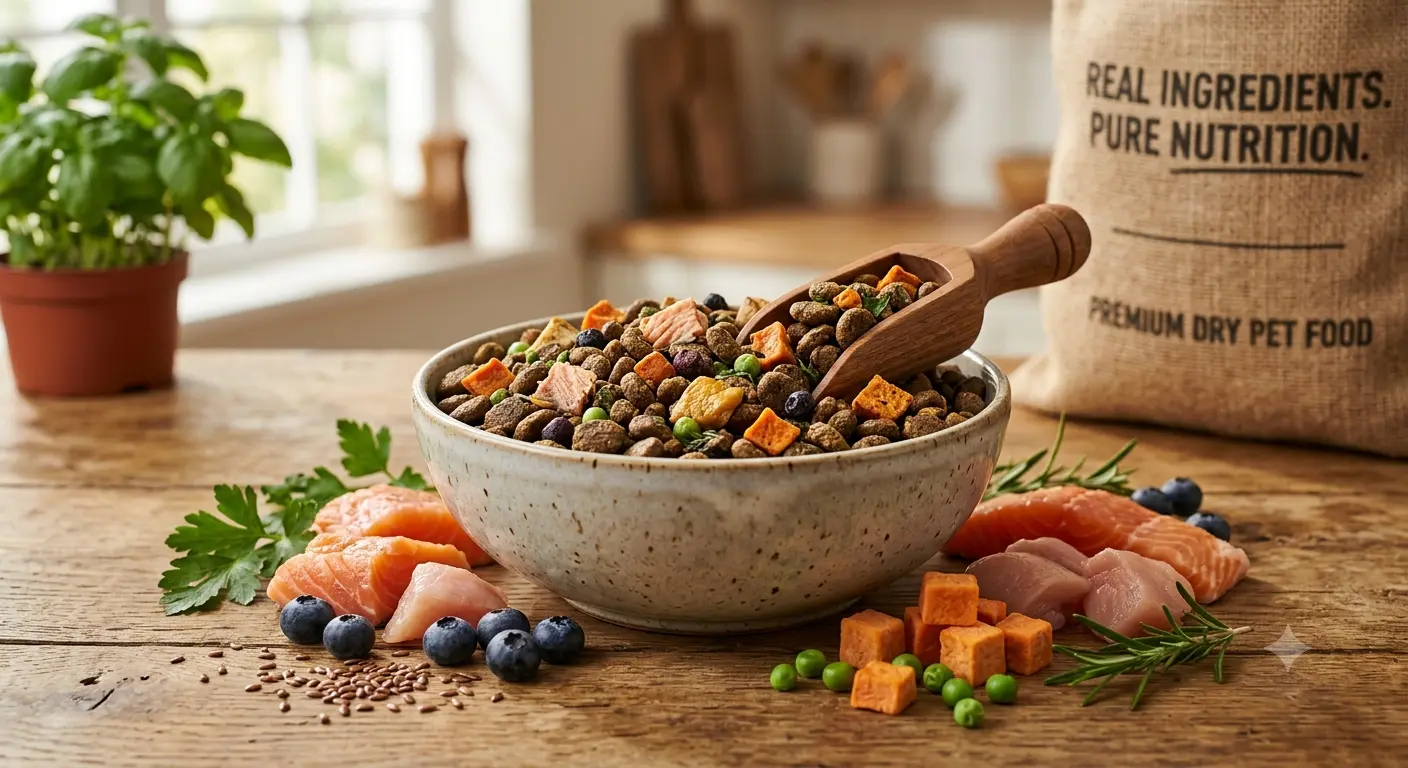
When analyzing what pet food is the best for your dog, you must prioritize identifiable whole meats as the primary ingredient. Lean muscle meat provides essential amino acids like methionine and cystine, which support robust cellular repair and active muscular health.
Currently, grain-free or ancient grain formulas with high protein content are trending significantly for active breeds. Ancient grains like quinoa, sorghum, and millet offer steady glycemic indexes, ensuring your canine experiences no sudden energy crashes or insulin spikes throughout the afternoon.
However, completely grain-free diets must be approached with caution. Ensure that alternative carbohydrate sources like lentils or chickpeas do not artificially elevate the crude protein percentage on the nutritional analysis label.
Active and working breeds require higher lipid ratios to sustain structural energy expenditure. Look for natural sources of omega-3 and omega-6 fatty acids, such as salmon oil and flaxseed, which optimize cognitive development and guarantee a radiant, glossy coat.

The Obligate Carnivore Standard: What Cats Truly Require
Felines have distinct metabolic pathways that separate them entirely from canines. Cats are strict, obligate carnivores, which means they must consume high-quality animal meat to survive and maintain basic physiological homeostasis.
They lack the specific hepatic enzymes required to process significant amounts of plant-based carbohydrates. Therefore, evaluating what pet food is the best for a cat requires looking for a minimal carbohydrate footprint and a massive emphasis on true animal tissues.
Felines cannot synthesize essential micro-nutrients like taurine, vitamin A, and arachidonic acid from plant materials. A severe deficiency in taurine can directly lead to feline dilated cardiomyopathy or irreversible retinal degeneration over time.
Wet food is often recommended by vets to ensure proper hydration and high protein intake. Wild felines derive almost all their systemic water intake directly from their prey, resulting in a low evolutionary thirst drive.
Chronic feeding of dry kibble to cats can lead to concentrated urine, crystal formation, and severe lower urinary tract diseases. Mixing moisture-rich wet food into their daily routine safeguards renal filtration functions effectively.
Exotic Pets: Navigating Complex Nutritional Ecosystems
Exotic pets, including unique reptiles, small mammals, and avian species, possess incredibly diverse and strict dietary requirements. Unlike domesticated dogs and cats, their digestive tracts have not adapted to generalized commercial manufacturing processing.
For small herbivores like guinea pigs and rabbits, unlimited high-fiber timothy hay is absolutely non-negotiable. Their hindgut fermentation systems rely on a continuous flow of long-strand fiber to prevent gastrointestinal stasis and wear down continuously growing teeth.
Reptiles present an entirely different set of nutritional challenges depending on whether they are insectivores, herbivores, or carnivores. A bearded dragon requires a shifting ratio of live, gut-loaded insects and calcium-dusted leafy greens as they mature.
When deciding what pet food is the best for an exotic creature, specialized pelleted diets can provide safety, but they must always be supplemented with fresh, species-appropriate whole foods to mimic natural foraging activities.
Last winter, my rescue cat, Oliver, stopped eating entirely. His eyes looked dull. The veterinary clinic felt cold, and the diagnoses were vague. I spent nights researching ingredients, desperately trying to figure out what pet food is the best for his failing kidneys. I switched him to a carefully hydrated, raw-inspired diet. The transition required immense patience. Slowly, his strength returned. Watching him leap onto the window sill again brought tears to my eyes. That emotional breakthrough taught me that nutrition isn’t just about laboratory data; it is a profound act of love and daily commitment.
Formulation Face-Off: Raw vs. Dry vs. Wet Food
Understanding the structural differences between manufacturing styles is crucial for choosing the right option. Every processing methodology offers specific pros and cons regarding convenience, shelf stability, and biological availability.
- Dry Kibble: Best for dental health, mechanical plaque removal, and ultimate daily convenience. It uses an extrusion process that requires starches to bind the kibble shapes together.
- Wet Food: Best for dynamic hydration, renal support, and enticing picky eaters. It undergoes sterilization in sealed cans, preserving natural meat juices without heavy chemical additives.
- Raw Diet: Increasingly popular for mimicking a natural ancestral diet, but requires extremely careful handling to avoid harmful bacterial pathogen transmission.
If you are exploring local options in specific metropolitan areas, finding tailored professional guidance is invaluable. For a hyper-local perspective on choosing formulations, check out our comprehensive Pet Food Kansas City Guide for top regional recommendations.

3 Dangerous Red Flags to Avoid in Commercial Pet Food
Protecting your animal companion means knowing how to read the fine print on the back of the packaging. Many commercial brands use clever marketing terms on the front label while hiding cheap, low-grade ingredients in the actual nutritional breakdown list.
- Artificial Preservatives: Stay far away from chemical chemical stabilizers like BHA (butylated hydroxyanisole) or BHT (butylated hydroxytoluene). These compounds can be deeply harmful over time, with many studies linking them to potential toxicity.
- High Filler Content: Avoid formulas that list excessive corn, wheat, or soy as primary ingredients. These cheap fillers offer very little biological nutritional value and are often used to falsely boost factory profit margins.
- Unclear Labeling: Never trust brands that use vague terms like “animal digest” or “meat meal” without naming the specific animal source. Always verify that the brand fully meets strict AAFCO (Association of American Feed Control Officials) nutritional adequacy standards.
Pro Tip for Dedicated Pet Guardians: Always check that a named whole animal protein (like deboned chicken or wild salmon) is the very first item listed on the ingredient panel. To learn more about premium regional sourcing and local pet health solutions, read our deep-dive analysis here: Pet Food Kansas City Guide.
Frequently Asked Questions (FAQ)
Q1: How do I know if a specific pet food brand is truly safe?
A1: Always check the back panel for an official AAFCO statement confirming the diet is complete and balanced. Additionally, look for brands that employ full-time veterinary nutritionists and conduct transparent, published feeding trials.
Q2: Can I feed my dog a completely vegetarian or vegan diet safely?
A2: While dogs are omnivores and can theoretically survive on carefully managed synthetic vegetarian diets under strict veterinary guidance, it is incredibly difficult to execute safely without causing dangerous amino acid deficiencies.
Q3: Why is moisture content so critically important for older cats?
A3: Older cats are highly prone to chronic kidney disease (CKD). Since cats naturally possess a low thirst drive, feeding them moisture-rich wet food helps flush out renal toxins and prevents severe systemic dehydration.
Q4: What is the safest way to transition my pet to a completely new food?
A4: You should always transition your pet slowly over a period of 7 to 10 days. Gradually mix increasing amounts of the new food into the old food to prevent acute gastrointestinal upset, diarrhea, or food refusal.
Conclusion: Finding Your Pet’s Unique Nutritional Match
Ultimately, determining what pet food is the best depends entirely on your pet’s unique biological needs, age, breed, and medical history. There is no single magic formula that works perfectly for every single animal across the globe.
Always consult closely with your trusted veterinarian or a certified veterinary nutritionist before making any major shifts in your pet’s daily diet. Remember, the true mark of what pet food is the best is the one that keeps your individual pet at an optimal weight, provides abundant daily energy, and supports a long, vibrant, and happy life together.