
Welcoming an exotic aquatic pet into your home brings immense joy, but mastering Axolotl Care requires a dedicated understanding of their unique biological needs. These fascinating Mexican walking fish have captured the hearts of enthusiasts globally due to their permanent larval state and expressive faces.
Providing the right environment is crucial for keeping these delicate amphibians healthy, active, and stress-free throughout their long lifespan. In this comprehensive guide, we will break down water chemistry, tank setups, nutritional demands, and common health concerns to elevate your husbandry standard.
Whether you are a novice keeper setting up your first cold-water aquarium or an experienced hobbyist refining your parameters, understanding these fundamentals ensures your aquatic companion thrives.
Understanding the Essentials of Axolotl Care
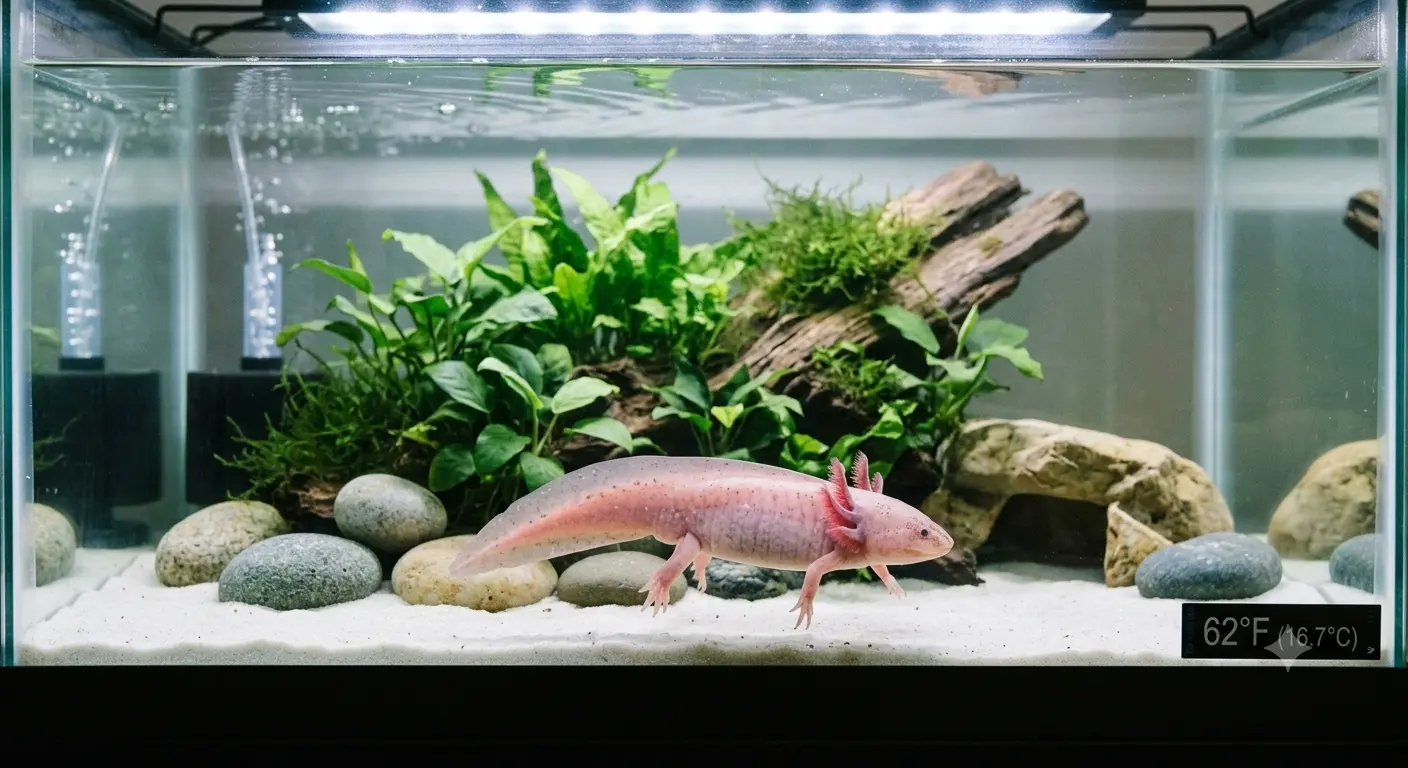
Successful Axolotl Care hinges entirely on replicating their natural, cool lake environment while managing the high bioload they naturally produce. Unlike typical tropical fish, these unique creatures have zero tolerance for warm water temperatures, heavy currents, or poor water filtration setups.
Maintaining a stable environment requires a solid grasp of the nitrogen cycle and regular weekly habitat maintenance routines to prevent toxin accumulation. Let us look closely at the exact parameters necessary to build a safe, sustainable home for your aquatic pet.
Water Temperature and Cooling Solutions
Temperature control is arguably the most critical aspect of keeping these animals safe and preventing chronic stress or deadly fungal infections. The ideal temperature range rests strictly between 60°F and 64°F (15°C to 18°C), and going above 70°F can quickly become fatal.
Many keepers utilize specialized aquarium cooling fans to lower temperatures by a few degrees via surface evaporation processes during warmer months. However, if your home regularly exceeds comfortable room temperatures, investing in a dedicated commercial aquarium chiller is the safest long-term choice.
Aquarium Sizing and Space Requirements
While a single juvenile can temporarily live in a smaller tank, a 29-gallon wide aquarium is now considered the minimum standard for one adult. A larger footprint provides ample floor space for walking, exploring, and resting, which these bottom-dwelling amphibians prefer over deep vertical columns.
Adding more individuals requires adding at least 10 to 15 gallons of capacity per animal to prevent accidental nipping during feeding times. Remember that more water volume creates a more forgiving buffer against sudden spikes in deadly waste compounds like ammonia.
Perfecting Water Chemistry and Filtration
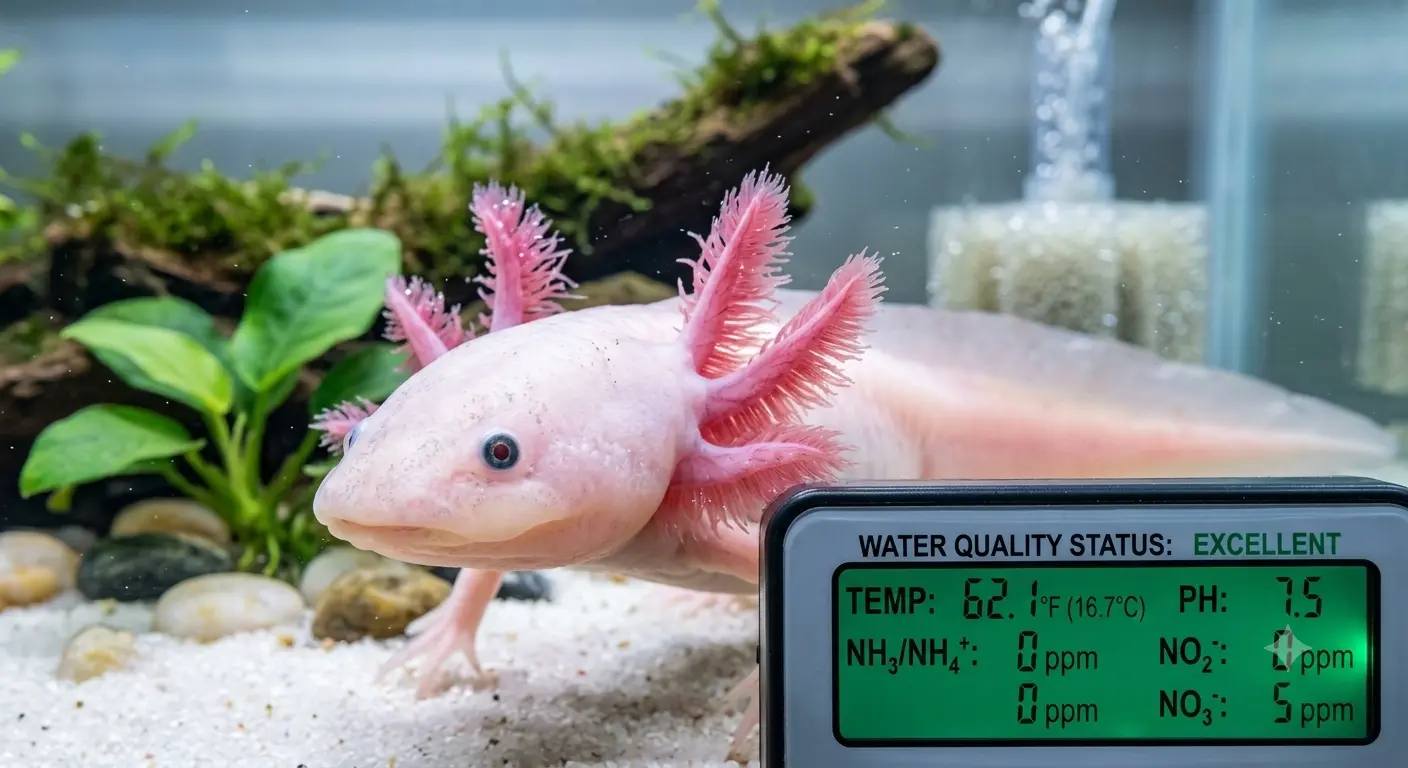
Because these animals absorb chemicals directly through their highly permeable skin and external gills, pristine water quality is a non-negotiable priority. Achieving this standard means selecting efficient filtration that cleans the water thoroughly without creating turbulent, stressful currents across the tank floor.
Low-flow filtration options like sponge filters or heavily baffled canister filters work beautifully to keep the water moving gently while building biological filtration. Regular testing using a reliable liquid test kit will help you monitor your cycling progress and adjust maintenance schedules accurately.
| Water Parameter | Ideal Target Range | Acceptable Limit |
|---|---|---|
| Temperature | 60°F – 64°F (15°C – 18°C) | 55°F – 68°F (13°C – 20°C) |
| Ammonia | 0 ppm | 0 ppm (Strict) |
| Nitrite | 0 ppm | 0 ppm (Strict) |
| Nitrate | < 20 ppm | < 40 ppm |
| pH Range | 7.4 – 7.6 | 6.5 – 8.0 |
To dive deeper into advanced mechanical setups and cycling methods, feel free to review our comprehensive Axolotl Care Guide for step-by-step tank building techniques.
Dietary Needs and Nutritional Strategies
Providing a biologically appropriate diet is another foundational cornerstone of excellent long-term Axolotl Care for your growing aquatic pets. These carnivores require high-protein, low-fat whole foods that fit easily into their wide mouths, which they use to vacuum up prey items items swiftly.
Nightcrawlers and earthworms stand out as the absolute best staple food options, offering an ideal nutritional balance for daily development. For younger juveniles, blackworms or frozen bloodworms can serve as excellent transitional foods until they can handle chopped earthworms easily.
- Staple Diets: High-quality nightcrawlers, red wigglers, and specially formulated sinking carnivore pellets.
- Occasional Treats: Frozen bloodworms, brine shrimp, and small pieces of clean, raw white fish.
- Foods to Avoid: Feeder fish carrying wild parasites, hard-shelled insects, and mammalian meats containing high fats.
Notes from the Field: A Hard Lesson in Substrate Safety
It was a chilly Tuesday afternoon when I noticed something was deeply wrong with Barnaby, my precious three-year-old leucistic companion. His usually vibrant, fluffy pink gills looked terribly pale, and he sat hunched in the corner of his home, completely refusing his absolute favorite nightcrawlers. I felt an immediate wave of intense panic wash over me because his abdomen looked unusually bloated and hard to the touch.
Initially, I followed standard online forum advice, thinking a simple water change and temporary drop in room temperature would fix the lethargy. It did nothing, and my anxiety only grew over the next forty-eight hours as he remained completely motionless on the tank bottom. I realized with awful clarity that he must have swallowed the small structural aquarium pebbles I used to hold down his artificial silk plants.
After consulting an expert colleague, I transferred him to a small, shallow plastic tub of fresh water and placed him directly into my kitchen refrigerator. This cool, dark environment slowed his metabolic processes down safely, allowing his digestive tract to relax completely over a tense week. On the sixth morning, I discovered three smooth black river pebbles at the bottom of the tub; a pure miracle born of sheer patience and trial.
Tank Decorations and Substrate Choices
Choosing the correct ground cover can truly mean the difference between a thriving pet and an emergency veterinary extraction visit. Because these creatures feed using a powerful vacuum suction mechanism, any loose substrate smaller than their head can be swallowed accidentally.
For absolute safety, many experienced keepers opt for a completely bare-bottom tank design, which makes cleanup incredibly quick and easy. If you prefer a natural look, utilizing fine aquarium sand is perfectly acceptable for adults, as any ingested grains pass safely without causing internal impaction.
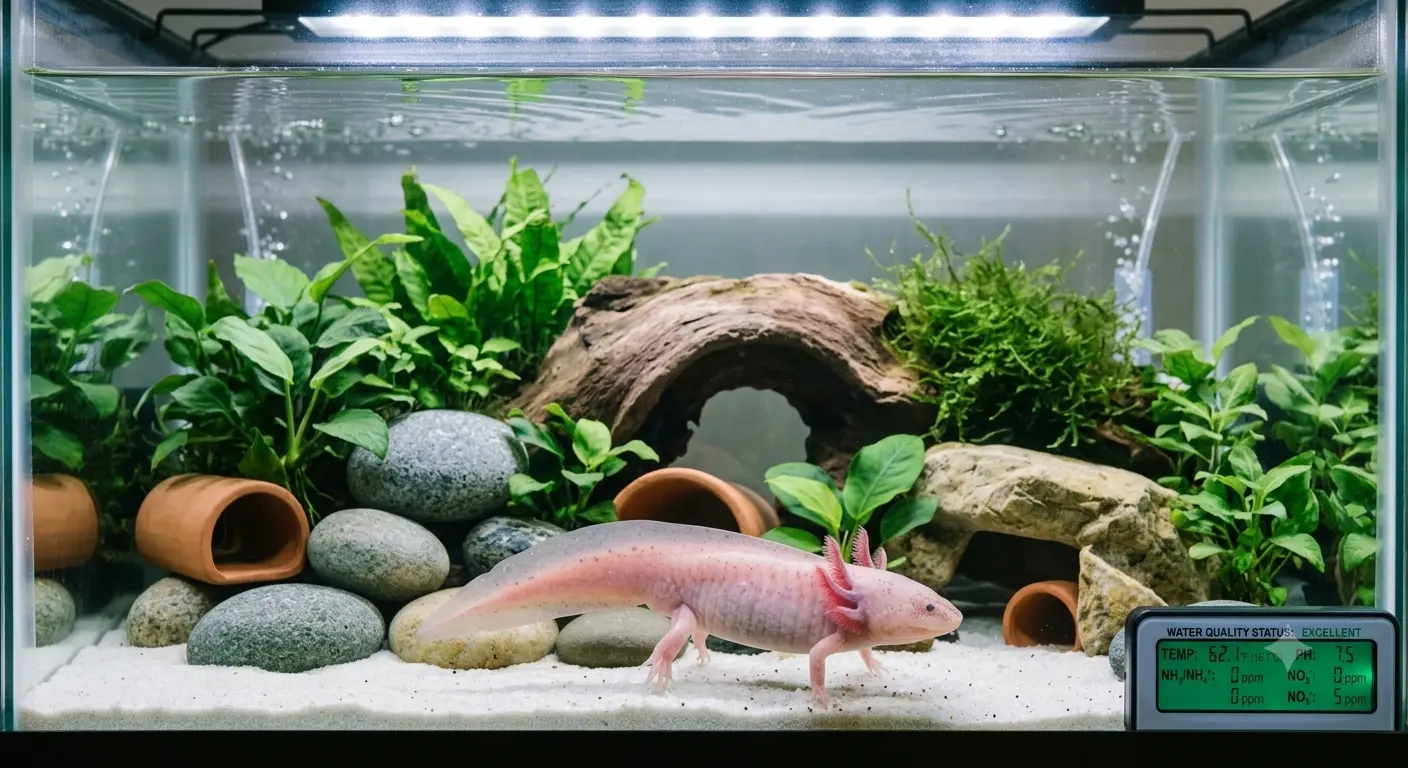
When selecting decorations, prioritize large, smooth caves, PVC pipes, or terracotta pots where your pet can escape bright overhead lighting. Avoid any sharp-edged rocks, rough driftwood pieces, or brittle plastic plants that could easily tear their delicate skin or fragile gill stalks.
Recognizing and Preventing Common Diseases
Most common health complications stem directly from poor water conditions, chronic heat exposure, or accidental physical injuries inside the aquarium. By keeping parameters stable, you can proactively prevent the vast majority of opportunistic bacterial and fungal ailments from developing.
Look out for classic indicators of stress, such as a forward-curled tail tip, tightly curled gills, or persistent floating issues. If you ever notice white, cotton-like growths forming on their gills, it is a clear sign of a fungal outbreak requiring immediate quarantine and corrective action.
For specialized veterinary guidance or to locate an authorized aquatic health professional near you, please visit the Association of Reptile and Amphibian Veterinarians (ARAV). Prompt professional medical treatment is always the safest course of action when dealing with advanced internal infections.
Frequently Asked Questions Regarding Axolotl Care
How often should I feed an adult axolotl?
Adult individuals generally only need to be fed 2 to 3 times per week to maintain a healthy body weight. Juveniles, however, require daily feedings to support their rapid structural growth phases and high metabolic demands.
Do axolotls need aquarium lighting?
No, they do not possess protective eyelids and are naturally quite sensitive to bright, direct light sources. Ambient room light is completely sufficient, but if you grow live plants, ensure you provide plenty of dark, shaded caves for your pet to hide in.
Can I house tank mates with my axolotl?
It is highly recommended to keep them solitary or in species-only pairs of similar sizes. Most fish will relentlessly nip at their delicate external gills, while small fish or shrimp will quickly turn into food for your pet.
How long do axolotls live under proper care?
With precise husbandry, pristine water quality, and an optimal diet, these unique amphibians regularly live between 10 to 15 years in captivity.
In summary, mastering Axolotl Care is a highly rewarding journey that centers completely on consistency, cooling, and water cleanliness. By respecting their specialized environmental requirements and monitoring parameters closely, you can enjoy a fascinating, long-term bond with one of nature’s most unique aquatic marvels.