
Owning an exotic reptile brings immense joy, but ensuring their long-term wellness demands precision, dedication, and deep foundational knowledge. Creating an environment that mimics their natural Australian habitat is the first definitive step toward preventing metabolic complications and chronic stress behaviors.
When we evaluate the core parameters of Bearded Dragon Health, we must look beyond basic survival needs to address biological enrichment. A thriving reptile displays vibrant coloration, alert behavioral patterns, consistent appetite levels, and clean shedding cycles year after year.
Essential Pillars of Bearded Dragon Health
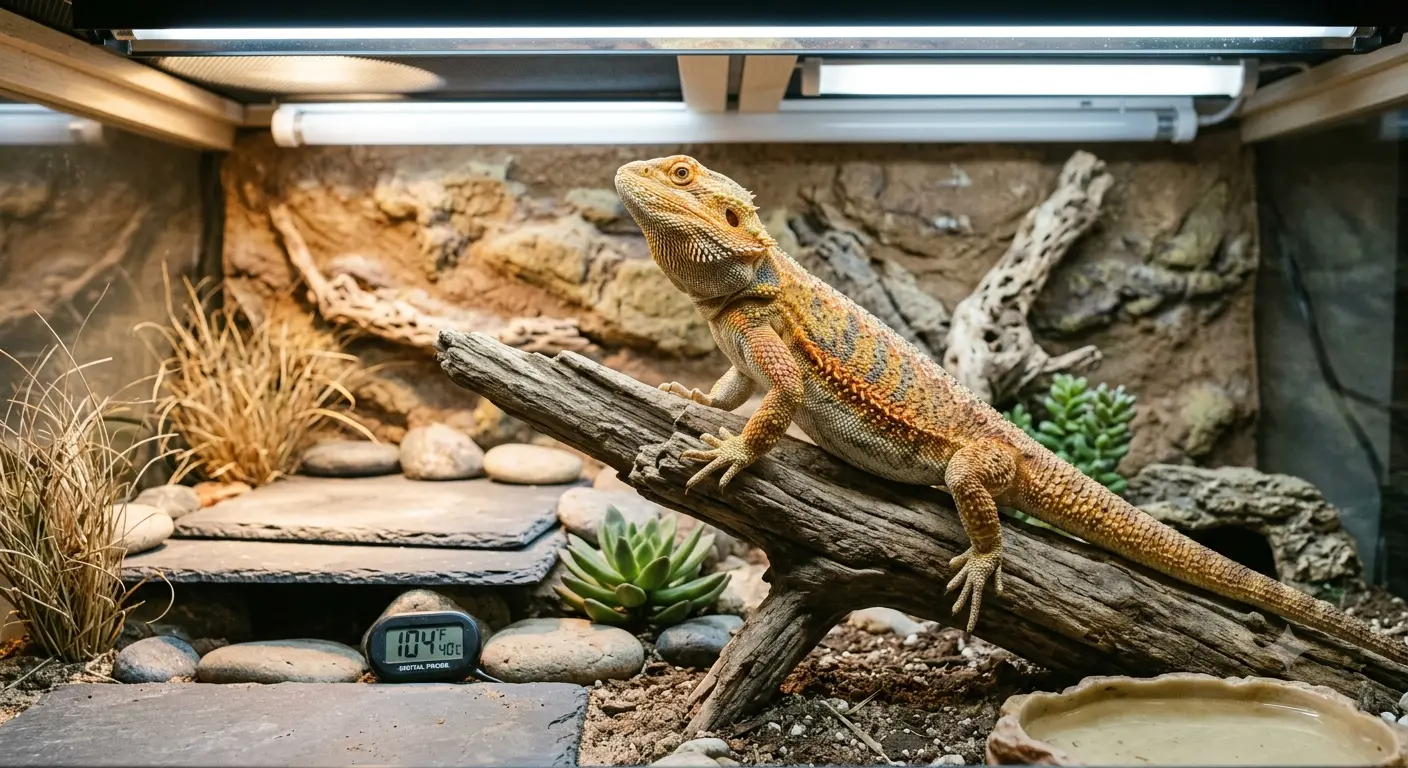
The foundation of long-term vitality relies on three interconnected elements: high-output ultraviolet lighting, precise thermal gradients, and strategic supplementation. Without these elements operating in perfect harmony, a reptile’s digestive tract cannot process nutrients, leading to rapid systemic decline.
Using a T5 high-output UVB tube that spans at least two-thirds of the enclosure length is absolutely vital for vitamin D3 synthesis. This mechanism allows for proper calcium absorption, which is the cornerstone of structural skeletal integrity and metabolic stability.
Furthermore, maintaining an optimized hydration schedule ensures renal function remains peak while preventing dangerous uric acid crystallization. Providing clean water and fresh, moisture-rich greens daily helps maintain internal biological balance efficiently.
Thermal Gradient Calibration
Reptiles rely completely on external heat sources to regulate their internal body temperature and facilitate essential enzymatic processes. The basking area must reach specific temperature ranges to allow complete digestion of complex fiber and insect chitin.
Conversely, a distinct cool side must be maintained on the opposite end of the terrarium to prevent dangerous overheating. This ambient thermal drop allows your pet to seek relief and self-regulate their internal temperature as needed throughout the daytime hours.
| Enclosure Zone | Optimal Temperature Range | Primary Biological Purpose |
|---|---|---|
| Basking Surface | 100°F – 110°F (38°C – 43°C) | Enzymatic digestion and thermoregulation |
| Ambient Warm Side | 85°F – 90°F (29°C – 32°C) | Transition zone and metabolic support |
| Cool Side Drop | 75°F – 80°F (24°C – 27°C) | Cooling down and preventing heat stress |
| Nighttime Minimum | 65°F – 70°F (18°C – 21°C) | Natural metabolic rest cycle |
Warning Signs of Declining Bearded Dragon Health
Early intervention is absolutely paramount when dealing with captive reptiles, as they instinctively mask symptoms of physical illness. Subtle shifts in posture, movement, or baseline activity levels are often the earliest indicators of an underlying medical problem.
Lethargy, sudden muscle tremors, swollen joints, or a softening jawbone indicate advanced metabolic bone disease requiring urgent intervention. Monitoring fecal output consistency and tracking weight shifts using a digital gram scale can catch internal issues early.
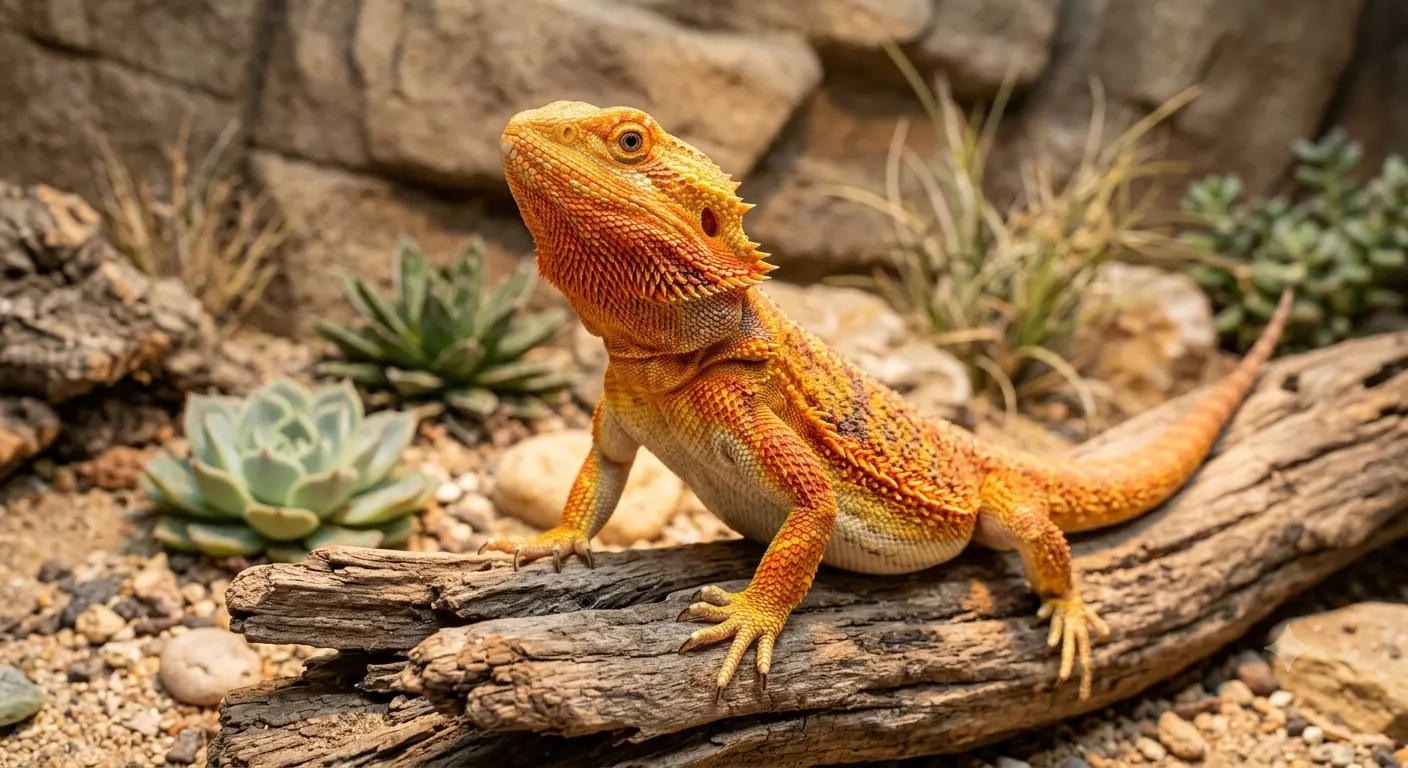
Stress and physical discomfort can also manifest visually through dramatic changes in skin pigmentation, particularly around the throat region. To fully understand these complex visual stress signals, read our comprehensive guide on bearded dragon black beard reasons to properly evaluate your pet’s emotional and physical state.
Nutritional Requirements and Insect Ratios
Dietary needs shift dramatically as these reptiles transition from rapidly growing juveniles into mature, sedentary adults. Young individuals require a high-protein diet to support bone elongation and muscle mass development over their first year.
Adults need a diet consisting of eighty percent gut-loaded leafy greens and only twenty percent live feeder insects. Overfeeding proteins to mature adults regularly causes hepatic lipidosis and severe renal stress over long periods.
A Keeper’s Confession: The Hidden Threat of Silently Failing Bulbs
It was a freezing Tuesday morning last winter when I noticed Barnaby, my five-year-old companion, refusing his favorite mustard greens. He sat motionless in the far corner of his enclosure, his normally bright eyes looking completely dull and vacant.
Panicking, I immediately assumed he had an advanced respiratory infection or a severe parasitic overload from a bad batch of dubia roaches. I spent three frantic days adjusting internal humidity levels and forcing specialized electrolyte fluids down his throat, but his condition only deteriorated.
I finally bought a specialized digital solar meter after a late-night talk with an experienced breeder friend who suggested checking invisible parameters. The reading revealed his expensive ultraviolet bulb was emitting absolutely zero beneficial radiation, despite still glowing brightly to the human eye.
I swapped the expired fixture for a fresh high-output linear tube, and within forty-eight hours, his vitality returned completely. He began running across the slate tiles and chasing down crickets with the intense enthusiasm he had completely lost days prior.
Advanced Strategies for Long-Term Bearded Dragon Health
True mastery of husbandry requires an understanding of natural cycles, including the winter dormancy period known globally as brumation. Recognizing the difference between natural seasonal slowdowns and genuine clinical illness prevents unnecessary stress for both keeper and animal.
During this period, tracking weight remains your most reliable metric for safeguarding basic Bearded Dragon Health across changing seasons. A healthy brumating individual should maintain a stable weight, whereas a sick individual will drop grams rapidly due to systemic infections.
Seeking regular guidance from qualified professionals through resources like the Association of Reptilian and Amphibian Veterinarians (ARAV) ensures your management practices match modern standards. Annual fecal screenings form a critical line of defense against subclinical parasitic spikes.
Substrate and Enclosure Hygiene
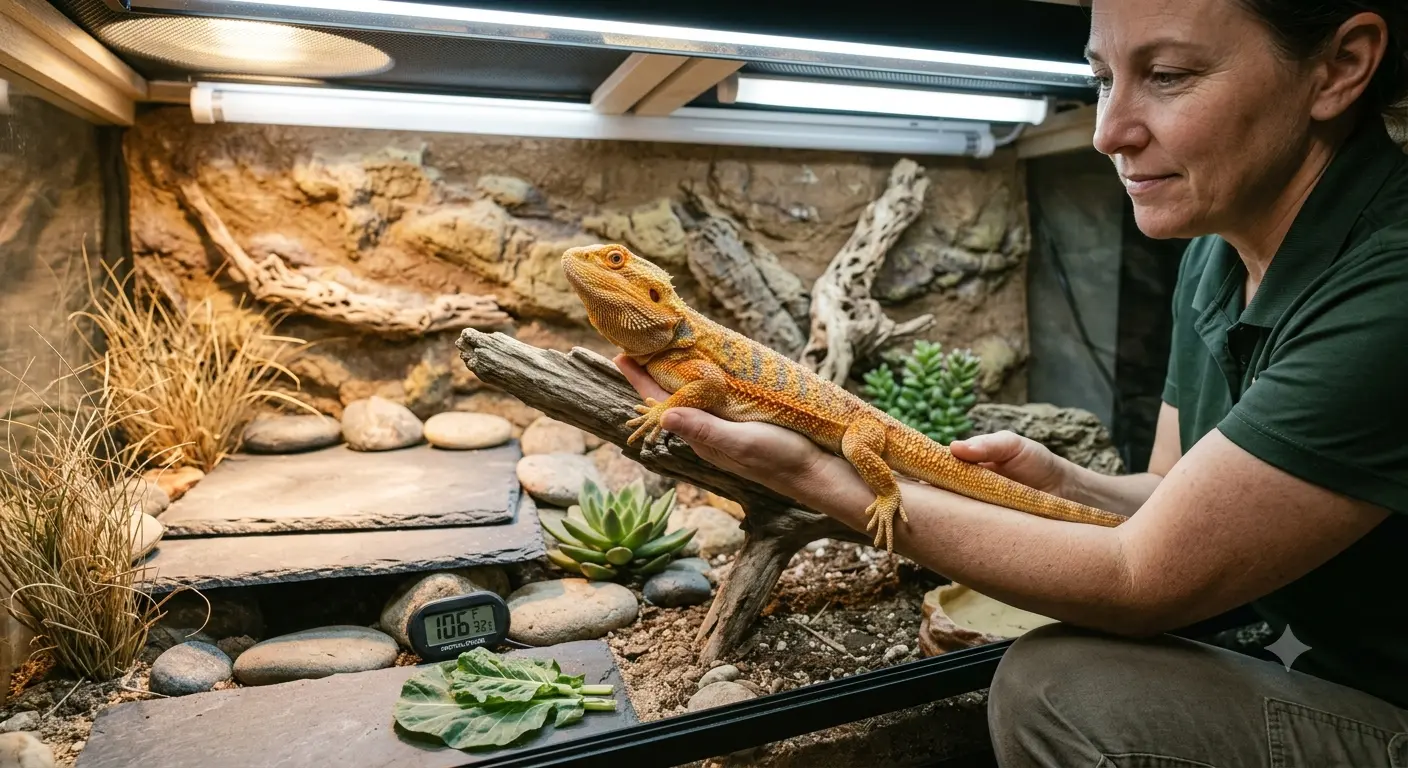
Using improper loose substrates like silica sand or crushed walnut shells creates a significant risk of life-threatening gastrointestinal impaction. Solid, non-porous surfaces like textured slate tiles, non-adhesive shelf liners, or simple paper towels provide a much safer alternative.
Spot cleaning daily prevents harmful bacterial proliferation, while deep disinfecting every month with reptile-safe veterinary cleaners eliminates hidden pathogens. Keeping a clean environment reduces the risk of tail rot and severe ulcerative dermatitis significantly.
Frequently Asked Questions
Achieving Lifelong Vitality
Consistently maintaining optimal environmental conditions is the most reliable way to secure excellent Bearded Dragon Health throughout your pet’s life. By combining proper thermal gradients, balanced whole-food nutrition, and reliable linear UVB arrays, you protect them from common preventable illnesses.
Pay close attention to subtle behavioral shifts, keep records of baseline body weight, and maintain a clean habitat. Your dedication creates an environment where your companion can thrive for years to come.