
Welcoming a spiky little bundle of joy into your home is an incredibly exciting milestone for any exotic pet enthusiast. However, preparing for their arrival requires a clear, comprehensive checklist to ensure your new companion thrives in a safe environment.
If you are asking yourself, what do i need for a hedgehog, you have landed in the perfect place to map out your preparation strategy. African Pygmy hedgehogs have highly specific husbandry needs that differ drastically from traditional domesticated pets like cats or dogs.
From thermoregulation mechanics to precise dietary setups, missing even a single essential item can impact their fragile well-being. Let us dive deep into the ultimate checklist of supplies, setups, and environmental adjustments required for a healthy pet.
The Primary Enclosure: Setting Up a Secure Hedgehog Haven
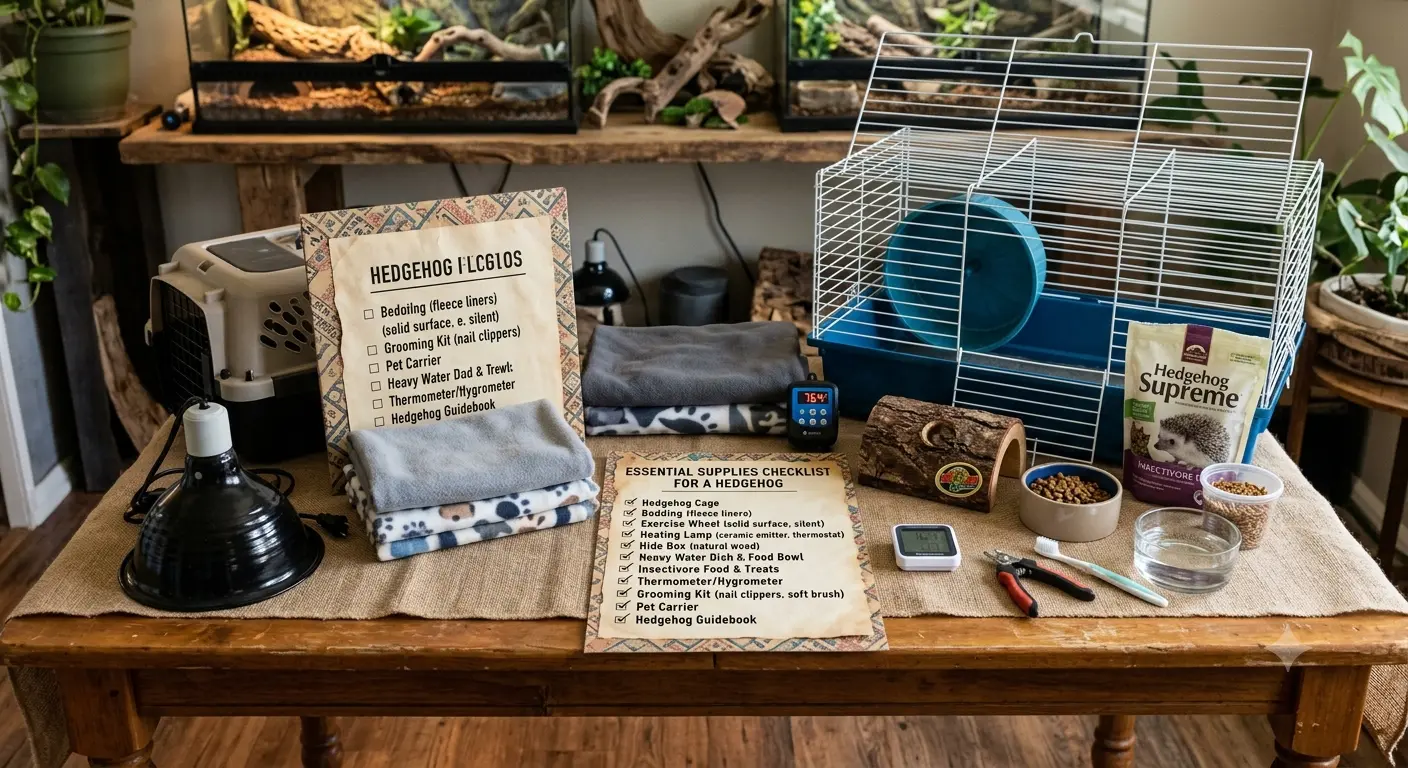
The first critical asset on your shopping list is a spacious, well-ventilated cage that prevents escapes while allowing ample room to forage. When researching what do i need for a hedgehog, enclosure dimensions should always take financial and spatial priority in your planning.
A minimum of four square feet of floor space is mandatory, though larger habitats are highly recommended to encourage natural nocturnal exploration. Wire cages with solid plastic bottoms work best, preventing tiny delicate feet from getting painfully caught or injured.
Avoid multi-level ferret or chinchilla mansions, as these animals have notoriously poor depth perception and can easily suffer dangerous falls. Ensure the floor is entirely flat, smooth, and layered with safe, absorbent bedding materials designed for sensitive respiratory systems.
Selecting the Perfect Bedding Substrate
Choosing the right substrate directly impacts the air quality inside the enclosure and prevents problematic skin irritations. Avoid cedar and pine shavings entirely, as these contain toxic aromatic oils that trigger severe respiratory distress in small mammals.
Kiln-dried aspen shavings or high-quality paper-based beddings are excellent, safe alternatives that offer great odor control and burrowing opportunities. Alternatively, custom-cut fleece liners have skyrocketed in popularity due to their reusable, dust-free nature and ease of machine washing.
Thermal Management Systems: The Lifesaving Heat Setup
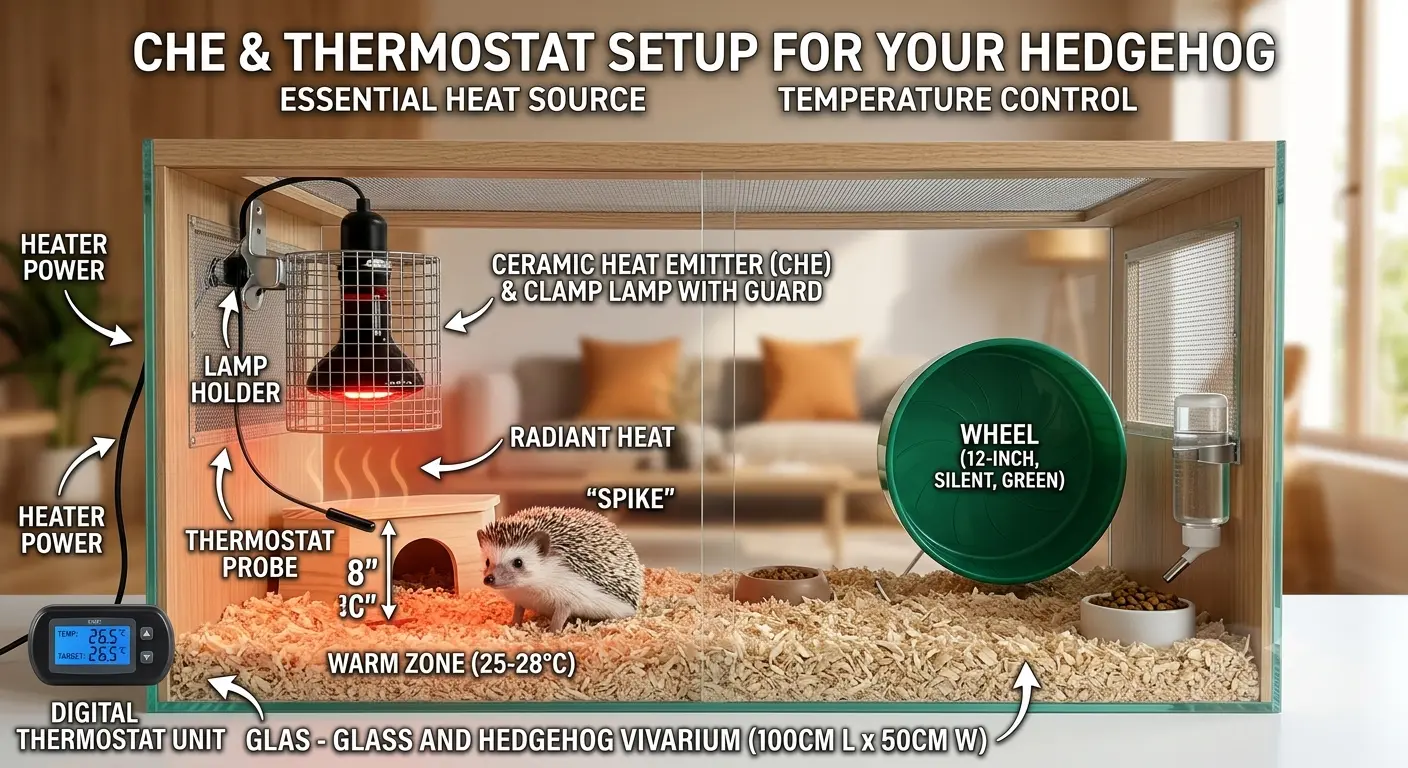
Maintaining a stable ambient temperature is arguably the most crucial element when addressing what do i need for a hedgehog safely. Because these animals are native to warm African climates, they require a constant ambient temperature gradient between 74°F and 80°F.
If your home drops below this critical threshold, your pet might attempt a lethal hibernation flare, which shuts down their immune system. A standard household thermometer is insufficient; you need a dedicated thermal setup designed specifically for nocturnal exotic animals.
A Ceramic Heat Emitter (CHE) setup clamped securely above the enclosure is the safest mechanism to radiate consistent heat without emitting disruptive light. Pair this heating setup with a digital thermostat controller to automate temperature fluctuations safely throughout the changing seasons.
Dietary Framework and Hydration Stations
Nutrition is a fundamental pillar of long-term health, requiring a balanced distribution of high-protein, low-fat formulas tailored to insectivores. When determining what do i need for a hedgehog, look closely at high-quality, chicken-based cat kibbles or specialized commercial insectivore manufactured diets.
The primary formula should boast at least 30% protein and less than 15% fat content to prevent fast-onset hepatic lipidosis or obesity. Supplement this dry staple with live, gut-loaded insects such as mealworms, dubia roaches, and crickets to satisfy their natural hunting instincts.
Hydration stations must remain clean and easily accessible, utilizing either heavy ceramic dishes or specialized chew-proof water bottles fastened to the wall. For a comprehensive breakdown of hazardous ingredients to steer clear of, check out our guide on toxic foods for hedgehogs before planning meals.
A Keeper’s Journey: Lessons from the Reptile Room
Years ago, my reptile room was a chaotic laboratory of trial and error. I remember staring at Barnaby, a stubborn creature who refused to use any standard hide box I provided, leaving me utterly frustrated and worried sick after days of sleepless monitoring.
I had spent a small fortune on expensive commercial igloos. Nothing worked; he simply ignored them, choosing instead to burrow awkwardly under the heavy water dish, spilling it everywhere and creating a damp, muddy mess that drove my anxiety through the roof.
One rainy Thursday afternoon, while unpackaging an old order of cork bark intended for my emerald tree boa, a curved piece slipped onto the floor. Barnaby scurried over, squeezed his round body under the rough texture, and fell into a deep, peaceful sleep that lasted hours. It was a beautiful, accidental epiphany that taught me to embrace naturalistic textures rather than rigid plastic designs.
Exercise and Enrichment: Combating Nocturnal Boredom
In the wild, these solitary insectivores travel miles every single night foraging for food, meaning physical exercise is essential for captivity. Therefore, an active keeper wondering what do i need for a hedgehog must invest in a premium, completely safe exercise wheel.
Standard wire-spoke rodent wheels are incredibly dangerous, as tiny claws can snag, snap, or tear during high-speed midnight running sessions. Opt exclusively for a large, solid-surface bucket wheel measuring at least 11 to 12 inches in diameter to protect their spine.
Incorporate diverse enrichment elements like PVC foraging pipes, soft plush digging blankets, and small cat toys to stimulate mental clarity. Regularly rotating these accessories prevents behavioral depression and keeps your inquisitive companion physically active throughout their active nocturnal waking hours.
| Equipment Type | Recommended Option | Key Benefit | Safety Concern to Avoid |
|---|---|---|---|
| Enclosure Type | Solid-bottom wire cage (4+ sq ft) | Excellent ventilation & ample space | Multi-level wire ramps (fall hazard) |
| Heating Supply | Ceramic Heat Emitter + Thermostat | Light-free, automated temperature control | Unregulated heat mats (thermal burns) |
| Exercise Wheel | 12-inch solid-surface bucket wheel | Protects delicate toes and supports back | Wire-spoke wheels (claws getting caught) |
| Substrate Choice | Fleece liners or kiln-dried aspen | Dust-free, hygienic respiratory safety | Cedar or un-treated pine (toxic oils) |
Grooming, Hygiene, and Medical Safeguards
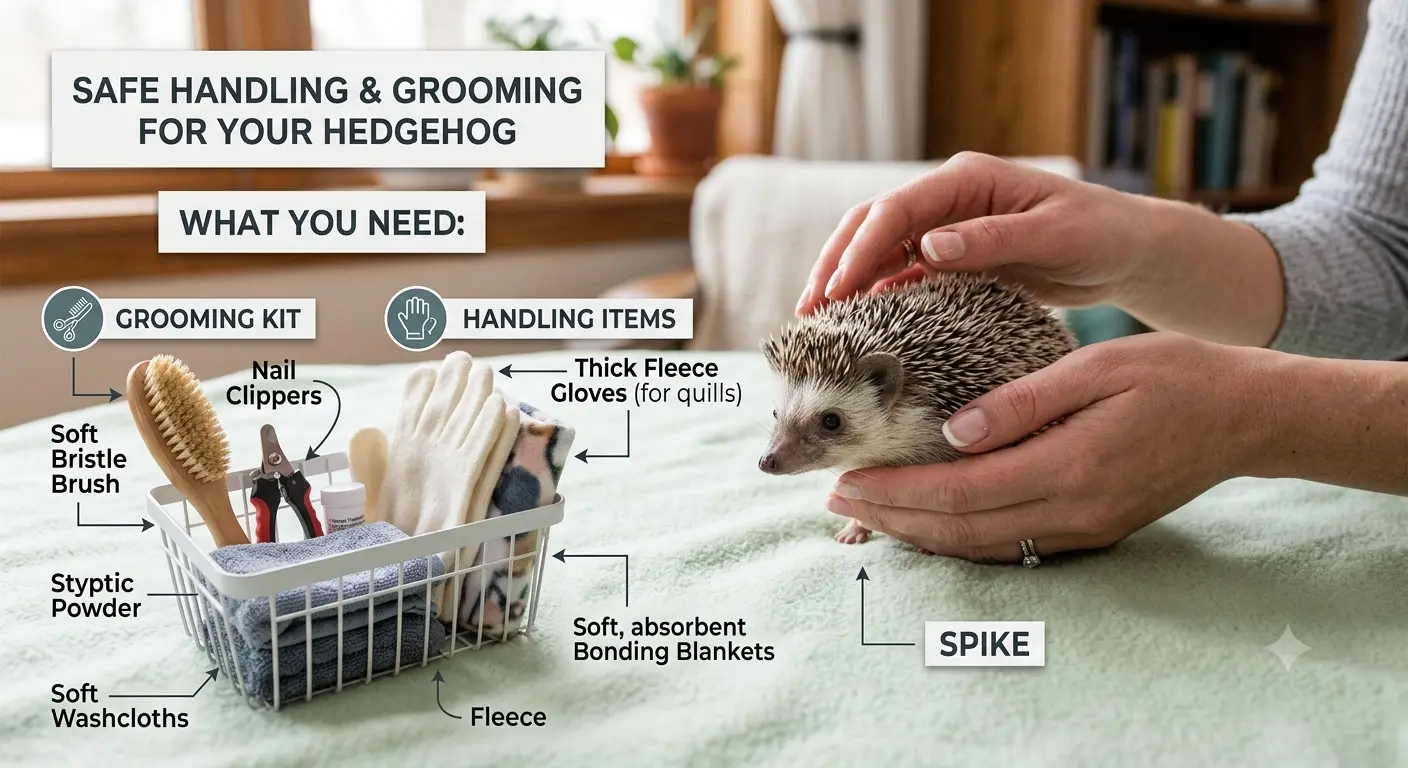
Maintaining clean environments requires weekly spot-cleaning and bi-weekly deep scrubbing of the entire habitat structure to minimize harsh ammonia buildups. Additionally, nail trimming tools, soft toothbrushes, and soothing oatmeal washes are vital components when outlining what do i need for a hedgehog properly.
Their quills require occasional warm footbaths to rinse away accumulated wheel debris, keeping fungal infections and dry skin flakes completely at bay. Never use harsh chemical soaps, as their dermal layers are remarkably sensitive and highly prone to severe allergic reactions over time.
Before purchasing your pet, establish a firm relationship with a licensed exotic veterinarian specializing in small mammal medicine and wildlife care. You can cross-reference qualified professionals through global networks like the Association of Reptile and Amphibian Veterinarians (ARAV) or specialized mammal boards to guarantee immediate emergency support.
Conclusion: Readying Your Home for Success
Sourcing each individual item methodically ensures your new companion transitions smoothly into their domestic environment without experiencing dangerous environmental stress. Reviewing the basic checklist—from solid wheels to advanced CHE heat configurations—answers the vital question of what do i need for a hedgehog effectively.
By prioritizing high-protein nutrition, strict thermal regulations, and veterinary safety networks, you build a foundation for a long, enriching relationship. Take your time setting up the habitat in advance, fine-tune the automated thermostat, and welcome your wonderful new exotic pet home with complete confidence.
Frequently Asked Questions (FAQs)
Q1: Can I use a regular aquarium tank for my hedgehog?
Aquariums are generally discouraged because they lack adequate cross-ventilation, which traps moisture and harmful ammonia vapors close to the substrate level. A large, open wire cage with a solid base provides vastly superior airflow for healthy lungs.
Q2: Why is a thermostat required alongside a ceramic heat emitter?
A ceramic heat emitter can reach dangerously high temperatures if left running continuously without restriction. A digital thermostat acts as a critical safety switch, automatically shutting off the power source when the optimal target temperature is achieved.
Q3: How often do I need to clean the exercise wheel?
Hedgehogs frequently relieve themselves while running, meaning the wheel surface requires daily wiping down or washing. Using a solid-surface, easily washable plastic bucket wheel makes this recurring maintenance task significantly faster and more hygienic.
Q4: Do hedgehogs require specialized lighting during the daytime?
Yes, they need a consistent 12-to-14-hour light cycle to maintain natural circadian patterns and avoid hibernation triggers. If the room is naturally dark, placing a basic low-wattage LED lamp on a simple outlet timer above the cage works perfectly.