
Hedgehogs are uniquely fascinating insectivores that have captured the hearts of exotic pet enthusiasts worldwide. In captivity, these small animals are highly curious and will often try to snack on various fruits, vegetables, and human leftovers. However, their nutritional requirements are strict, and their digestive systems remain incredibly delicate and sensitive to dietary changes.
As a responsible owner, understanding which ingredients pose a daily threat is the single most vital aspect of your husbandry routine. Identifying specific Toxic Foods for Hedgehogs is essential to prevent severe internal illness, sudden organ stress, or fatal toxicosis. One wrong snack choice can quickly lead to an emergency situation that compromises your small pet’s life.
In this comprehensive guide, we will break down the danger categories you must keep away from your exotic companion at all costs. We will look at specific chemical compounds, dangerous human processed meals, and physical structural hazards. Safeguarding your animal companion begins with total awareness of what should never enter their enclosure or touch their food dish.

1. Fruits to Avoid: Dangerous Toxic Foods for Hedgehogs
While some fresh fruits can be offered as an occasional treat in microscopic amounts, several common fruits represent highly dangerous Toxic Foods for Hedgehogs. These agricultural items contain specific compounds that a hedgehog’s tiny kidneys and liver cannot process effectively, leading to rapid system shutdown and toxic shock.
Grapes and Raisins
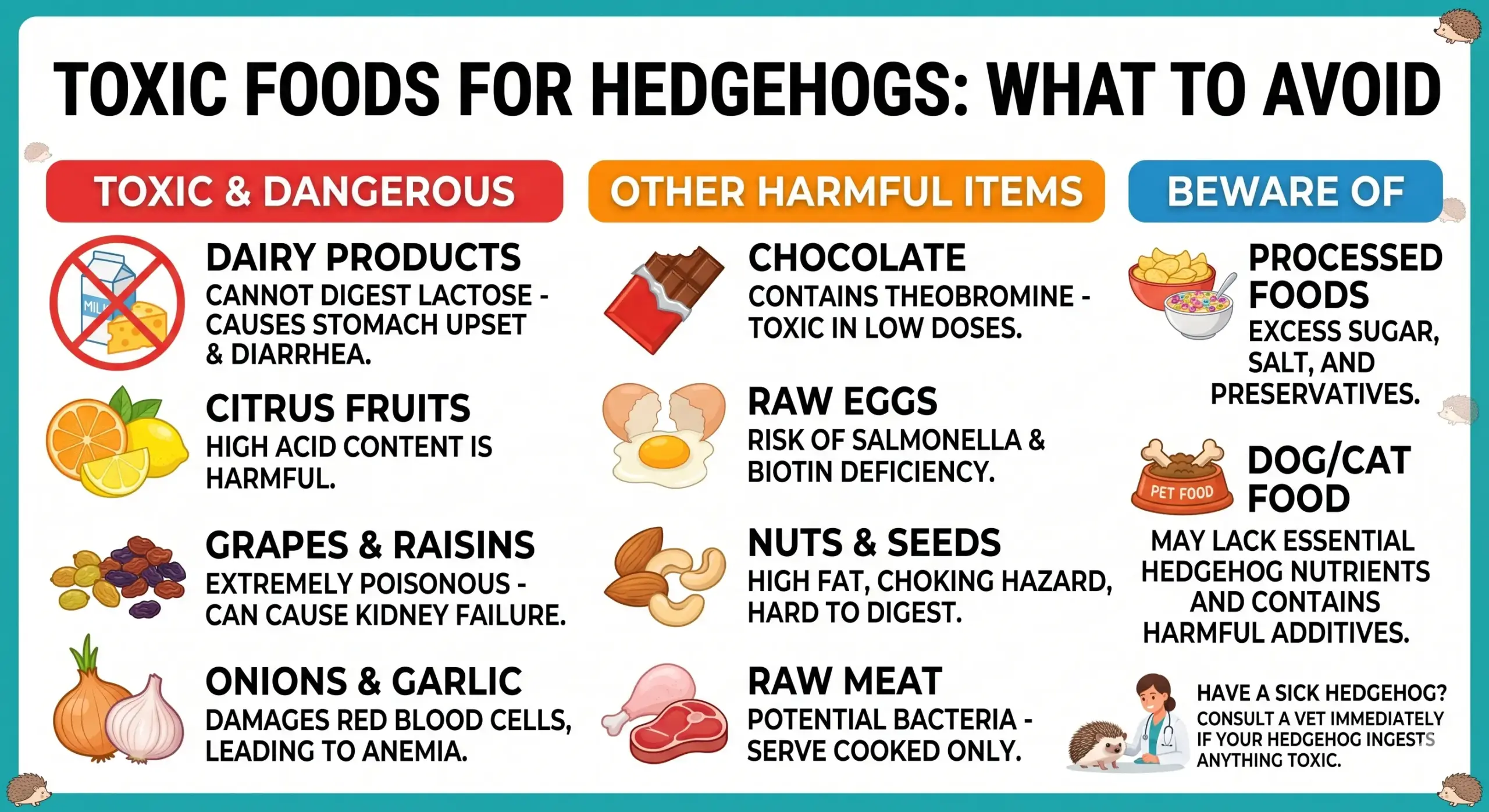
These are arguably the most dangerous Toxic Foods for Hedgehogs you could ever introduce into your pet’s domestic environment. Even a single raisin can cause acute kidney failure in small exotic mammals, resulting in irreversible internal organ damage. There is absolutely no safe threshold or acceptable dose for these items, meaning they must be banned entirely.
Citrus Fruits (Lemons, Oranges, and Grapefruits)
The high concentration of citric acid and volatile oils in citrus fruits makes them prominent Toxic Foods for Hedgehogs. These acids cause severe stomach upset, internal burning, and extreme acid reflux that quickly compromises their intestinal lining. Prolonged exposure to acidic treats will result in painful gastrointestinal ulcers and chronic digestive inflammation.
Avocado
Avocados contain a specific fungicidal toxin known as persin, making them classic examples of Toxic Foods for Hedgehogs. Furthermore, the exceptionally high lipid and fat content in avocados poses an immediate threat to their metabolic health. This heavy fat profile can rapidly trigger hepatic issues, which remains a leading cause of illness in captive animals.
2. Dairy Products: The Severe Lactose Problem
Many historical children’s books and old illustrations mistakenly depict wild hedgehogs happily drinking from small saucers of cream. This is a dangerous myth that modern veterinary science has thoroughly debunked, proving that dairy items are literal Toxic Foods for Hedgehogs. According to professional medical guidelines established by the Association of Exotic Mammal Veterinarians, domestic insectivores must never ingest animal milk.
Severe Lactose Intolerance
Hedgehogs are naturally lactose intolerant from the moment they are weaned, completely lacking the lactase enzyme required to process dairy. Feeding them traditional cow’s milk, hard cheese, or sweetened yogurt creates highly dangerous Toxic Foods for Hedgehogs, causing severe diarrhea and dehydration. Their digestive tracts simply cannot break down these complex mammal sugars safely without failing.
Safe Nutritional Alternatives
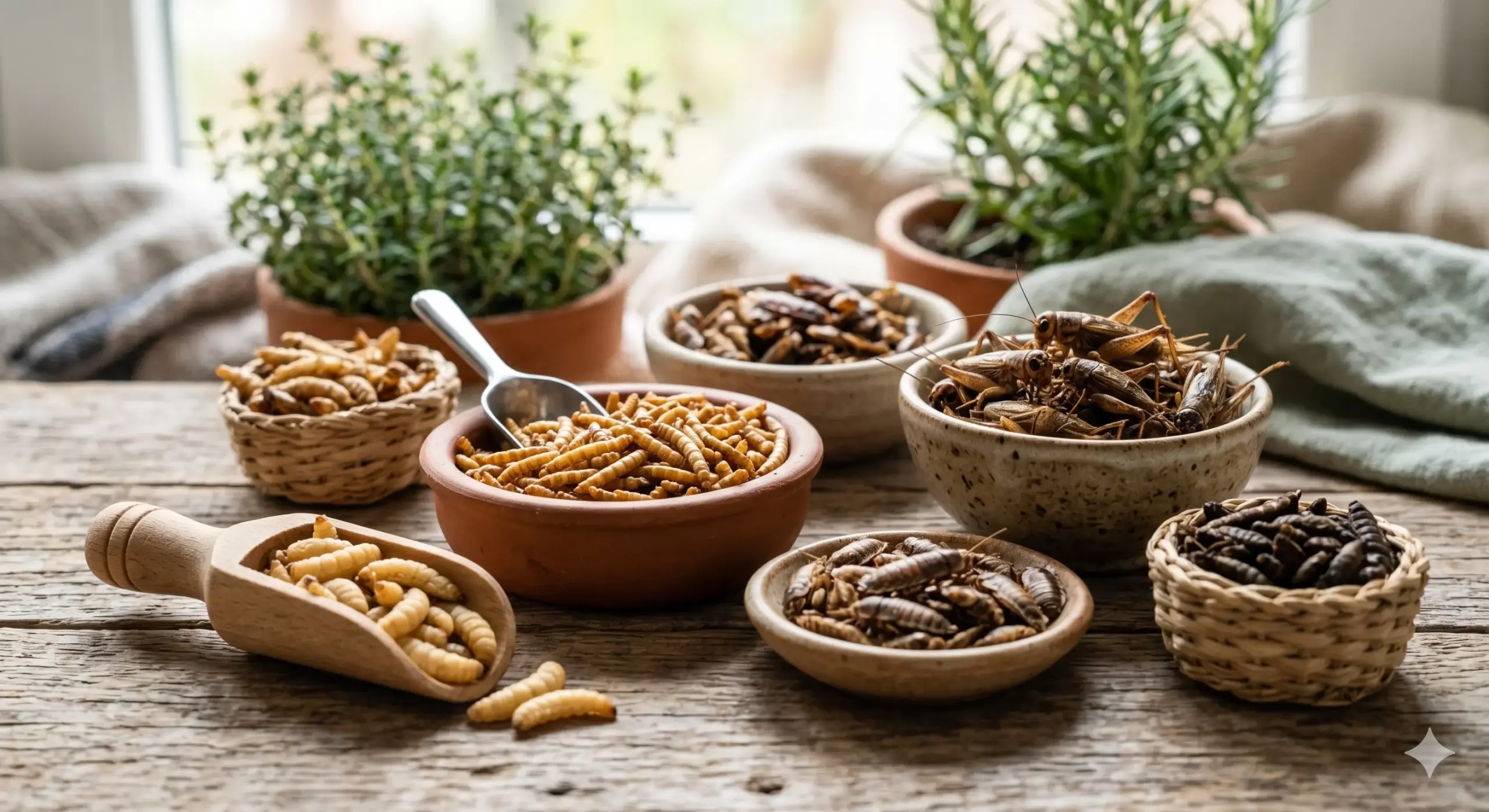
If you genuinely want to provide your companion with a special treat, look toward safe alternative protein sources instead of dairy. Stick to plain, unseasoned cooked chicken, or live gut-loaded insects like crickets and dubia roaches from a trusted commercial supplier. These options respect their ancestral biological needs without introducing harmful elements into their daily regime.
3. The Human Experience: A Caregiver’s Perspective
I remember the quiet panic of my first winter as a keeper. My little quill-ball, Pip, refused his usual kibble. I stared at him. He blinked back with those tiny, dark beads of absolute indifference. My heart sank instantly. Was he sick? I almost chopped up some leftovers from my dinner table. Thank goodness I stopped myself just in time. The kitchen is full of unseen hazards for these tiny creatures. You look at them and think they want what you are eating. They don’t. Our food is an absolute minefield for them. It requires constant vigilance and deep emotional patience to stay disciplined. Every single day is a lesson in resisting those cute, begging eyes for their own safety.
4. Vegetables That Highlight Toxic Foods for Hedgehogs
It is easy to assume that all green garden vegetables are inherently safe and healthy for a small insectivore. However, certain common kitchen vegetables contain hidden chemical compounds that turn them into deadly Toxic Foods for Hedgehogs within their bloodstream.
Onions, Leeks, and Garlic
These specific members of the Allium family contain distinct organosulfur compounds that make them highly lethal Toxic Foods for Hedgehogs. Ingesting even minute quantities can cause their red blood cells to rupture internally, leading to Heinz body anemia. This condition deprives their vital organs of oxygen, causing rapid lethargy, weakness, and eventual cardiovascular collapse.
Raw Potatoes
Raw potatoes are difficult to break down mechanically, but the deeper threat is their chemical classification among Toxic Foods for Hedgehogs. They naturally contain solanine, a toxic chemical defense mechanism that acts as a powerful poison to small mammals. Always ensure that no raw root vegetables are ever left within crawling reach of your pet.
Dried Vegetables
Dehydrated vegetables pose a physical hazard, but their concentrated sugars also place them among hazardous Toxic Foods for Hedgehogs. They frequently get stuck in the roof of the mouth or cause sudden choking and fatal intestinal blockages. Their rigid texture makes them nearly impossible for a tiny jaw to masticate safely.
5. Nuts and Seeds: Physical and Metabolic Hazards
While nuts and seeds are often marketed for wild birds or rodents, they are classified as hazardous Toxic Foods for Hedgehogs. They present a dual threat, combining extreme mechanical danger to the oral cavity with long-term metabolic destruction of vital internal systems.
Choking and Dental Trauma
Hedgehogs possess very small mouths and a unique jaw structure that is designed for crunching chitinous insect shells rather than hard seeds. Hard nuts frequently get tightly lodged in the oral cavity, acting like mechanical Toxic Foods for Hedgehogs by breaking tiny teeth. This causes severe oral infections, inability to drink, and immense physical distress that requires surgical extraction.
High Lipid Profiles and Fatty Liver Disease
Virtually all commercial nuts are packed with dense fats that classify them as nutritionally Toxic Foods for Hedgehogs. Consuming these high-fat items regularly leads directly to Fatty Liver Disease, which is a leading silent killer in captive animals. Stick strictly to lean proteins to ensure their internal organs remain completely clean and functional.
6. Processed Human Foods and Industrial Seasonings
It can be tempting to share a tiny piece of your snack, but processed human food is entirely unsuitable for pets. Our modern culinary items are loaded with heavy additives, preservatives, and flavorings that act as direct Toxic Foods for Hedgehogs.
Excessive Sodium and Sugar
High levels of salt transform basic snacks into acute Toxic Foods for Hedgehogs, leading to sodium ion poisoning and kidney failure. Artificial sugars and heavy corn syrups cause rapid obesity, severe dental decay, and metabolic instability within a few weeks. Their bodies are exclusively designed for simple, raw nutrients derived from target insects.
The Extreme Danger of Chocolate
Chocolate contains theobromine, an alkaloid compound that places it at the top of the list of Toxic Foods for Hedgehogs. A hedgehog’s metabolism cannot break down theobromine, causing it to accumulate rapidly in their bloodstream to dangerous levels. This leads directly to central nervous system overstimulation, severe involuntary seizures, and sudden cardiac failure.
7. Emergency Protocols: Actionable Veterinary Steps
If you suspect or confirm that your pet has accidentally ingested any Toxic Foods for Hedgehogs, you must act immediately. Exotic animal metabolisms run incredibly fast, meaning dangerous toxins are absorbed into their vital systems within a matter of minutes. Do not adopt a wait-and-see approach, as early intervention is often the only difference between recovery and tragic loss.
First, safely remove any remaining remnants of the dangerous item from their enclosure to prevent further consumption of Toxic Foods for Hedgehogs. Carefully check their mouth for any stuck pieces if it is safe to do so without causing severe stress. Keep the animal warm and quiet to minimize the metabolic acceleration of the ingested poison.
Immediately contact a qualified exotic animal veterinarian or an emergency veterinary toxicology helpline for professional medical guidance. Provide them with an exact description of what was eaten, the estimated amount, and the precise time the incident occurred. Following professional medical advice swiftly is the best way to counteract the effects of Toxic Foods for Hedgehogs.
8. Summary: Hedgehog Toxic Food Checklist
Review this comprehensive summary matrix to quickly memorize the most dangerous food categories and their specific biological impacts on your pet’s health.
| Food Category | Items to Avoid | Primary Health Risk |
|---|---|---|
| Fresh & Dried Fruits | Grapes, Raisins, Avocado, Citrus | Acute kidney failure, chemical toxicity, severe acid reflux |
| Dairy Products | Cow’s Milk, Cheese, Sweetened Yogurt | Severe diarrhea, life-threatening dehydration from lactose |
| Common Vegetables | Onions, Garlic, Raw Potatoes, Dried Veggies | Heinz body anemia, solanine poisoning, oral blockages |
| Nuts & Seeds | Almonds, Peanuts, Sunflower Seeds | Choking hazards, dental trauma, fatal Fatty Liver Disease |
| Processed Snacks | Chocolate, Salted Chips, Sugary Candies | Theobromine poisoning, sodium toxicity, rapid organ failure |
| Raw Proteins | Raw Meat, Uncooked Eggs | Severe Salmonella infection, bacterial enteritis |
9. Frequently Asked Questions (FAQ) Regarding Toxic Foods for Hedgehogs
Q: Can hedgehogs eat tiny pieces of commercial bread or crackers?
A: No, bread and crackers offer zero nutritional value and act as structural Toxic Foods for Hedgehogs by causing severe choking hazards.
Q: What should I do if my hedgehog eats a single grape or raisin?
A: Treat this as a critical emergency involving Toxic Foods for Hedgehogs. Contact an exotic pet veterinarian immediately for fluid therapy.
Q: Is it safe to feed wild insects caught in my backyard or garden?
A: No, wild insects carry deadly chemical pesticides and internal parasites, effectively turning them into Toxic Foods for Hedgehogs.
Q: Can I offer my hedgehog small portions of commercial cat milk?
A: It is highly discouraged. Even cat milk marketed as lactose-reduced often contains stabilizers that mimic the effects of Toxic Foods for Hedgehogs.
10. Conclusion: Protecting Your Pet from Toxic Foods for Hedgehogs
Providing a highly stable, biologically appropriate diet centered around premium hedgehog kibble or high-quality cat food is paramount. Supplementing this baseline with controlled, live, gut-loaded insects ensures your prickly companion enjoys a long, vibrant, and pain-free life. By actively avoiding all known Toxic Foods for Hedgehogs, you shield your beloved animal from unnecessary suffering and unexpected medical emergencies.
Always perform thorough research and consult with an experienced exotic animal specialist before introducing any novel item to their food dish. Your vigilance as a dedicated keeper is their ultimate defense against the hidden chemical hazards of the human kitchen. Prioritize their specialized biological needs, and your hedgehog will thrive securely under your expert care without encountering Toxic Foods for Hedgehogs.