
Bringing a tiny exotic pet into your home brings immense joy and unique challenges. If you are browsing the internet looking for a healthy hedgehog for sale, understanding their initial developmental needs is paramount for long-term health.
Baby hedgehogs, often referred to as hoglets, are incredibly delicate creatures that require specialized environments. Proper setup, nutrition, and handling strategies prevent common early-stage ailments and build essential trust between you and your pet.
This comprehensive guide details everything necessary to transition a young hoglet smoothly into your household. From spatial temperature control to precise dietary configurations, discover how to optimize your exotic pet management skills today.
Essential Insights Before Browsing a Hedgehog for Sale
Before making any financial commitment or searching for an available hedgehog for sale, potential owners must analyze local exotic pet legislation. Certain regions strictly prohibit or require special permits for owning these quill-covered mammals.
Selecting a reputable, ethical breeder ensures your baby animal has been properly socialized and checked for genetic issues. Avoid commercial pet stores that cannot verify the precise lineage or birth date of their inventory.
A healthy young animal should possess bright, clear eyes, a clean snout, and active curiosity. Inspecting the nesting conditions at the breeder’s facility gives you direct insight into the future health trajectory of your chosen companion.
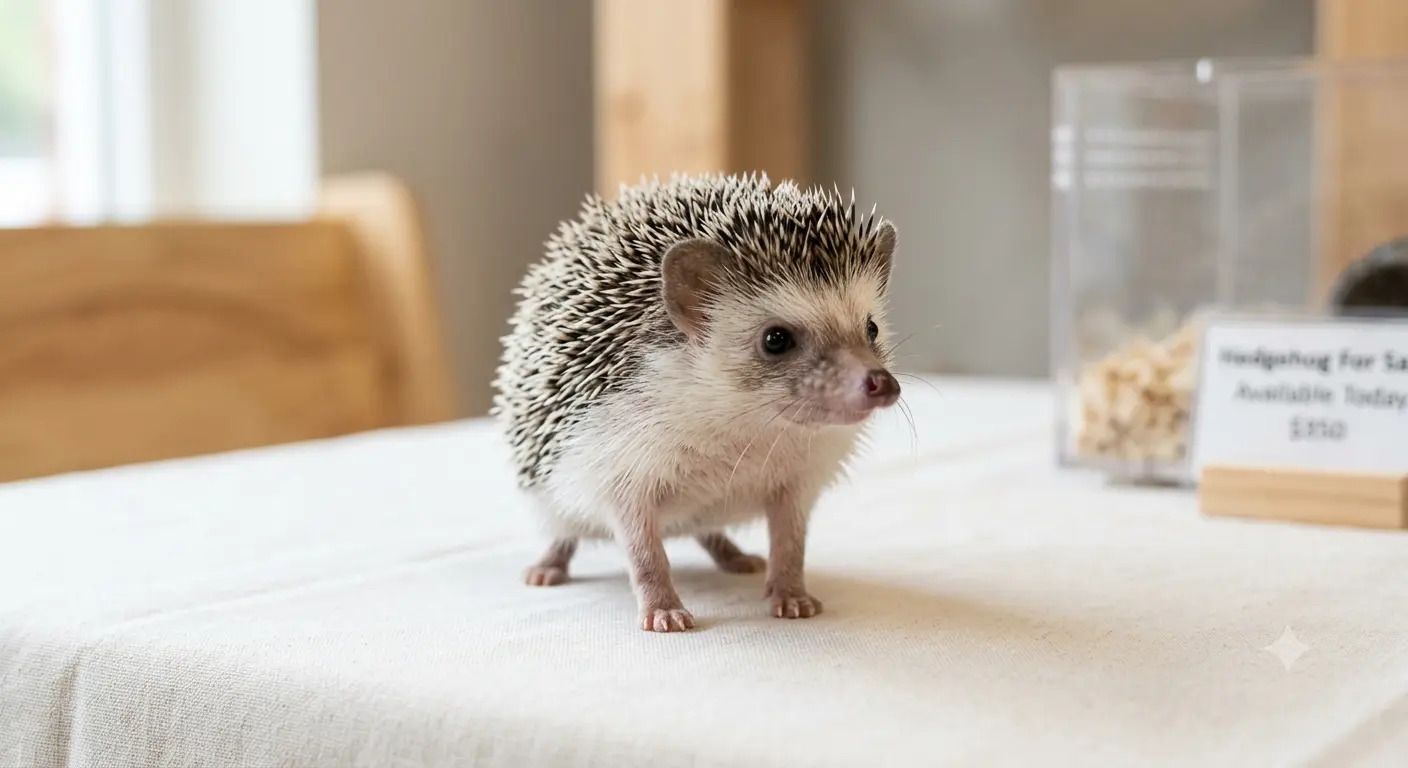
Creating the Ultimate Baby Hedgehog Habitat
Young African pygmy quilled mammals require secure enclosures that prevent accidental escapes or physical injuries. Wire cages with solid plastic bottoms are ideal because they provide superior ventilation while protecting tiny feet from getting stuck.
Avoid wire flooring completely, as fragile juvenile legs can easily slip through and sustain severe fractures. Your enclosure should offer at least four square feet of continuous floor space to encourage natural foraging behaviors.
Bedding selection directly impacts the respiratory wellness of your newly purchased companion. Opt for high-quality paper-based pellets or kiln-dried aspen shavings, ensuring you completely avoid toxic cedar or untreated pine options.
Temperature Regulation and Ambient Heating
Maintaining a stable ambient temperature between 75°F and 80°F is critical for preventing dangerous hibernation attempts. Sudden drops in room temperature cause juvenile metabolic systems to slow down, which quickly becomes fatal.
Utilize a ceramic heat emitter connected directly to a digital thermostat to maintain optimal thermal zones. Supplementing the cage with a reliable thermometer allows you to monitor microclimate fluctuations accurately throughout the night.
Nutritional Requirements for Growing Hoglets
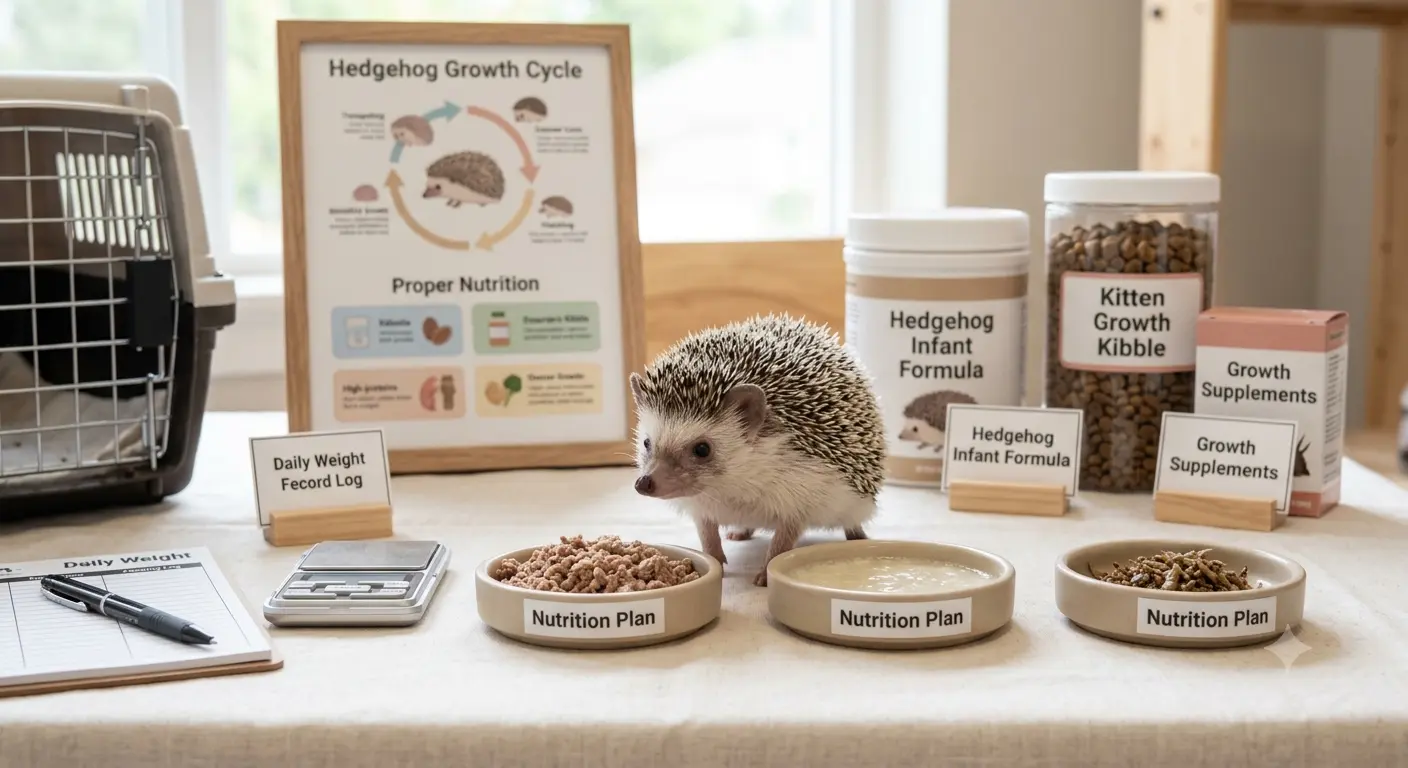
Developing insectivores need a protein-rich diet coupled with low fat levels to support muscle growth without causing obesity. High-quality commercial insectivore kibble serves as an excellent nutritional foundation for your growing pet.
Ensure the primary ingredient listed on the packaging is identifiable meat rather than generic animal by-products. Supplement this dry kibble with live, farm-raised insects to satisfy innate instinctual drives and provide structural variety.
Fresh water must remain accessible twenty-four hours a day using shallow, heavy ceramic dishes. Avoid standard water bottles, as the metal sipping tubes can inadvertently damage fragile developing front teeth during drinking.
A Professional Reptile Keeper’s Perspective on Trial and Error
Living surrounded by scaled predators taught me that patience is a non-negotiable currency. Last winter, my partner brought home an incredibly stubborn albino gecko named Barnaby on a freezing Tuesday morning. I assumed my decades of managing complex environmental parameters would make acclimating this new reptile completely effortless.
I was completely wrong. Barnaby refused every single gut-loaded cricket, dubia cockroach, and premium mealworm I placed inside his custom enclosure for nearly two weeks straight. The stress was palpable inside our home as I watched his tail lose thickness daily while my frustration grew exponentially.
Desperate, I installed traditional underground heating mats, adjusted ambient humidity to extreme levels, and even tried manual assist-feeding techniques. Everything failed miserably, pushing my anxiety to its absolute limit. Then, purely by accident during a midnight maintenance routine, I dropped a standard plastic hides box upside down.
Barnaby immediately crawled inside the narrow, dark crevice created by the accidental structural anomaly and struck at a wandering insect instantly. He did not need different nutritional profiles or complex heat gradients; he simply required an ultra-tight, dark space to feel safe from my watching eyes. That stressful winter breakdown completely redefined how I approach environmental security across all exotic species under my care.
Juvenile Quills: The Quilling Process Explained
When you acquire a young hedgehog for sale, you will inevitably encounter the natural physiological stage known as quilling. This process involves shedding baby spines to make room for stronger, adult quills.
Quilling typically occurs several times during the first year of development, specifically around eight weeks and four months. This transitional phase causes temporary skin irritation, making your pet notably grumpy or sensitive to human touch.
Soothe your uncomfortable animal by providing lukewarm oatmeal baths twice a week during heavy shedding periods. Avoid over-handling them during these growth spurts to prevent amplifying their localized physical discomfort needlessly.
Socialization and Safe Handling Techniques
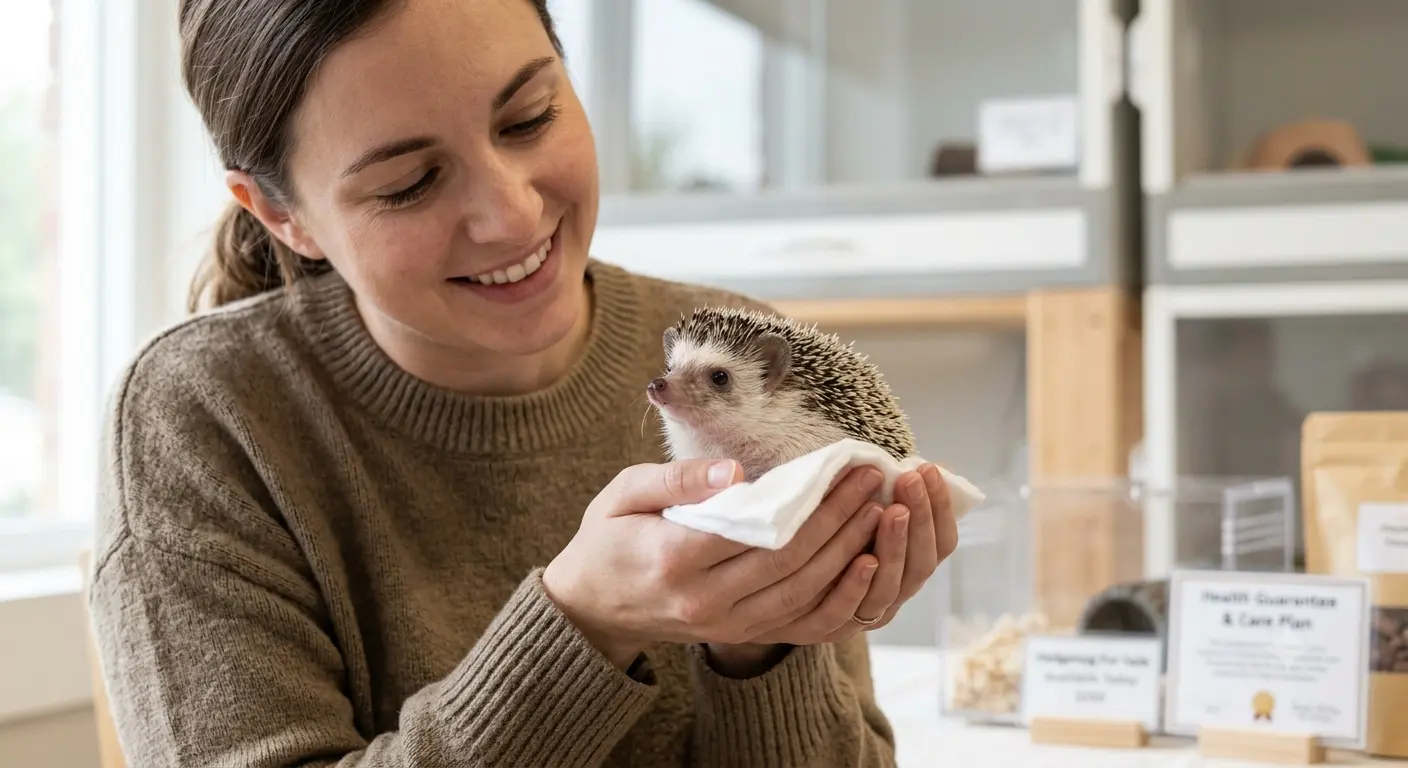
Building a strong emotional bond with a young insectivore requires consistency, calm movements, and positive reinforcement. Allow your new pet to sniff your bare hands before attempting to lift them from their enclosure.
Never wear heavy protective gloves during socialization sessions, as this blocks your unique scent profile from being recognized. Scoop them up gently from underneath their belly using both hands to support their entire body weight safely.
If you are still searching online for an authentic hedgehog for sale, review our specialized baby hedgehog guide to master advanced handling methods early. Daily interaction for fifteen minutes builds undeniable familiarity and reduces defensive balling behaviors.
Health Matrix: Assessing Common Juvenile Ailments
Monitoring physical appearance and daily stool quality helps catch progressive bacterial infections or parasitic infestations early. Check their tiny paws regularly to ensure stray threads from bedding have not wrapped around their toes.
Dry, flaky skin along the ears or spine bases often indicates the presence of microscopic external mites. Schedule a preventative wellness examination with an exotic specialist registered at the Association of Reptilian and Amphibian Veterinarians (ARAV) immediately upon adoption.
The matrix below outlines primary health markers to evaluate when bringing home a newborn insectivore from a verified vendor.
| Health Metric | Optimal Condition | Warning Signs | Immediate Action Required |
|---|---|---|---|
| Stool Consistency | Firm, dark brown pellets | Green, watery, or slimy | Adjust diet; check for internal parasites |
| Skin Quality | Smooth, pinkish-grey skin | Heavy dandruff, missing quills | Apply vet-approved topical mite treatments |
| Activity Levels | High nocturnal foraging activity | Lethargy, wobbling during daytime | Verify cage temperatures instantly |
| Eye Appearance | Wide, clear, glossy black | Discharge, crusting, cloudiness | Flush with saline; visit exotic vet |
Step-by-Step Acclimation Timeline for New Owners
The first forty-eight hours after purchasing a hedgehog for sale dictate their long-term behavioral disposition. Place the enclosure in a low-traffic area of your home to minimize sudden auditory shocks during their initial rest period.
Refrain from inviting friends or family over to see your new exotic companion during the first full week. Allow them to establish a predictable routine of eating, sleeping, and exploring their new territory without external interruptions.
Introduce a worn piece of your clothing into their sleeping quarters so they associate your scent with safety. By week two, your pet will recognize your approach, making active socialization significantly smoother and more rewarding.
Selecting Safe Toys and Exercise Accessories
Physical exercise is vital for preventing systemic hepatic lipidosis, a common fatty liver disease found in captive insectivores. Large, solid-surface running wheels are the safest fitness accessory you can provide for your nocturnal explorer.
Never purchase wire mesh wheels, as their tiny toenails can easily get caught, tearing off digits during high-speed runs. Ensure the wheel spans at least twelve inches in diameter to prevent unnatural spinal curvature while running.
Incorporate lightweight plastic balls, safe cat toys without small bells, and open cardboard tubes for structural enrichment. Monitor their nightly activity patterns to ensure they are utilizing their designated exercise tools consistently.
Financial Planning for Exotic Mammal Ownership
When calculating the true cost of acquiring a hedgehog for sale, remember that the purchase price is merely the baseline. High-quality heating infrastructure, species-specific vet care, and premium insect supplies demand consistent financial allocation over time.
Establish a dedicated emergency veterinary fund immediately to prepare for unexpected nighttime illnesses or seasonal diagnostic screenings. Being financially prepared guarantees your exotic pet receives uncompromised medical attention throughout their entire lifespan.
Responsible ownership rewards you with up to five to seven years of wonderful, quirky companionship. Investing time into thorough research today ensures a bright, healthy future for your extraordinary small mammal.
Frequently Asked Questions (FAQs)
What is the average price range when looking for a hedgehog for sale?
An ethically bred infant generally costs between $200 and $450 depending on color variations and lineage documentation. Always avoid unusually low pricing from unverified online classified advertisements.
How can I locate a certified hedgehog for sale near me safely?
Locate reputable breeders through professional registries or local exotic animal veterinary clinics. Ensure the breeder provides health guarantees and lets you inspect the facility prior to purchasing.
What structural features should I prioritize when purchasing a home for my pet?
Prioritize a flat, solid plastic bottom with well-ventilated wire tops. Ensure the enclosure measures at least 4 square feet and safely accommodates heating lamps and a 12-inch solid running wheel.
Are these small insectivores suitable pets for young children?
They are generally better suited for adults or older teenagers due to their nocturnal habits and sharp quills. They require gentle, deliberate handling that young children often struggle to maintain safely.