
Thinking about bringing a prickly friend into your home? Hedgehogs have gained massive popularity lately as exotic pets. But the big question remains: Are hedgehogs good pets for everyone? While they are undeniably cute, they have unique needs and behaviors that differ from cats or dogs.
To give you an immediate answer: Are hedgehogs good pets? Yes, they are, but only for dedicated owners who understand their nocturnal nature, insectivorous dietary demands, and precise environmental requirements. They are low-maintenance in terms of social interaction but high-maintenance regarding climate control.
Before diving deep into their biology, let us look at a quick introductory overview to help you evaluate if this exotic mammal fits your daily lifestyle and to answer the question: are hedgehogs good pets for your household?
| Pet Criteria | Hedgehog Reality | Suitability Profile |
|---|---|---|
| Noise Level | Extremely quiet; gentle huffing only. | Perfect for apartment living. |
| Activity Cycle | Strictly nocturnal (active at night). | Great for night owls and busy professionals. |
| Diet Type | Insectivore requiring high protein and live prey. | Requires handling live insects regularly. |
| Social Needs | Solitary mammals; do not require companions. | Excellent for independent owners. |

The Unique Biological Personality of Hedgehogs
Hedgehogs belong to the subfamily Erinaceinae. The most common species kept as an exotic companion is the African Pygmy hedgehog. Understanding their biological blueprint is essential to evaluating whether are hedgehogs good pets for your specific lifestyle and housing layout.
Unlike domesticated pack animals, these solitary mammals do not crave constant human affection. They will not wait by the front door or wag their tails when you return. Instead, their initial reaction to external stimuli is self-defense, driven by deep-rooted survival instincts.
Quiet and Independent Companions
One of the finest traits of these creatures is their peaceful nature. They do not bark, whine, scratch furniture, or make disruptive sounds that could disturb your neighbors. Their vocalizations are restricted to soft snuffles, clicks, or small huffs when they feel slightly startled.
Thriving in the Night
Because they possess distinct nocturnal behavior, their internal clock begins when yours might be winding down. They spend the entire day sleeping soundly in their dark hideouts and wake up around dusk to forage, run on wheels, and explore their surroundings actively.
This timeline makes them an exceptional match for adults who work long daytime shifts outside the home. You can leave for the office without feeling guilty about leaving an anxious animal behind, knowing they are comfortably resting throughout the day.
Pros of Owning a Hedgehog: Why They Shine
When analyzing why so many exotic animal enthusiasts consider that are hedgehogs good pets, several distinct lifestyle advantages quickly come to light, especially for modern urban households.
- Hypoallergenic Appeal: They do not produce dander or shed fur like traditional domestic pets, making them a phenomenal alternative for severe allergy sufferers.
- Minimal Odor Production: They lack scent glands. As long as their enclosure is spot-cleaned daily, your living space will remain completely fresh and odor-free.
- Compact Spatial Requirements: They do not require access to a massive backyard; a well-designed, spacious indoor enclosure is perfectly sufficient.
Low Social Demands
They do not experience separation anxiety or loneliness when housed individually. In fact, keeping them together can lead to severe, aggressive territorial fighting. Their self-reliant nature means they are perfectly content ruling their own private domain without needing a cage mate.
The Challenges: Why They Might Not Suit Your Home
An honest assessment of whether are hedgehogs good pets requires a thorough exploration of their challenging care dynamics. Neglecting these specialized factors can lead to severe health complications for your animal.
The Prickly Defense Mechanism
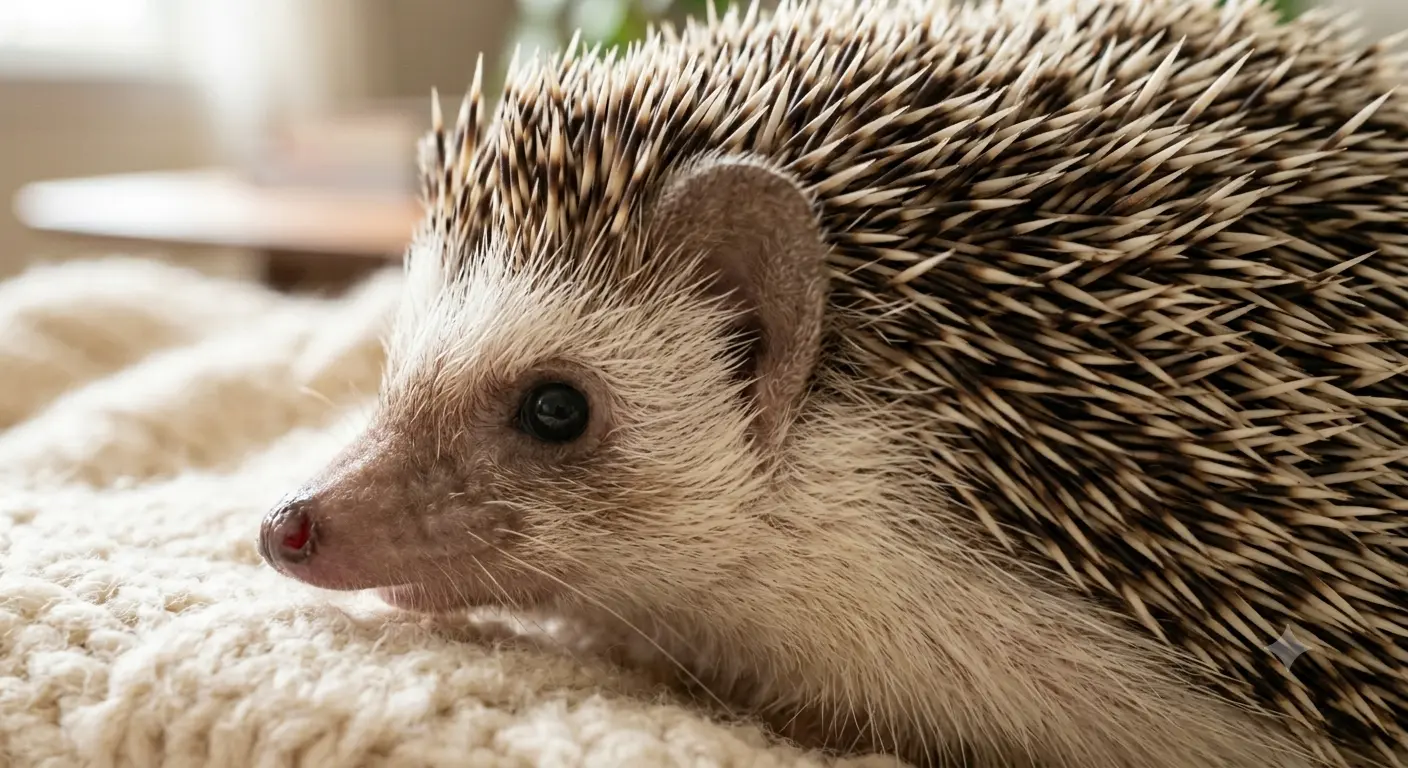
When faced with unfamiliar sounds, sudden shadows, or unwashed hands, a hedgehog will immediately contract its orbicularis panniculi muscle. This action rolls their body into a tight, defensive sphere covered by thousands of sharp, keratinized quills.
Handling a defensive, balled-up animal requires immense patience, gentle movements, and steady confidence. It takes weeks, sometimes months, of daily handling for an individual to recognize your specific scent, uncurl comfortably, and lay its quills flat against its back.
Complex Insectivorous Diet Parameters
They are specialized insectivores requiring a highly specific nutritional layout. Their captive diet must be rich in lean protein, low in fat, and properly balanced with essential fiber to prevent obesity, which is a common health problem in domestic settings.
A premium commercial insectivore kibble forms the nutritional base. However, this must be systematically supplemented with live, gut-loaded insects such as mealworms, dubia roaches, and crickets to provide vital chitin and psychological enrichment through hunting behaviors.
Strict Ambient Temperature Sensitivity
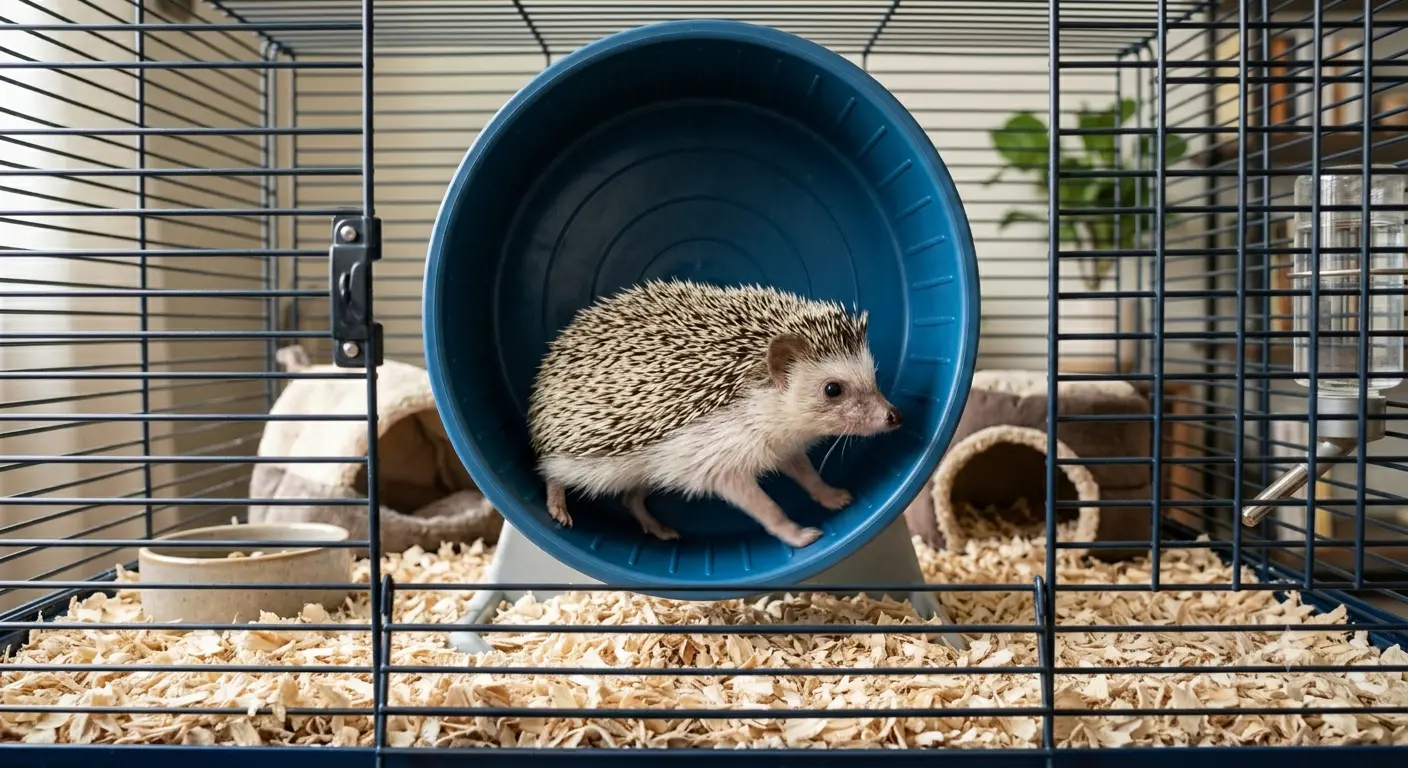
Maintaining a precise thermal environment is a non-negotiable aspect of their daily husbandry. Their enclosure must be kept consistently between 72°F and 80°F using specialized ceramic heat emitters connected to digital thermostats.
If the ambient temperature drops below this safe zone, it can trigger a highly dangerous, life-threatening false hibernation attempt. During this state, their metabolic rate crashes dangerously, leaving their immune system entirely compromised and vulnerable to organ failure.
The Human Experience: A Journey of Patience and Trust
I remember the first night sitting by the enclosure in total darkness. My fingers throbbed slightly from a sharp spike earlier. It felt discouraging. I wondered if this tiny creature would ever tolerate my presence. He was just a tight, huffing ball of sharp quills. Fear ruled his world, and doubt ruled mine.
Time changes everything. Every evening, I placed an old, unwashed cotton t-shirt into his nesting area so he could process my scent safely. Slowly, the daily routine paid off. One rainy evening, he didn’t roll up. Instead, a small, moist nose peeked out. He sniffed my palm carefully. Then, his quills laid completely flat. It was a breakthrough moment. Winning the trust of a solitary animal demands incredible emotional resilience, but the reward is unforgettable.
Are Hedgehogs Good Pets for Children?
When families ask if are hedgehogs good pets for young children, professional exotic veterinarians generally advise caution. These mammals are delicate, fragile, and their defensive nature can easily discourage or accidentally poke sensitive young hands.
A child might instinctively drop a hedgehog if it suddenly pokes them, which can result in broken bones or severe internal injuries for the animal. Therefore, when evaluating if are hedgehogs good pets for a family, they are best suited for responsible adults or older teenagers who understand boundaries and can handle them with a calm, deliberate touch.
Legal Considerations and Local Wildlife Regulations
Before purchasing an exotic animal, you must verify your local state and municipal regulations. Because of environmental concerns regarding potential invasive species risks, ownership is entirely restricted or strictly illegal in several regions.
Areas such as California, Georgia, Hawaii, Pennsylvania, and parts of New York City explicitly prohibit keeping them as companions. Always confirm local laws and ensure you have access to a qualified, specialized exotic veterinarian nearby before making a commitment.
Comprehensive Comparison Matrix
To help visualize how these animals fit into your home compared to other common small pets, review this practical assessment matrix highlighting core ownership aspects.
| Care Factor | Hedgehogs | Guinea Pigs | Hamsters |
|---|---|---|---|
| Social Needs | Strictly solitary | Highly social (needs pairs) | Solitary to territorial |
| Lifespan | 3 to 5 years | 5 to 8 years | 2 to 3 years |
| Temperature Needs | Strict (72°F – 80°F) | Moderate room temp | Standard room temp |
| Primary Diet | Insects & High Protein | Hay & Fresh Vegetables | Grains, Seeds & Pellets |
Frequently Asked Questions (FAQ)
Do hedgehog quills hurt when you hold them?
If they are relaxed, their quills lie completely flat and feel like a stiff hairbrush. However, if they are startled or rolled into a defensive ball, the quills stand upright and can poke sharply, requiring a careful, supportive grip.
How often do you need to clean a hedgehog’s cage?
You should spot-clean feces and clean their exercise wheel daily, as they tend to relieve themselves while running. The entire bedding layer and enclosure lining should be thoroughly washed or replaced once a week to keep it fresh.
Can hedgehogs be litter trained?
Some individuals can be successfully litter trained by placing a small, shallow tray underneath or near their exercise wheel. However, consistency varies wildly, and many will simply relieve themselves wherever they happen to be active.
What health issues do hedgehogs face?
They are prone to obesity, dental disease from improper soft diets, skin mites, and a progressive neurological condition known as Wobbly Hedgehog Syndrome (WHS). Regular checkups with an exotic animal veterinarian according to guidelines by organizations like the American Veterinary Medical Association are highly recommended.
Conclusion: Making the Right Exotic Choice
Ultimately, determining if are hedgehogs good pets depends entirely on your personal expectations and daily schedule. If you want a cuddly, highly interactive pet that thrives on constant attention, they will likely fall short of your hopes. However, if you appreciate an independent, fascinating, and quiet companion, then are hedgehogs good pets? Yes, they can be an absolutely wonderful addition to your home.