
Axolotls are magnificent, unique aquatic creatures that look like they belong in a mythical fairy tale. These Mexican walking fish have captured the hearts of exotic pet keepers globally. Their smiling faces and feathery external gills make them an absolute joy to observe daily.
While these amphibians do not require highly complex care routines, setting up their environment correctly is absolutely vital. Choosing the right Axolotl Ornament is crucial for both visual aesthetic appeal and your pet’s physical safety. It requires a deep understanding of their biological vulnerabilities.
Unlike standard aquarium fish, axolotls possess incredibly delicate, highly porous skin that lacks protective scales. Their long, flowing external gills are filled with sensitive blood vessels that can easily snag and tear on poorly manufactured tank decorations. Creating a safe, enriching underwater playground must be your top priority.
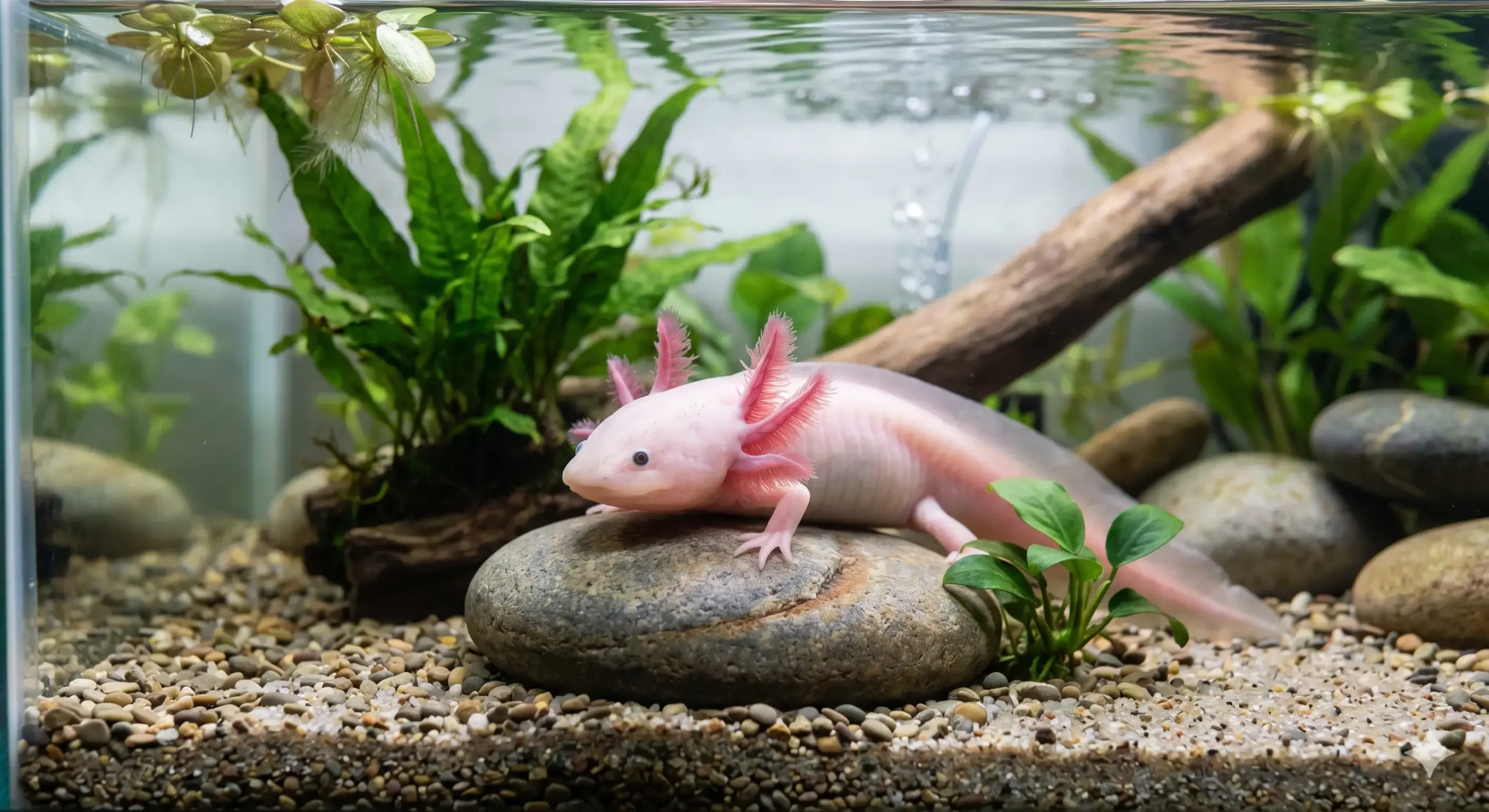
Safety First: The Crucial “Pantyhose Test” for Tank Decor
Before placing any commercial Axolotl Ornament into your aquatic habitat, you must carefully inspect its surface texturing. Manufacturers often design ornaments for scaled fish without considering the soft skin of amphibians. Rough ridges can cause severe scratches and subsequent bacterial infections.
To run the test successfully, simply take a regular pair of nylon pantyhose and gently rub them over every surface of the item. If the fabric snags, catches, or tears even slightly, the decoration is far too sharp for your pet. You must modify it thoroughly before utilization.
Fortunately, unsafe decor items can often be salvaged with basic tools. Use fine-grit sandpaper or a small dremel tool to smooth down rough seams, pointy edges, and internal casting ridges. Wash the decoration thoroughly with pure water afterward to remove all lingering debris.
Size selection is another critical safety metric when analyzing potential hiding spaces. Axolotls are curiously stubborn and will frequently attempt to squeeze their bodies into tiny spaces. Ensure any hollow zones or entrance holes are either completely microscopic or significantly large.
A good rule of thumb is that any opening should be at least twice the width of your fully grown adult pet. Getting stuck inside a tight cavern causes massive panic, severe slime coat damage, and can unfortunately lead to tragic drowning incidents if they cannot escape easily.
Essential Hides: The Best Axolotl Ornament Choices for Stress Relief
Axolotls are naturally crepuscular and highly light-sensitive creatures that lack true eyelids. They genuinely crave dark, secure spaces to retreat into during bright daytime hours. Providing high-quality hiding spots directly reduces cortisol levels and strengthens their overall immune systems.
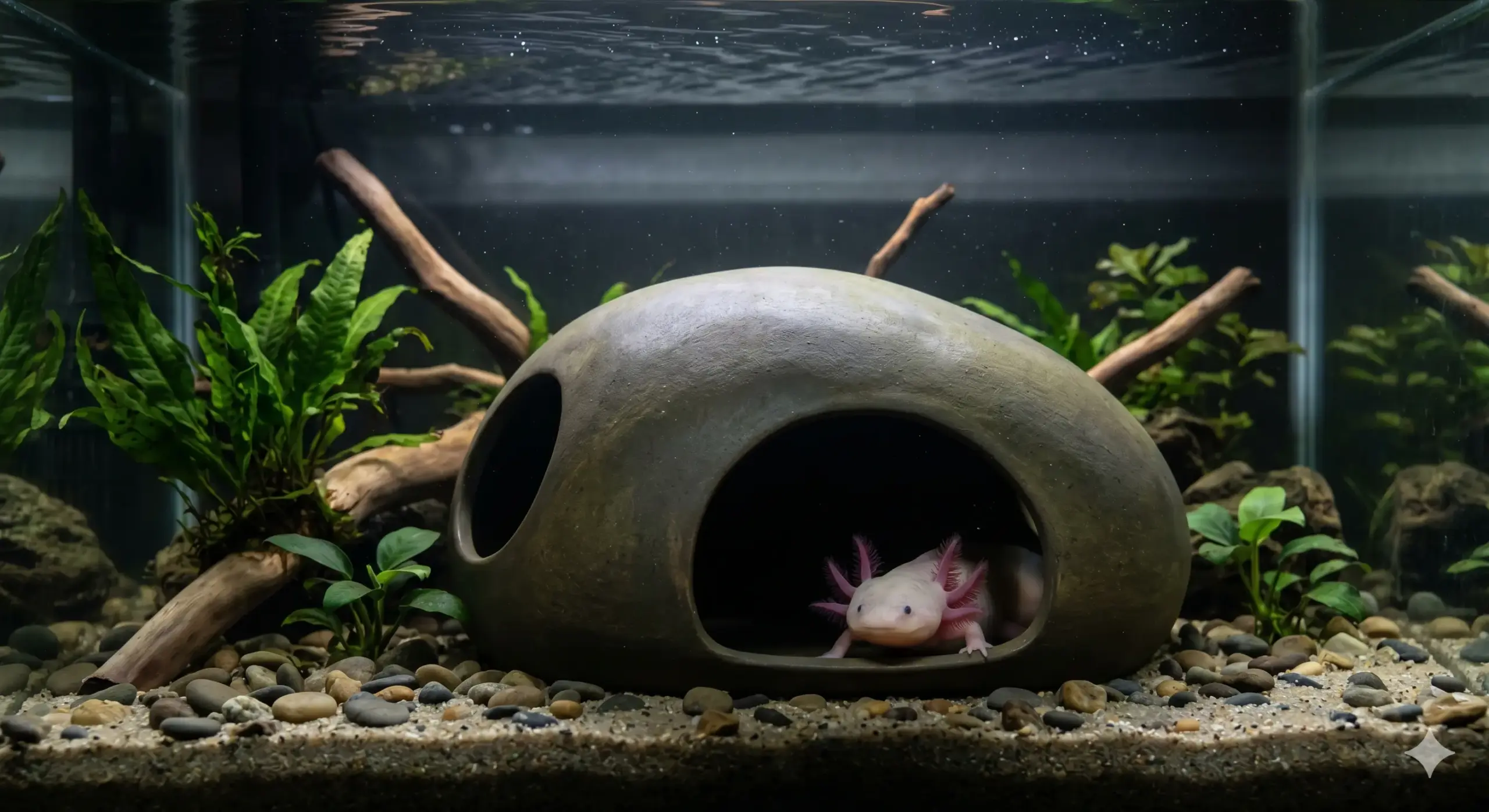
1. Premium Ceramic Caves
A perfectly smooth ceramic Axolotl Ornament offers an elite combination of structural safety and visual elegance. Inert ceramic structures do not alter water chemistry parameters over time. They remain highly stable on the tank floor even when bumped by a heavy amphibian.
Terracotta clay pots laid completely on their sides serve as an excellent, budget-friendly alternative. They provide massive interior shade while remaining completely non-toxic. Ensure you sand down the small drainage hole at the bottom or block it completely so your pet cannot get trapped.
2. Industrial PVC Pipes
While industrial PVC pipes might not present the most naturalistic appearance, they are incredibly safe, cheap, and widely adored by experienced breeders. Large-diameter PVC joints provide perfect dual-opening tunnels. They allow smooth water flow and effortless exit strategies for startled animals.
You can easily camoflauge these bright white plastic pipes to match your natural aquascape. Apply a thin layer of aquarium-safe 100% silicone across the exterior shell. Roll the wet pipe in black sand or press small pebbles firmly onto it to create a gorgeous organic texture.
The Human Experience: A Lifelong Bond and Lessons in Patience
I remember the first winter night I brought my leucistic axolotl home. The room was freezing. My hands shook slightly as I adjusted the aquarium parameters. He looked up at me with those tiny, unblinking black eyes. It was an instant connection that shifted how I viewed aquatic life entirely.
Caring for them teaches you deep patience. You cannot rush their growth or force them to interact. They move at their own leisurely pace. Yesterday, I watched him softly tap his front foot against a smooth clay pot for twenty minutes. It was hypnotic. Simple moments like that erase the chaotic noise of our modern world completely.
Their fragility demands your utmost attention. One minor mistake with a sharp decorative plastic piece can result in a deeply stressful week of water treatment and salt baths. My heart sinks whenever his gills look slightly curled from stress. You learn to read their subtle body language over the years. This profound emotional connection transforms a simple glass tank into a living sanctuary filled with mutual trust and quiet serenity.
Aquatic Greenery: Balancing Silk vs. Plastic Materials
Incorporating dense foliage is an incredible mechanism to elevate the visual appeal of your primary Axolotl Ornament layout. Foliage filters incoming ambient room light, mimicking the natural, murky canal ecosystems of ancient Lake Xochimilco. However, material selection dictates the safety of your tank.
You must absolutely choose high-quality silk plants over cheap injection-molded plastic variants. Plastic flora frequently features incredibly rigid, sharp leaves capable of slicing thin abdominal skin. Silk leaves sway beautifully within the gentle water currents, providing soft resting hammocks for your pets.
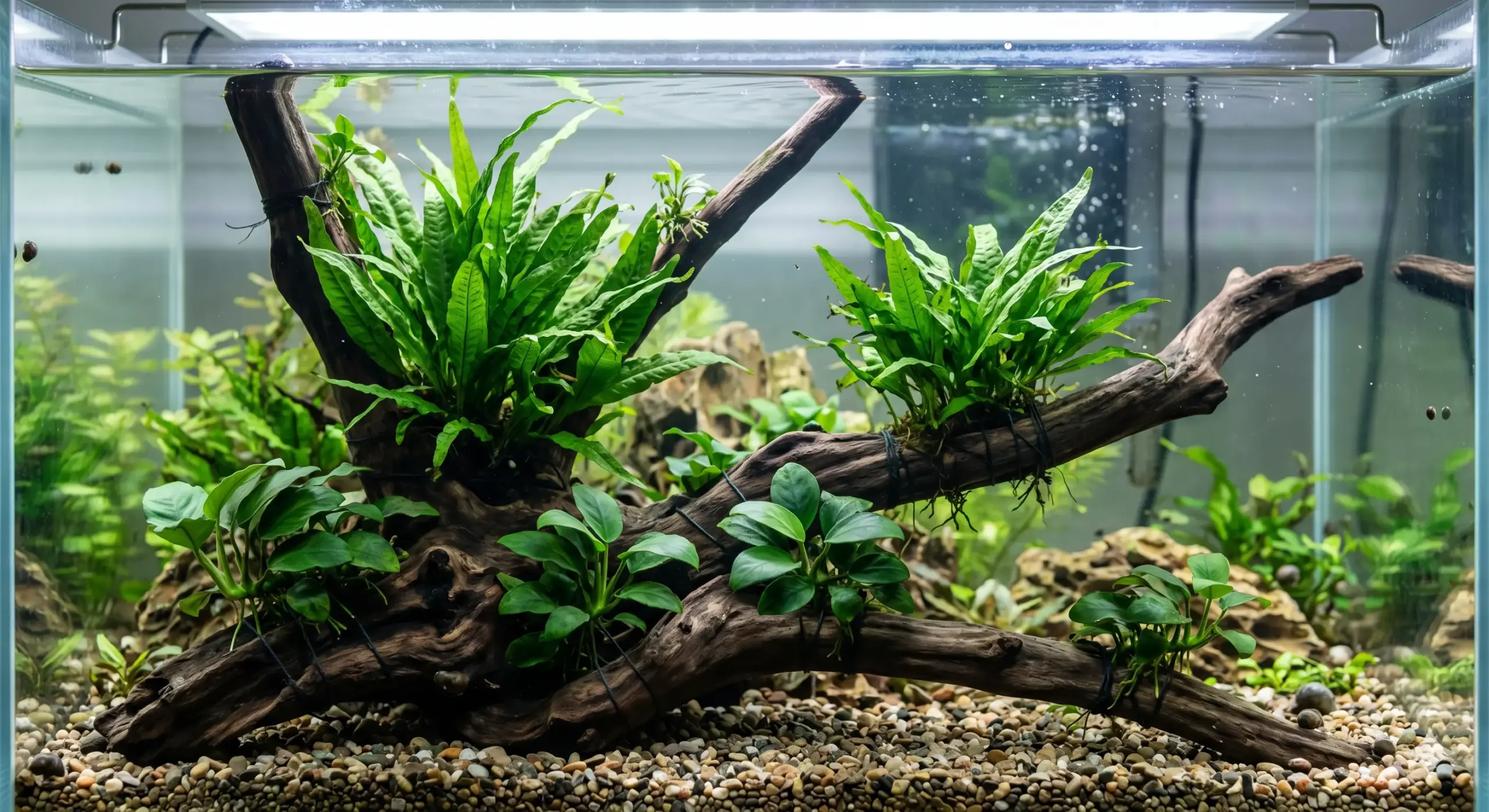
Live plants offer a phenomenal, functional alternative for dedicated hobbyists willing to perform basic botanical maintenance. Low-light species like Anubias, Java Fern, and floating Amazon Frogbit thrive marvelously in cold water conditions. These live plants actively consume harmful nitrates, fundamentally purifying the water column naturally.
When introducing live flora, ensure they are securely anchored to heavy stones or smooth pieces of driftwood. Axolotls are notorious for clumsy bulldozing behaviors. They will quickly uproot fragile root systems planted loosely in fine sand, causing messy organic floating debris within your tank.
Avoiding Dangerous Decor: What To Keep Out of the Tank
Not every beautiful item sold in commercial pet stores makes a suitable Axolotl Ornament. You must look past aesthetic marketing to analyze potential biochemical and mechanical hazards. Maintaining a minimalist, high-safety mindset prevents critical emergencies down the road.
Never utilize small gravel or loose river rocks smaller than the actual size of your axolotl’s entire head. These predators utilize a powerful vacuum-style feeding mechanism to inhale their food whole. They will accidentally swallow small stones, leading to fatal gastrointestinal impactions that require complex surgical interventions.
Steer completely clear of unsealed resin decorations imported from unverified manufacturers. Cheap paint coatings can slowly leach dangerous heavy metals and toxic chemicals into the water column over extended periods. Always invest in certified aquarium-safe products from reputable brands with transparent ingredient lists.
Decor Comparison Matrix: Choosing Your Core Layout Items
To help you structure an ideal aquatic environment, we have compiled a comprehensive comparison matrix detailing the safety, aesthetic value, and functional utility of various popular decoration choices currently available on the market.
| Decoration Type | Safety Rating | Pros | Cons |
|---|---|---|---|
| Ceramic Caves | Excellent (5/5) | Inert, completely smooth, highly durable | Can be moderately expensive |
| Industrial PVC Pipes | Excellent (5/5) | Extremely cheap, smooth interior, safe | Industrial, artificial appearance |
| Silk Flora | Good (4/5) | Soft leaves, vibrant colors, zero light needs | Does not absorb toxic nitrates |
| Natural Driftwood | Moderate (3/5) | Stunning organic look, great for plants | Can lower pH and leach brown tannins |
| Cheap Resin Castle | Poor (1/5) | Intricate designs, visually appealing | Sharp interior edges, risk of paint leaching |
According to leading veterinary guidelines published by the American Veterinary Medical Association, maintaining proper environmental enrichment while eliminating physical hazards is paramount for long-term amphibian health. Investing in high-quality items guarantees peace of mind.
Frequently Asked Questions (FAQ)
Conclusion: Designing a Harmonious and Secure Aquatic Sanctuary
Adorning your glass aquarium with a beautiful, eye-catching Axolotl Ornament makes the entire room layout look absolutely incredible. However, structural safety and chemical inertness must always come first when dealing with sensitive exotic amphibians. Balancing aesthetics with biological awareness ensures a healthy ecosystem.
By consciously selecting ultra-smooth surfaces, wide-holed entryways, soft silk foliage, and non-toxic certified materials, you create a wonderfully stress-free underwater playground. Your magnificent pet will reward you with active behaviors, vibrant coloration, and many wonderful years of joyful companionship.