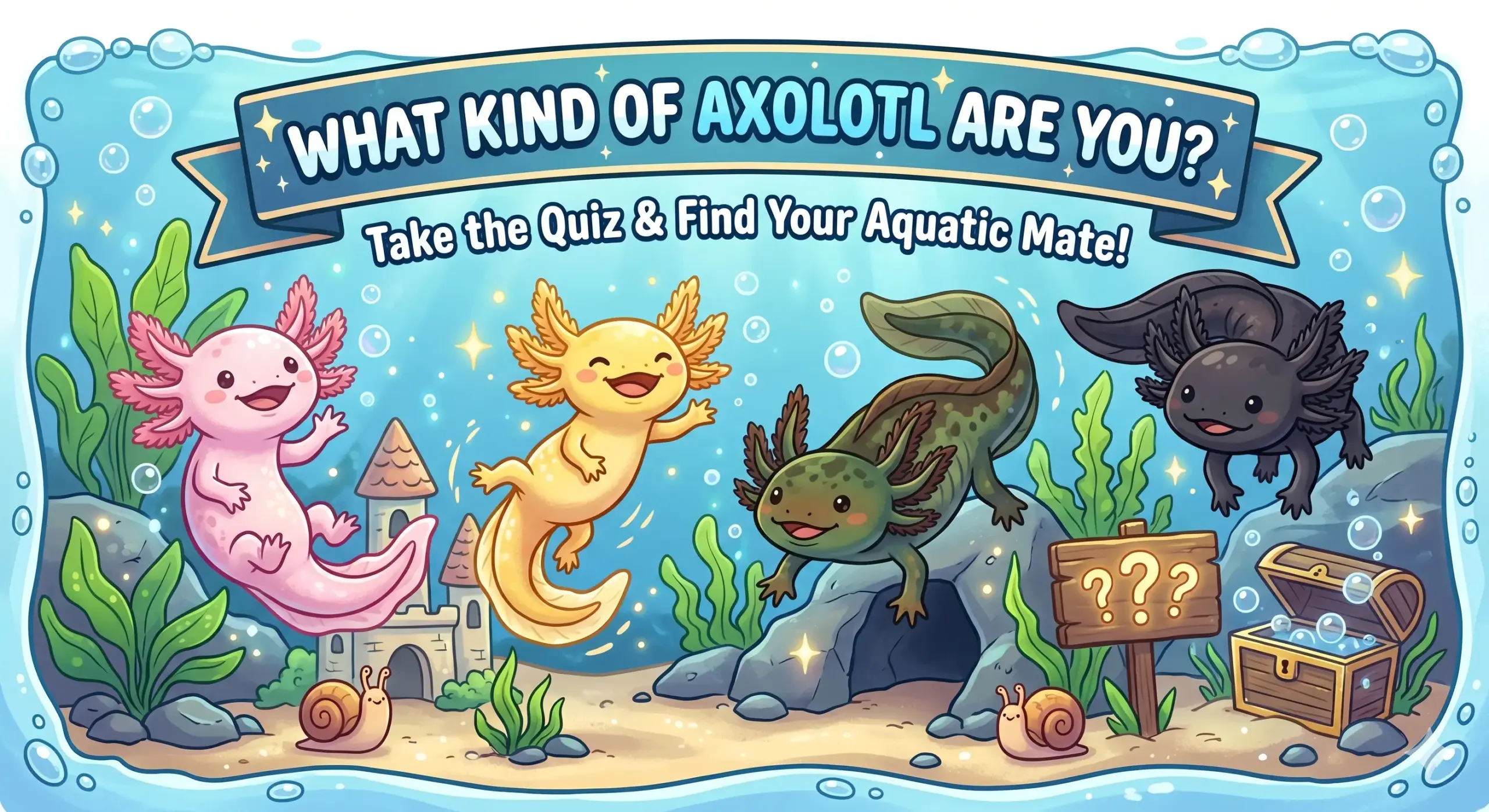
Axolotls are among the most fascinating aquatic creatures kept as pets today. Their permanent smiles, feather-like external gills, and interactive personalities captivate thousands of exotic pet enthusiasts worldwide. Many owners wonder how these unique traits reflect individual personalities. You might often ask yourself: What Kind of Axolotl Are You when compared to these amazing salamanders?
Understanding these delicate creatures requires deeper knowledge about their natural behaviors and environmental needs. Each genetic morph showcases entirely distinct behavioral patterns in captivity. Some prefer long hours hidden away, while others actively swim forward to interact with their human caretakers daily.
This comprehensive guide explores behavioral profiles, essential care matrices, and historical evolutionary biology data. We will also dive into an interactive quiz designed to map your personality to an axolotl morph. By evaluating your daily preferences, you can uncover your true aquatic counterpart today.
Understanding the Unique Personalities of Aquatic Salamanders
Axolotls possess highly individualized temperaments that surprise novice keepers who expect simple amphibian behavior. Some individuals spend hours exploring their sand substrate, walking with slow, deliberate steps like miniature underwater astronauts. Others prefer floating lazily in mid-water, looking out into the room with quiet curiosity.
These behavioral variations stem from genetic backgrounds, age, environmental enrichment, and sensory responses to light. A tank filled with live plants and caves promotes active exploration and reduces stress levels. Conversely, barren tanks often induce shyness, causing the animal to hide away from human view entirely.
By observing feeding responses and activity cycles, researchers categorize behaviors into specific profiles. These profiles help determine care requirements and predict how an animal responds to aquarium changes. Identifying these traits allows owners to wonder: What Kind of Axolotl Are You hosting in your living room ecosystem?
The Impact of Aquarium Enrichment on Salamander Behavior
Providing high-quality enrichment items directly influences how an axolotl interacts with its surrounding freshwater world. Hollow logs, smooth stones, and ceramic castles offer essential shade from bright lights that irritate their lidless eyes. Happy axolotls display vibrant gill filaments and showcase much higher levels of midday activity.
Low-flow filtration systems are critical to maintaining peace within the aquatic environment. Strong currents create excessive water movement, causing chronic stress, floating issues, and diminished feeding appetites. Ensuring a calm environment allows their natural, charming personalities to emerge fully over time.
The Ultimate Personality Quiz: What Kind of Axolotl Are You?
Are you a hidden gem or an adventurous explorer of your environment? This interactive personality quiz helps you discover which major genetic morph aligns perfectly with your lifestyle. Answer the five carefully crafted behavioral questions honestly, note your points, and total them up at the end.
The Results (Add up your points!)
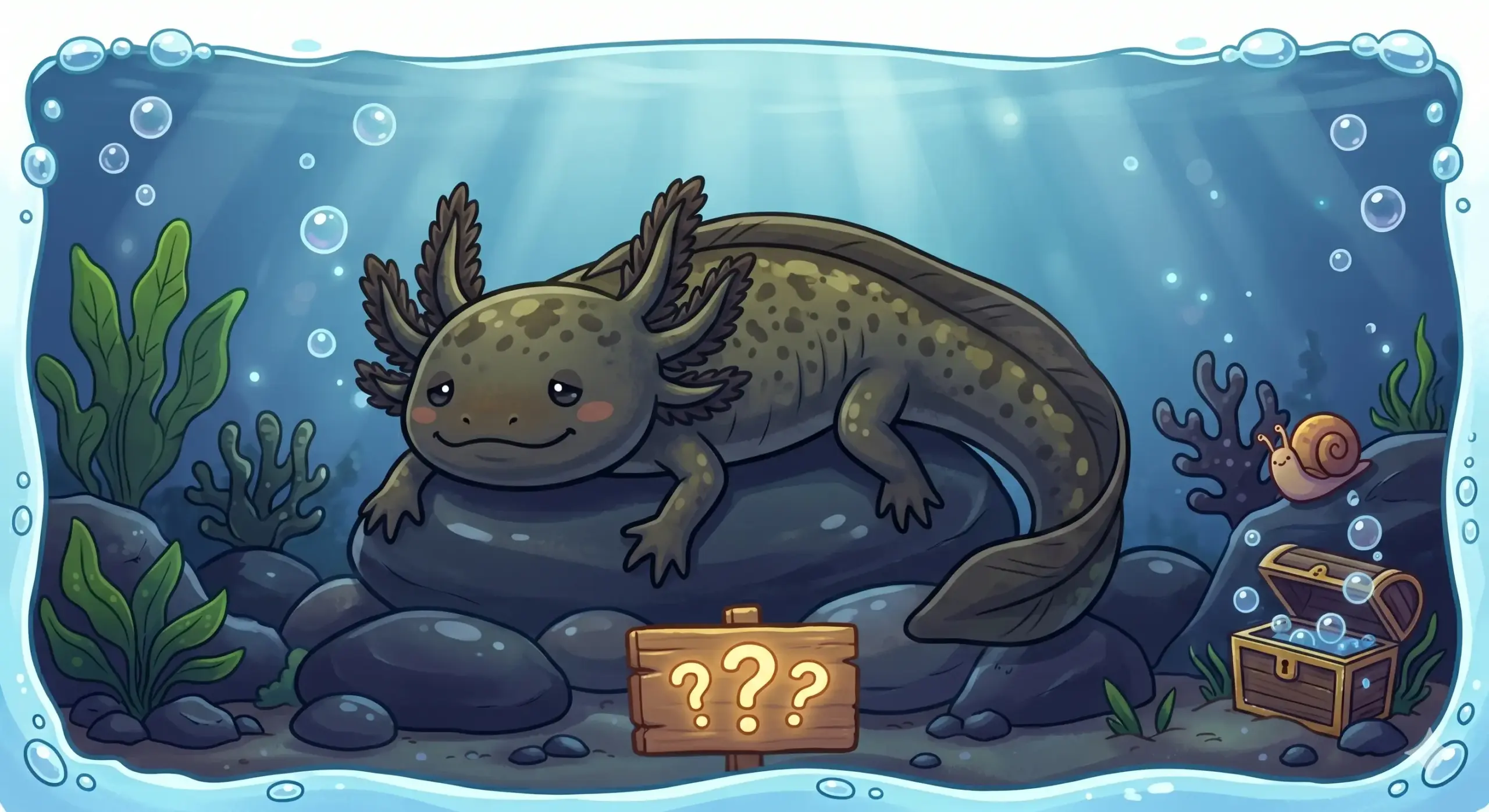
5 – 8 Points: The Shy Sweetheart (Wild Type) 🖤
You are calm, mysterious, and love your “me time.” You don’t need to be the center of attention to be happy. You are the hidden gem of the aquarium!
9 – 12 Points: The Smiling Optimist (Leucistic Pink) 💖
You are the star of the show! Everyone loves your positive energy and your famous smile. You make the world a brighter (and pinker) place.
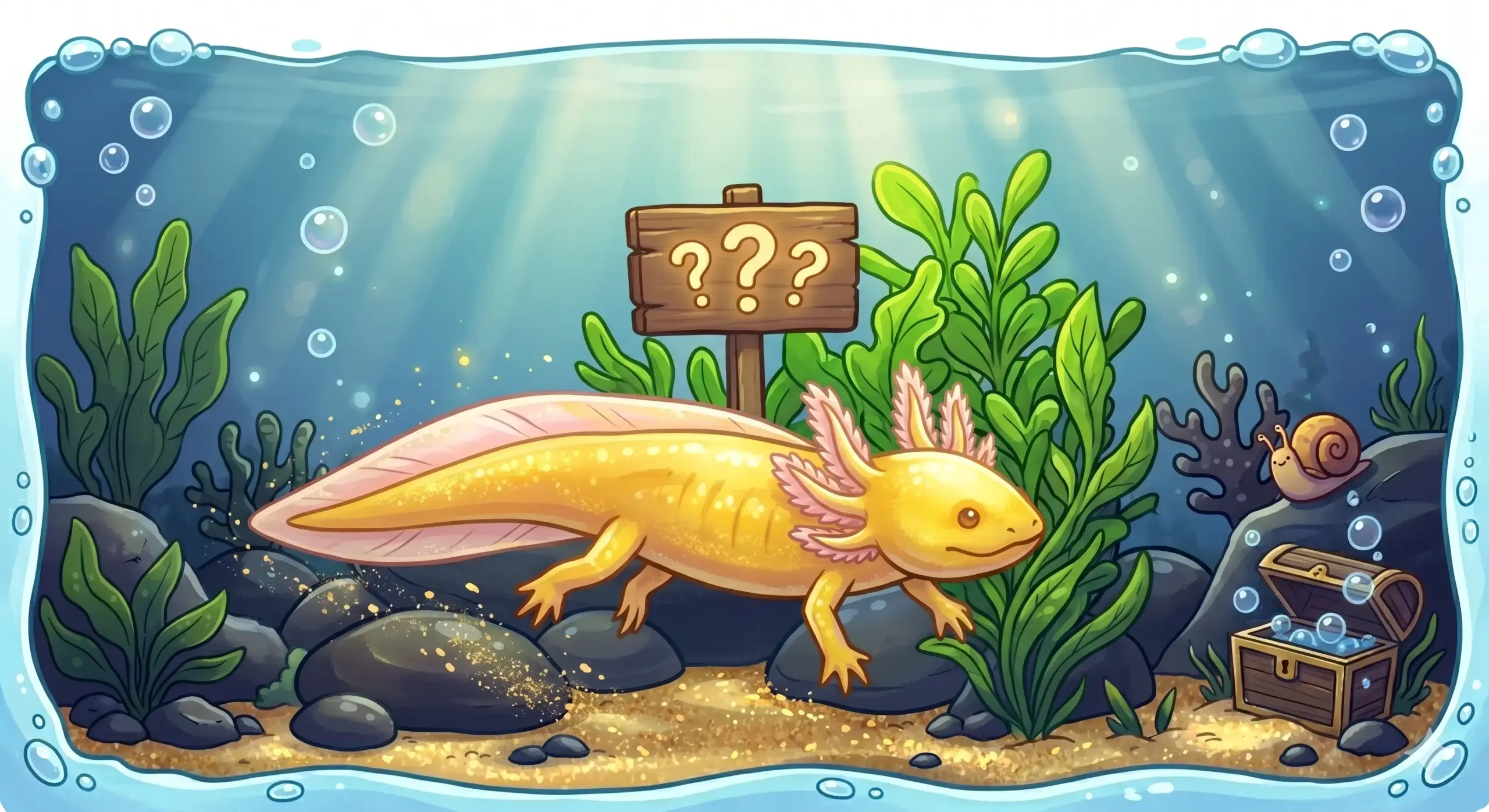
13 – 15 Points: The Golden Explorer (Golden Albino) ✨
You are bold, bright, and full of life! You love exploring every corner of your world and you’re always ready for the next snack or adventure.
Sharing your quiz results with fellow pet keepers creates an engaging community experience online. Every morph possesses a unique charm that requires specific aquarium setups to thrive successfully. Knowing these traits helps answers the fundamental question: What Kind of Axolotl Are You meant to care for?
The Human Experience: A Lifelong Bond Beyond the Glass
Silence fills the room. I sit quietly by the dark glass of the tank every single evening after work. The water filters hum softly. My mind slows down completely. Suddenly, two tiny, dark eyes peer out from beneath a thick patch of green java fern. It is a slow, magical connection. My fingers gently tap the cool glass pane. She swims forward immediately. No hesitation. She floats effortlessly, her bright pink gills waving gently like feathers in an underwater breeze. My stress simply melts away into the water. Taking care of an exotic pet takes immense patience. Cleaning filters and testing water parameters parameters every single weekend feels tedious at times, but this quiet, beautiful friendship makes every single minute worth it.
Comprehensive Morph Comparison Matrix
Selecting the ideal pet requires analyzing physical attributes, activity levels, and lighting sensitivities across different morphs. The matrix below categorizes the three primary morphs featured in our quiz. Use this data to optimize your current or future aquarium setup properly.
| Morph Classification | Primary Coloration | Activity Level | Light Sensitivity | Best Tank Setup Type |
|---|---|---|---|---|
| Wild Type | Dark Green / Olive / Black | Moderate | Low Sensitivity | Natural gravel-free sand with rocks |
| Leucistic | Pale Pink / White Body | High / Interactive | Moderate Sensitivity | Heavily planted with low-flow filters |
| Golden Albino | Bright Gold / Yellow Tint | Very High / Energetic | High Sensitivity | Shaded tanks with numerous dark caves |
As indicated by the matrix, different colors require distinct environmental considerations to prevent unnecessary stress. Albinism factors significantly into light tolerance, requiring keepers to dim overhead room lights. Matching your home lifestyle to these metrics ensures your aquatic pet remains healthy for its entire lifespan.
Essential Husbandry and Habitat Requirements
Maintaining pristine water quality is the most crucial responsibility when keeping these delicate Mexican salamanders at home. They produce a high amount of waste, which rapidly increases toxic ammonia and nitrite levels in the water column. Weekly water testing with reliable liquid kits is mandatory to prevent severe skin irritations.
Water temperatures must remain consistently cold, ideally between 60°F and 65°F (15°C to 18°C) at all times. Temperatures exceeding 70°F (21°C) cause fatal heat stress, fungal infections, and sudden loss of appetite. Many experienced owners invest in specialized aquarium chillers to survive hot summer months safely.
Dietary needs are straightforward but require high-quality, protein-rich items to support continuous limb regeneration capabilities. Nightcrawlers, earthworms, and specially formulated sinking pellets provide the absolute best nutritional profiles. Avoid feeding live feeder fish, as they often carry dangerous parasites into your clean ecosystem.
Looking for more expert advice on maintaining exotic freshwater habitats? Check out our comprehensive guide on how to cycle a tank fast to ensure your aquarium setup is completely safe before bringing your new exotic pet home!
To deepen your understanding of amphibian biology, consult official veterinary publications for peer-reviewed research. Reviewing resources provided by the British Veterinary Association offers invaluable insights into specialized medical care. Advanced knowledge prevents common mistakes, helping you proudly answer: What Kind of Axolotl Are You protecting today?
Conclusion: Embracing Your Aquatic Identity
Discovering the answer to What Kind of Axolotl Are You brings a fun, reflective perspective to exotic pet ownership. Whether you match the quiet Wild Type, the cheerful Leucistic, or the bold Golden Albino, each morph brings incredible joy. Providing proper care, cold water, and excellent nutrition allows these animals to thrive beautifully.
Every individual animal relies entirely on your dedication to maintain its pristine, low-temperature freshwater world. Creating an enriched environment ensures your pet stays happy, active, and smiling for up to fifteen incredible years. Embrace your unique aquatic identity and enjoy the magical journey of exotic pet keeping.