
Direct Answer: Yes, wild axolotls are critically endangered and virtually extinct in their natural habitat, with fewer than 1,000 individuals remaining in Mexico City’s Lake Xochimilco. However, asking if are axolotl rare yields a fascinating double reality, because millions thrive globally in domestic aquariums and scientific research laboratories.
Few aquatic creatures capture the human imagination quite like the smiling Mexican walking fish. Their feathery external gills and extraordinary regenerative capabilities make them legendary. Yet, behind their viral internet popularity lies a grave environmental reality that conservationists fight daily.
Understanding this biological paradox requires examining how an animal can simultaneously face total wild extinction while remaining readily available in suburban pet stores. Let us explore the critical status of these remarkable amphibians in 2026.
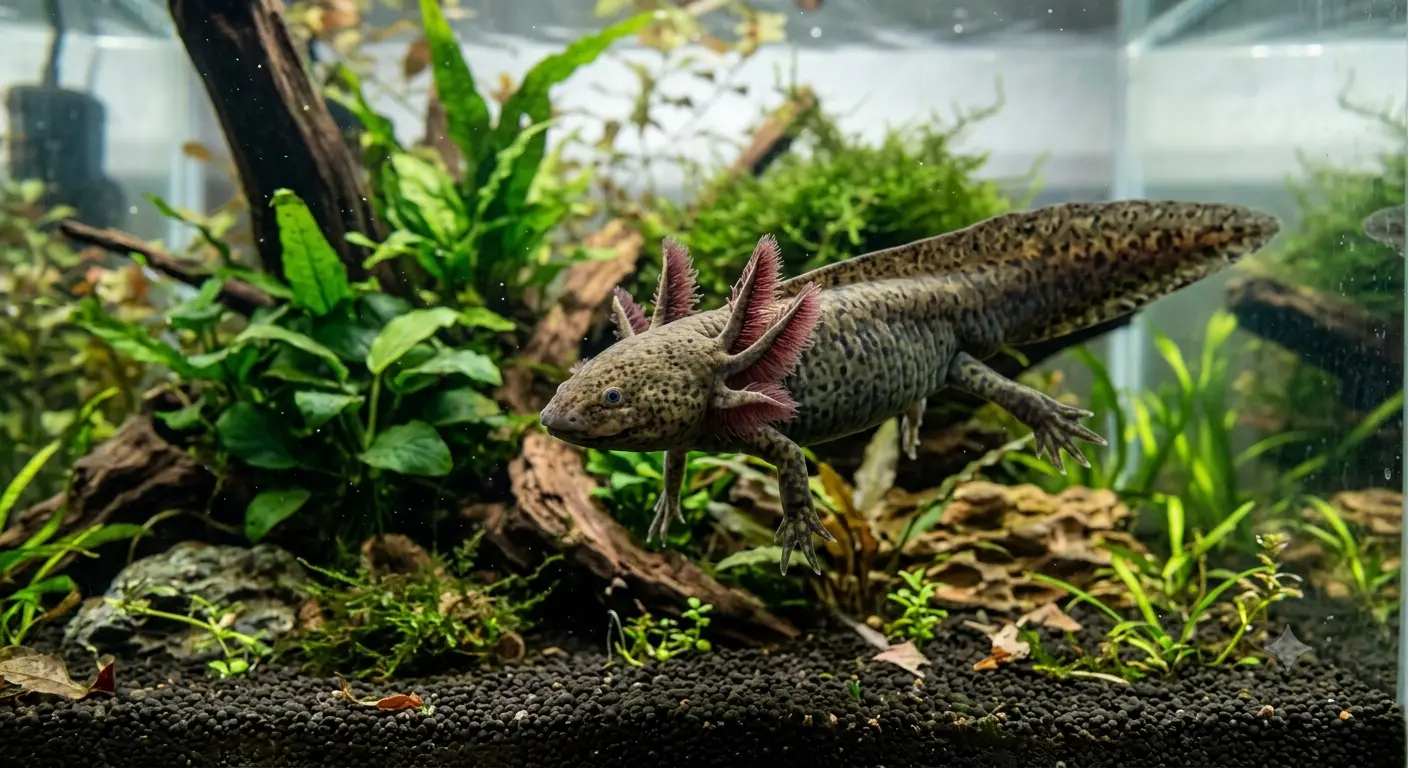
Wild vs. Captive Dynamics: Are Axolotl Rare Today?
To accurately answer whether are axolotl rare, one must separate the wild ecosystem from the captive trade. In Lake Xochimilco, native populations have plummeted by over 99% in just two decades.
Field surveys conducted by ecological researchers reveal horrifying density drops. In 1998, estimates recorded roughly 6,000 individuals per square kilometer. Today, researchers often search for months without spotting a single wild specimen.
Conversely, the captive population is booming worldwide. High fecundity allows female axolotls to lay up to 1,000 eggs per spawn, making domestic breeding exceptionally easy for experienced keepers.
Consequently, while wild genetic stocks face imminent loss, commercial color morphs continue to populate home aquariums on every continent. This duality creates a misleading perception regarding their true ecological survival.
The Native Habitat Crisis in Lake Xochimilco
The original habitat of the axolotl once spanned expansive high-altitude lakes across the Valley of Mexico. Rapid urban expansion throughout Mexico City drained Lake Chalco completely, leaving Xochimilco as the species’ sole remaining sanctuary.
Modern Xochimilco bears little resemblance to its historic grandeur. Today, it exists as a fragmented canal network plagued by heavy industrial runoff, untreated sewage disposal, and agricultural pollution.
Beyond water quality degradation, introduced invasive species pose a lethal threat. Non-native carp and tilapia, introduced during historical government farming initiatives, voraciously consume young axolotl larvae and compete fiercely for food resources.
Additionally, municipal water diversion projects continually drain the canals. As water levels drop, toxic concentrations rise, leaving native wildlife with virtually no clean space to reproduce effectively.
Unique Biological Adaptations and Neoteny
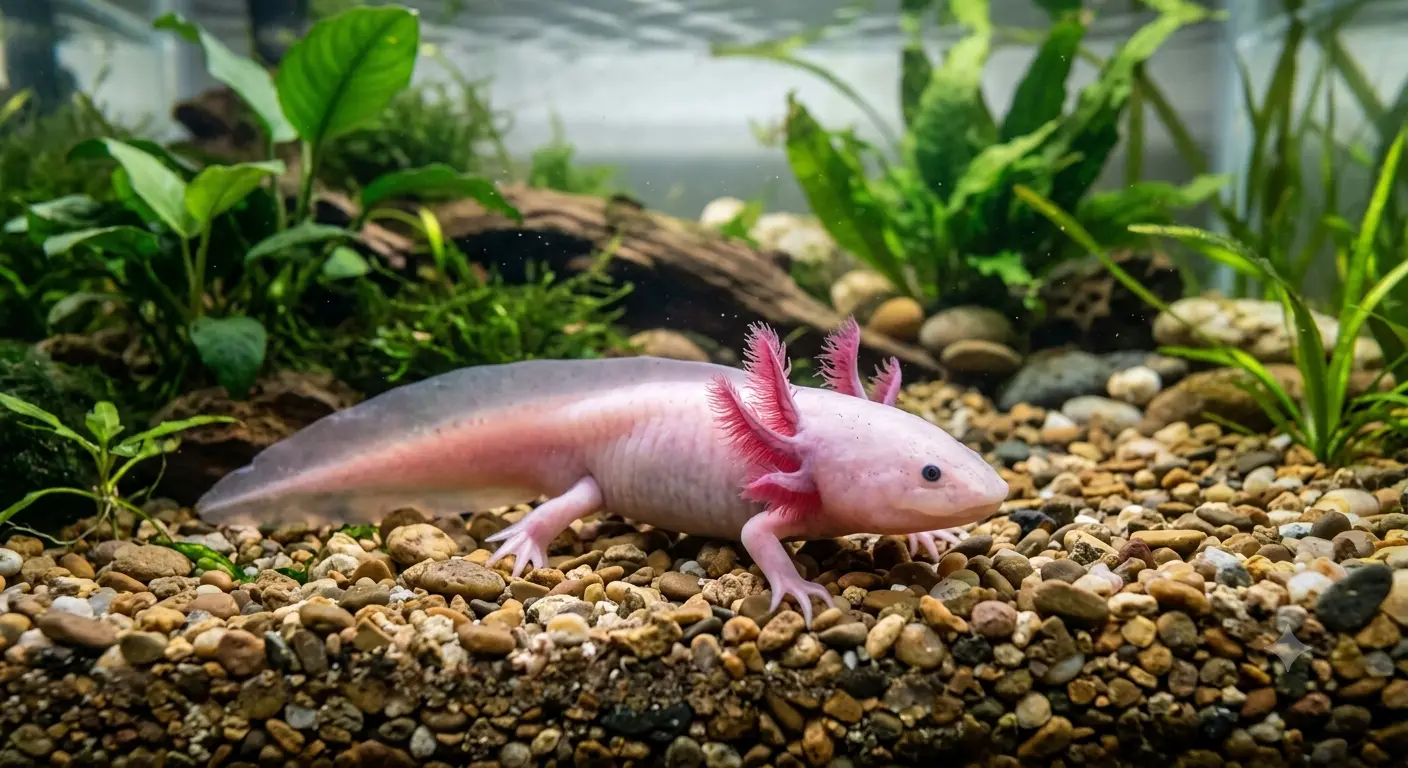
Axolotls possess a rare evolutionary trait known as neoteny, or paedomorphosis. Unlike most amphibians, they reach sexual maturity without undergoing metamorphosis, retaining larval aquatic features permanently.
Instead of developing functional lungs and moving onto land, they keep their aquatic tail fins and dramatic branchial gill stalks. This unique lifecycle makes them exceptionally sensitive to aquatic conditions.
Equally astounding is their unmatched capacity for tissue regeneration. An axolotl can fully reconstruct lost limbs, tail fragments, heart tissue, spinal cords, and even portions of its brain without forming scar tissue.
This biological miracle makes them invaluable to modern scientific labs studying regenerative medicine. However, laboratory strains remain heavily inbred, making them genetically distinct from their wild ancestors.
Understanding Axolotl Color Morphs and Genetics
In nature, wild axolotls feature dark green, brown, and black mottling designed to camouflage against murky canal beds. Brightly colored varieties are extremely vulnerable to wild predators.
Selective domestic breeding has produced stunning artificial color variations. Keepers often wonder if specific colors make an individual harder to find, questioning whether are axolotl rare in specific morph categories.
While standard leucistic (pink with red eyes) and albino morphs are common, specialized genetic lines like Enigma, Copper, or Mosaic remain scarce and command premium prices in trade markets.
However, these domestic morphs carry zero conservation value for wild restoration. Their genetic bottleneck and artificial selections make them unsuitable for reintroduction programs into native Mexican waters.
Wild Conservation vs. Commercial Availability
The contrast between environmental catastrophe and retail availability causes widespread confusion among prospective pet owners evaluating if are axolotl rare in domestic markets.
| Metric Category | Wild Population (Xochimilco) | Captive Population (Pets/Labs) |
|---|---|---|
| Conservation Status | Critically Endangered (IUCN) | Abundant / Unprotected |
| Estimated Numbers | Fewer than 1,000 individuals | Hundreds of thousands globally |
| Genetic Diversity | High, but severely fragmented | Extremely low (High inbreeding) |
| Primary Coloration | Dark Olive, Brown, Black | Leucistic, Albino, Copper, Golden |
| Primary Threats | Pollution, Invasive fish, Loss of habitat | Poor husbandry, Genetic weakness |
Conservation Initiatives: Saving a Species from Extinction
Local Mexican scientists and indigenous farmers are pioneering creative solutions to prevent total extinction. Chief among these projects is the restoration of traditional chinampas—floating agricultural islands.
By creating protected canal sanctuaries around chinampas using natural reed filters, conservationists block invasive tilapia and filter urban runoff. These isolated havens allow wild axolotls to forage and breed safely.
International organizations also provide vital funding and support. According to the IUCN Red List of Threatened Species, rigorous habitat rehabilitation remains the only viable pathway toward preventing functional extinction.
Educational outreach inside Mexico City is changing public perception, transforming the axolotl into a proud national icon. Increased community pride fosters local stewardship over remaining water resources.
Keeper’s Journal: A Hard Lesson in Water Chemistry
It was a cold Tuesday back in 2018 when Barnaby, my wild-type male, suddenly stopped eating. His vibrant gill filaments looked pale, clamped tightly against his head. I panicked. I had checked the water temperature twice, yet something was desperately wrong. I tried feeding him tender earthworms—his absolute favorite treat—but he turned away, sinking listlessly into the corner sand. Frustrated, I conducted three massive water changes over forty-eight hours, expecting immediate recovery. It failed completely. In fact, his skin sloughed worse.
The mistake was hidden right in plain sight. My municipal water tap had undergone an unannounced chloramine flush, and my basic dechlorinator wasn’t neutralizing the heavy ammonia bond fast enough. It took an emergency late-night run to a specialty shop for a heavy-duty conditioner, coupled with tubbing him in chilled, spring-water baths, to pull him back from the brink. His gills slowly fanned out six stressful days later. That terrifying ordeal taught me that keeping delicate aquatic life isn’t about luck; it is an uncompromising daily commitment to invisible biochemistry.
Responsible Axolotl Ownership and Ethics
Ethical pet ownership plays a subtle role in global conservation awareness. Beginners often worry about safety, asking are axolotl dangerous to humans or other tank mates before purchasing one.
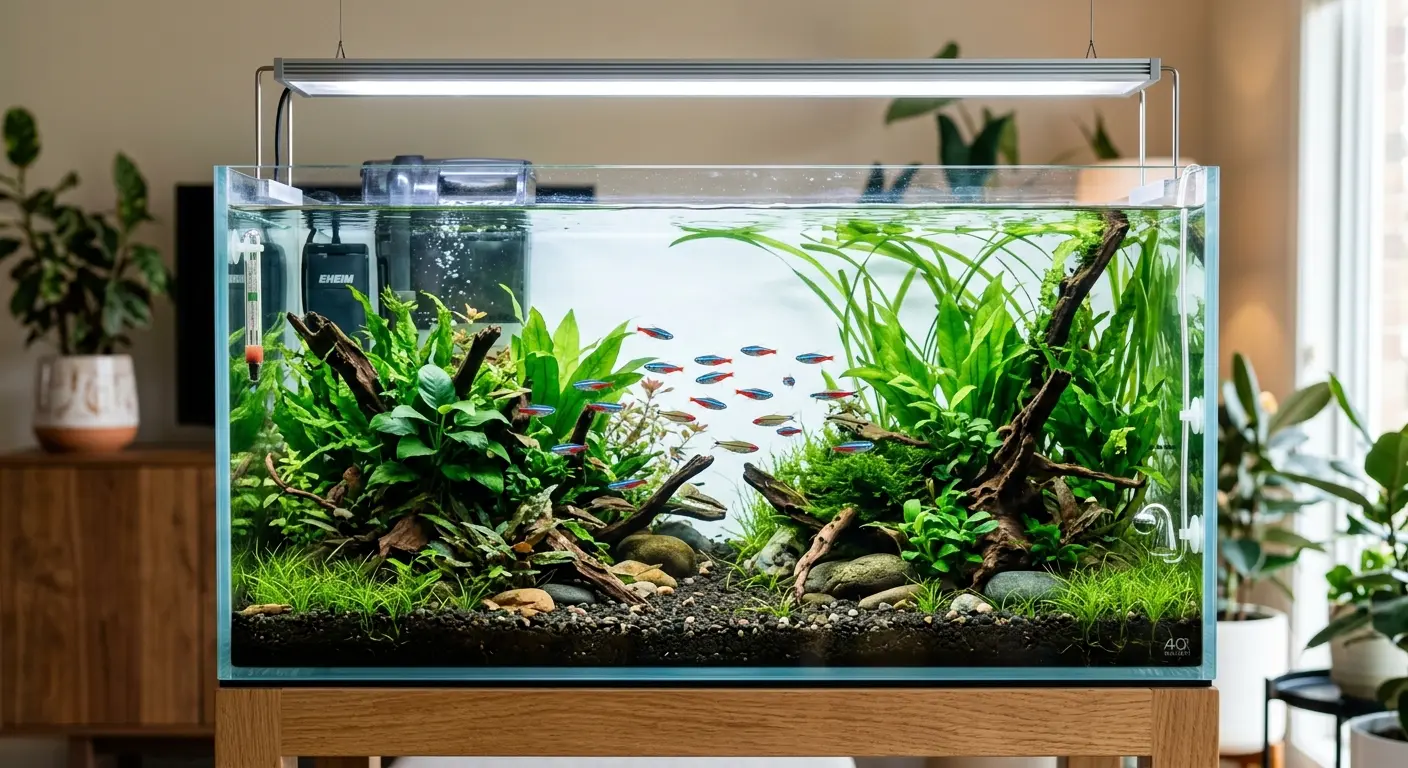
Axolotls are completely harmless to humans, lacking sharp teeth or toxic skin secretions. However, they are fragile creatures requiring strict water parameters, cool temperatures below 68°F (20°C), and gentle filtration.
Never release a captive axolotl into local waterways. Released pets can spread dangerous pathogens like the chytrid fungus (Batrachochytrium dendrobatidis) to native local amphibian populations.
Support reputable breeders who prioritize genetic health rather than aggressive color mass-production. Responsible husbandry respects the dignity of this critically endangered biological marvel.
Evaluating the Future: Are Axolotl Rare Going Forward?
Looking ahead, whether are axolotl rare will depend entirely on human intervention. Without drastic water treatment overhaul in Mexico City, wild populations face imminent extinction within the decade.
Scientists caution that relying on captive populations as a backup safety net is risky. Generations of laboratory breeding reduce natural survival instincts and weaken immune resilience.
The fight to save Lake Xochimilco represents a broader environmental battle for wetland preservation. Protecting this ancient salamander ultimately means preserving an entire regional ecosystem.
By spreading accurate educational awareness, supporting ecological sanctuaries, and practicing responsible care, we ensure future generations can marvel at this incredible creature.
Frequently Asked Questions (FAQs)
Why are axolotls endangered if pet stores have so many?
Pet stores sell commercially bred captive specimens descended from a small pool of lab animals. Meanwhile, wild populations in Lake Xochimilco face habitat destruction, pollution, and invasive predators, making wild individuals critically endangered.
How many axolotls are left in the wild in 2026?
Ecological field estimates suggest fewer than 1,000 wild individuals remain in the fragmented canal systems of Mexico City, with some surveys indicating numbers might be significantly lower.
Can captive axolotls be released to save the wild population?
No. Captive axolotls lack genetic diversity, may carry dangerous diseases like chytrid fungus, and are unadapted to wild survival. Releasing them could devastate remaining native populations.
Are axolotl rare in terms of pet availability?
No, standard pet color morphs like leucistic or wild-type are widely available and affordable. However, extremely rare genetic morphs can be difficult to find and costly.
What is the biggest threat to wild axolotls today?
The primary threats are severe water pollution from Mexico City’s urban growth, severe habitat loss, and introduced invasive fish species like carp and tilapia that eat axolotl eggs and young.
Conclusion
In summary, determining if are axolotl rare requires looking at two entirely different worlds. In the wild canals of Xochimilco, they face a tragic fight against extinction, while in home aquariums, they continue to flourish worldwide.
Protecting the wild Mexican walking fish requires dedicated conservation efforts, clean water infrastructure, and global awareness. Honoring their wild legacy ensures these captivating amphibians remain a living part of our natural world.