
The global allure of exotic small mammals has skyrocketed recently, drawing pet lovers toward unique biological wonders. Among these, the African Pygmy hedgehog has stolen millions of hearts worldwide with its tiny paws and crowned defense mechanisms. However, the initial spark of curiosity must be met with realistic research and thorough husbandry education. These animals possess highly complex dietary, environmental, and behavioral needs that cannot be overlooked by casual pet owners.
Prospective owners often stumble across cute short videos online and rush into acquisition without understanding the true reality. They are absolutely not low-maintenance pocket pets like traditional hamsters, domestic mice, or simple gerbils. From precise atmospheric thermal settings to highly specialized insectivorous meal tracking, managing their well-being is a daily active duty. This comprehensive strategic guide will navigate you safely through every critical milestone of the preparation and ownership process.
1. Lifestyle Alignment: Is Buying a Hedgehog Legally and Logistically Right for You?
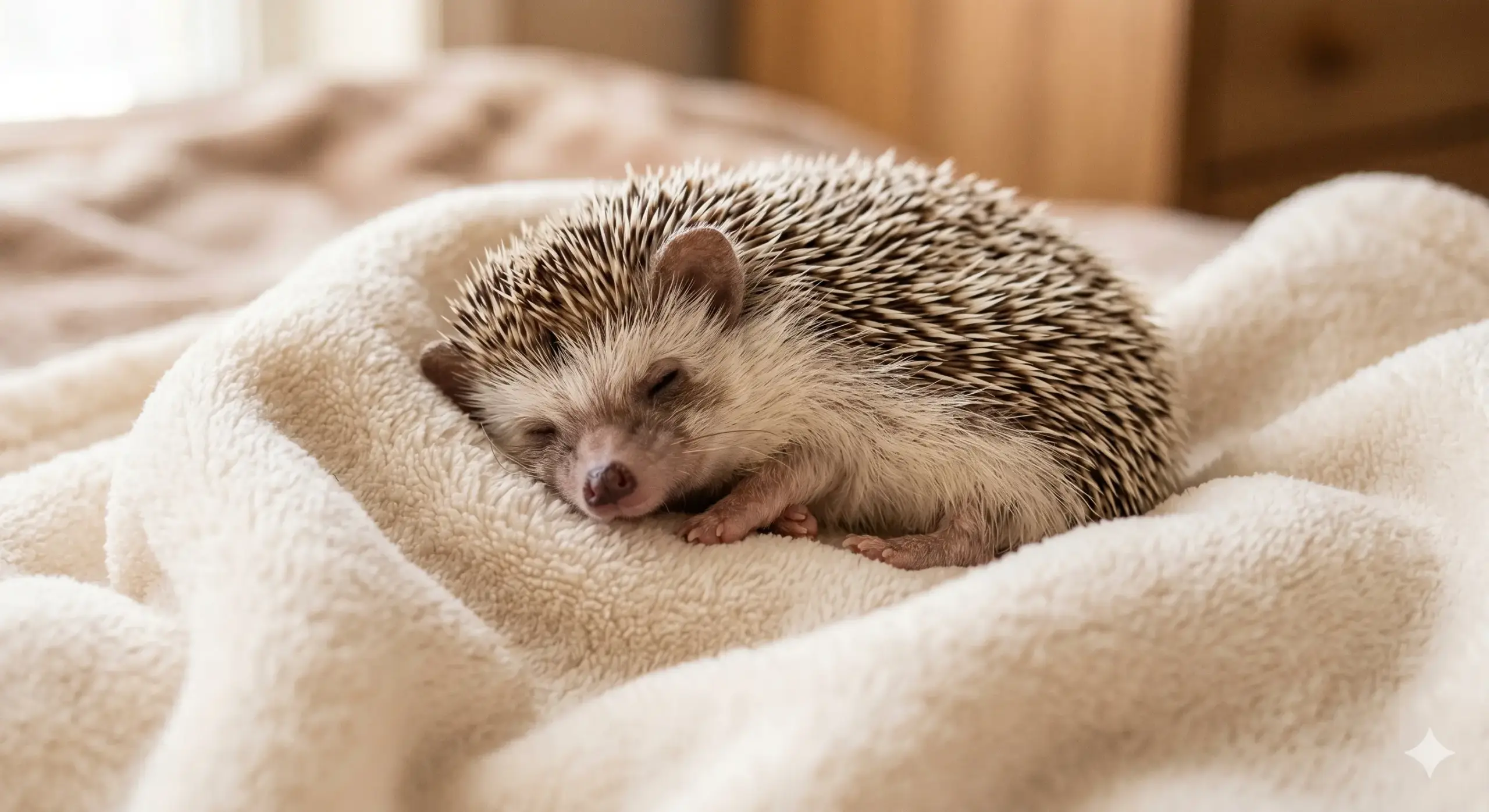
Before moving forward and committing to buying a hedgehog, you must realistically evaluate how their habits fit your daily life. The most defining biological reality of these spiky creatures is their deep, unyielding nocturnal nature. Unlike dogs or traditional reptiles, they remain completely inactive and deeply asleep throughout normal daylight hours. They only begin to wake up, stretch, and forage when humans are preparing to go to bed.
If you are looking for an interactive daytime companion for afternoon handling, this species will not fit your schedule. Forcing a nocturnal mammal into a daytime routine causes intense physiological stress, which compromises their fragile immune systems. Consequently, the distinct sounds of heavy activity—running on wheels and crunching kibble—will commence around midnight. If you are an easily disrupted sleeper keeping the cage in your room, prepare for nocturnal noise.
Furthermore, legal regulations regarding exotic mammals vary wildly across different states, countries, regions, and local municipal zones. Before spending money or buying a hedgehog, you must check local wildlife protection acts and domestic pet laws. In places like California, Georgia, Hawaii, Pennsylvania, and New York City, ownership remains strictly illegal. Ensuring compliance with your local government protects both your family and your future pet from sudden legal asset seizure.
2. Advanced Nutrition Standards: Moving Beyond Mass-Market Feline Kibble
Proper nutritional planning forms the absolute foundation of long-term visceral wellness for these unique small insectivorous mammals. Historically, outdated pet store pamphlets recommended cheap commercial cat food as a main diet, but modern veterinary research disagrees. When you are deeply analyzing the feasibility of buying a hedgehog, you must build a highly specialized high-protein menu. Their short digestive tracts are built to break down chitin from insects rather than heavy processed carbohydrates.
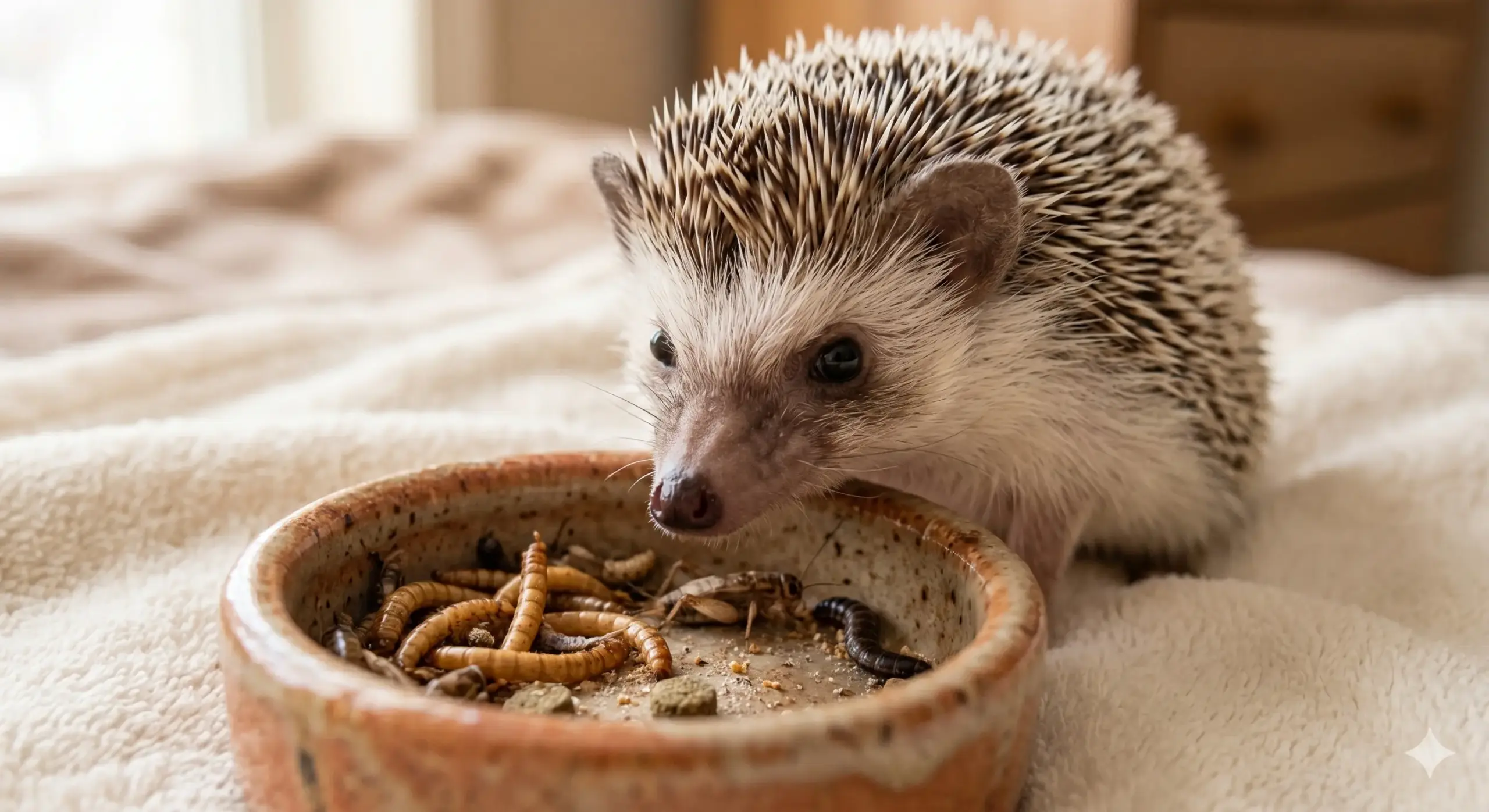
While a premium, grain-free cat kibble with protein above 30% can serve as a base, it cannot be the only source. Dietary variety is absolutely vital for preventing serious metabolic bone disease, internal vitamin deficiencies, and chronic mental stagnation. Owners must routinely integrate healthy, live, gut-loaded insects like mealworms, active crickets, and fresh dubia roaches. For professional veterinary dietary standards, you can review guidelines from the Association of Exotic Mammal Veterinarians, a premier international authority on exotic animal care.
Metabolic weight monitoring is an essential weekly requirement because these animals are genetically prone to rapid fat accumulation. In natural wild environments, they run several miles every single night hunting for bugs, burning massive amounts of energy. In restricted domestic cages, a static lifestyle combined with high-fat treats leads directly to dangerous obesity. Severe obesity causes hepatic lipidosis (fatty liver disease) and prevents them from curling up, which ruins their spinal health.
3. The Human Experience: Overcoming the Fear and Building Raw Trust
The bedroom was freezing and dark. Two AM. Rhythmic, frantic clicking echoed from the corner as plastic wheels spun rapidly. I sat silently on the floor with a thick fleece blanket over my lap, feeling terrified. Inside that blanket was a frantic, clicking ball of razor-sharp spikes that hissed loudly every time I moved. My fingers were bleeding from earlier pricks. I felt an overwhelming wave of regret. Why did I bring this wild creature home? It felt impossible.
Patience isn’t just a word; it’s a painful process when dealing with an animal’s raw survival instincts. Every night for months, we sat in total darkness together while he stayed balled up tightly. I didn’t force him out or grab him. I simply let him smell my skin. Then, on a random rainy Tuesday, the angry huffing stopped completely. A tiny, wet pink nose carefully poked through the needles. Two tiny black eyes looked up at me. He uncurled.
His sharp needles laid completely flat against his skin like soft hair, revealing a pale, velvety stomach. He stretched out across my open palm and let out a tiny, vulnerable yawn. In that beautiful, quiet moment, all the physical pain and deep frustration of the past weeks vanished. Trust was earned. We spoke the same silent language. It wasn’t an automated pet experience anymore; it was a profound, deeply rewarding human-animal connection born from pure resilience.
4. Thermal Regulation: The Non-Negotiable Danger of False Hibernation
One of the most dangerous, highly critical aspects of daily husbandry is maintaining a reliable ambient cage temperature. The African Pygmy variety requires a stable, localized thermal environment precisely between 23°C and 26°C (73°F to 80°F). When families think about buying a hedgehog, they incorrectly assume standard household air conditioning is perfectly adequate. However, normal home temperatures fluctuate wildly, and a sudden drop below this threshold triggers a fatal biological event.
Unlike wild European hedgehogs, captive African Pygmies do not possess the biological mechanisms to survive seasonal torpor safely. When their immediate surroundings get cold, their bodies drop temperature, their heart rates plummet, and their organs shut down. This dangerous state is known as “False Hibernation,” and it represents an immediate life-threatening emergency. To prevent this, you must install a Ceramic Heat Emitter connected to a digital pulse-proportional thermostat for constant safety.
5. Enclosure Specifications: Designing an Optimal Physical Habitat
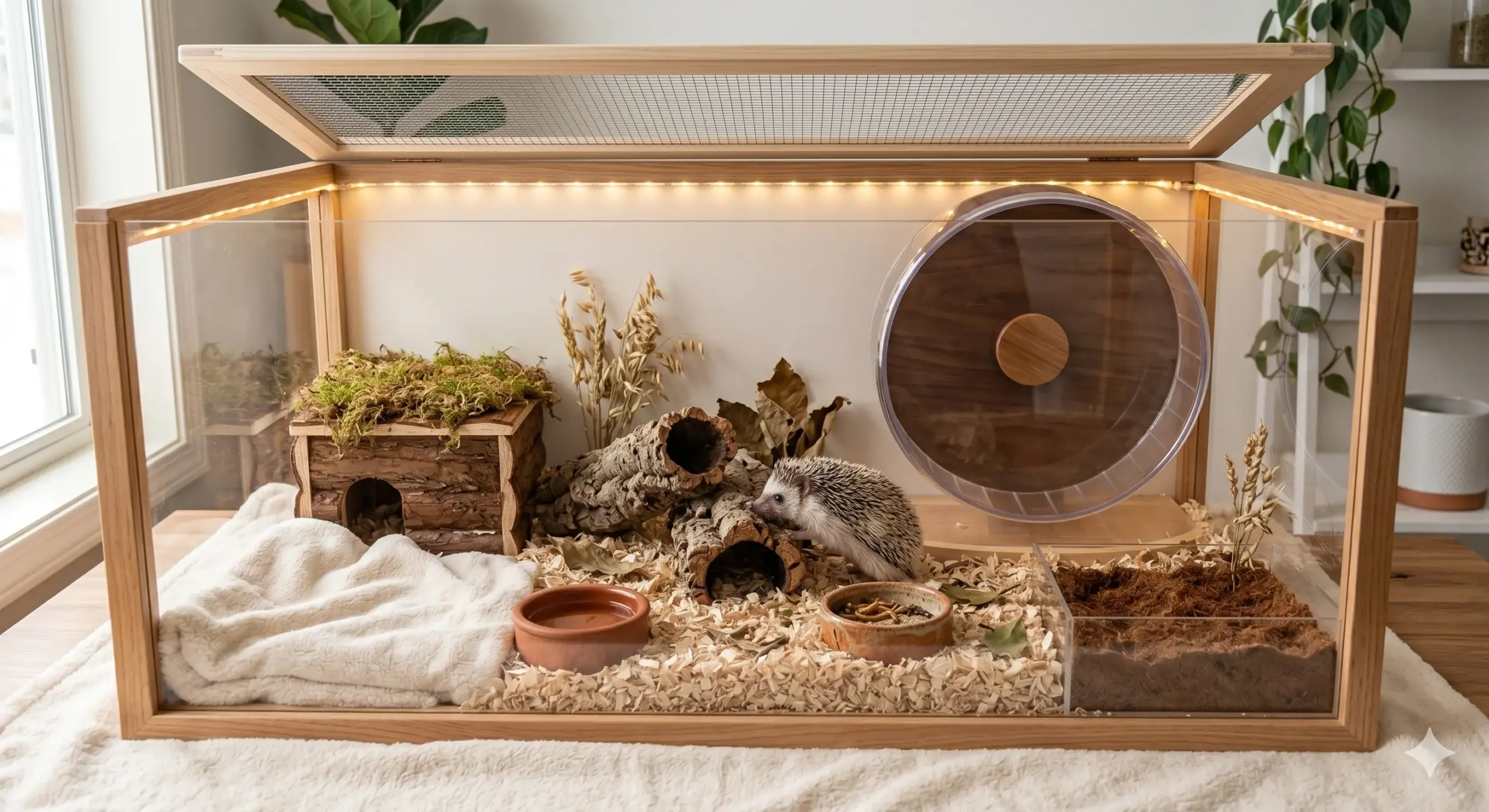
To help you visualize the physical space required before bringing your pet home, look at this comparison table. It highlights the major differences between inadequate commercial pet store setups and professional habitats:
| Housing Feature | Standard Store Setup (Inadequate) | Professional Setup (Recommended) |
|---|---|---|
| Minimum Floor Space | 2 to 3 square feet (Too small) | 4 to 6 square feet of flat space |
| Exercise Wheel Design | Wire-mesh or barred wheels | 11 to 12-inch solid-surface bucket wheel |
| Heating Infrastructure | None (Relies on room air) | Dual CHE heaters with thermostat controllers |
| Safe Bedding Materials | Aromatic cedar or pine wood shavings | Anti-pill fleece layers or kiln-dried aspen |
As clearly detailed in the comparison matrix above, providing adequate floor space is absolutely non-negotiable for safety. These small mammals are naturally energetic wanderers that require large, single-level horizontal environments to satisfy their instincts. Cramped living quarters cause quick muscle atrophy, intense mental distress, and abnormal stereotypic pacing. Wire-mesh floors must be avoided entirely, as their fragile toes and slender legs easily slip through and break.
6. Deciphering Exotic Behaviors: The Mystery of Self-Anointing
First-time owners are often deeply alarmed when they witness a strange behavioral phenomenon called “Self-Anointing” for the first time. This unusual sequence occurs when the mammal encounters a completely new scent, object, or unique chemical taste. Upon discovering the novel smell, the animal will chew furiously until a thick, white, frothy saliva forms. Then, it contorts its body to smear this foam directly onto its sharp quills.
While this wild display looks like a medical seizure or a rabies symptom to a beginner, it is normal. Evolutionary zoologists believe self-anointing acts as an olfactory camouflage mechanism designed to hide their natural scent from predators. It might also spread environmental toxins onto their spines to increase their defensive capabilities against enemies. Understanding these complex instincts before buying a hedgehog prevents unnecessary anxiety and costly emergency veterinary check-ups.
7. Veterinary Realities: Wobbly Hedgehog Syndrome and Long-Term Care
Before finalizing your budget and buying a hedgehog, you must understand the serious hereditary medical risks present in the community. The most devastating health condition affecting this species is a progressive neurological disease known as Wobbly Hedgehog Syndrome (WHS). WHS degrades the protective myelin sheath around the animal’s nervous system, causing gradual, irreversible paralysis that usually starts in the hind legs.
Unfortunately, modern veterinary medicine has not discovered a definitive cure or effective treatment protocol for this genetic disease. Early clinical warning signs manifest as a subtle wobble while walking, frequent falling, and a loss of motor control. Because this fatal condition is strictly hereditary, buying from an ethical breeder who tracks lineages is your best defense. You must also locate a licensed exotic animal veterinarian who has specialized small-mammal medical gear.
Critical Safety Note: Your Hedgehog’s Next Meal
Providing a wide, safe habitat and a reliable heating system is only half the battle; knowing exactly what goes into your pet’s feeding bowl is even more vital to their survival. Many everyday fruits, vegetables, and commercial ingredients that are perfectly healthy for humans can be surprisingly toxic to these small mammals. To ensure you never accidentally offer something harmful, dive into our next essential guide: Toxic Foods for Hedgehogs: A Complete Safety Guide for Owners. Your pet’s health and longevity depend entirely on the choices you make today!
8. Frequently Asked Questions (FAQ)
Q1: What is the average expected lifespan when buying a hedgehog?
A: With high-quality veterinary care, strict temperature monitoring, and a balanced insectivorous diet, they typically live between 4 to 6 years in captivity.
Q2: Can I house two or more African Pygmy hedgehogs together?
A: Absolutely not. They are strictly solitary creatures by nature. Forcing them to live together causes violent territorial fighting, severe stress, and fatal physical wounds.
Q3: How often do these animals require structural bathing?
A: They should only be bathed once every 1 to 2 months using warm water and unscented oatmeal wash. Washing too frequently dries out their skin, causing cracking.
Q4: Do their sharp quills shoot out when they feel threatened?
A: No. Their spines are firmly attached to their muscles and cannot be launched. They simply roll into a tight ball so the sharp quills point outward for protection.
Q5: What are the main signs of a false hibernation emergency?
A: If your pet’s stomach feels ice-cold, their movements are completely lethargic, or they wobble severely while gasping, they are entering a dangerous hibernation state.
9. Summary Conclusion: Committing to the Quilled Companion Journey
Ultimately, buying a hedgehog is an incredibly unique, highly rewarding adventure that requires a major lifestyle commitment. These fascinating, spiky mammals offer an amazing look into the world of exotic animal husbandry for dedicated owners. By respecting their nocturnal sleep needs, investing in advanced thermal gear, and providing balanced nutrition, you ensure a safe life. Prepare your home thoroughly, practice patience during handling, and you will enjoy an unforgettable exotic friendship for years.